Skip to content

Tag: art direction

Q & A with James Paul Jones, Oneworld

The Good Immigrant design James Paul Jones

The work of Welsh designer James Paul Jones for has featured regularly here in the past few years. A versatile cover designer and one of the co-founders of Vintage UK’s design blog CMYK, James was recognised as a ‘Rising Star‘ by the Bookseller in 2014, and recently moved to independent publisher Oneworld Books in the role of art director. This Q & A  has been quite awhile in the making, but I’m very grateful to James for taking the time to answer my questions in such depth, and I’m glad for the opportunity to showcase his talents again.

You can find James on Twitter and Instagram, and you can see more of his work on his website. James and I corresponded over email (for years)…

Do you remember when you first became interested in design?

Growing up it was all about sport and design. From an early age I used to drive people mad (mainly my parents and teachers) spending hours perfecting my hand writing, and adorning basically everything I could with doodles, designs, and patterns. Which is ironic, as I can barely understand my own scribbles these days. I somehow knew back then that is was more the Design in Art & Design I was interested in, I think mainly because it took me so long to finish anything remotely ‘still life’. My art teacher Islwyn Williams can vouch for that, and he was one of the good ones. I remember him saying when he saw me walking down the corridor in full-on teenage mode to ‘Look up. Not enough people do and you don’t know what you’re missing’. That’s stuck with me ever since. Things progressed quickly once I got hold of my first bondi blue iMac. From there, I used to ‘borrow’ my Dads record covers, scan them and proceed to add my own finishing touches. My first ‘effort’ was giving Paul McCartney some shoes on the Abbey Road album. I’d then print out everything and plaster my walls with the output. I wish to this day I could do this in my new workplace.

Do you come from a creative family?

I used to think not. My Dad was a self-made business man running a wholesale food company in North Wales and my mother working alongside. But I realised over time that my Dad had a special way with words and he wrote poetry in his spare time. I was certainly the only one who was a bit obsessed with the visual side of things. My sister was definitely the words. I was proud to work alongside her whilst working at Vintage Books. As I’m sure was our Mum.

Were there a lot of books in your house growing up?

There were plenty. And they were all owned by my sister. I can’t pretend that I’ve been a book buff all my life, because when I was younger I didn’t read enough. But I did grow up on Roald Dahl and other children’s classics of my time. What I thoroughly enjoyed reading (and my mother still has a pile of these ready to give me back home) was the ‘how to’ guides. Cartooning, watercolours, different print processes. Cross hatching, you name it. I had a guide on it. A recent ‘Punch’ exhibition at the House of Illustration in London focused on the work of Shepard and it reminded me of my love of a good cross hatch shadow. Now my house consists of ‘why’ books. Why do people see and think in certain ways. Different triggers, autobiographies and non-fiction is what I devour outside the daily manuscripts. Plus I love a good quote I can draw inspiration from. It continues to amaze me how much you can learn from others.

the-revolution-road_vintage

Did you study design at school?

I was lucky enough that when I got to secondary school there was a graphics GCSE course which I snapped up. There began my obsession with drawing rectangles using 4 points, which later in life has translated to all forms of typographic sketches. Earlier I studied Art, but grades wise I was let down by my inability to follow suit and show my workings. I always had the final idea in my head and wanted to cut out the middle man. Although now, one of my prized possessions is my A5 moleskin which doesn’t leave my side, which would amuse my Art teacher to no end. Later on, I did an Art Foundation course in North Wales, which was easily the most creative, fulfilling and enjoyable year of my life education wise. We worked on everything from woodworks to 3 dimensional life size sketches using charcoal. I thrived on the atmosphere there and at some point I’d love to go back and enjoy it for a second year. I was honoured to be invited back this year to showcase my work, helping to hopefully inspire the next generation. Anything I can give back there I will in abundance. Following foundation, I studied Graphic & Media Design at London College of Printing. It was a great college, and to be taught by one of my design heroes Hamish Muir was priceless.

I can’t pretend I did my best work there because that wasn’t the case. But what I did learn, and something I realised early on, was that I needed work contacts by the time I graduated. I started calling in favours, taking work experience here and there and this all helped to build up a roster of freelance clients. I started my own design company (Here & Now – my exercise book ‘tag’ from my teenage years) toward the end of the second year where I was doing websites, record covers and 1-day-a-week freelancing with the Orion Publishing Group.

Where did you start your career? 

I started my career at Orion through work experience in the marketing department. Working on posters, bookmarks and other promotional materials. Then one day I was asked to work on the back cover for a Harlan Coben novel. I was fresh out of 2nd year at University and still obsessed by Müller-Brockman, which meant I spent the rest of the day typesetting the copy on crazy angles. Vertical barcode. The works. I can still remember it to this day. I thought it looked bloody brilliant. The Art Director thought so too, but obviously it was a bit out there for a mass market crime novel… Although she asked me to come back the next week and that was that. Her name was Lucie Stericker and she is the brilliant Creative Director of Orion, and one of the key people in my career. She gave me the opportunity to show what I could do, at a time where I didn’t really know what I could. At one point I nearly quit to head down the big design company route, but I’m glad I stuck it out and I have Lucie to thank for that.

At Orion I learnt it all from the bottom up. Starting off as a freelancer, before joining the company on a 4-day a week basis. After that I started to get my own briefs to work on and from there I kicked on. I always wanted to try and push the boundaries of each genres, as I was young and I didn’t see any reason not to! You had to get noticed somehow. I worked my way up to a Junior Designer level, and then to Designer. My work started getting noticed after working on the Keith Richards autobiography Life and the award winning The Tiger’s Wife, before Vintage offered me an opportunity as a Senior Designer 4 ½ years in to my Orion career.
wiggo_vintage

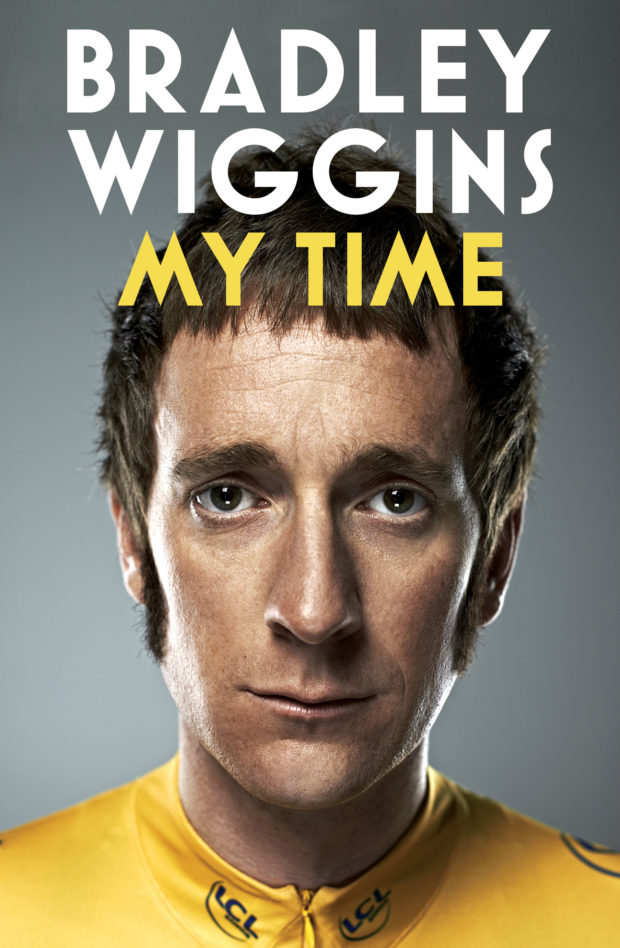
Over at Vintage I began to hone my craft, and was soon art directing my own photo shoots for Bradley Wiggins fresh from his Tour De France and Olympic wins and working on titles such as Virginia Woolf, Sebastian Faulks and Chuck Palahniuk. I was in my element. The team pushed each other every day, some of the group projects we worked on such as the James Bond classics were a joy to be a part of. As was the creative atmosphere of the design department.

I spent 4 ½ very happy years at Vintage, working across all genres and imprints. Whilst there I was humbled to be voted as one of the industries rising stars, one of the only designers on the list. My work was also recognised with some awards, one of the highlights being my award winning collaboration with Pietari Posti on our Arthur Ransome series. Vintage and Penguin Random House were such an inspiration to me design wise, and I thank the whole design team, and the Creative Designer Suzanne Dean, for that.

When did you start at Oneworld?

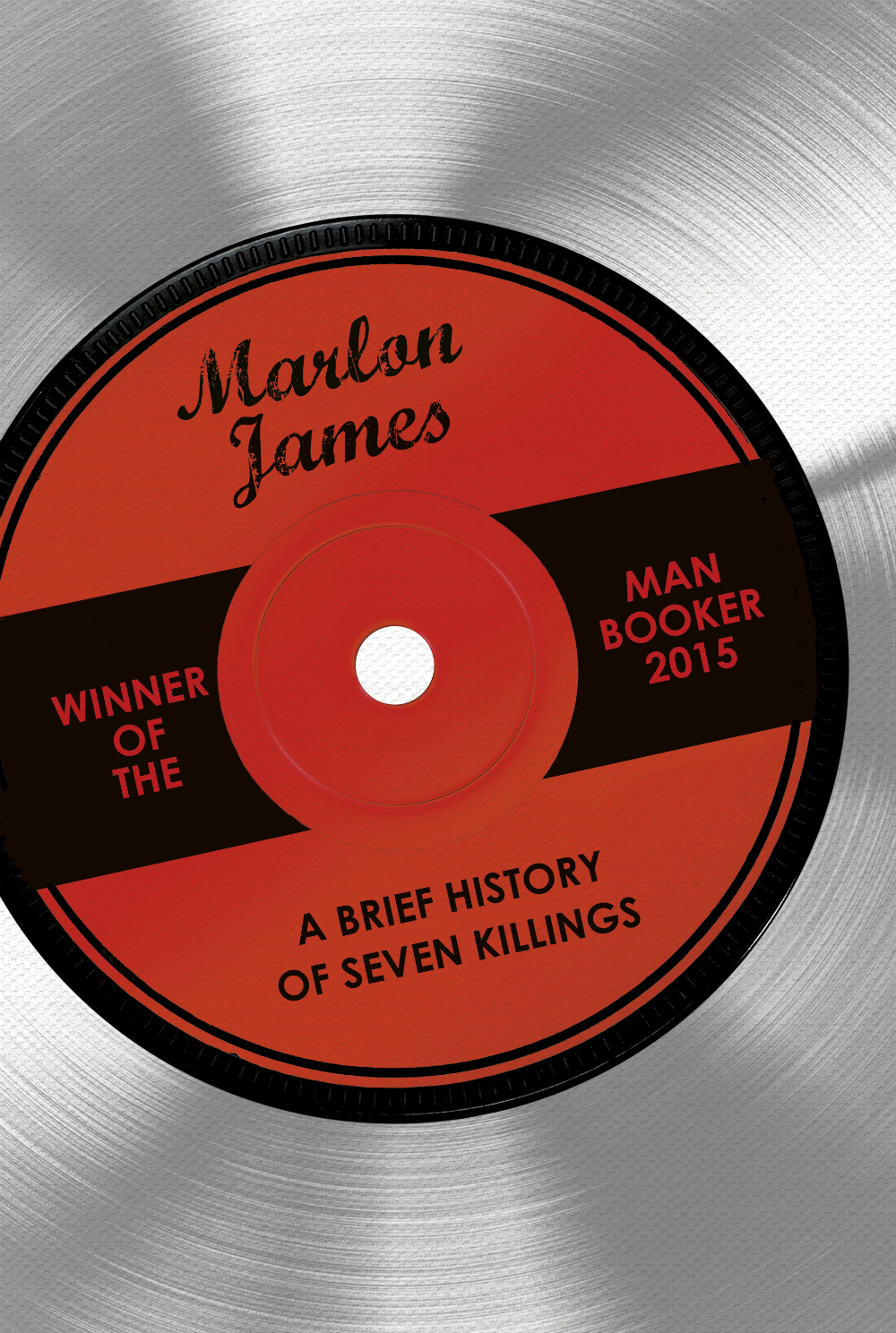
I started at Oneworld as their new Art Director just over a year ago, in September of 2015. I thoroughly enjoyed my time over at Vintage, but I was looking for a new challenge and really wanted to experience the life of an Art Director. Oneworld came about because of that ambition, and I was intrigued by the company as a whole. They had such fantastic books, yet I felt the covers could reflect that better. It was a big change for me, going from the biggest publisher in the world (Penguin Random House) to an independent, but I really wanted to get stuck into something that I could put my mark on. At Oneworld it’s just me heading up the design department, and while that can seem quite daunting at times I like to think that I thrive on that responsibility. I have instigated a design internship recently, and I’m thoroughly enjoying mentoring young designers at the start of their careers and giving something back to the design community. It’s a privilege, and design-wise my goal is to make Oneworld’s books known for their looks and production values, of which having a cracking production team by my side helps. Along with a company willing to try something different. Since I joined the company, we’ve won the Man Booker Prize, been voted Independent Publisher of the Year, had another one of our books shortlisted for this year’s Man Booker, and the company is going from strength to strength. It’s not easy, I don’t think any Art Director job is. But I really do love it. And I want that hard work and passion to come across in the work we put out there as a company. I’m also involved in the creative direction of the company as a whole. We recently re-designed our website, logo and branding. Which has all been a fantastic and invaluable experience.
design James Paul Jones

What have you found to be the main differences between being an art director and a designer so far?

That the bucks stops with me, which is both a good and a bad thing. What I have enjoyed most is working alongside artists, designers and illustrators that I admire. Pushing them as far as we can go with each design. We might not always see eye-to-eye but I enjoy working with other designers who want to make something great, and not just another cover to tick off their to do list. Our job is to represent the spirit of the book. To find out what makes that book unique, and communicate and celebrate it visually on the cover.

Are you also working on freelance projects?

I am. I was always rather envious of the US model of Art Directors who also freelance for other companies. It really appealed to me. So when the Oneworld position came up, it was a part time position and it suited my ambitions to explore freelancing. I took a leap of faith, and now I work 4-days-a-week in-house at Oneworld and do my freelance work on the fifth day. Although as every freelancer knows, my weekends are often taken up working, and one of the hardest aspects is trying to find that work/life balance. Having a young family has forced me to work that out from the get go. I’ve been lucky enough since I started freelancing last year to work with some great publishers around the world. I still love getting that first initial ‘making contact’ email from a new publisher who has seen my work and wants to know if I’m available. I thoroughly enjoy having the best of both worlds, even with the extra hours it can demand. But I’m really happy with the freelance side of my career, and I hope it keeps growing and growing.

What are your favourite projects to work on?

Ones that I can throw myself into. They’re both a blessing and a curse. I like to get really immersed and find it hard to switch off, but having a family has definitely helped me be more ruthless in that sense. I consider what we do such a privilege. I have to put my all into each cover. I’m a big believer in that if you leave nothing behind, your work will connect in the right way. I thank my Dad for that work ethic, and also my many different sport coaches along the way. Leave nothing behind. Design hard. But most of all have fun with it.

originals_ebury

Which ones present the greatest creative challenges?

Interesting question. I guess the briefs that ask for the norm for that genre. But you know there’s an opportunity to push the envelope a little… Then the challenge is executing the design in a way that will embrace that idea, rather than alienating people. Then getting the sales teams on board with the idea. I’m constantly pushing my editors to really think about their briefs. Look what’s out there, and how can we make our book original. I’ve just finished working on a cover for Ebury called Originals by the brilliant Adam Grant. As he mentions ‘Being original doesn’t require being first. It just means being different and better’. That’s what I’m aiming for in my work for Oneworld and in my freelance work.

What’s your ‘go to’ typeface for a book cover?

I think due to my design education I’m a big fan of the classics. They are that for a reason. Too gimmicky and it just looks lazy. I’ve actually been trying to experiment more with my typefaces. Altering more by hand and creating my own here and there to see what I can get away with. I’m a huge fan of typography, and boy do I still have a lot to learn. You have to know all the rules, so that you can then push them as far as possible, sometimes break them and really have some fun along the way. One of the most rewarding and memorable exercises our tutor at LCP Hamish Muir set us was to photocopy strips and individual pieces of typography, blow them up to different sizes, re-arrange them and produce our own grids to lay out the information for each poster. Hand laying and sticking each letter and word. I learnt more in that day then I did over the course of the following three years.

What do you look for in an illustrator’s portfolio?

Something I could never create or imagine myself. If I’m working with an illustrator it’s because I can’t create what I’m after and I think they would be perfect for expressing the authors words to the reader. Like most Art Directors, when commissioning I secretly want to see the routes I’ve asked for in my brief, along with a curve ball interpretation that throws a huge creature spanner in the works. If they can do that, then I’ll keep coming back for more.

What advice would you give a designer at the start of their career?

Get yourselves out there. And just keep designing. There is quite a lot of competition out there at the moment, but at the end of the day it comes down to the quality of your work. That will only improve as you work more and more. Get yourselves out there, because otherwise people will never see your work. And take risks with your work. The first thing I did was create my own Tumblr. I figured it was an easy program to use, one which would allow my work to reach a wider audience. There are so many blogs and social media accounts dedicated to book design now it’s hard to keep up. But the cream will always rise to the top.


You were very involved in the CMYK, the Vintage Books design Tumblr. Why did the Vintage design team decide to start blogging about their work? 

We wanted a platform where we could launch our designs to the world, to share the first words on our designs and communicate our influences and working methods directly. We wanted to share the back story to the designs, how they were created, what processes were used, and information about the illustrators, photographers and designers. At the time, there weren’t really any art departments doing anything similar, and so we decided to create something that we as an art department would be interested in reading. The reaction and success was huge, at one point we were one of the most viewed sites across all PRH platforms. It was a really big team effort, and one we needed to structure at the beginning of each week to keep on top of. I’m still proud of everything we did, and it’s great to see so many other art departments follow suit.

At Oneworld, I’m looking into Instagram and seeing what fun we could have on there. I’ve only just joined Instagram for my sins, and I’m aiming to show off all the good work we’ve been doing here at Bloomsbury Street in London. It’s also a great platform for spotting talent and keeping a close eye on the competition. I’ll also be showing my freelance work, and I thought it would be great to give people more of an insight into the day to day of an Art Director. Let’s see what happens.


Which illustrators and designers do you think are doing interesting work right now?

This changes every week. Along with my bookmarks. Being an Art Director now I’m constantly thinking ahead, and it’s hard to switch off. Meaning even when I’m at an exhibition in a church hall in Wales, I’m collecting information on a young illustrator from the area who’s tree paintings are so fresh I can’t wait for a suitable cover to crop up for her. I do try to use new illustrators and designers as much as possible. They come with a sense of freedom and a willingness to break the rules. Plus their work ethic is one I admire as they give their all for the outcome. The more experienced illustrators and designers out there, who are still at the top of their game after all these years, they know how to retain that quality.

Who are some of your design heroes?

So many. Hipgnosis. Peter Saville. Hamish Muir (8VO). Brody. Müller Brockman. Non-Format. Love Non-Format. All from my educational years. I still remember when Hamish bought in some original litho printed Hacienda posters from the 90’s which blew my mind and made me realised I massively needed to up my game. All created with their hands. No photoshop. NO Photoshop. Amazing. I never saw myself as a book designer until I worked in the industry. I always wanted to join the big design companies of the world. The ‘Mothers‘ and ‘Experiment Jetsets‘. Daniel Eatock. Bibliothèque. Accept & Proceed. Designs with concepts behind them was what inspired me then, and still does today. As for now and in the book design world, I’m inspired by work that really stands out and tries to be different. From a career point of view, David Pearson, Rodrigo Corral, Peter Mendelsund, Jim Stoddart and Suzanne Dean. They are leading the way for me in various different ways, and I’ve been lucky enough to work alongside some of them. Also I admire what Andy Pressman has done over at Verso, along with Melanie Patrick at Pluto Press.

Is there one particular author or a book you’d like to design a cover for?

Tough one. Because there are just so many. I’m also very lucky to have worked on quite a few over my short career. I did think a year or so back that for me, the Harry Potter series hadn’t quite hit the mark. But then Olly Moss came along and blew that out of the water…but perhaps there’s still a typographic option out there that could be explored. I missed out on a redesign of Terry Pratchett covers a while back, and I still think I was on to something there so I’d like to be able to revisit those in the future.

What‘s in your ‘to read’ pile?

It’s become a library. Currently finishing off Originals by Adam Grant (during the day for inspiration) and The Shepherds Life (in the evening to escape it all). Then at some point to follow: Designing Your Life, The Wisdom of Groundhog Day, Outliers, The Ego Trick. I’ve become much more of a thinker than I used to be. That’s something that I’ve had to change as my career has gone on. I spend much more time thinking about a cover now before actually working on it. I find that it helps the actual process go much smoother and adds clarity to the finished outcome.

we-will-not-be-silenced_pluto-press

Do you have system for organizing your books?

It depends what part of my house you’re in. My home studio has everything organised by Company. As in, where I worked at the time as it’s mostly an archive of my work. With a separate space for freelance covers. The design books in there are organised by size, just to mix it up a little bit. My ‘to read’ pile by my bed is organised by what’s up next, or that’s the theory anyway. My wife’s books have no system to them at all…but the less said about that the better.

Do you have a favourite book?

I don’t really tend to re read anything as I have endless notes on my phone quoting all my favourite passages which I constantly come back to. As far as impact goes, I can remember being introduced to the classics from Paul Arden early on at art Foundation and really connecting with them. They seemed so different back then. The Art of Seeing is never far from my side, and as for Biographies it’s hard to beat David Maraniss’ A Life of Vince Lombardi. One of the heroes to one of mine and my Dad’s heroes, Sir Alex Ferguson.

What does the future hold for book cover design?

Whatever we want it to be. The whole death of print has come and gone (for now), allowing for a very exciting time. Everyone’s having to up their game, especially with social media. The ‘Cover reveal’ is really popular in publishing. Allowing designers all round the world to sigh after a hard days work, and seeing a moment of genius from someone in Peru and realising you’ve come nowhere near. I’m still waiting again for that ‘perfect’ cover moment. That marriage of the perfect designer, with the perfect idea, for the perfect book and the perfect publisher, like David Pearson’s cover for George Orwell’s 1984. I’m hoping I’ll be able to pull something out of the bag before I’m done.

Thanks James!

Save

Save

Save

Comments closed

Jennifer Heuer on Gendered Covers and Being a Woman Designer

Love Love design Jennifer Heuer

At The Literary Hub, the talented Jennifer Heuer on gendered book covers and being a woman designer:

I love what I do and I’ve been fortunate enough to work with a lot of amazing art directors on a lot of great projects. I’m always grateful for the work I get. But I’ve talked to a lot of women in the industry over the years, and there is a clear pattern we’ve all experienced. One day a few months ago, I was commissioned to work on the backlist of a prolific women’s lit author. Minutes later, an art director called about a memoir in which the author was “always the bridesmaid.” Later that day: a novel about a wife dealing with her husband’s indifference while balancing her new career and motherhood. Three projects from three different art directors. All aimed directly at women readers.

I doubt that many of my male colleagues have had the same experience. And that day wasn’t an anomaly.

The talented art director and cover designer Catherine Casalino has told me, “When you’re on the receiving end of a project, it’s hard to say no, and even harder to explain why you don’t want to work exclusively on women’s fiction,” and continued with, “I think if we mixed things up a little more—hired women to design sports books and hired men to design cookbooks—we’d get some fresh and unexpected designs. And that would benefit all of us in the industry.” Another female designer has written to me saying, “It’s no surprise that women are assigned these topics—being women, it’s natural to assume we are interested in these things—but sometimes the associations are so tenuous that you start wondering if the gender bias is actually a form of laziness.”

1 Comment

Jason Booher Interviewed at The Perch

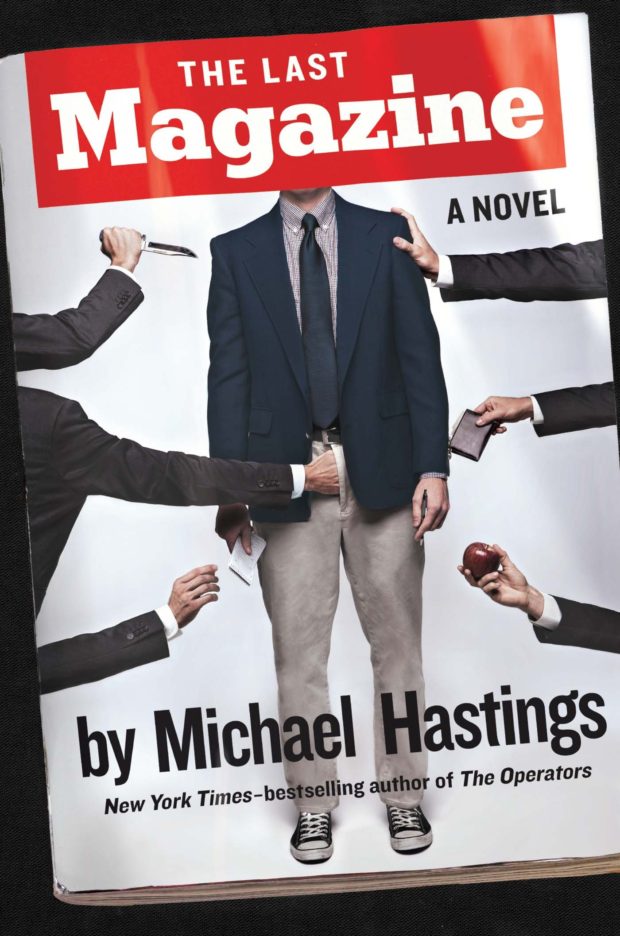
Last Magazine design Jason Booher

Jason Booher, designer and art director of Blue Rider Press and Plume, talks to Penguin Random House blog The Perch about the book cover design process:

A design can be thought of as a set of constraints or parameters. In book design, these consist of things like the conceptual literary content of the book, what makes the book unique in the context of other similar books or all books, how the author is (or is not) known, the expectations of the book from the point of view of the author/editor/sales force/readers, the context of book jacket in the contemporary moment, the context of book jackets in the last 10 (or even 20) years, visual pop culture. Or something that is obvious and not obvious is working with type is very difficult. And it perhaps the most specialized thing that graphic designers bring to that general problem solving into form.

Jason also describes how he approaches a book cover:

There’s a combination of reading the manuscript, and listening to the editor talk about the book. As an art director, I have to dip into almost all the of the books to see what they are like before deciding to whom to give each title. As a designer (if I’m working on that title’s jacket) it’s always different with every book. But as a general process I will read the book, and think and sketch, and sketch, and reread, work though a number of ideas, throw most of them out, stay with others, reread, take a walk (much harder when you are also the art director), try to come up with something new. Those are the first steps.

And how he works with other designers:

When I work with a freelancer (as well as with my in-house designers), I like to see what they come up with without any input from me. Not only are you more likely to get something special and surprising, something you couldn’t have thought of yourself (which is why art directors work with a variety of freelancers in addition to their in-house staff), but you are sending a signal of trust. If a designer knows what “kind” of design they are expected to deliver, they might not push very far or hard. But if they take ownership of being the first arbiters of what the package of the book might be, there is more of a chance for something brilliant. I’m just trying to maximize the talent I have working with me.

With my in house staff, it is similar but there might also be a concept that is floating that we will work with. Or occasionally I’ll work with one designer or my whole team to come up with  ideas together. That’s an exception though, and cover design is generally a sole enterprise in the initial stages. Then it becomes a collaboration when I see comps, and goes from there.

Read the whole interview here.

Comments closed
52 Women Book Cover Designers

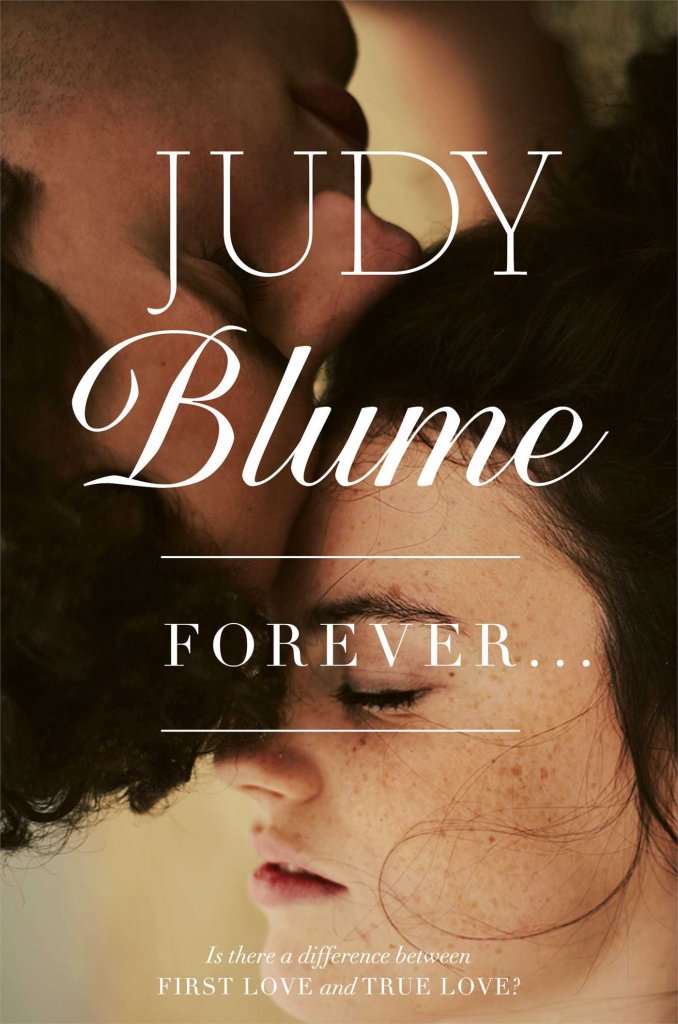
If you follow the Casual Optimist on Twitter, you will know that a couple of weeks ago design studio Aishima asked people to tweet about inspiring women graphic designers using the hashtag #celebratewomen. As today is International Women’s Day, I thought I would follow up my #celebratewomen tweets with a visual list of 52 inspiring women book cover designers (one for every week of the year!) — from influential veterans whose work I’ve admired for years to junior designers that have just appeared on my radar.

The names of all 52 designers can be found at the end of the post. With a few more hours in a day the list could easily have been many times longer, so apologies to anyone I have overlooked. Please let me know who you would’ve included in the comments or on Twitter.

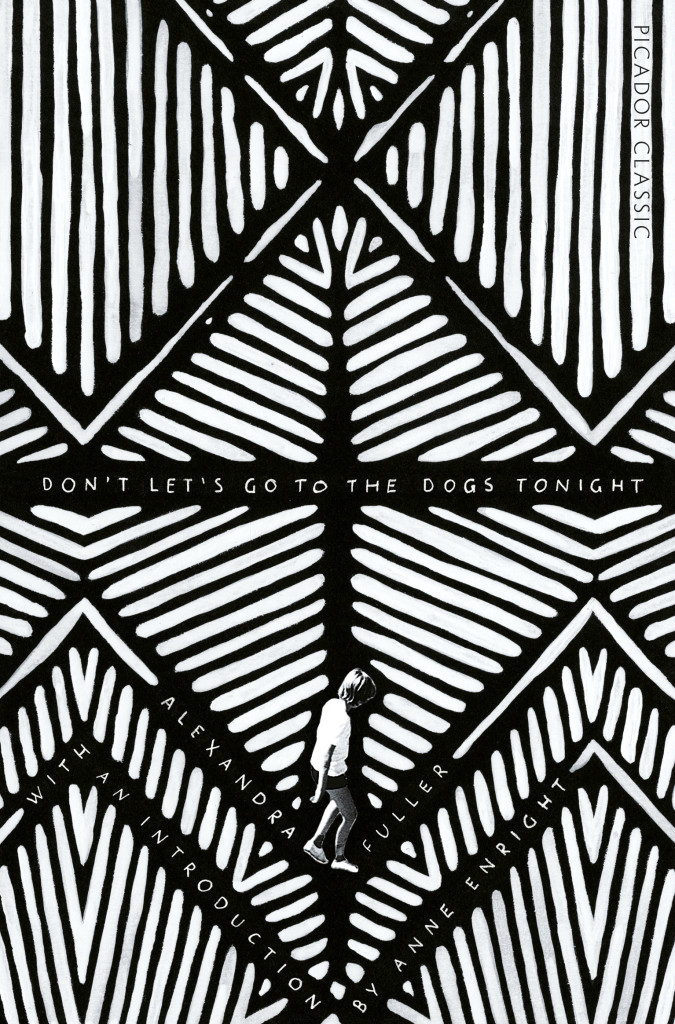
Don't Let's Go To the Dogs Tonight by Alexandra Fuller; design by Justine Anweiler (Picador / January 2015)

Justine Anweiler


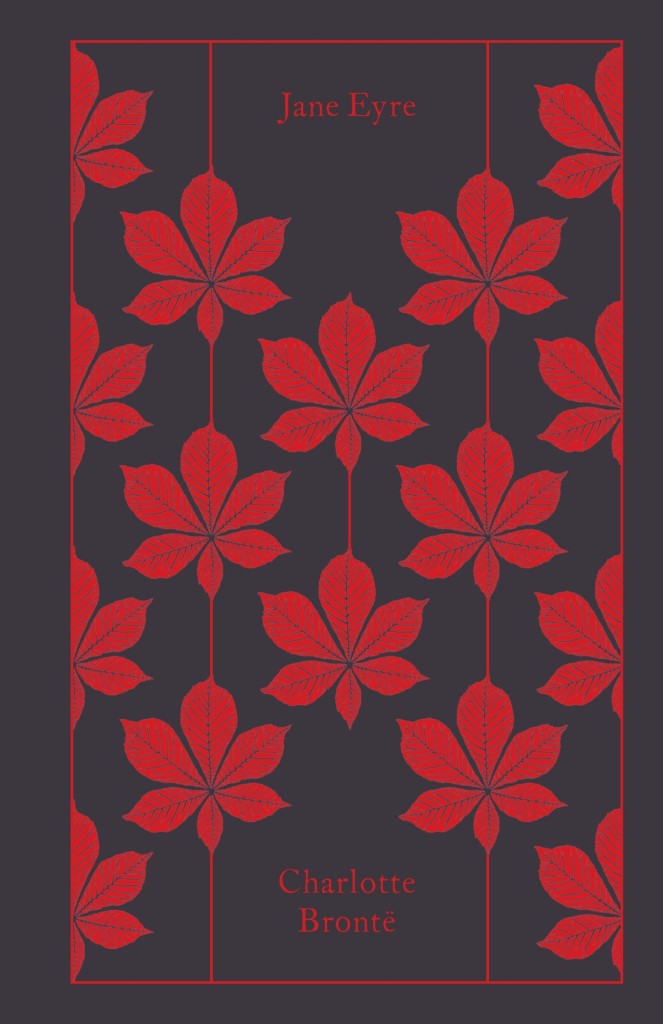
Jane Eyre Clothbound design Coralie Bickford Smith

Coralie Bickford-Smith


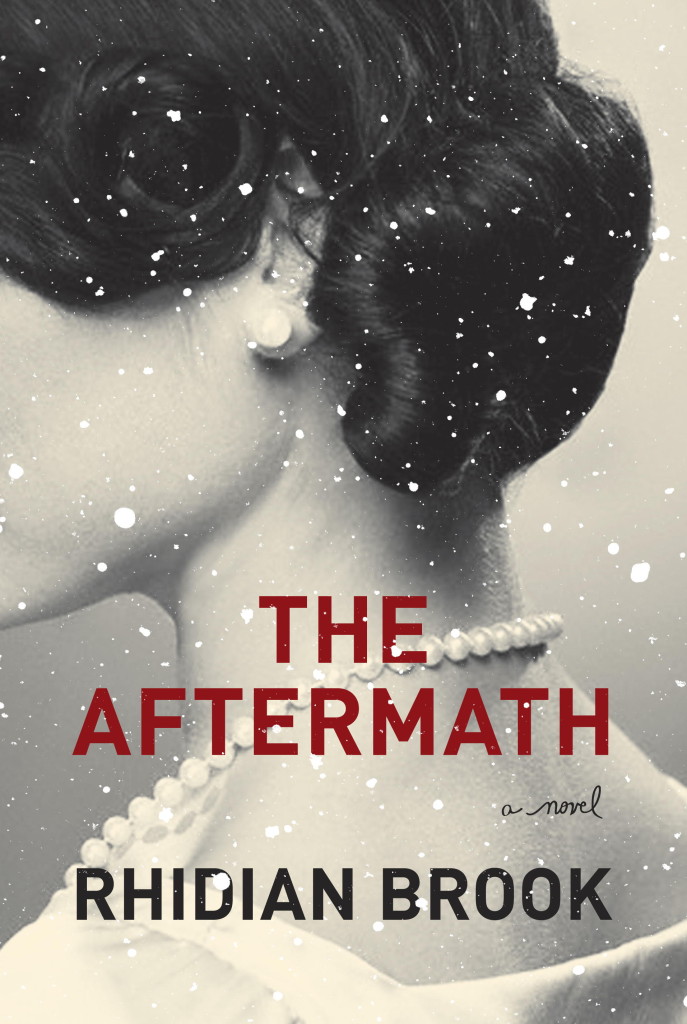
Aftermath design Kelly Blair

Kelly Blair


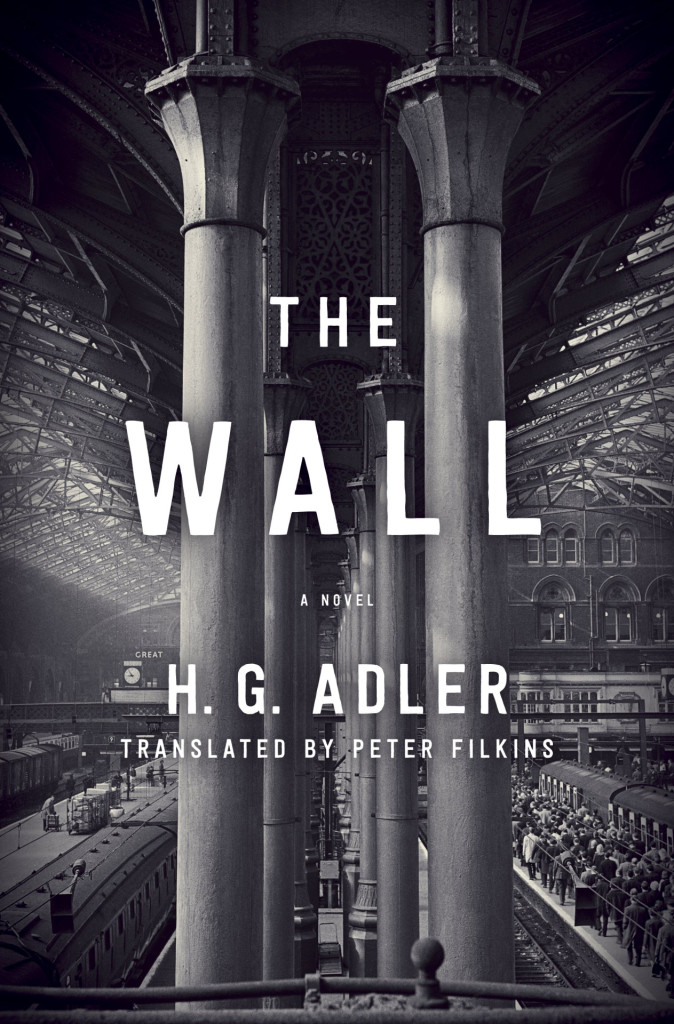
The Wall design Gabrielle Bordwin photograph John Gay

Gabrielle Bordwin


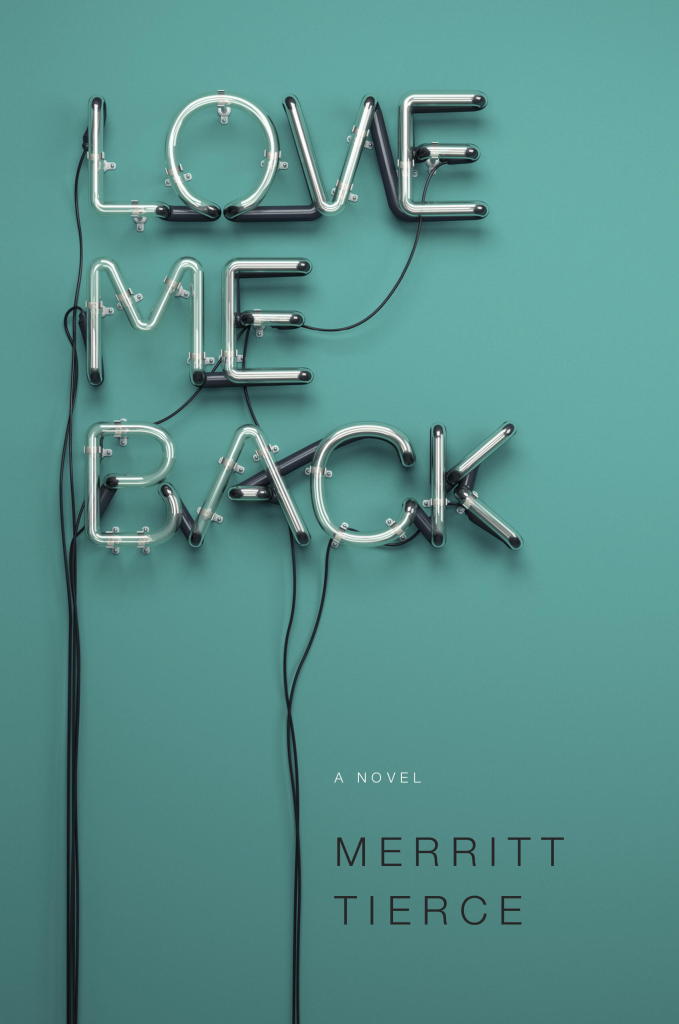
forever design Lizzy Bromley

Lizzy Bromley


On-the-Noodle-Road

Lynn Buckley


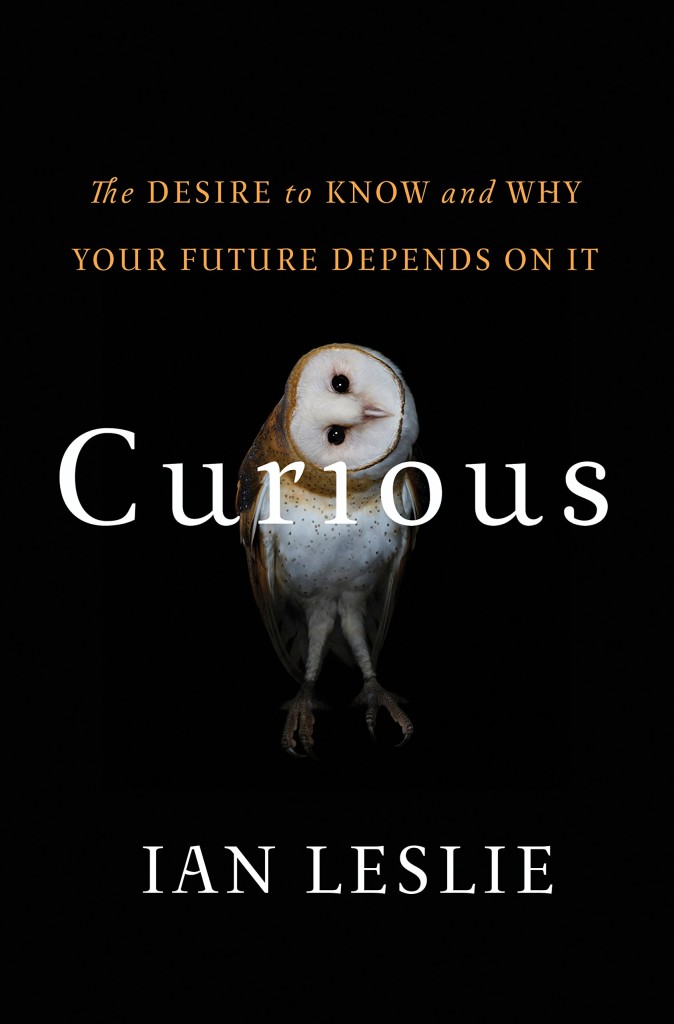
Curious design Nicole Caputo

Nicole Caputo


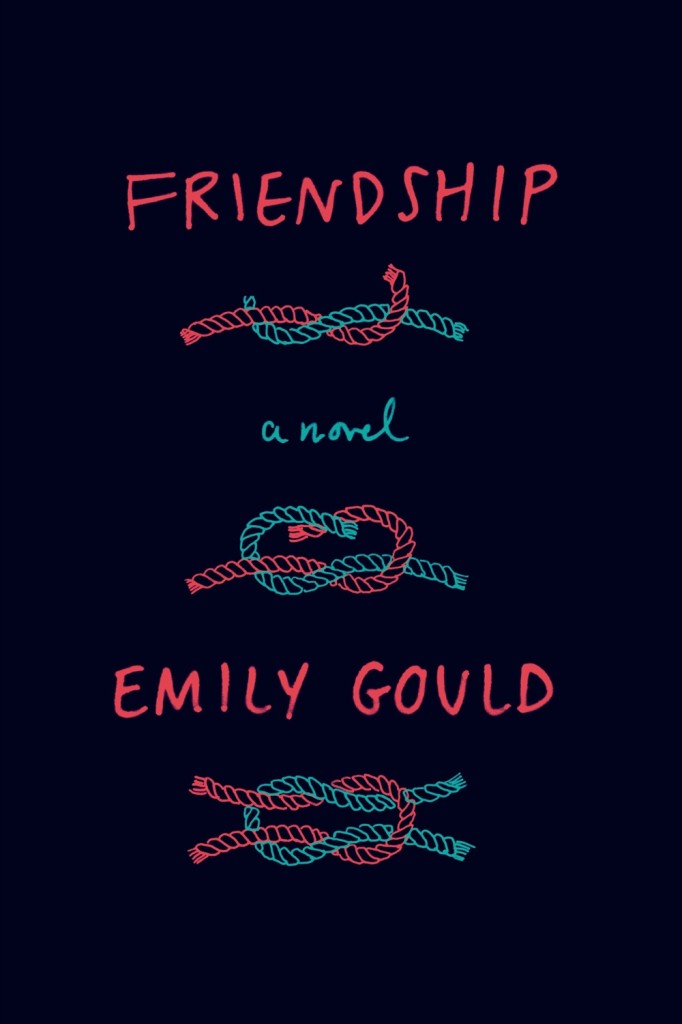
friendship_gould

Jennifer Carrow


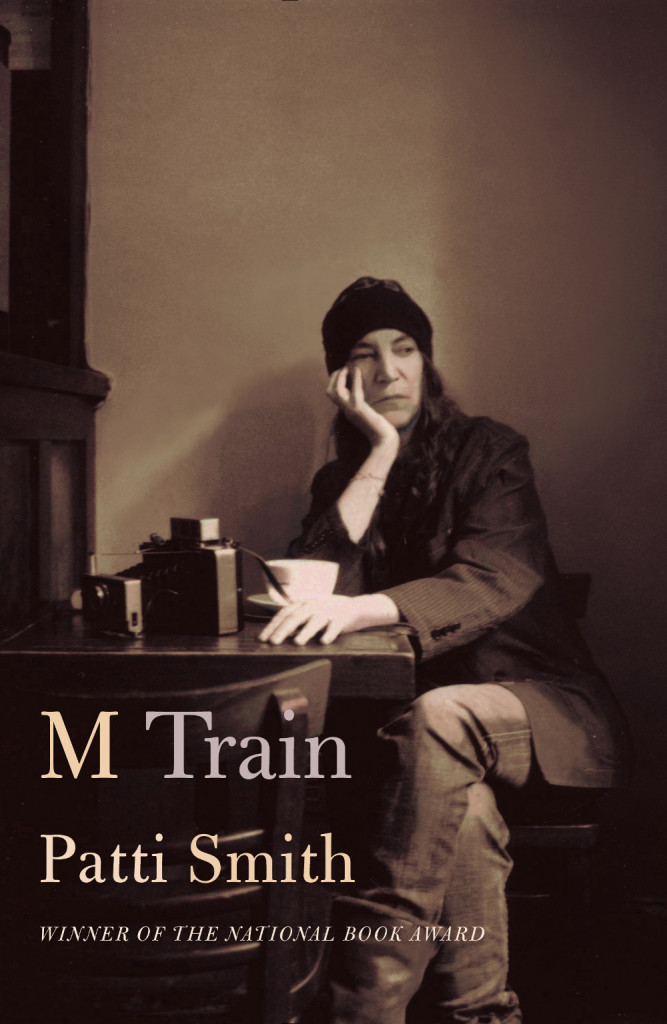
m train design carol devine carson

Carol Devine Carson


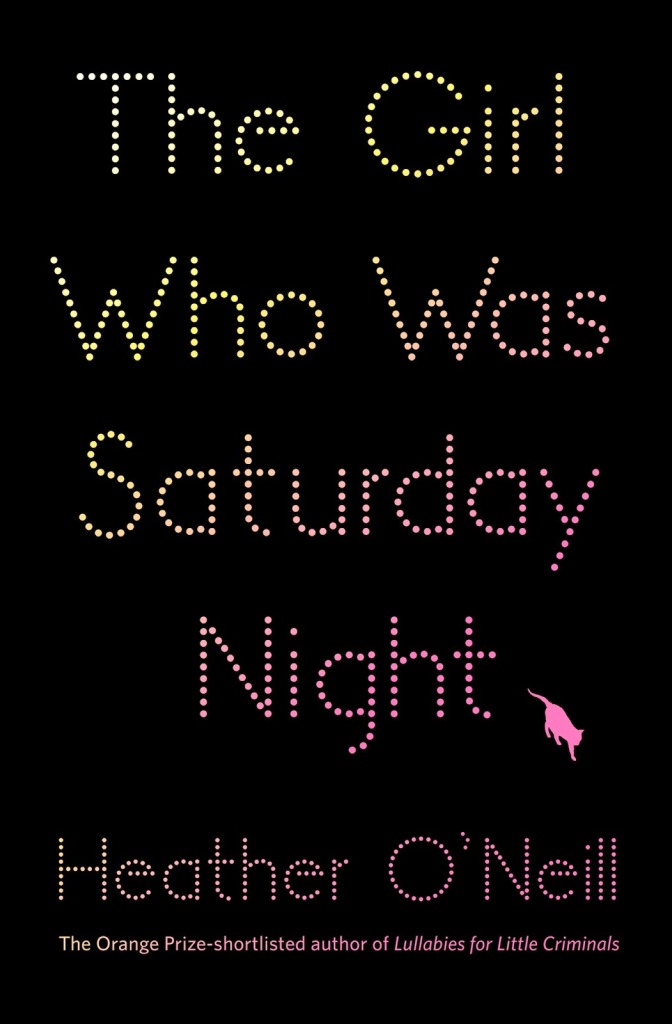
Girl-Who-Was-Saturday-Night

Catherine Casalino


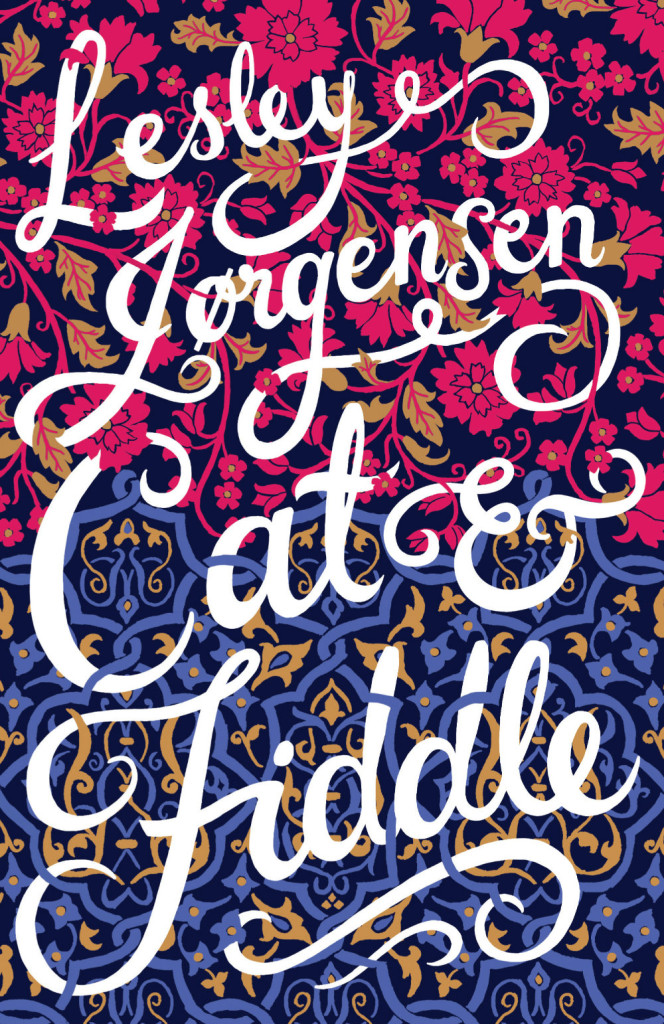
Cat and Fiddle design Allison Colpoys

Allison Colpoys


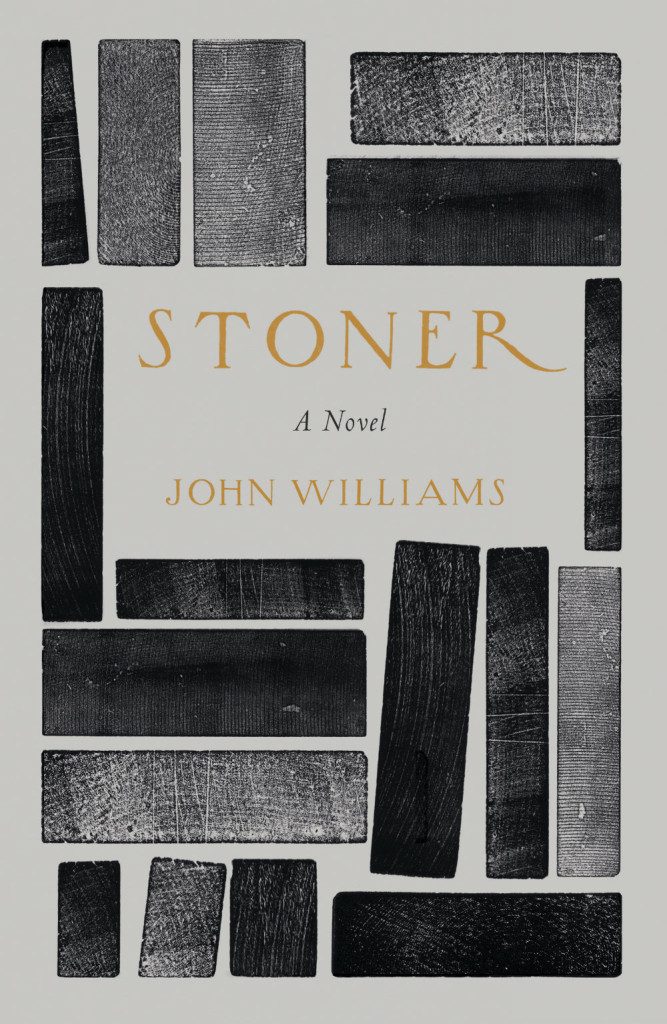
Stoner (hardback)

Julia Connolly


Holloway

Eleanor Crow


100-sideways-miles-9781442444959_hr

Lucy Ruth Cummins


First Novel design Suzanne Dean photograph Stephen Banks

Suzanne Dean


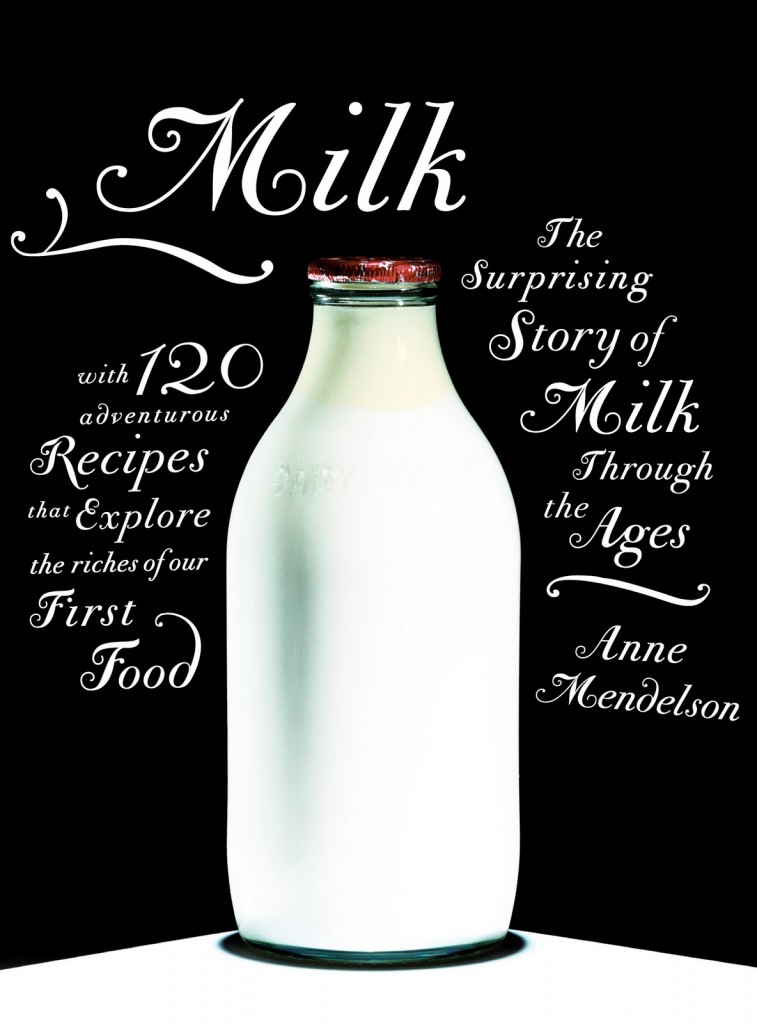
Milk

Barbara deWilde


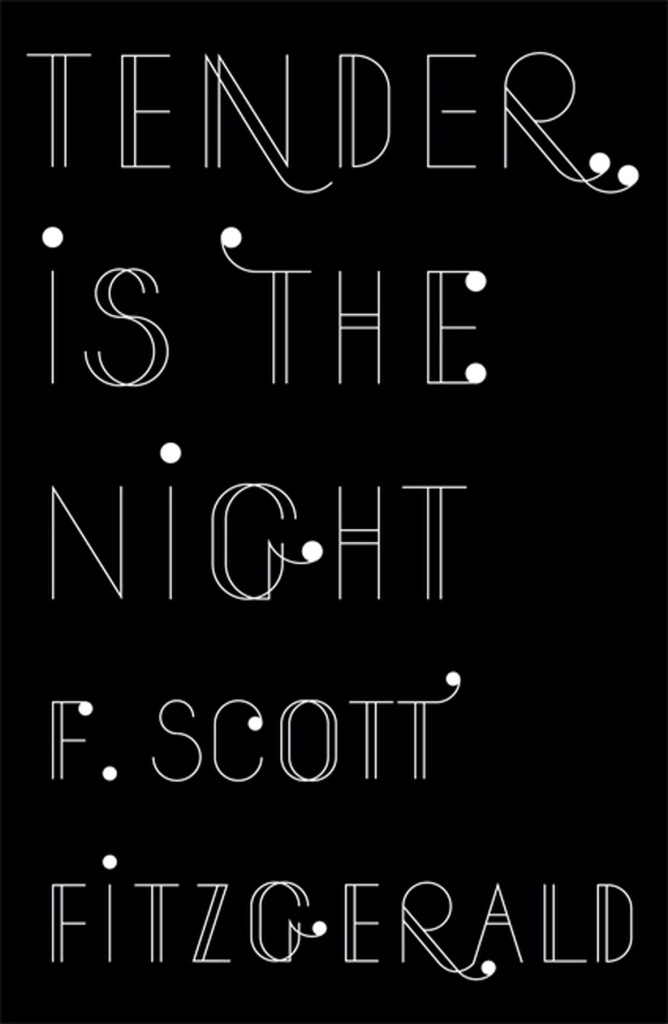
tender-is-the-night

Sinem Erkas


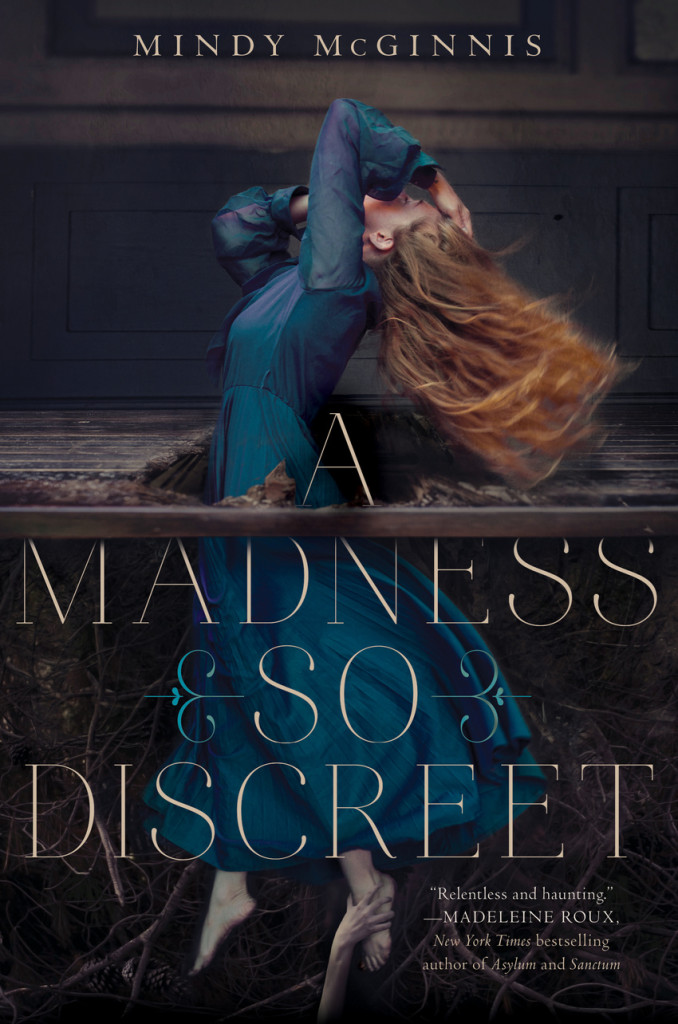
Madness So Discreet design Erin Fitzsimmons

Erin Fitzsimmons


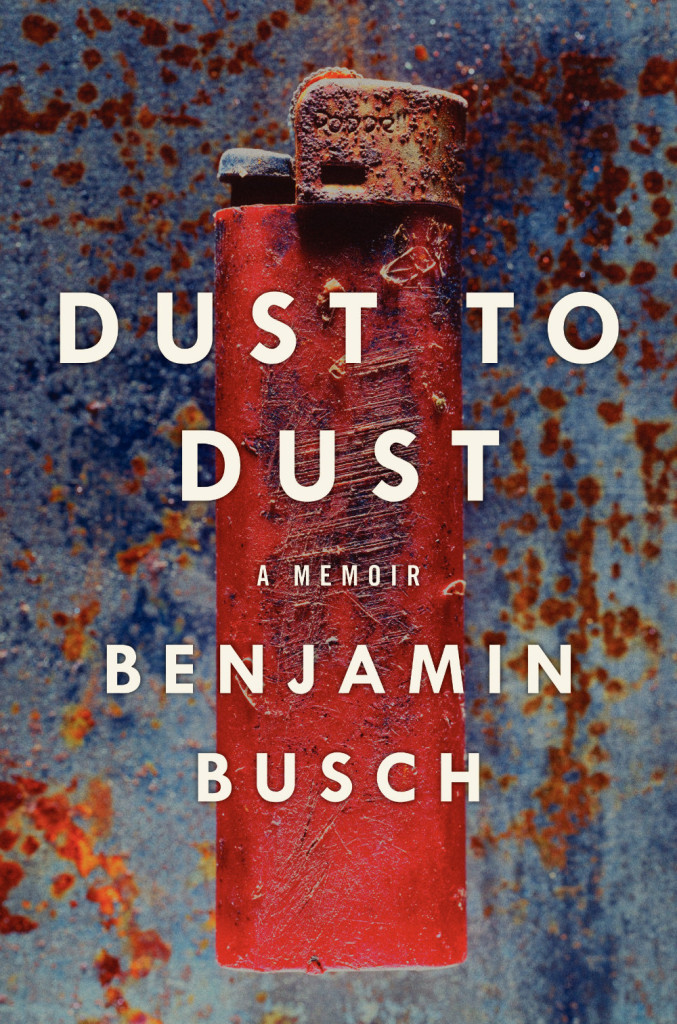
Dust to Dust design Alison Forner

Alison Forner


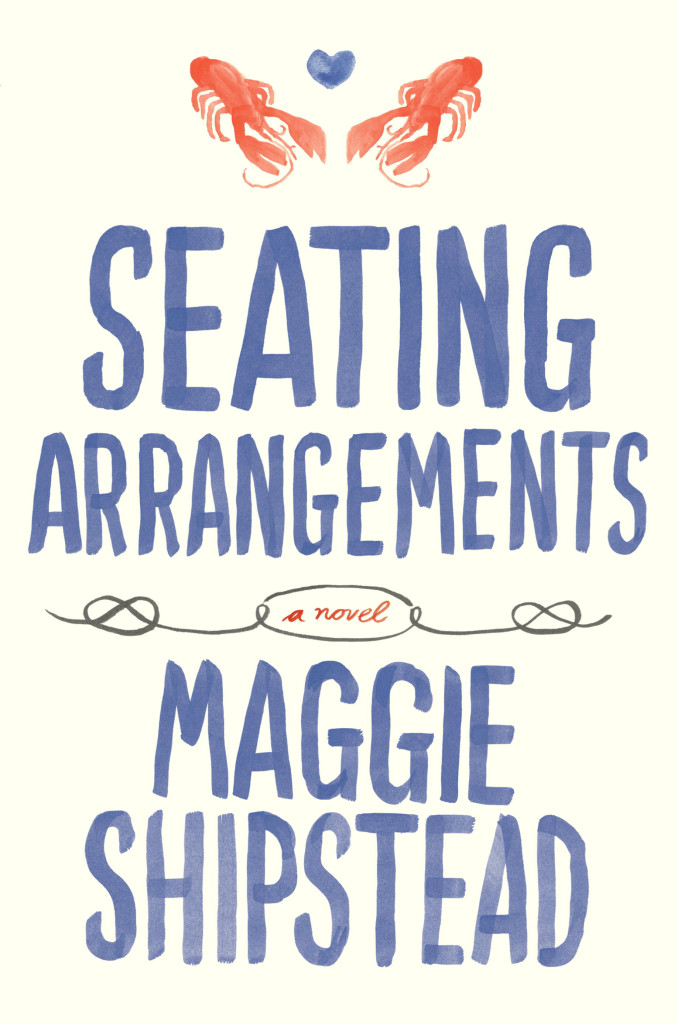
Seating Arrangements design Elena Giavaldi

Elena Giavaldi


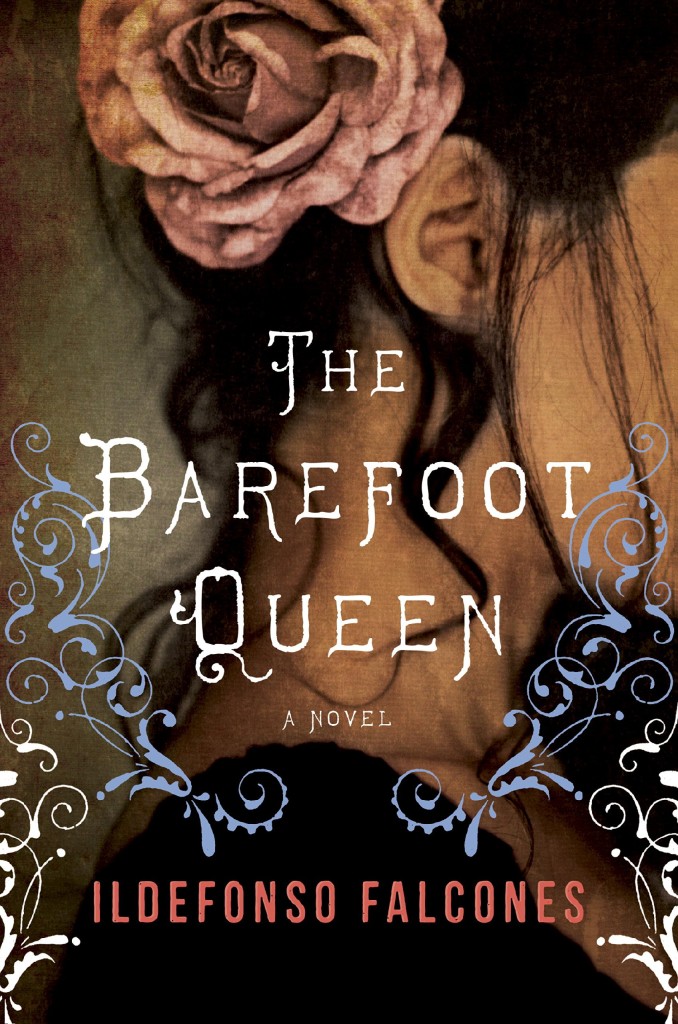
barefoot queen design Kimberly Glyder

Kimberly Glyder


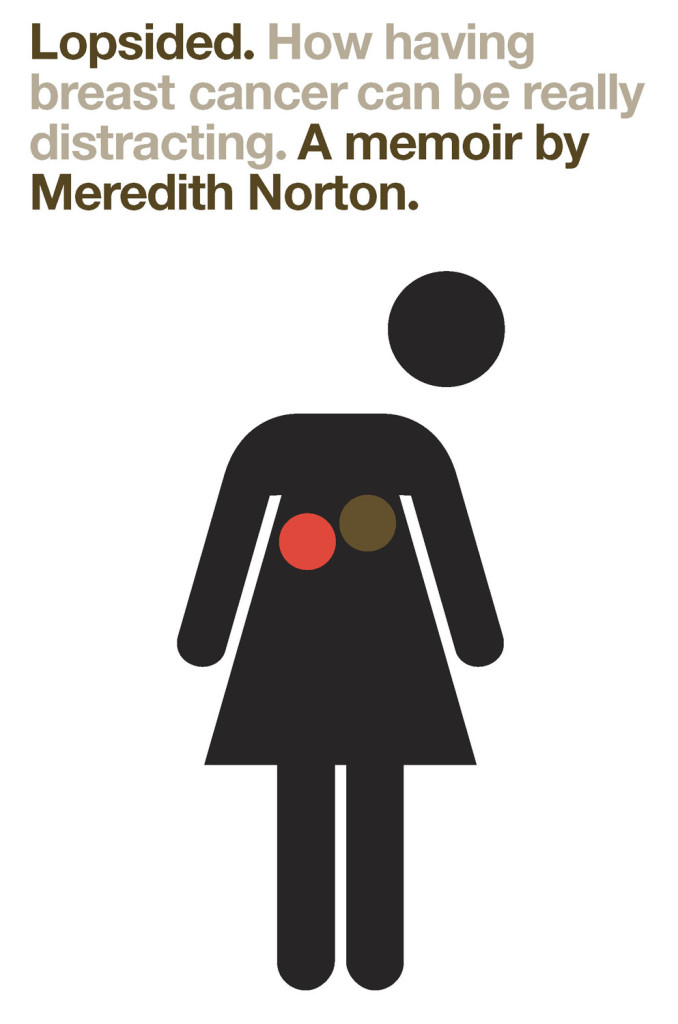
Lopsided design by Carin Goldberg

Carin Goldberg


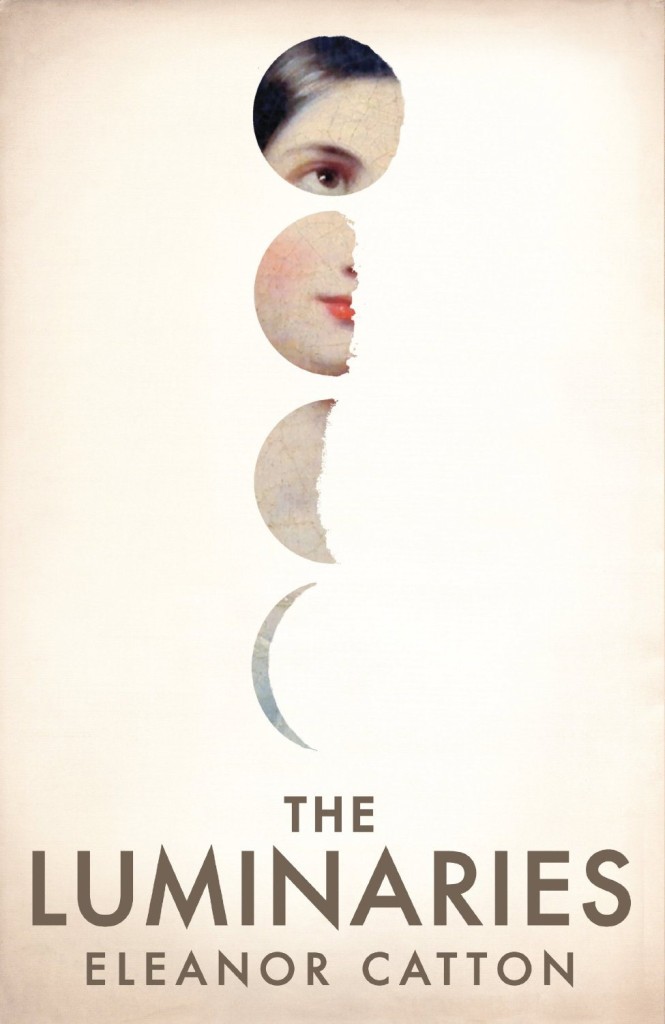
luminaries

Jenny Grigg


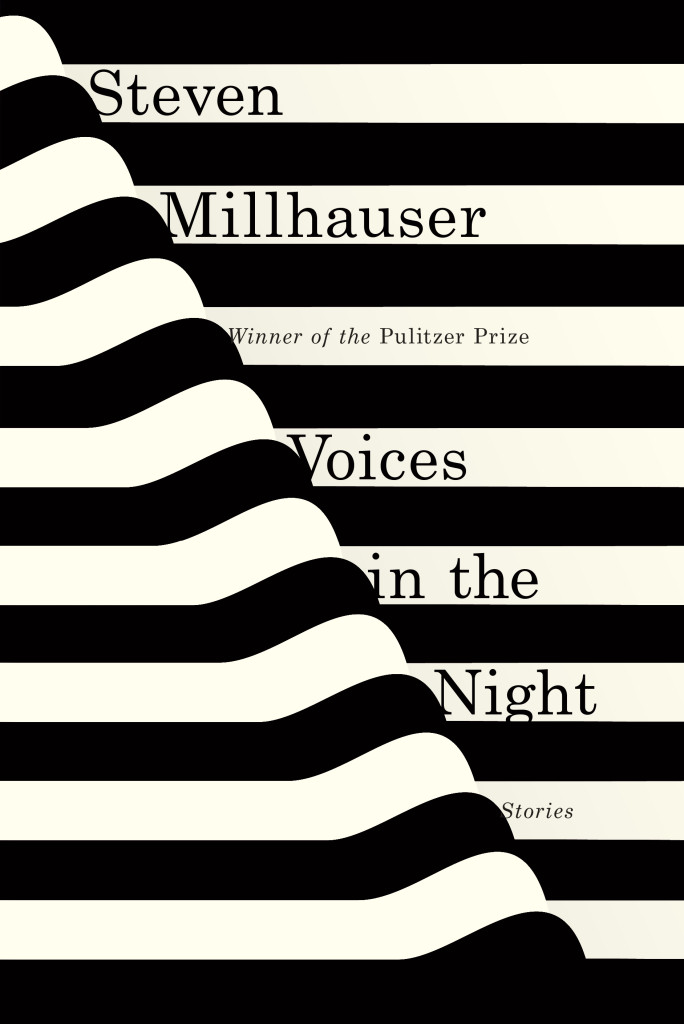
Voices in the Night by Steven Millhauser; design by Janet Hansen (Knopf / April 2015)

Janet Hansen


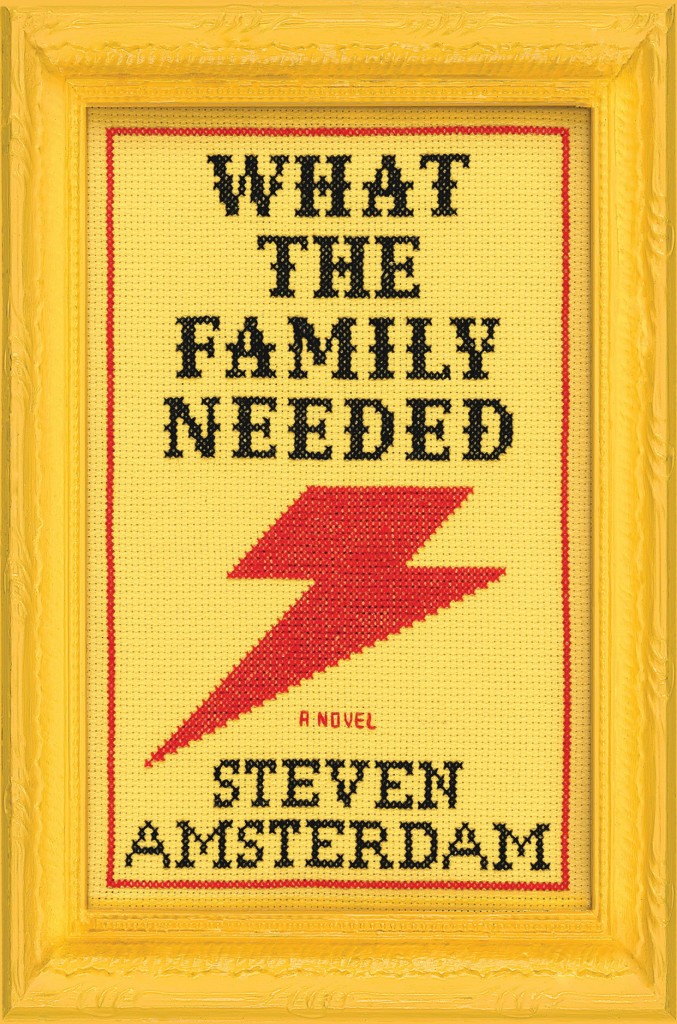
What the Family Needed

Jennifer Heuer


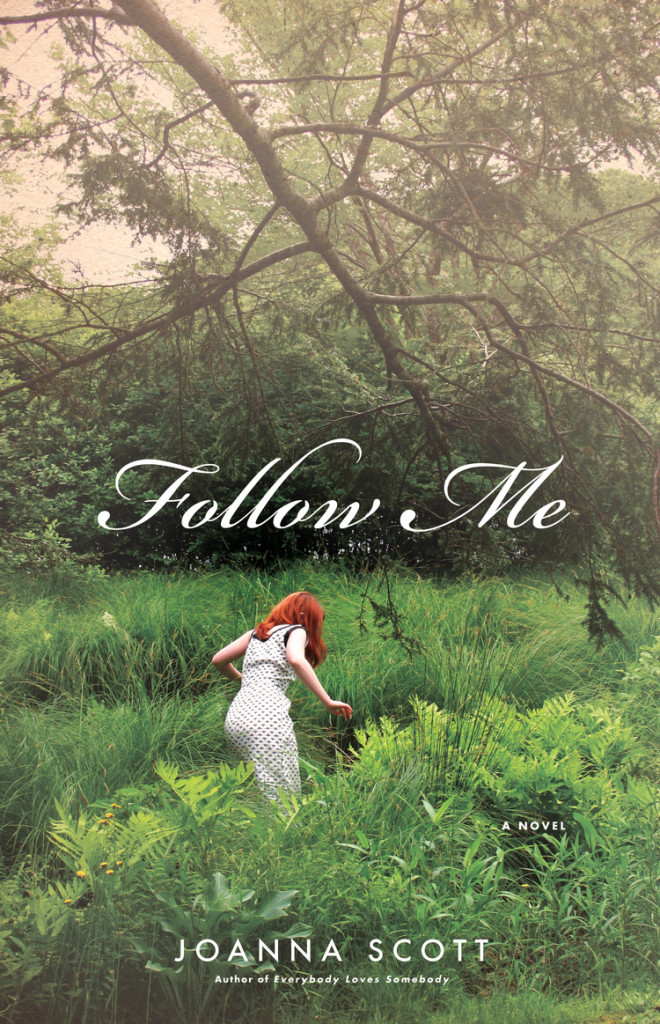
follow me design Karen Horton

Karen Horton


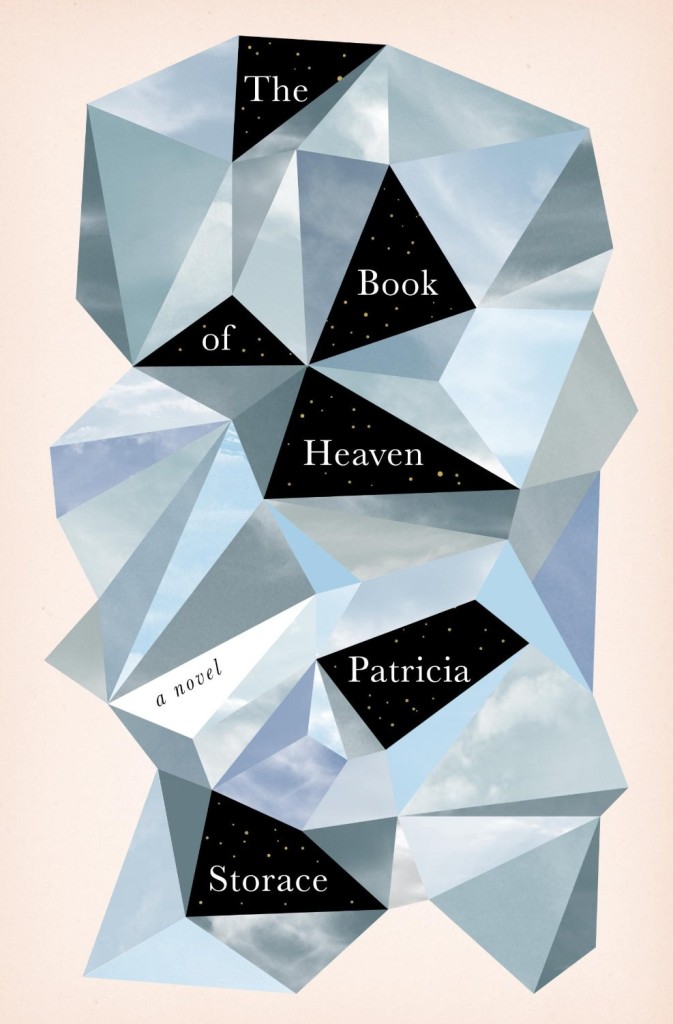
book-of-heaven

Linda Huang


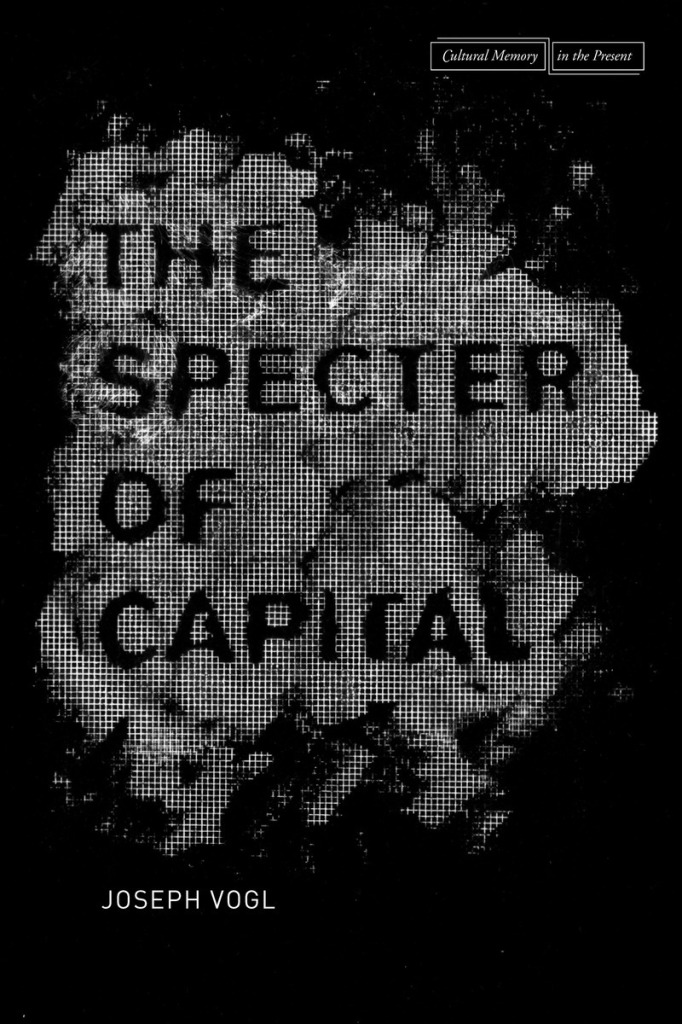
specter-of-capital

Anne Jordan


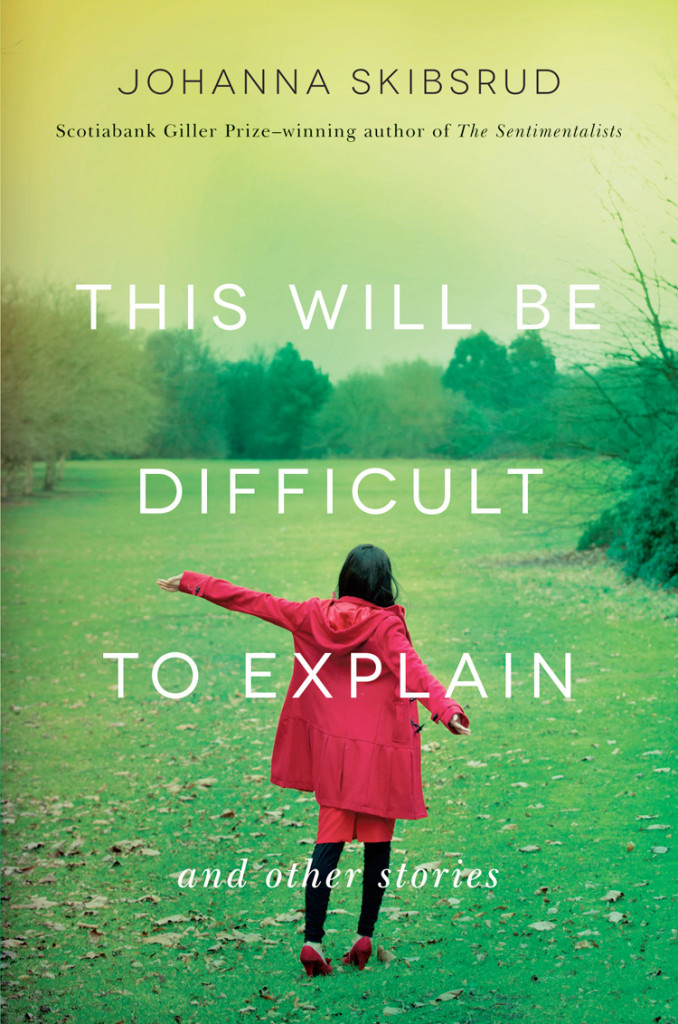
This Will Be Difficult to Explain design Chin Yee Lai

Chin-Yee Lai


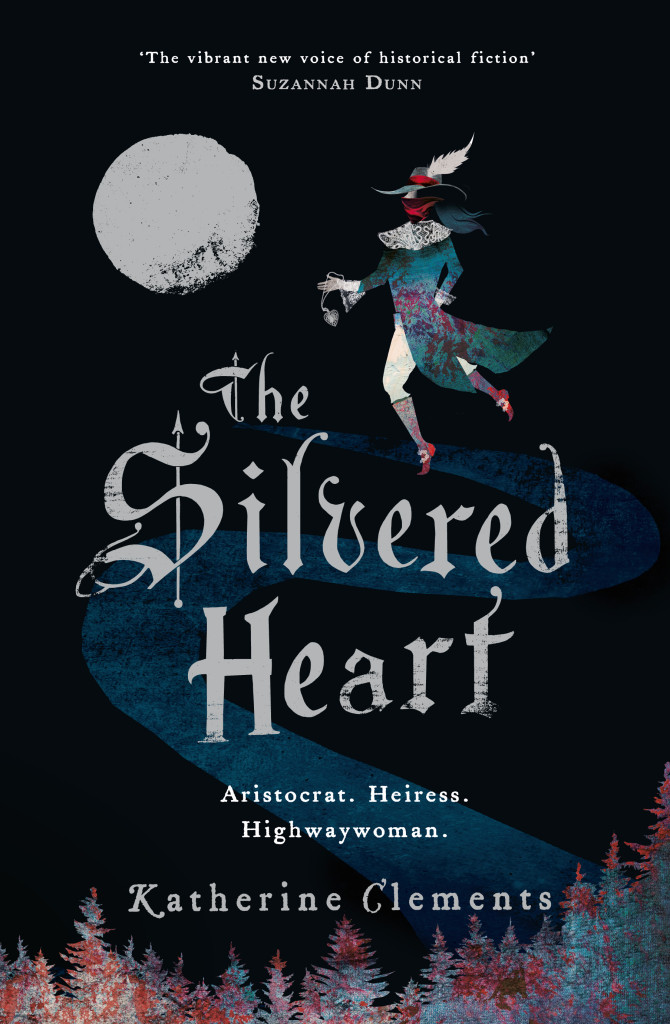
Silvered Heart TBK.indd

Yeti Lambregts


978-0-385-53807-7

Emily Mahon


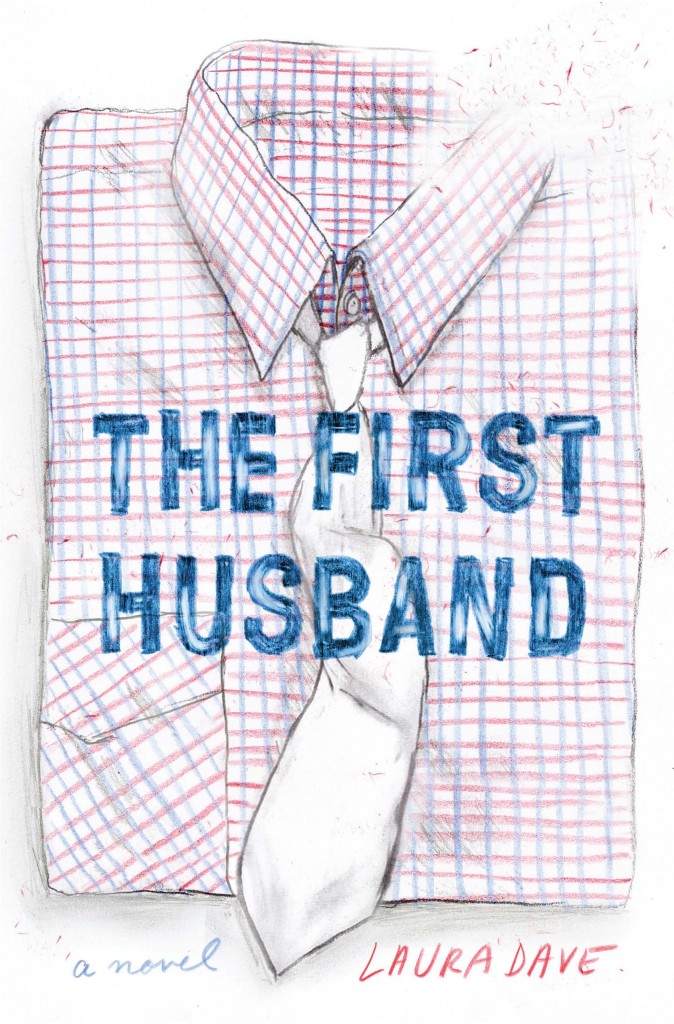
first husband

Jaya Miceli


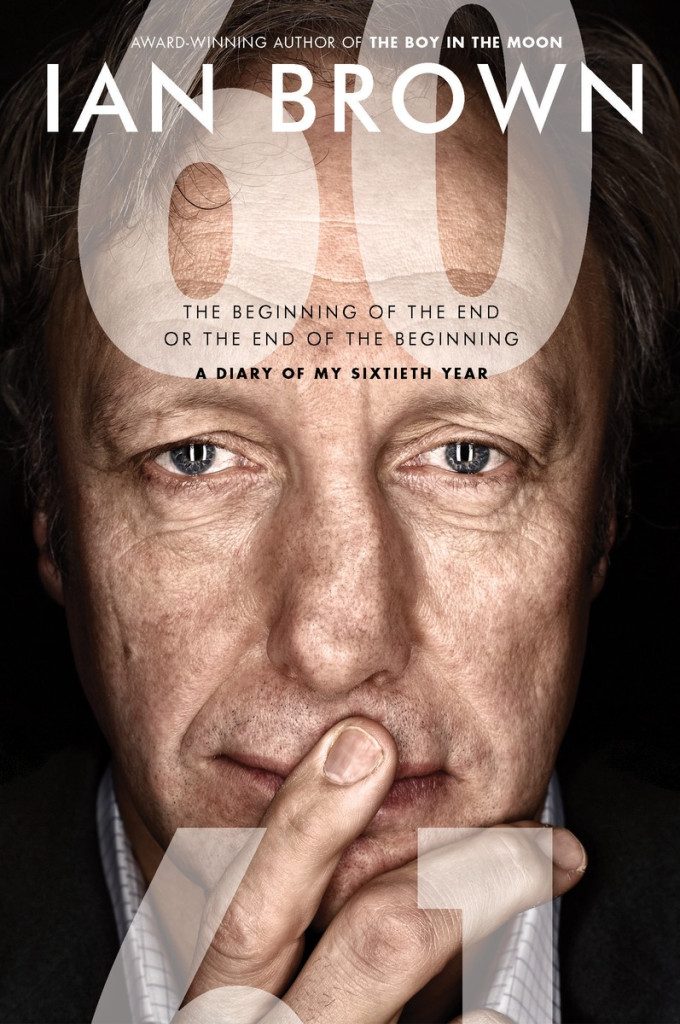
Sixty design by Terri Nimmo

Terri Nimmo


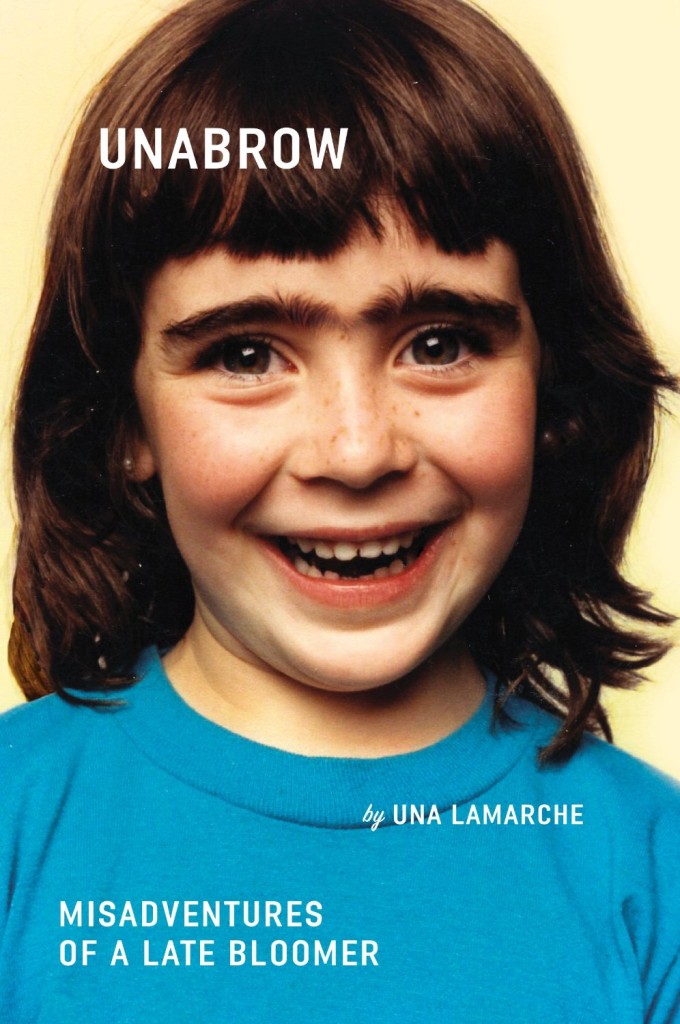
Unabrow by Una Lamarche; design by Zoe Norvell (Plume / March 2015)

Zoe Norvell


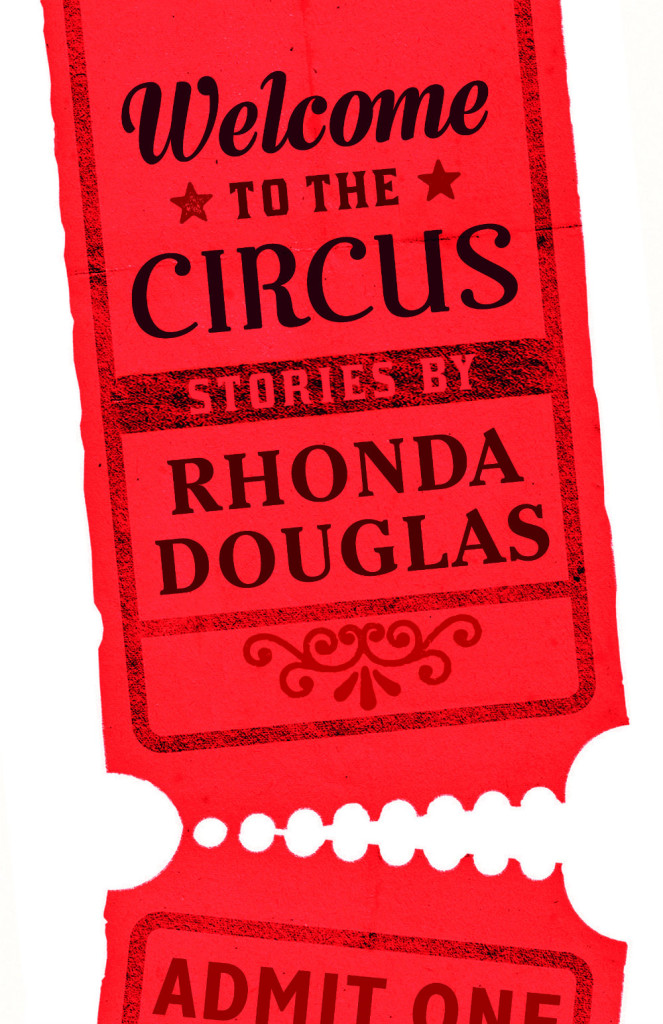
Welcome to the Circus design Natalie Olsen

Natalie Olsen


Untitled-1

Lauren Panepinto


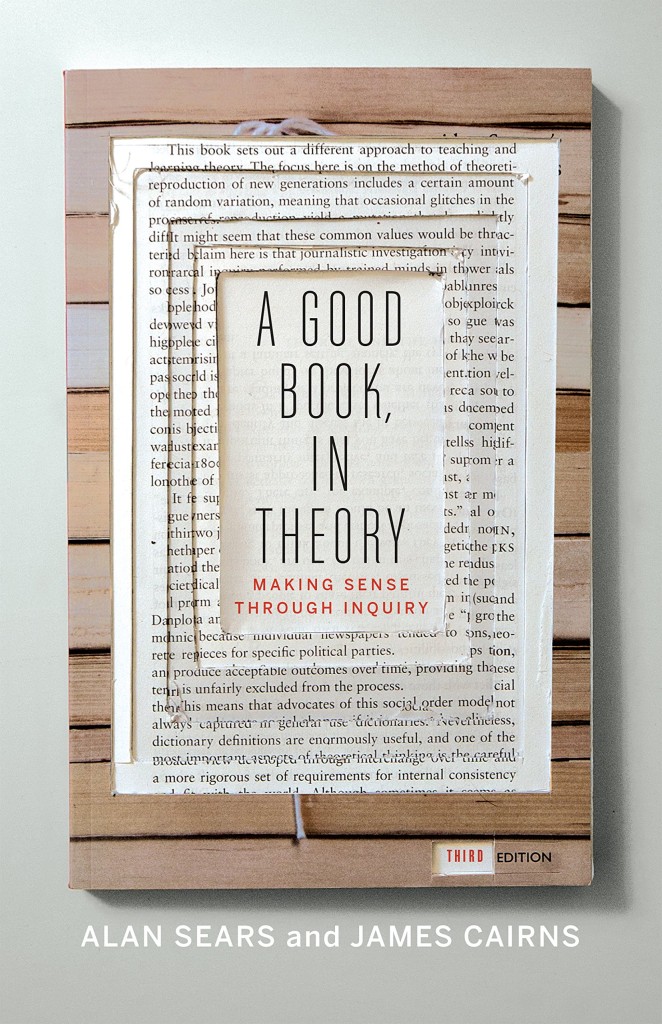
A Good Book design Ingrid Paulson

Ingrid Paulson


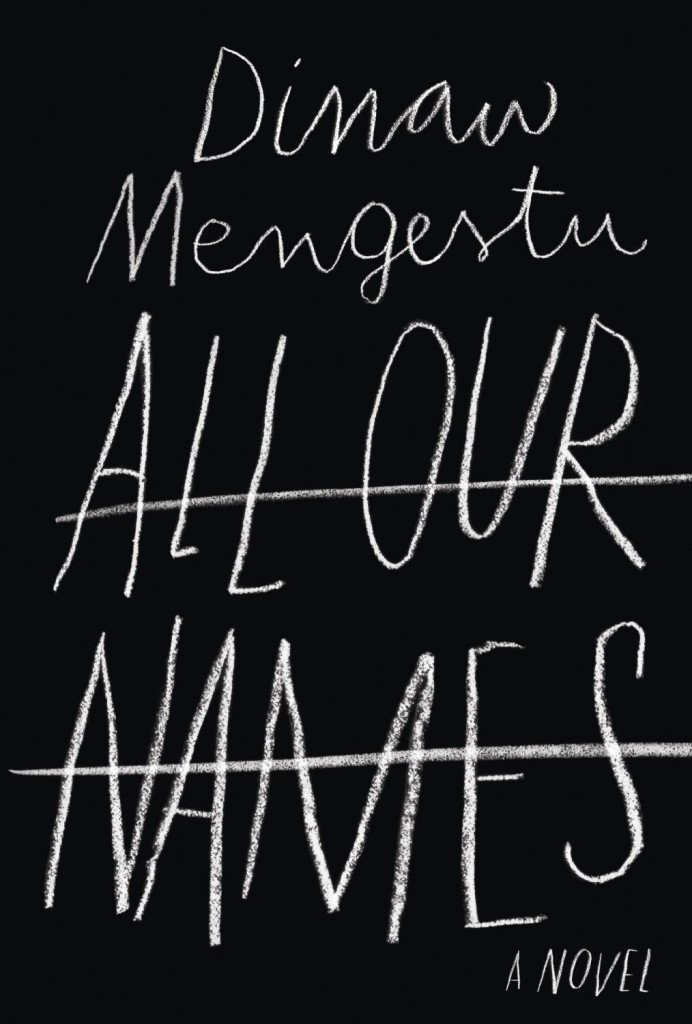
all-our-names

Isabel Urbina Peña


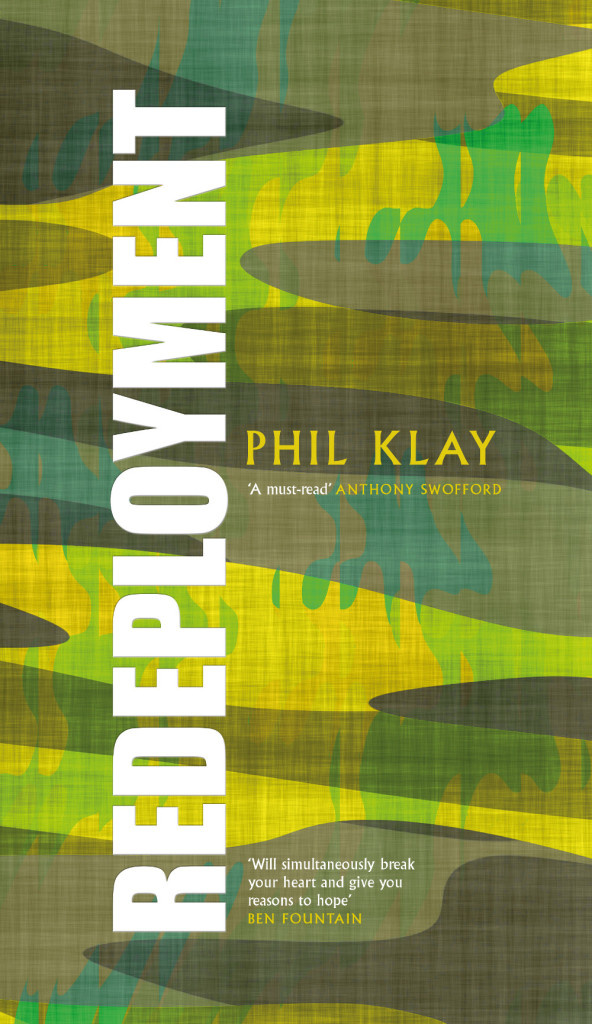
Redeployment design Rafi Romaya

Rafi Romaya


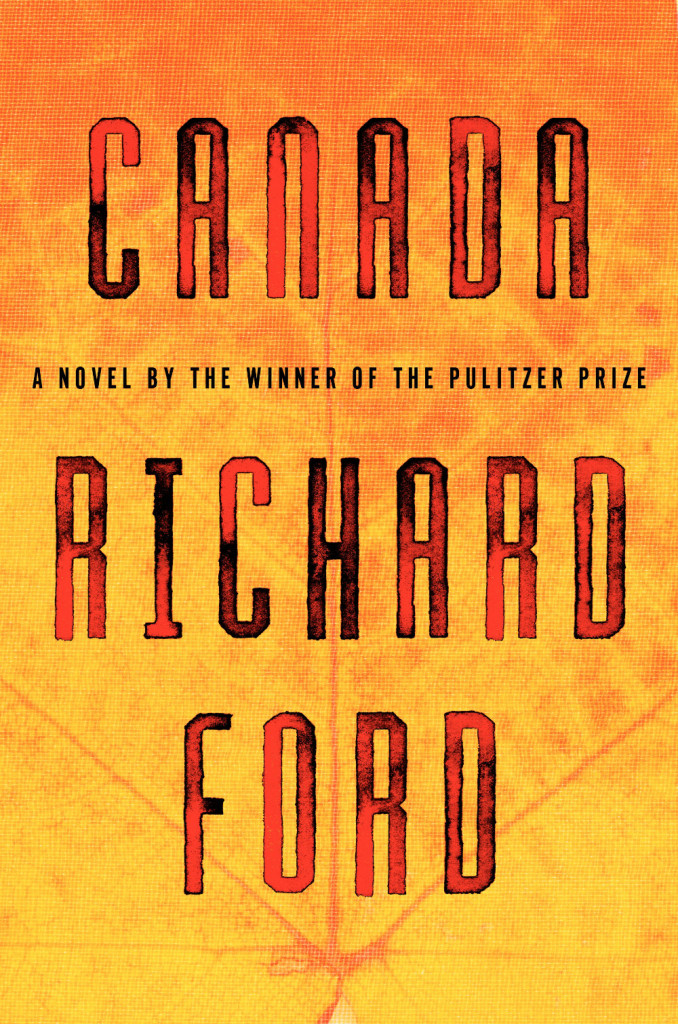
Canada design by Allison Saltzman

Allison Saltzman


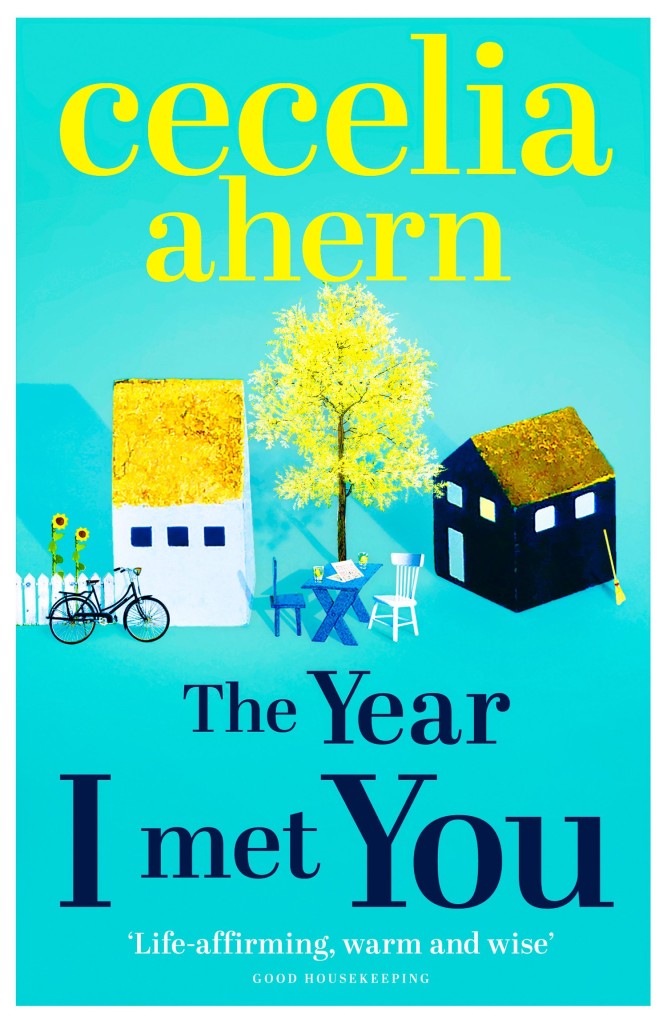
Year I Met You design Heike Schussler

Heike Schüssler


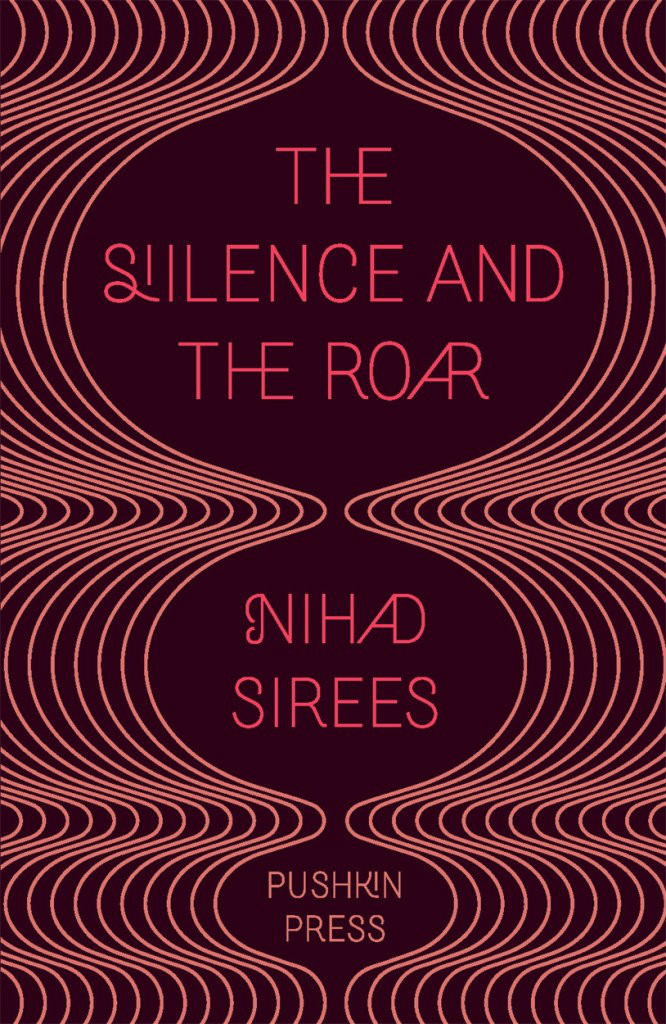
silence

Clare Skeats


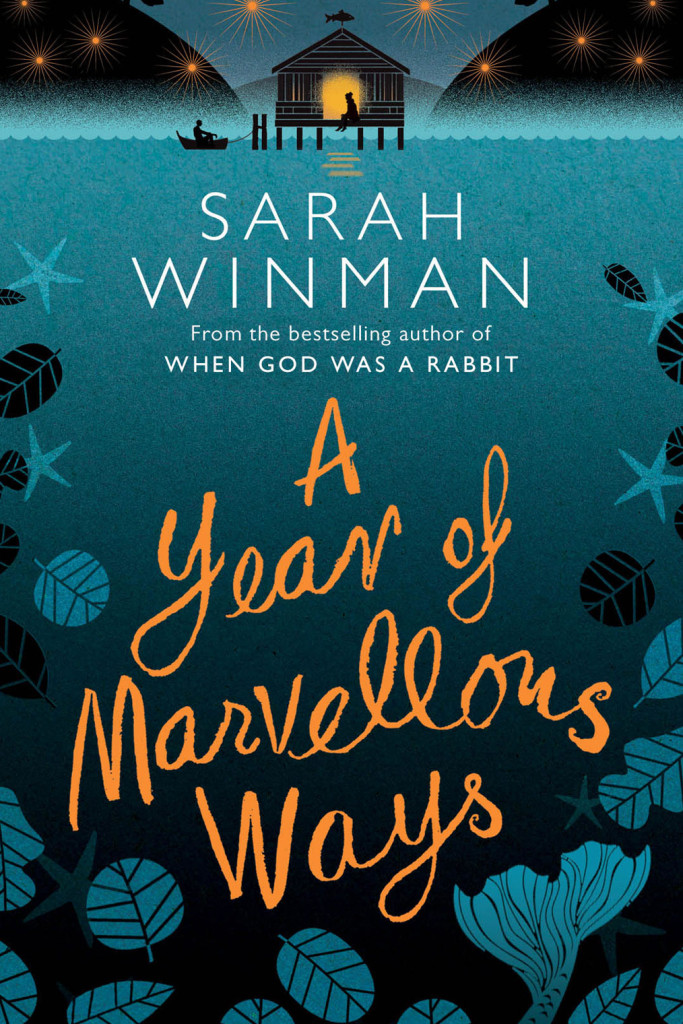
A Year of Marvellous Ways design by Amy Smithson

Ami Smithson / Cabin


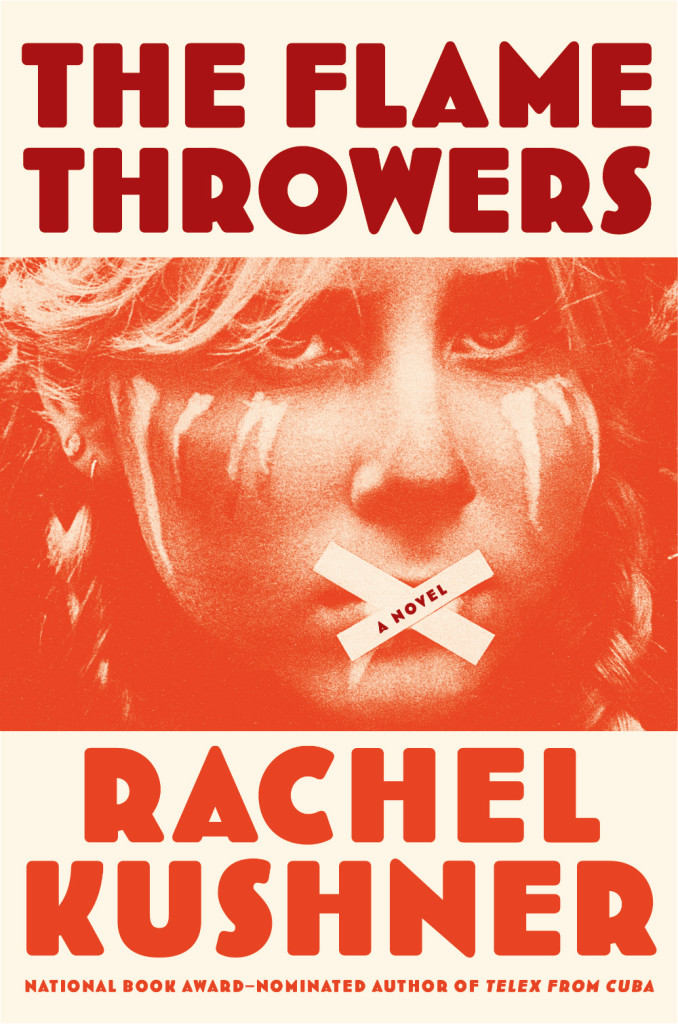
flamethrowers design Charlotte Strick

Charlotte Strick


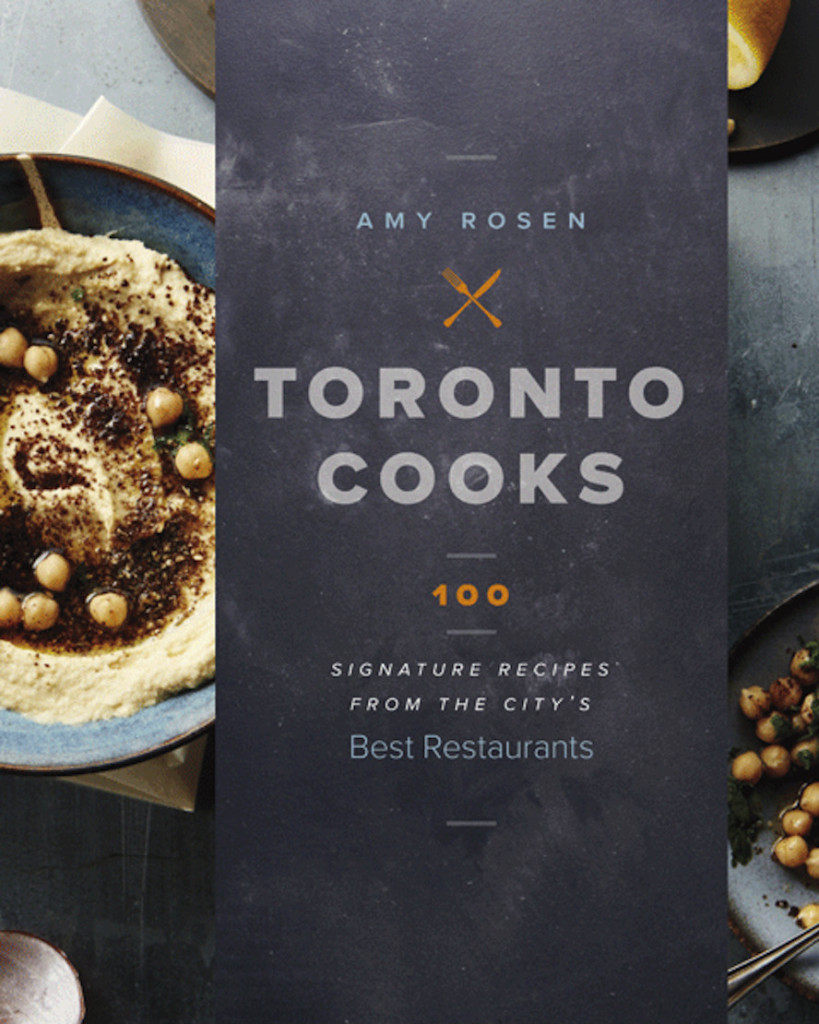
Toronto Cooks design Jess Sullivan

Jess Sullivan


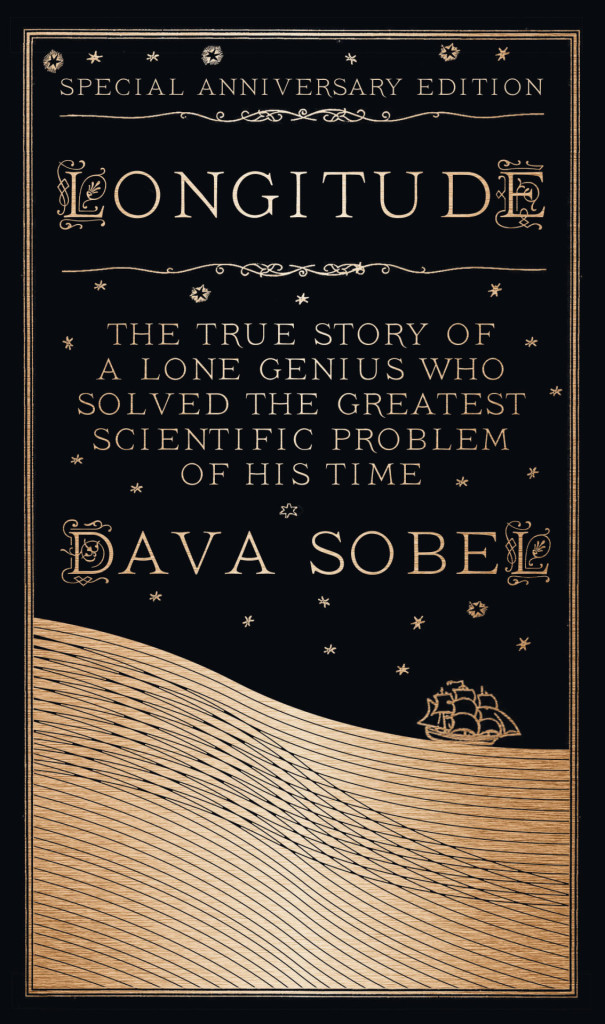
Longitude design Jo Walker

Jo Walker


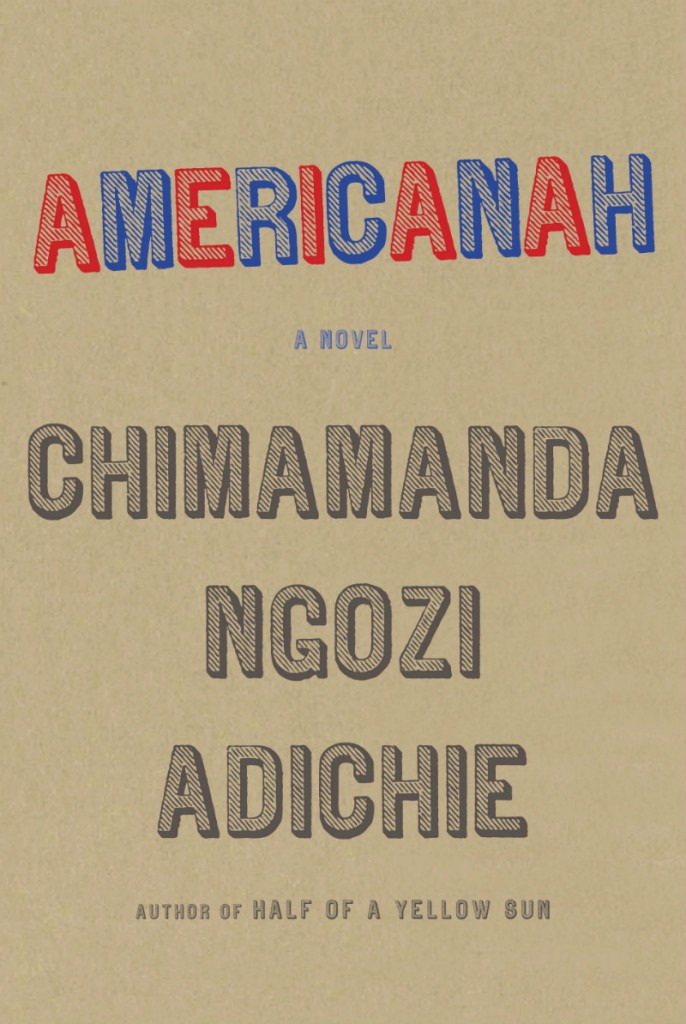
Americanah

Abby Weintraub


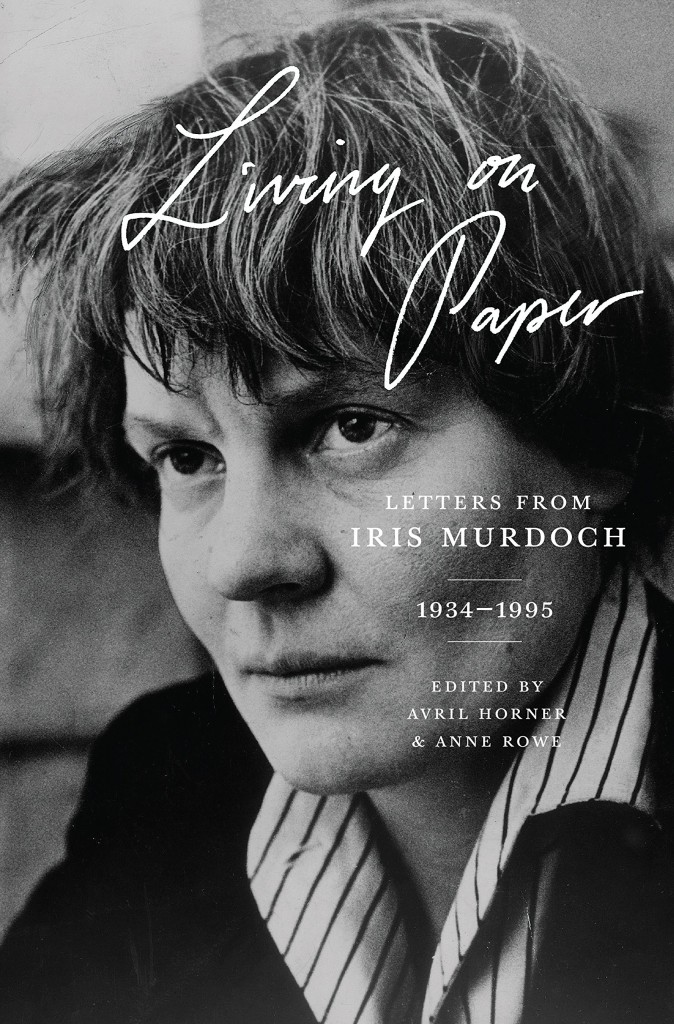
Living on Paper design by Amanda Weiss

Amanda Weiss


Barbara the Slut by Lauren Holmes; design by Rachel Willey (Riverhead / August 2015)

Rachel Willey


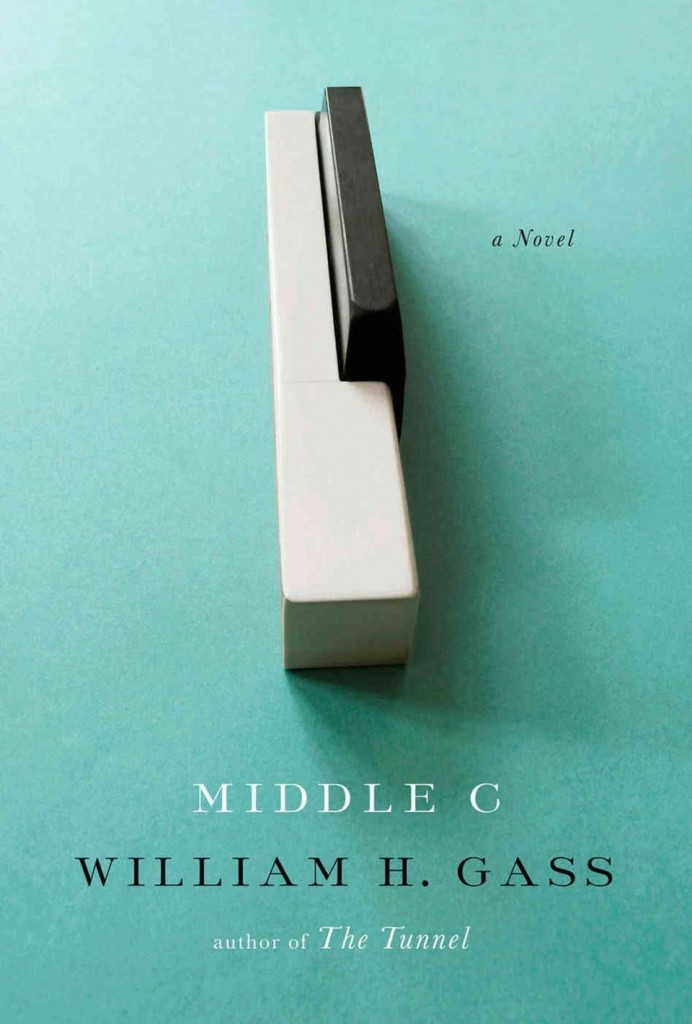
middle-c_

Gabriele Wilson


Design Megan Wilson, photograph Saul Leiter

Megan Wilson


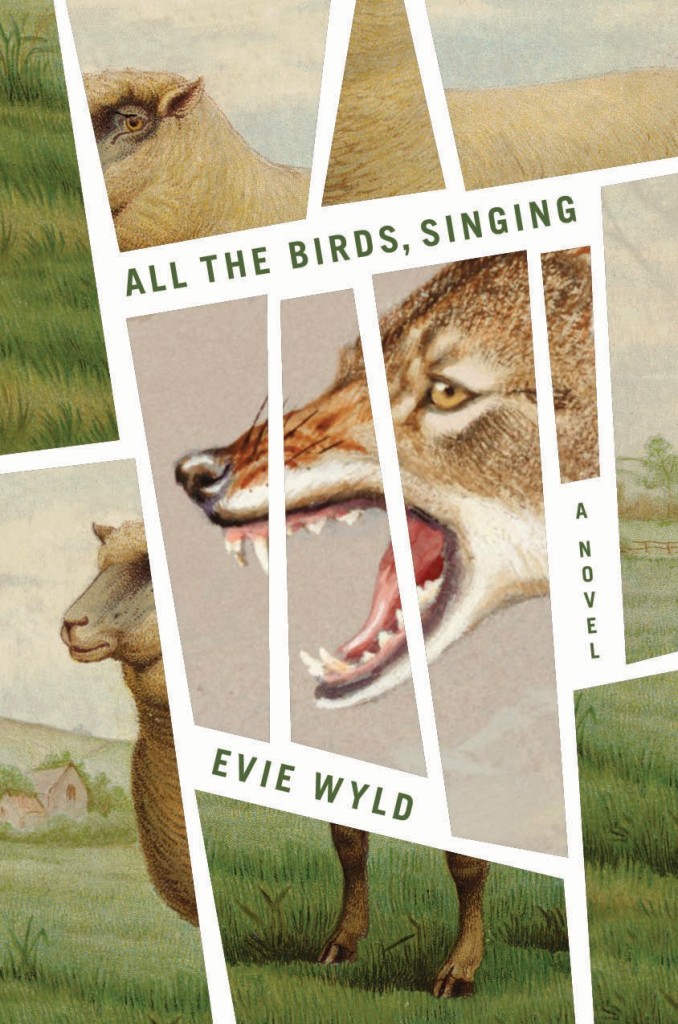
All the Birds design by Joan Wong

Joan Wong


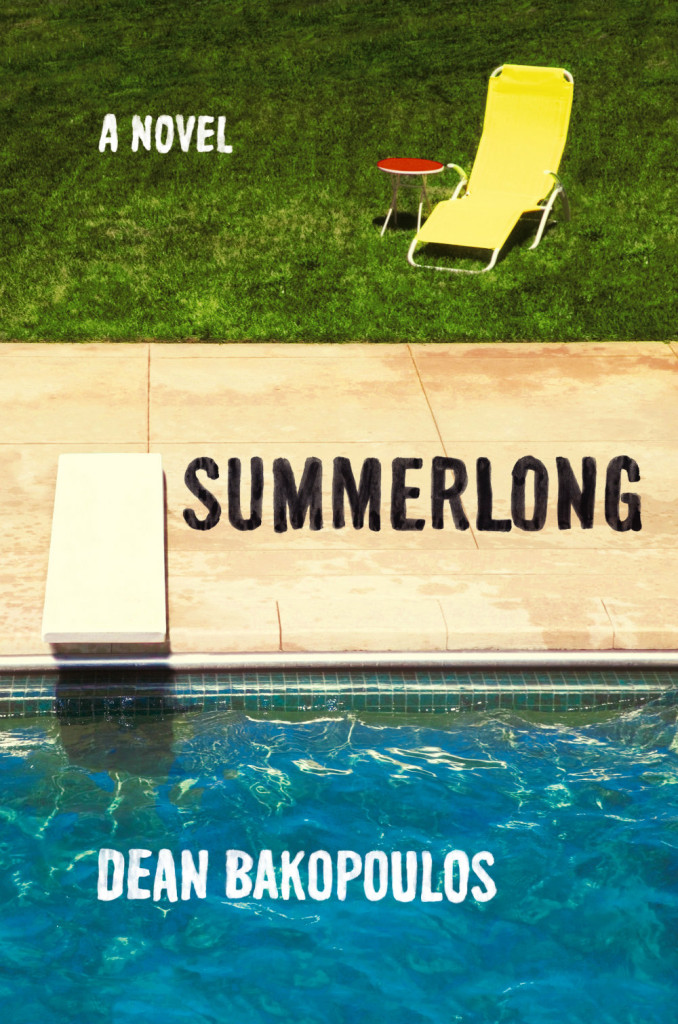
Summerlong design Sara Wood

Sara Wood


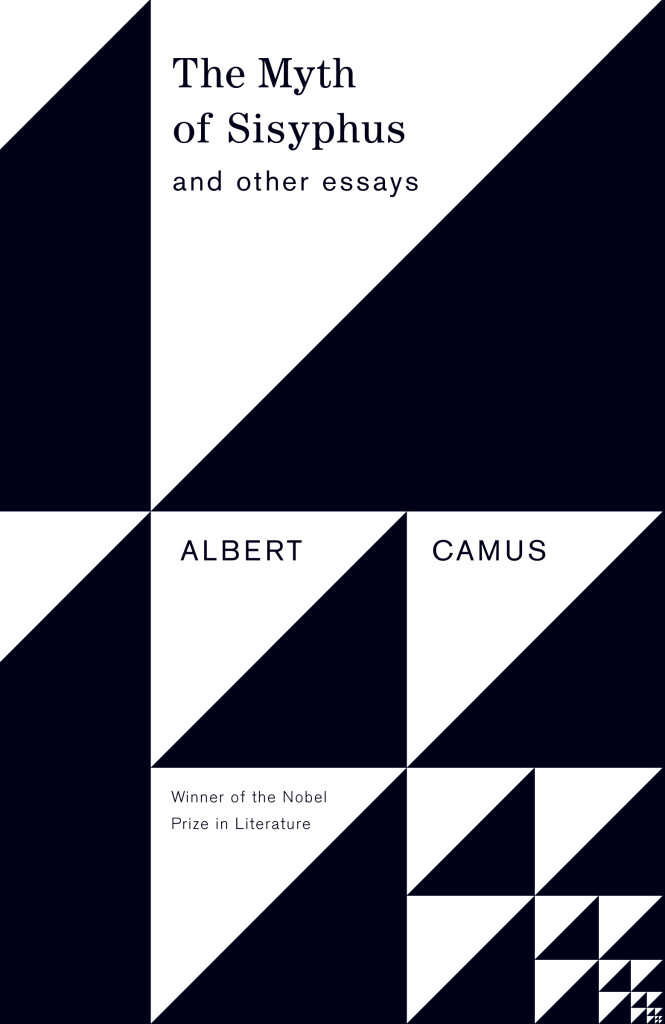
MythOfSis

Helen Yentus


  1. Justine Anweiler
  2. Coralie Bickford-Smith
  3. Kelly Blair
  4. Gabrielle Bordwin
  5. Lizzy Bromley
  6. Lynn Buckley
  7. Nicole Caputo
  8. Jennifer Carrow
  9. Carol Devine Carson
  10. Catherine Casalino
  11. Allison Colpoys
  12. Eleanor Crow
  13. Lucy Ruth Cummins
  14. Suzanne Dean
  15. Barbara deWilde
  16. Sinem Erkas
  17. Erin Fitzsimmons
  18. Alison Forner
  19. Elena Giavaldi
  20. Kimberly Glyder
  21. Carin Goldberg
  22. Jenny Grigg
  23. Janet Hansen
  24. Jennifer Heuer
  25. Karen Horton
  26. Linda Huang
  27. Anne Jordan
  28. Chin-Yee Lai
  29. Yeti Lambregts
  30. Emily Mahon
  31. Jaya Miceli
  32. Terri Nimmo
  33. Zoe Norvell
  34. Natalie Olsen
  35. Lauren Panepinto
  36. Ingrid Paulson
  37. Isabel Urbina Peña
  38. Rafi Romaya
  39. Allison Saltzman
  40. Heike Schüssler
  41. Clare Skeats
  42. Ami Smithson
  43. Charlotte Strick
  44. Jess Sullivan
  45. Jo Walker
  46. Abby Weintraub
  47. Rachel Willey
  48. Gabriele Wilson
  49. Megan Wilson
  50. Joan Wong
  51. Sara Wood
  52. Helen Yentus
22 Comments

Matt Dorfman American Illustration Interview

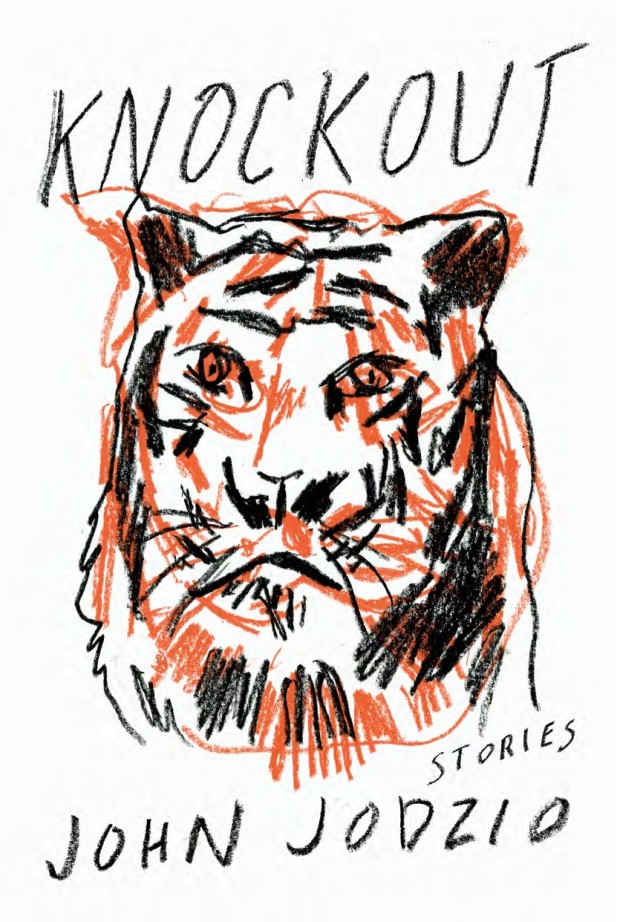
Knockout design by Matt Dorfman

Robert Newman interviews mighty Matt Dorfman, illustrator, book cover designer and art director for The New York Times Book Review, for American Illustration:

I’m a big disciple of using abstraction to highlight emotional conditions. To that end, I love the kitchen sink perversion of psych artists like Victor Moscoso, Martin Sharp, Tadanori Yokoo and Keiichi Tanaami. As a teen I swiped a copy of I Seem To Be A Verb by R. Buckminster Fuller and Quentin Fiore from one of my dad’s shelves (and I still have it) and I credit that book with revealing to me—loudly—how vital books can be if they’re conceived with passion and energy. And I probably owe the Johns Heartfield and Baldessari some money.

At least once a month, a circumstance will arise either in work or in life in which I reflexively ask myself, without premeditation: “What would Ian MacKaye do?” This has been happening since I was 15. There’s probably something to it.

(Matt is one of the many, many people I would love to interview for the blog… )

Comments closed

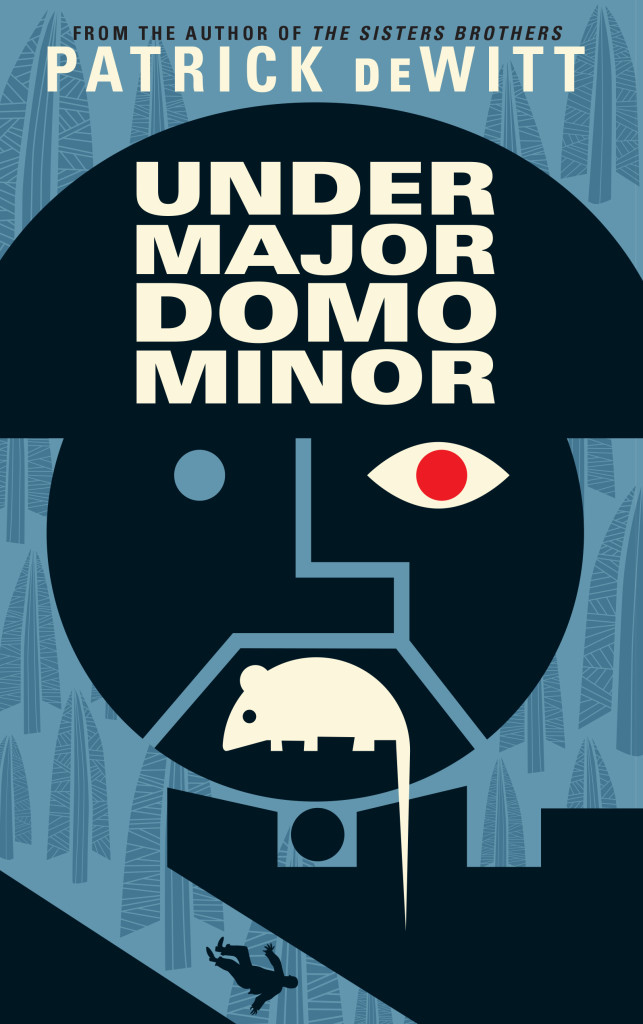
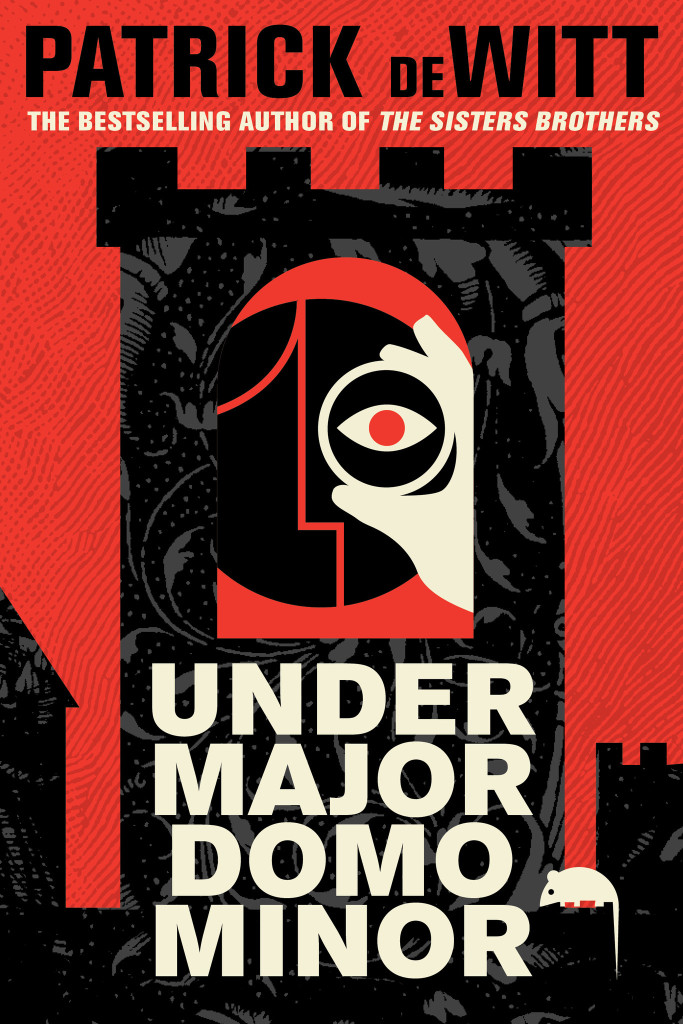
Dan Stiles Covers for Undermajordomo Minor

undermajordomo-uk

Next month sees the publication of Undermajordomo Minor, the new novel by award-winning Canadian author Patrick deWitt.

An “ink-black comedy of manners”, it apparently involves an Alpine castle, a mysterious Baron Von Aux, and a lot of bad behaviour — including, if the Quill and Quire‘s Steven W. Beattie is to be believed, “an extravagant act of Hieronymus Bosch-like grotesqueness… perpetrated upon a large rat.”

It sounds a little like a horror movie directed by Wes Anderson. Or Terence Fisher doing something nasty to Gilbert and Sullivan.

While the cover for the US edition (published by Ecco) was designed by the talented Sara Wood, the UK and Canadian editions of Undermajordomo Minor feature the distinctive artwork of Dan Stiles, the American illustrator and designer who designed the covers of deWitt’s previous novels The Sisters Brothers and (the reissued) Ablutions.

Although Stiles has created different designs for Granta, and House of Anansi, the UK and Canadian covers (both featuring that unfortunate rat) have strong echoes of those previous books. According to the Canadian art director Alysia Shewchuk, this was a deliberate decision. “Dan Stiles created a very a distinctive look for The Sisters Brothers — highly stylized, dark yet playful — and we wanted to pick up these threads in our cover for Undermajordomo Minor.”

undermajordomo-cdn

This is most apparent in the Anansi cover. Its bold geometric design is similar to Stiles’s theatrical cover for Granta, but its colour palette and texture bring it back to the The Sisters Brothers.

Interestingly, the focus of the Canadian cover is different too. “We’d seen early versions of the covers for both the US and the UK editions, and while we liked the different directions they’d each gone in, for our edition we thought it was important to feature the main character (Lucy Minor) and the castle where he lives and works,” says Shewchuk. “Dan understood exactly what we were looking for and he nailed it on the first go-around.”

Undermajordomo Minor will be published on September 3rd in the UK, September 5th in Canada, and September 15th in the US.

In the meantime, watch the slightly Monty Python-esque trailer made by artist Joanna Neborsky, with music by deWitt’s brother Nick deWitt, released today:


The same team made a similarly bizarre trailer for The Sisters Brothers. 

Correction: When first posted, I stated incorrectly that the US cover was also designed by Dan Stiles. The final design and illustration for the Ecco edition of Undermajordomo Minor is by Sara Wood. The post has been amended and updated to credit Sara for her work.

Comments closed

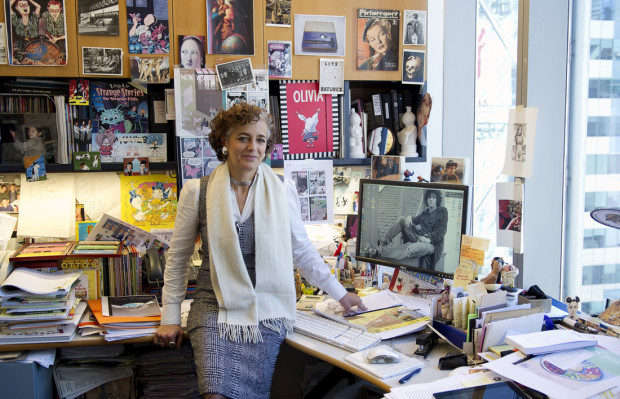
Françoise Mouly: No House Style

Sarah Shatz: Françoise Mouly

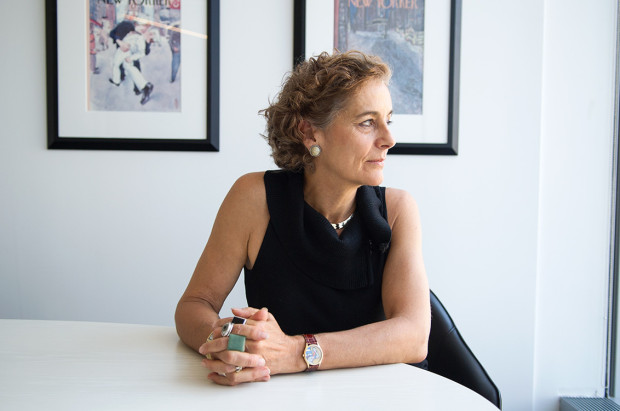
It’s Nice That has a great interview with the remarkable Françoise Mouly, co-founder of comics anthology Raw, editorial director of TOON Books, and, of course, art editor at The New Yorker:

“One of the things we had at Raw which I have tried to keep is not having a house style, it doesn’t all look alike. Raw really was the sum of its parts but you can’t say that Raw magazine was Joost Swarte or Charles Burns or Sue Coe.

“At The New Yorker when I came in there was a house style, a nice cat-on-the-windowsill type watercolour and you could look at the covers and see the common denominator. I have tried to never let it settle into, ‘Oh that’s a New Yorker cover’ except in the approach.”

Comments closed

Françoise Mouly on Voice

francoise-mouly-photo-sarah-shatz.

Grace Bello interviews the always interesting Françoise Mouly, art director of The New Yorker and founder of Toon Books, for Guernica:

I know what I respond to is a voice. A voice is not just a stylistic thing, but it means someone who really has something to say. I think a lot of what I get from books—whether they be books of comics or books of literature—is a window into somebody’s mind and their way of thinking. I love it when it’s so specific. It’s a new way to look at the world. It’s as if I could get in and see it through their eyes. It also reaches a level of universality because, somehow, I can recognize some of my feelings in seeing somebody who is actually expressing their own inner reality. Even though Flaubert has not been in Madame Bovary’s skin, you do get a sense of what it’s like to be that person. It’s a kind of empathic response when you’re reading it.

Comments closed
Creating The Grand Budapest Hotel

la_ca_0213_grand_budapest_hotel
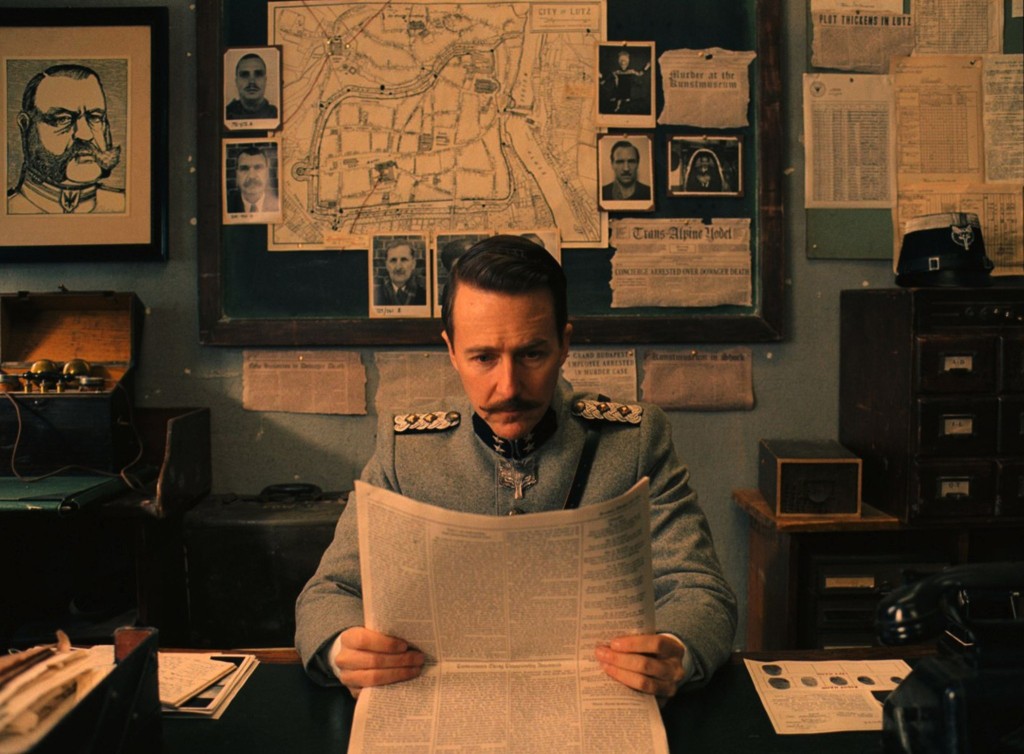
Just to quickly follow up my post about Wes Anderson and The Grand Budapest Hotel earlier this week, there is an interesting interview with art director Adam Stockhausen about working with on the film at The Dissolve:

[The references] come from all over the place. They’re very specific, but they can come from any place. They can come from a story, they can come from a painting, they can come from a movie. In this movie, there’s a Bergman film called The Silence, with the boy wandering around the hallways, we modeled our hallways on that. If you look at the hotel doors in that film, ours are a carbon copy. There’s a sequence in a Hitchcock movie called Torn Curtain where he comes out of his hotel and he gets on the bus and he goes to the museum; we have a bit of an homage to that sequence when Deputy Kovacs goes from his office to the art museum and he’s being chased by Willem Dafoe’s character. For the palm court we looked at Rousseau paintings. For the command tent in Moonrise Kingdom, we looked at Churchill’s war room. The references can be very wide, but they’re all pretty different.

Comments closed

Françoise Mouly: “Can I just show you, and not have to tell?”

At the L.A. Review of Books Sarah Boxer interviews Françoise Mouly, art editor of The New Yorker and the editorial director of Toon Books:

At RAW, I felt I was the advocate for white space. There’s a certain kind of comic esthetic that is chock full, you know, very Mad magazine, with a million different details. Art is more tolerant of this. I can be brought to tears by a few simple lines. There are so many things where we complement each other very well.

To me design and printing are important. For Art these are a means to an end. When I met him, and he was doing production for [his first book] Breakdowns, he was thinking about printing because the cover was about the printing process. For him, this was something he had to master to sell his ideas. I’m a much more limited thinker. I’m not an abstract person. I can only find things when I’m touching them and making them. I’m eager to do paste-up, mechanical, production. I love to learn new programs, techniques to art, I like things that stand in the way… Art makes things because that’s something he has to do in order to express his ideas. I don’t have ideas outside of making things. I can’t do what he does, expounding on the theory of this and that. I’m like, “Can I just show you, and not have to tell?”

I know I’ve been posting a lot of links to interviews with Mouly recently, but I think it’s really interesting that an art director — someone deliberately behind the scenes — is talking so much about her work and her approach to magazines right now.

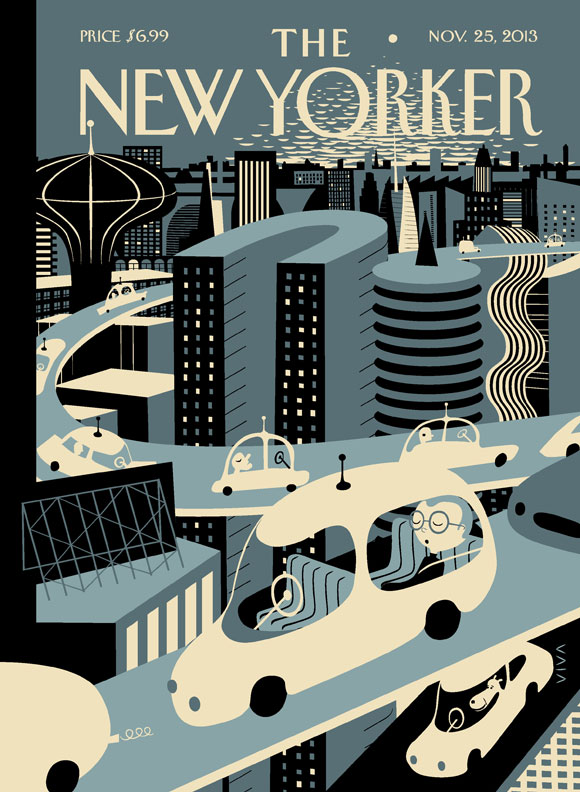
(Pictured above: the cover of the most recent New Yorker by Frank Viva)

Comments closed

Jason, The Dharma Bums

As you may have noticed, I’m on something of Jason kick right now. I’m also preparing to interview Paul Buckley, Creative Director at Penguin US, about his new book Penguin 75, so I thought I would take the opportunity to post Jason’s beautiful contribution the Penguin Graphic Classics series that Paul art directed:

4 Comments

Q & A with Jacob Covey, Art Director Fantagraphics Books

I get excited just about every time I post an interview on The Casual Optimist (I am officially a cheap date), but it is a special thrill to post a Q & A with Jacob Covey, designer and Art Director at Fantagraphics.

Partly this is because I’m grateful that in defiance of all reason, publishing wisdom, cold, hard financial facts, bitter law suits, common sense and ‘good taste’, pioneering Seattle-based comics publisher Fantagraphics even exists.
Partly it’s an excuse (not that I really need one) to post Love + Rockets cover art.

And partly it’s because I thought there was a very real chance the interview wouldn’t happen.

But mostly it is because there is something about Jacob’s work — which combines the Chantry-esque DIY design aesthetic of skate art, gig posters, record sleeves, underground comix, zines and punk, with a Ware-like preoccupation with detail and precision — that resonates with me and fits so perfectly with Fantagraphics.

Needless to say, Jacob’s award-winning work has been featured in Print, Communication Arts and How.

We caught up over email…

How did you get into book design?

The germ of the thing started with working at the public library where I was a conspicuously slow page. I would look at every cover I was shelving, setting aside certain ones to check out and carry a few blocks away to a color photocopier. I liked having the inspiration around and I couldn’t afford to buy design books. This was around 1999, when I was beginning to study graphic design and at night was staying out late shooting photos of bands for record labels, local monthlies, and things like that. As for getting into book design professionally, in late 2003 I had just moved back to the Northwest after leaving a job in Los Angeles at a skate company. I was interviewing for a job to churn out ads at the local alternative weekly, The Stranger, and the Art Director, Joe Newton, kindly suggested that I instead talk to Gary Groth at Fantagraphics. They were looking for a new designer but apparently they were in no hurry to actually hire someone as I basically called relentlessly for six months. I think I was just the last man standing at the other end of the phone line so they hired me.

 Briefly, could you tell me about working at Fantagraphics?

If the publishing industry is a zoo, then Fantagraphics is the monkey house. It’s not a conventional workplace and you could get tetanus from walking barefoot but it’s a place where everyone is laboring out of love and there’s a lot of receptivity to trying new things and having your ideas heard. Much more so than I think is possible at most publishers. I have immense respect for the history of the company as an archivist of great work and I have the opportunity to deal with our publishing decisions on a regular basis. It’s satisfying in that way– but the office itself is a neglected three story house with 30 years of dusty artwork, ancient paste-ups, and discarded razor blades strewn about. So it’s not for everyone.

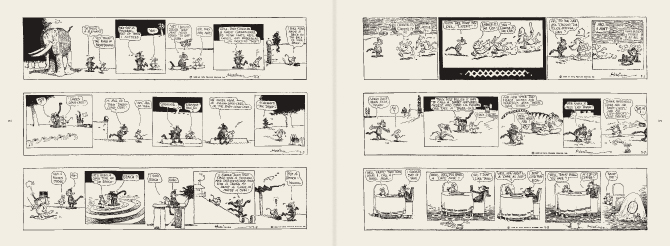
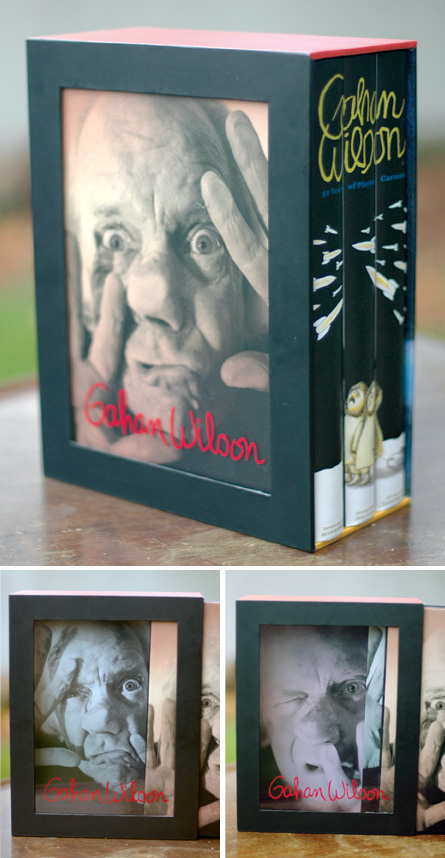
As for the work, Fantagraphics publishes the great cartoonists from Charles Schulz to R. Crumb, but as often as not I’m designing a book of paintings or a collection of pop culture artifacts or even the occasional prose novel.

You’re also a freelance designer. How is that different from your role as art director at Fanta

For one thing I’ve established myself with Fantagraphics enough that I know the material well and have to explain my decisions less. They’re very supportive and because of that I am mostly pushing myself to do better work. With my freelance clients there’s a lot more to learn from their needs and the process involves more time spent on researching and exploring ideas. The freelance work is also much more varied subject matter. For example, as I type this I’m working on the branding for a 2011 museum exhibition focusing on the band Nirvana, a non-fiction book cover for HarperCollins, a band t-shirt design, an AIGA event poster, and a book layout for a start-up imprint in the UK. There are a lot of other publishers I’d like to work with but I’m a pretty shoddy self-promoter.


Could you describe your design process?

In the case of Fantagraphics, I hate to say that most of the time there are so many projects on my plate that I’m just cranking the books out, trying to trust my instincts and learning from any mistakes. We have a list of about 50 books a year with only me and one other designer, Adam Grano, along with our works-through-the-night production guy, Paul Baresh, scanning and laying out everything from the books to the ads and supplying media requests — if we get behind schedule we rarely hire out for another designer, the book simply gets published late. So there’s a lot of pressure to just keep moving. The job requires a lot of discipline to approach books with an eye on getting them approved by the editor/artist without delays and yet still make them interesting. There is process but it’s very accelerated and it’s not unusual that I have to go with my first impulse for a book design and wish I had time to do a dozen more comps.


Is designing for reprint collections different than designing for new material?

Notably, the job description of a cartoonist and a graphic designer are similar in that they both work with text and images but the truth is very few cartoonists have a very developed design sense (just as my cartooning skills are sub par). Working with individual artists on original material can be a really rewarding collaboration or a Sisyphean attempt to improve an idea that the artist is married to. So, in truth, the deader the artist, the easier my job — reprint collections have a more dispassionate approval process.

What are your favourite books to work on?

I’m not sure that there’s any type of book that’s my favorite to work on but I’ve become very comfortable with the process that goes into art books in general. I just finished working on a very collaborative book of VHS box art with the collector/editor Jacques Boyreau and I enjoyed that. The subject matter itself isn’t necessarily what’s interesting to me but there was a long process of sitting with Jacques early on and determining the best way to showcase the work, which ended up being very austere, spotlighting the actual physical history of the boxes and conjuring the experience of seeing them in their element by retaining the old, beaten up boxes, plastered in rental stickers. Some of these boxes we had to prop back together from having been chopped up for those large plastic cases that were used in videostores. In the end, there was more of an anthropological story to looking at the boxes themselves rather than just the art that was on them.
This doesn’t work for every project but it’s great for receptive, collaborative editors. It’s fun to step into someone else’s fixation and figure out how to present the material more evocatively, in a way that will pull other people into what the editor loves about the subject. To design in a way other than plop-plop-plop, here are the images and some nice captions. Then I finish that book and it’s my job to find out and communicate what’s exciting about the next one.

How much say do the artists involved have in the design of their books?

Assuming the artists are involved in a given project, they generally have all the say they want. Fantagraphics publishes The Best and we have to respect the artists’ wishes and peccadilloes. They’re visual people so we usually end up with a good package, if not always a great one.

How are final cover decisions made at Fanta?

On a lot of projects I get more say than is customary for the Art Director but it ultimately rests on the in-house editor of the project and the outside artist or editor whose book it is. We all hash out our opinions about what works for the material and the market but we don’t really have scheduled meetings to sit down and scrutinize. Again, it’s all pretty swift moving.

Who else do you think is doing interesting work right now?

Honestly I can’t seem to go on the web without being intimidated by all the talent that’s out there. I couldn’t list all the people. By far, the designer who most consistently floors me is Peter Mendelsund. The man works brilliantly in every genre thrown at him. I also have to say how happy I am that the Design Works Group guys are in nearby Oregon. I don’t know any other book designers here in Seattle so it’s great to have them around, making a good name for the Northwest.

Where do you look for inspiration and who are some of your design heroes?

I’m a cliché: Inspiration is wherever it turns up.

Art Chantry has been really important throughout my development and is someone whose talent and vision I admire a great deal. I think his influence shows up the most in my work, though not necessarily in the most obvious ways. Chantry, Lester Beall and the Constructivists were my heroes when I used to proclaim design heroes. I would definitely add Mendelsund and Paul Sahre to my contemporary list.

Of course you can’t work in comic book design without acknowledging the significance of two of the world’s most important contemporary designers, Chip Kidd and Chris Ware. They made it possible for me to do a lot of what I do with Fantagraphics.

Could you tell me a little about your personal project Beasts! ?

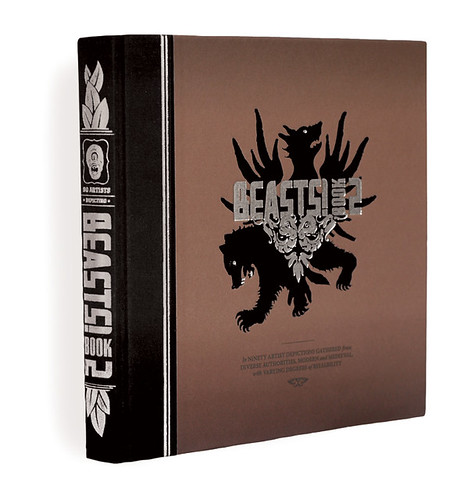
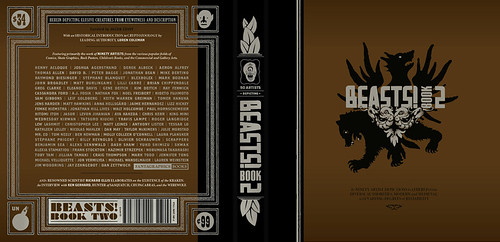
Beasts! is a classical bestiary of mythological creatures as depicted by some of my favorite contemporary artists from the worlds of comics, skate graphics, rock posters, children’s book illustration, the fine art world, et cetera. The first book is now in its fourth printing and the second and final volume came out in early 2009. Each book has ninety artists and four writers involved. I call myself the curator of the project as it’s more like an art exhibit than a standard art book. I wrote up brief descriptions based on my research of creatures, then the artists chose the creature that was most interesting to them and the writers would pen proper text based on historical references to the creatures. It’s a lot more serious than people seem to expect. I like these stories, I like that these creatures existed to someone who told the original story, and it was great to see them given form — a lot of the beasts are very obscure and before I got art from an artist there usually wasn’t any depiction to be found for a beast. There are also interviews with respectable experts like the marine biologist, artist, and writer Richard Ellis as well as contemporary eyewitnesses to some mysterious beasts.

Did you design the Beast! books as well as edit them?

Yes, except the Chinese edition that just came out. The publisher translated and totally repackaged it for that market. It was part of my intent with Beasts! to see what could come of a close working relationship between the editor and the designer on a book project. (Obviously I took that to the extreme by performing both roles.) Books are generally fairly linear, straight-forward affairs or sometimes they’re eccentric art books that end up feeling like design masturbation. I’m interested in what can happen somewhere in between these things that will engage the reader to enjoy multiple readings or even to just feel like more of a participant in the whole experience. There are a lot of interesting details that never make it into books simply because the designer isn’t involved with the editorial side or is otherwise not involved on a collaborative level.

What does the future hold for book cover design?

Everyone’s got an opinion on that and my voice would just be din. It’s hard to say if it’s like the film world facing VCRs or the music world facing MP3s but it’s not bleak to me.

Thanks Jacob!

You can find more of Jacob’s work on his website.

UPDATE: Jacob was kind enough to send me a few more images to accompany the interview and these have now been added to the original post.

8 Comments