Created by photographer Joseph O. Holmes, this charming (if occasionally grisly!) 12-minute super-cut features clips of projection booths from 46 different films, from Buster Keaton’s Sherlock, Jr. to Quentin Tarantino’s Inglorious Basterds:
The film debuted at New York’s The Museum of the Moving Image in October as part of the opening reception for Holmes’s The Booth: The Final Days of Film Projection, an exhibition of photographs which runs until January 2014.
I think the digital world suffers from being just so literal, so deliberate and sober. As with digital photography, people have gotten used to applying simulated filters onto their pictures just to inject a bit of romance into the thing, because the raw pictures are so flat. But in the analog realm these beautiful things just happen by themselves without your conscious effort. You could say the wobbles and flutters in our music are equivalent to something like weeds overgrowing an old building. Nobody puts the weeds there, but nature comes along and makes the scene very tragic and beautiful.
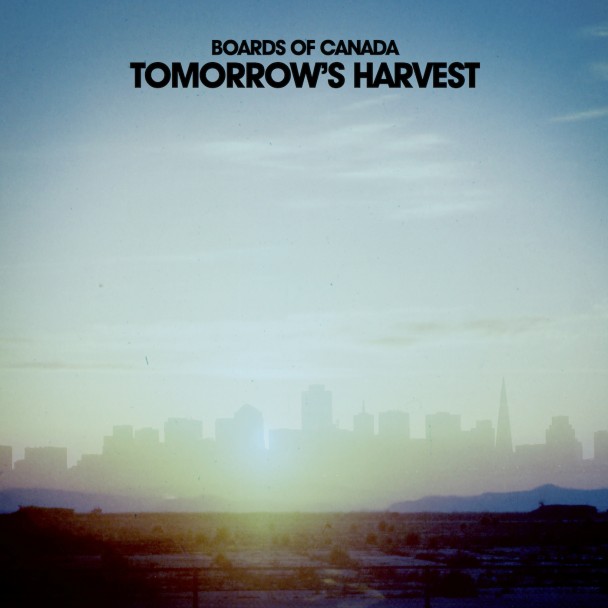
Tomorrow’s Harvest is their most cinematic and vast-sounding album yet, suggestive of barren plains and burning skies, wonder and dread, watching and being watched… It’s the kind of music that gives rise to strange notions. Boards of Canada sow a few clues as to their own intentions while leaving space for each listener’s pet theories. The title of the loping, suspenseful Jacquard Causeway seemingly indicates French geneticist Albert Jacquard, a proponent of “degrowth”: the idea of increasing happiness by working and consuming less. Alongside such titles as Sick Times and Collapse, it implies a concern with dwindling resources which infects the album title with apocalyptic menace akin to John Christopher’s 1956 eco-horror novel The Death of Grass.
Certainly this track, ‘Reach for the Dead’, sounds like music from a lost dystopian science fiction movie:
In this documentary short, Toronto-based photographer Robert Burley talks about his project documenting the demise of the photographic industry since 2005:
The photographs from the project are collected in the book The Disappearance of Darkness published by Princeton Architectural Press earlier this month.
(Note:Princeton Architectural Press are distributed in Canada by my employer Raincoast Books)