Skip to content

Tag: allison saltzman

52 Women Book Cover Designers

If you follow the Casual Optimist on Twitter, you will know that a couple of weeks ago design studio Aishima asked people to tweet about inspiring women graphic designers using the hashtag #celebratewomen. As today is International Women’s Day, I thought I would follow up my #celebratewomen tweets with a visual list of 52 inspiring women book cover designers (one for every week of the year!) — from influential veterans whose work I’ve admired for years to junior designers that have just appeared on my radar.

The names of all 52 designers can be found at the end of the post. With a few more hours in a day the list could easily have been many times longer, so apologies to anyone I have overlooked. Please let me know who you would’ve included in the comments or on Twitter.

Don't Let's Go To the Dogs Tonight by Alexandra Fuller; design by Justine Anweiler (Picador / January 2015)

Justine Anweiler


Jane Eyre Clothbound design Coralie Bickford Smith

Coralie Bickford-Smith


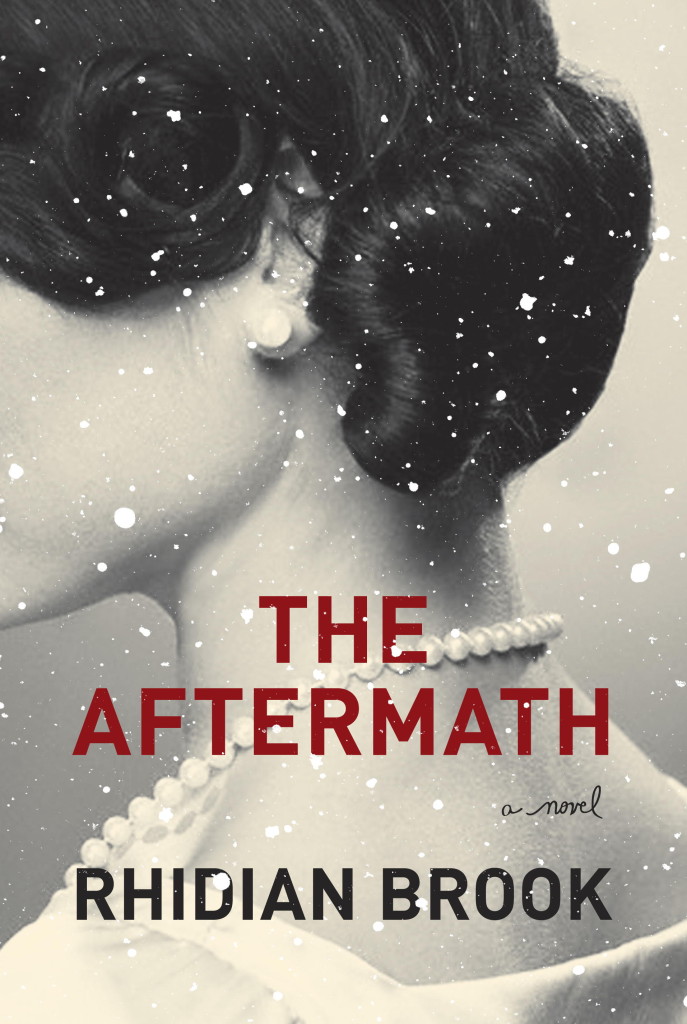
Aftermath design Kelly Blair

Kelly Blair


The Wall design Gabrielle Bordwin photograph John Gay

Gabrielle Bordwin


forever design Lizzy Bromley

Lizzy Bromley


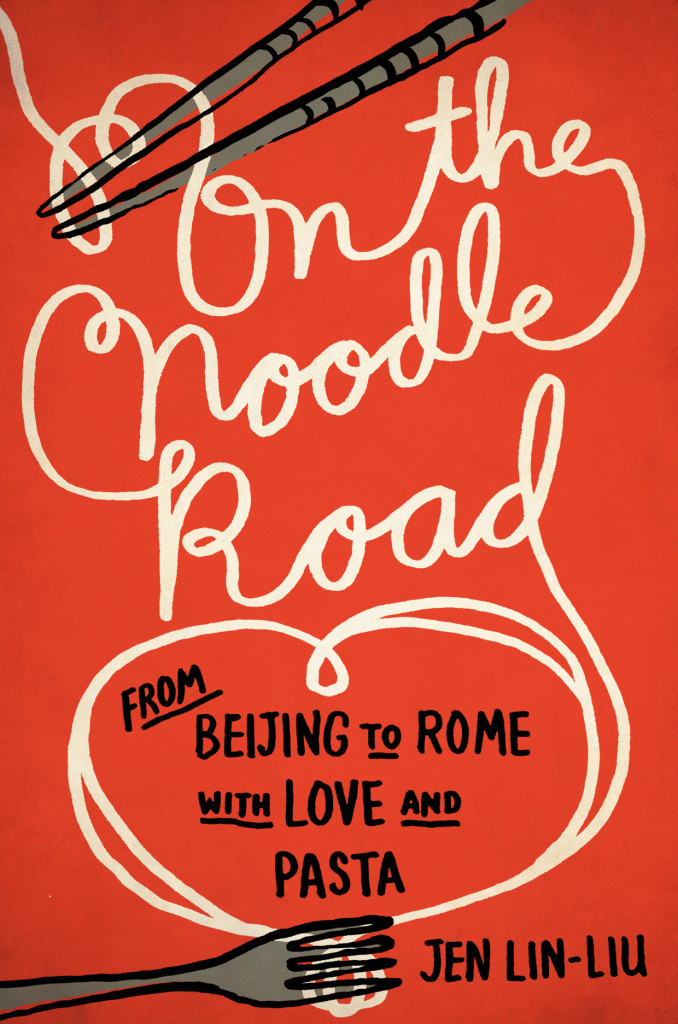
On-the-Noodle-Road

Lynn Buckley


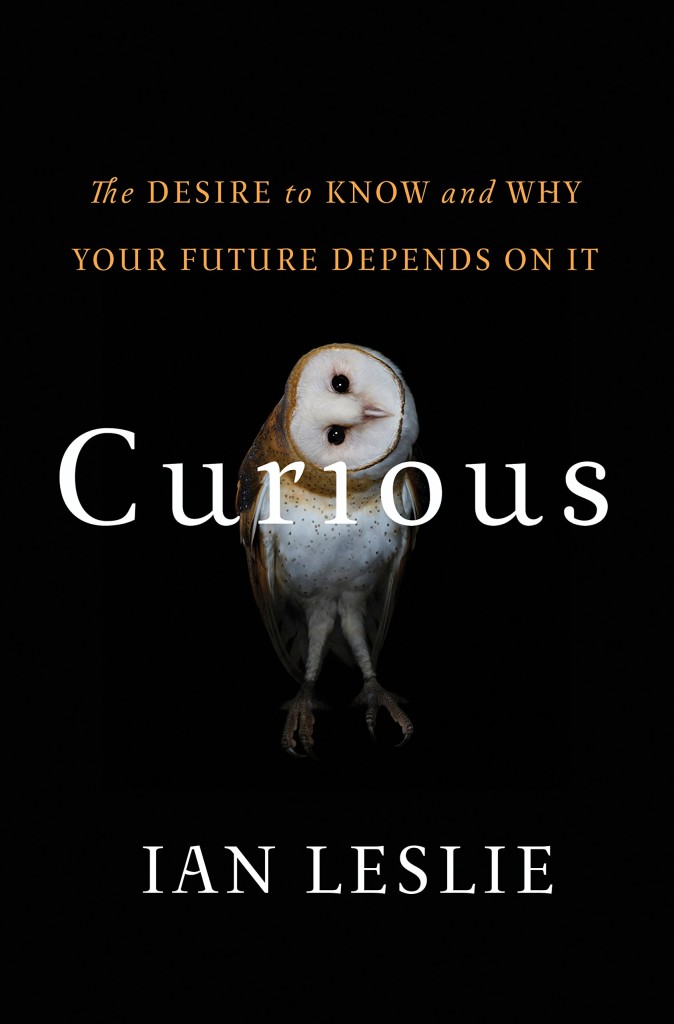
Curious design Nicole Caputo

Nicole Caputo


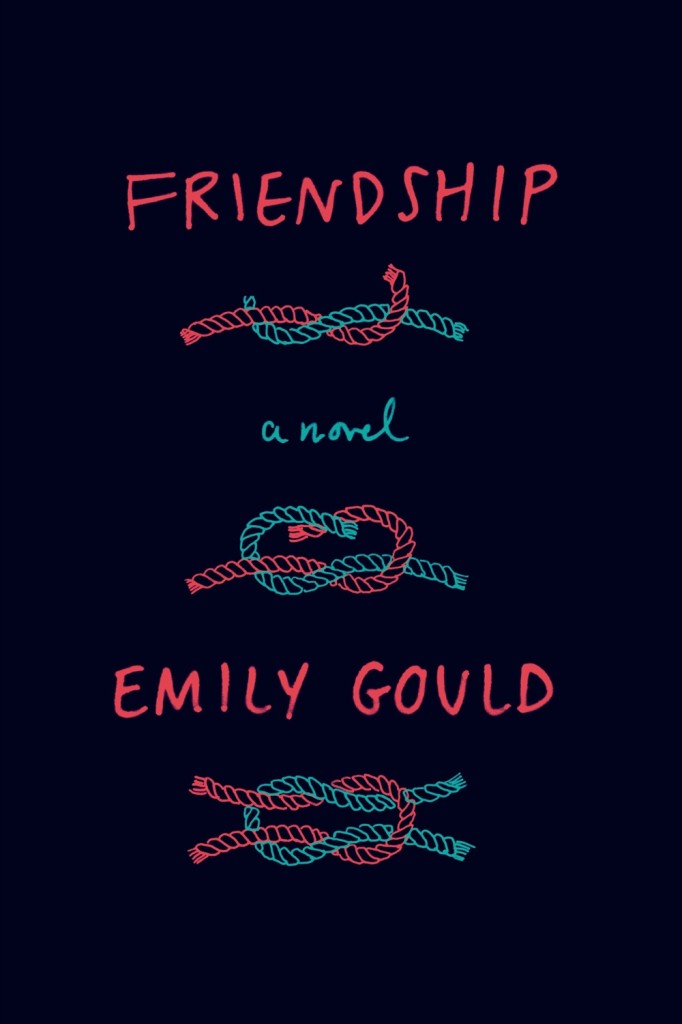
friendship_gould

Jennifer Carrow


m train design carol devine carson

Carol Devine Carson


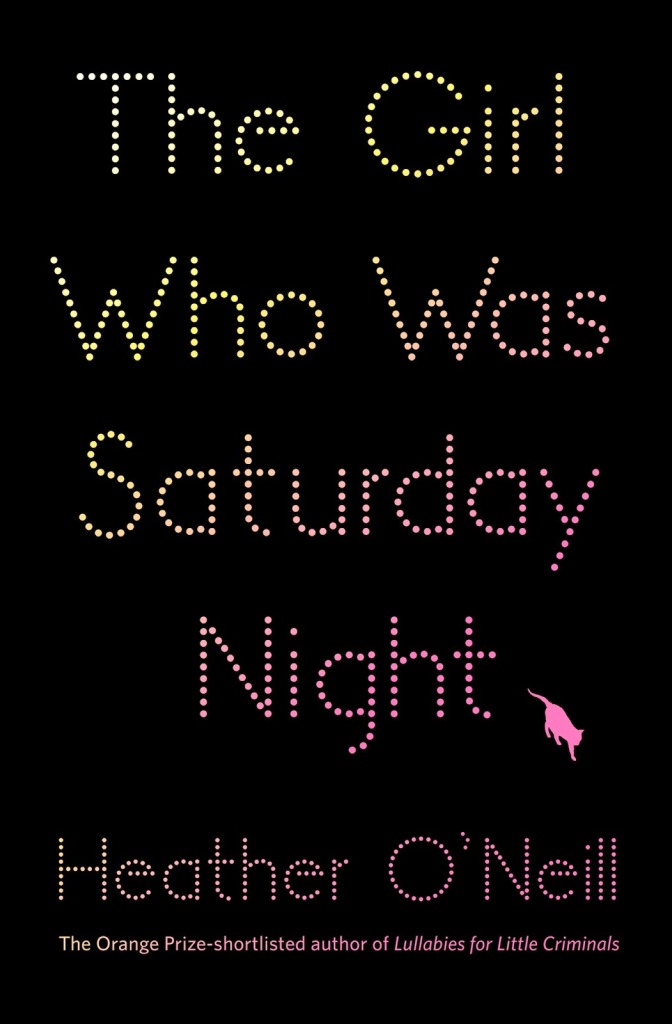
Girl-Who-Was-Saturday-Night

Catherine Casalino


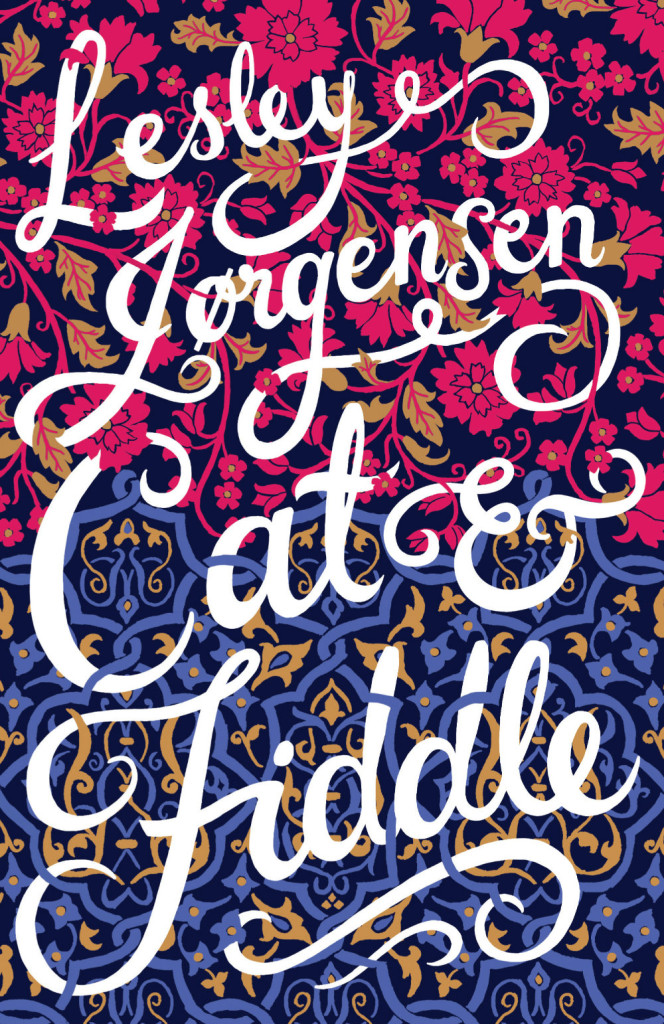
Cat and Fiddle design Allison Colpoys

Allison Colpoys


Stoner (hardback)

Julia Connolly


Holloway

Eleanor Crow


100-sideways-miles-9781442444959_hr

Lucy Ruth Cummins


First Novel design Suzanne Dean photograph Stephen Banks

Suzanne Dean


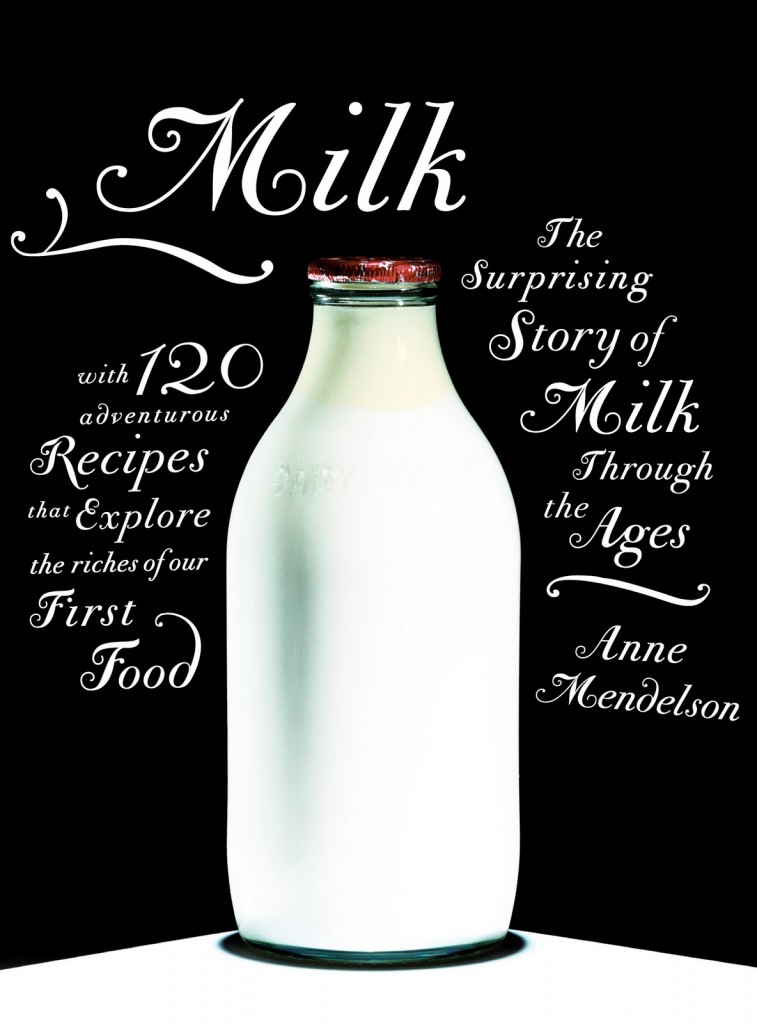
Milk

Barbara deWilde


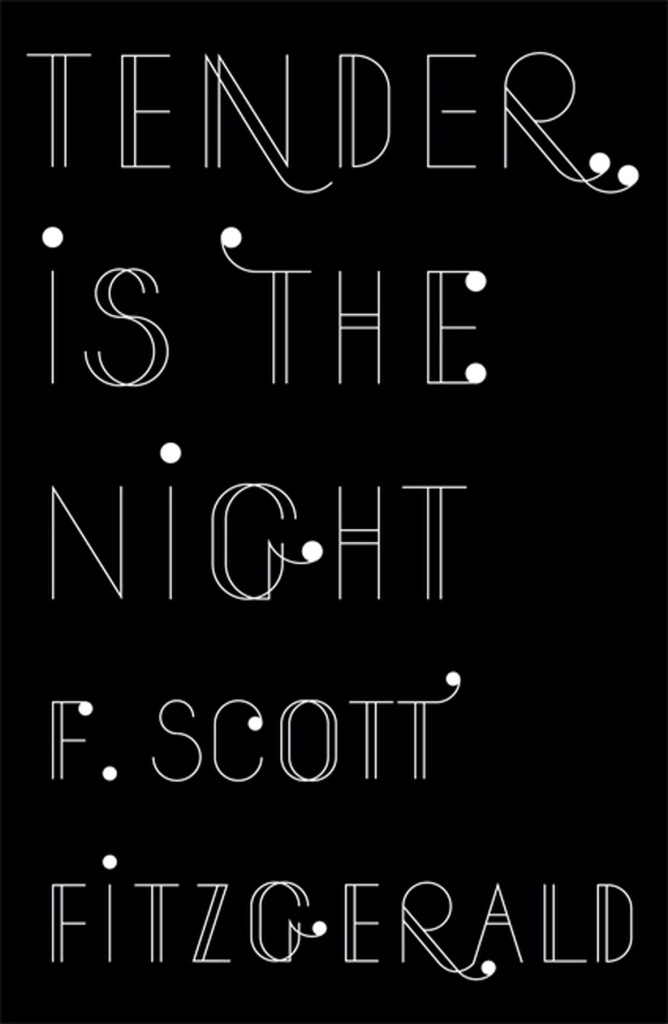
tender-is-the-night

Sinem Erkas


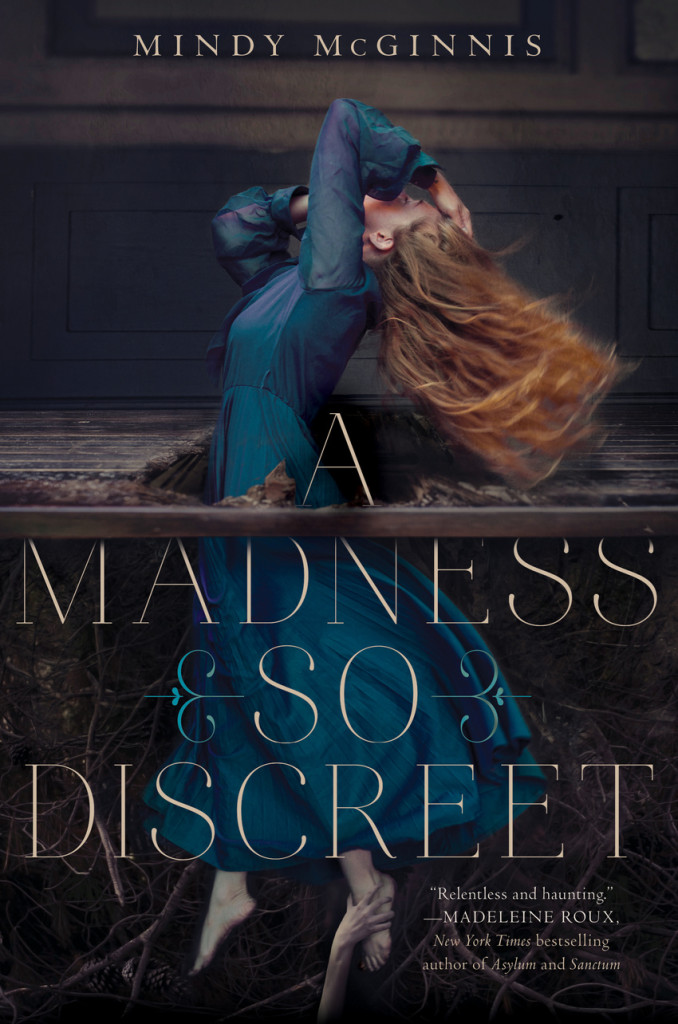
Madness So Discreet design Erin Fitzsimmons

Erin Fitzsimmons


Dust to Dust design Alison Forner

Alison Forner


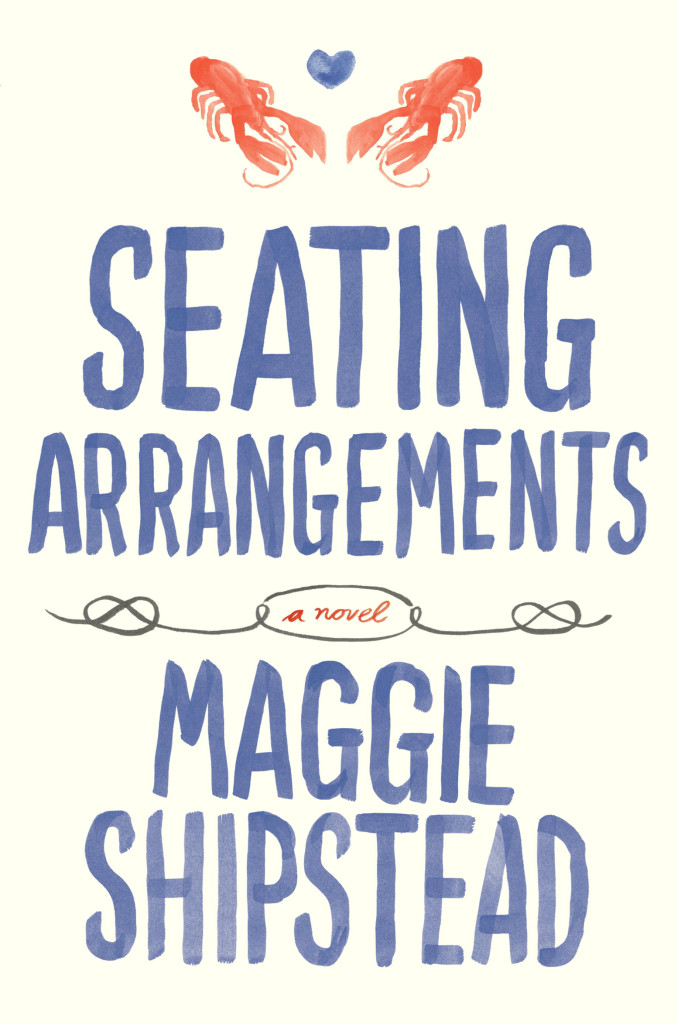
Seating Arrangements design Elena Giavaldi

Elena Giavaldi


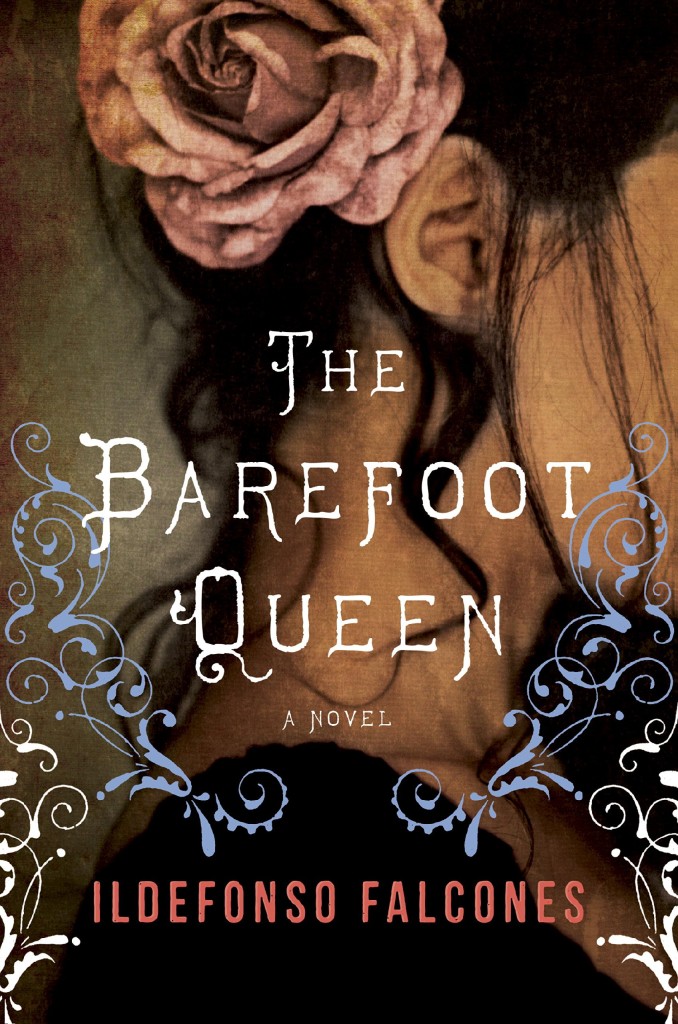
barefoot queen design Kimberly Glyder

Kimberly Glyder


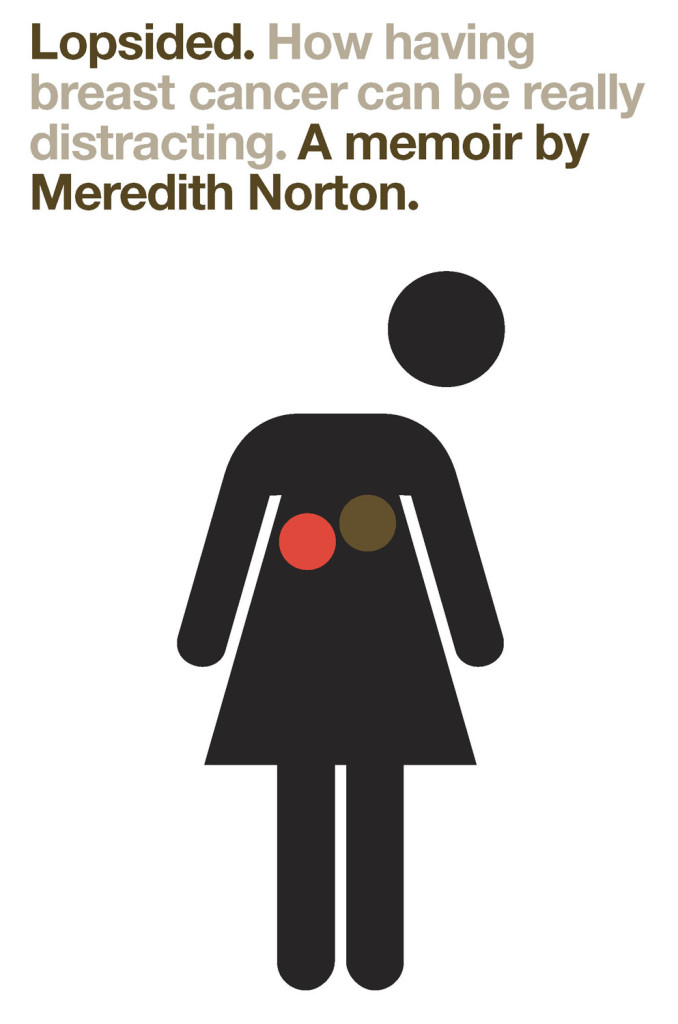
Lopsided design by Carin Goldberg

Carin Goldberg


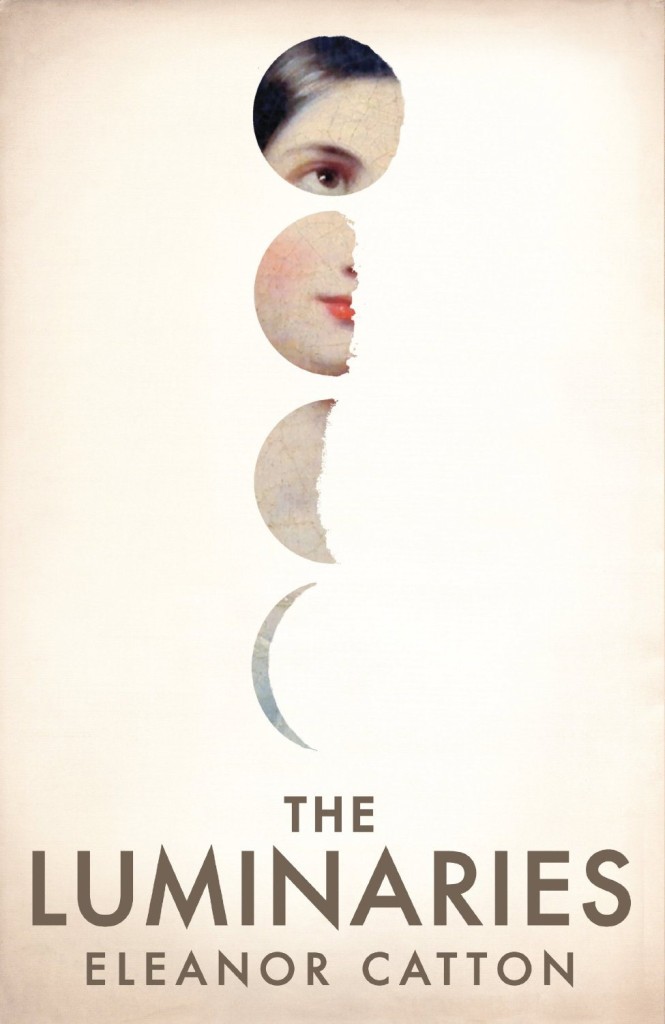
luminaries

Jenny Grigg


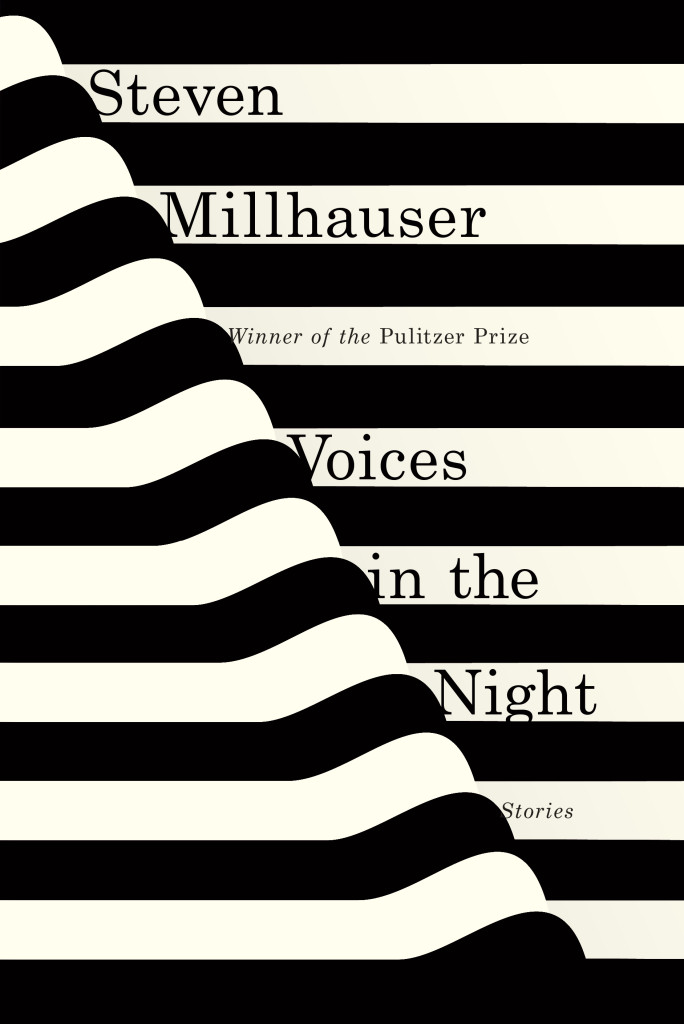
Voices in the Night by Steven Millhauser; design by Janet Hansen (Knopf / April 2015)

Janet Hansen


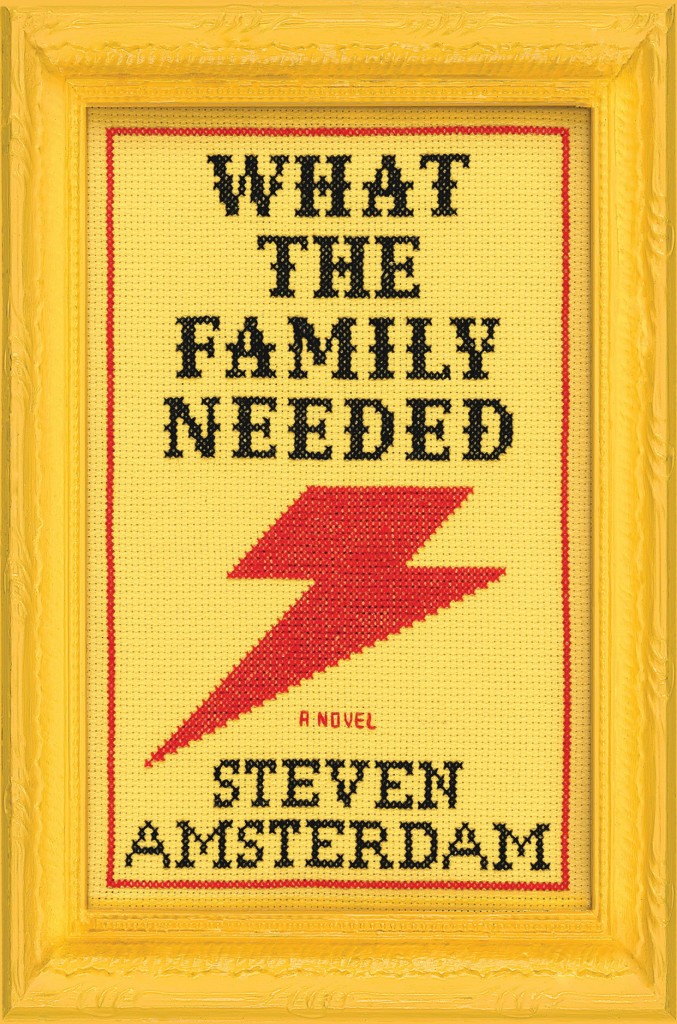
What the Family Needed

Jennifer Heuer


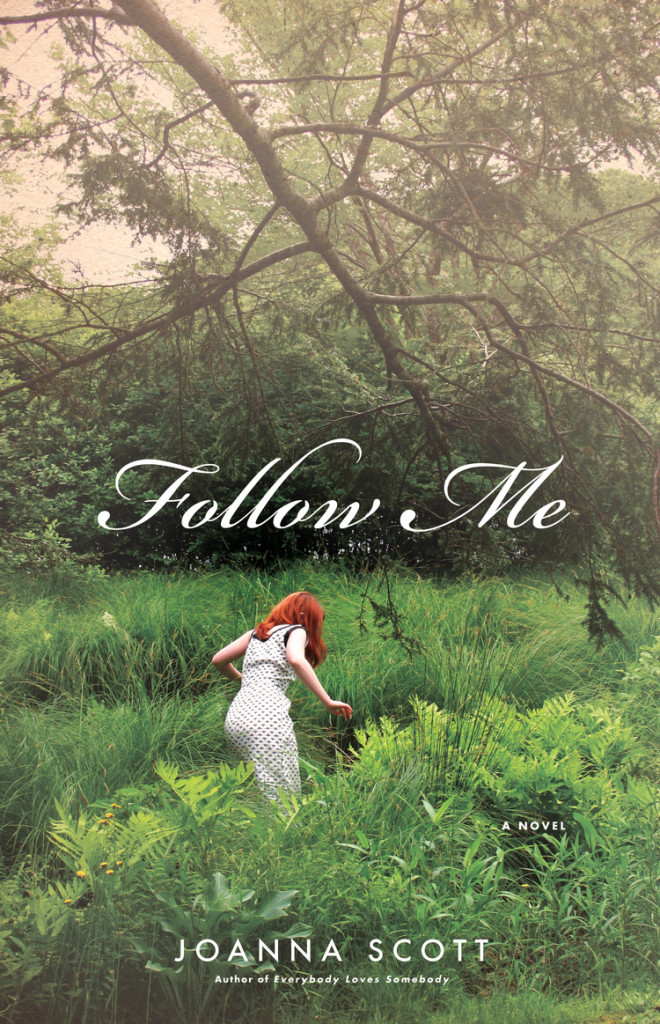
follow me design Karen Horton

Karen Horton


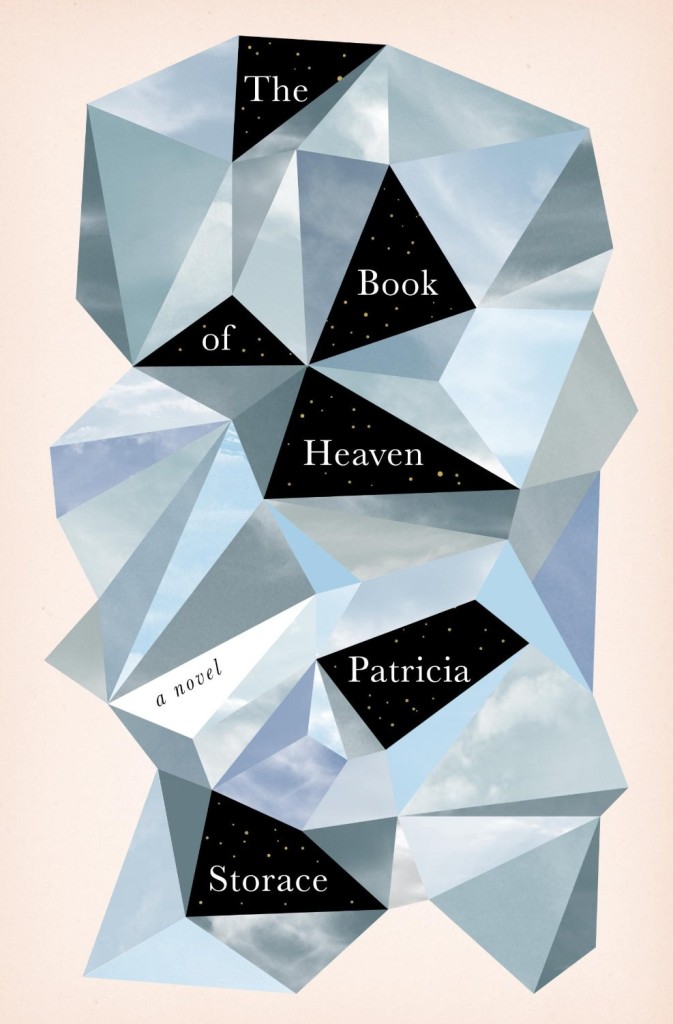
book-of-heaven

Linda Huang


specter-of-capital

Anne Jordan


This Will Be Difficult to Explain design Chin Yee Lai

Chin-Yee Lai


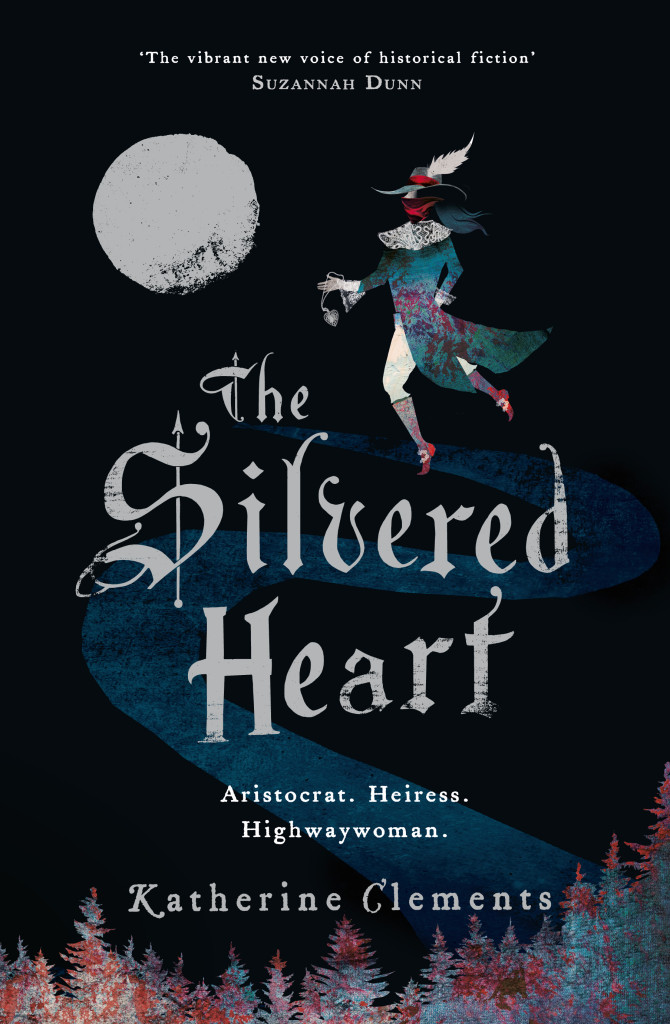
Silvered Heart TBK.indd

Yeti Lambregts


978-0-385-53807-7

Emily Mahon


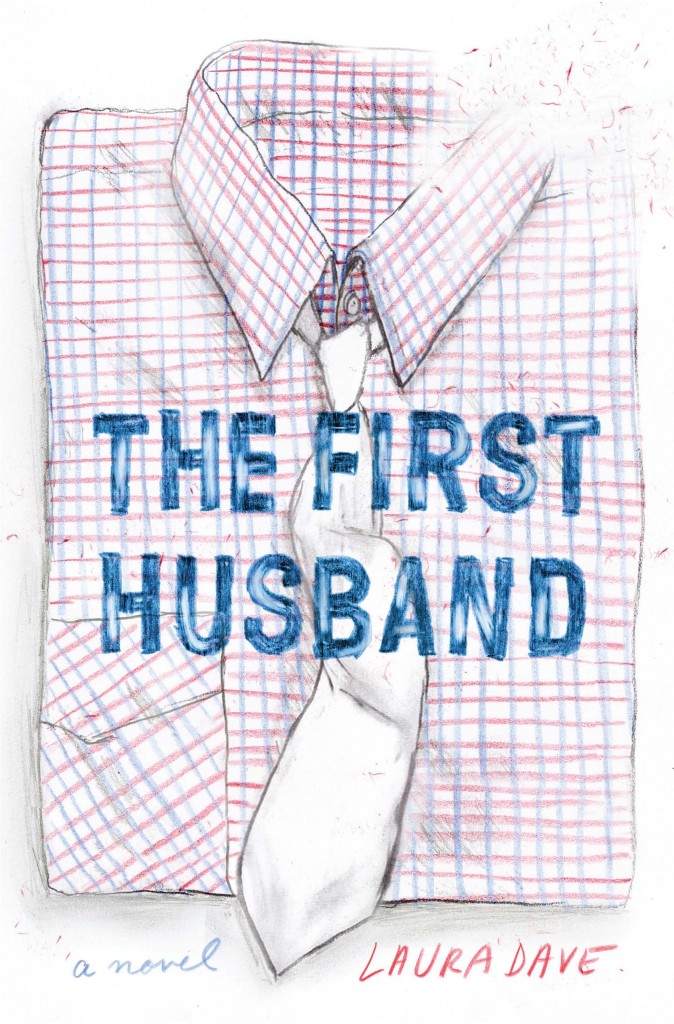
first husband

Jaya Miceli


Sixty design by Terri Nimmo

Terri Nimmo


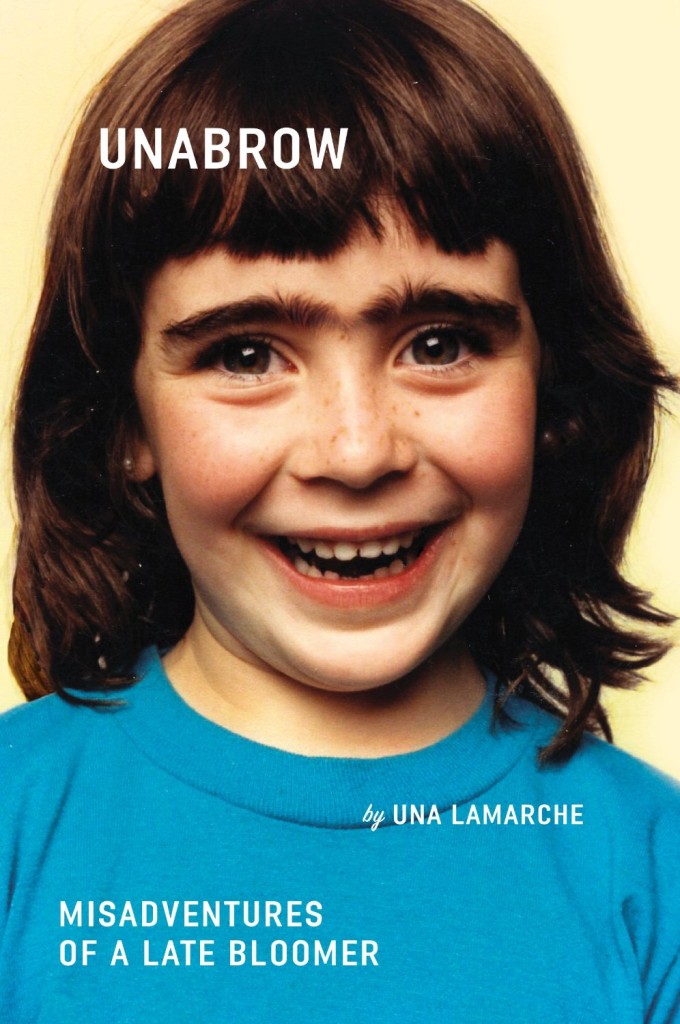
Unabrow by Una Lamarche; design by Zoe Norvell (Plume / March 2015)

Zoe Norvell


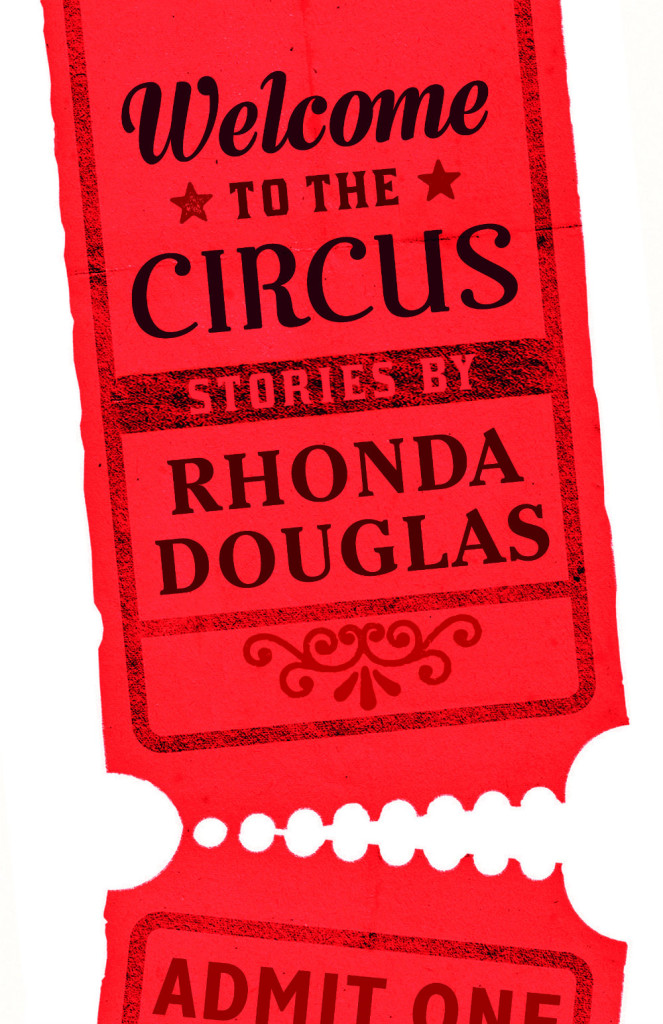
Welcome to the Circus design Natalie Olsen

Natalie Olsen


Untitled-1

Lauren Panepinto


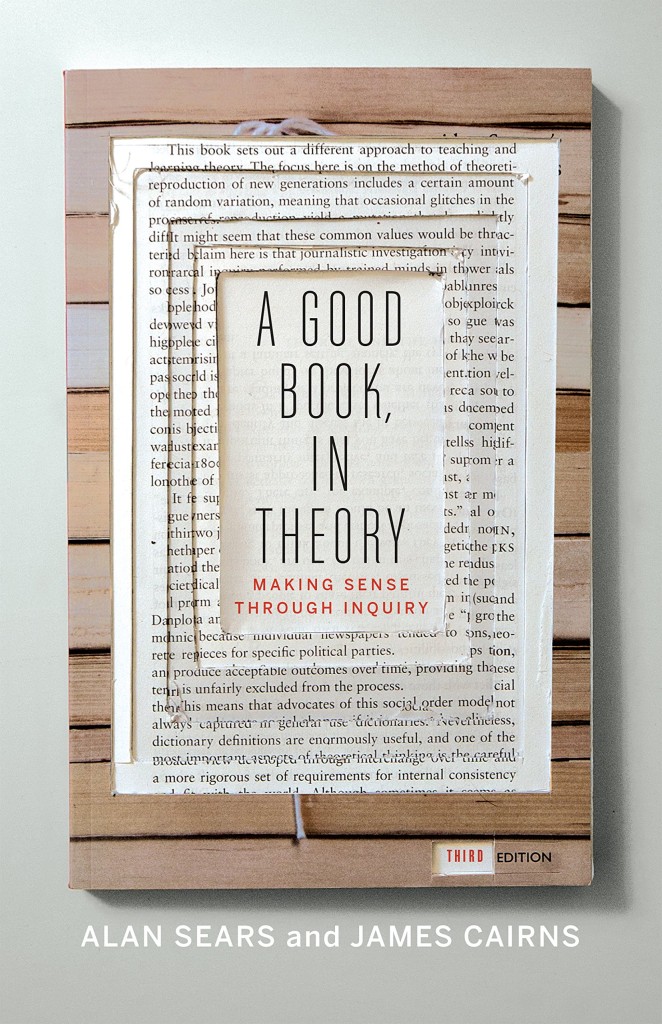
A Good Book design Ingrid Paulson

Ingrid Paulson


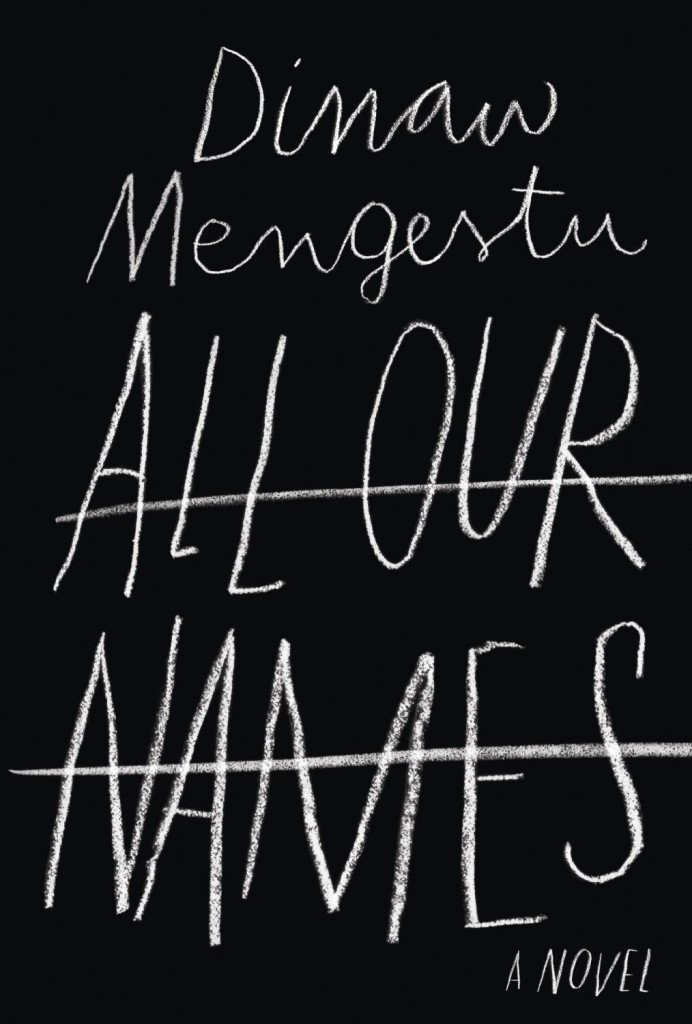
all-our-names

Isabel Urbina Peña


Redeployment design Rafi Romaya

Rafi Romaya


Canada design by Allison Saltzman

Allison Saltzman


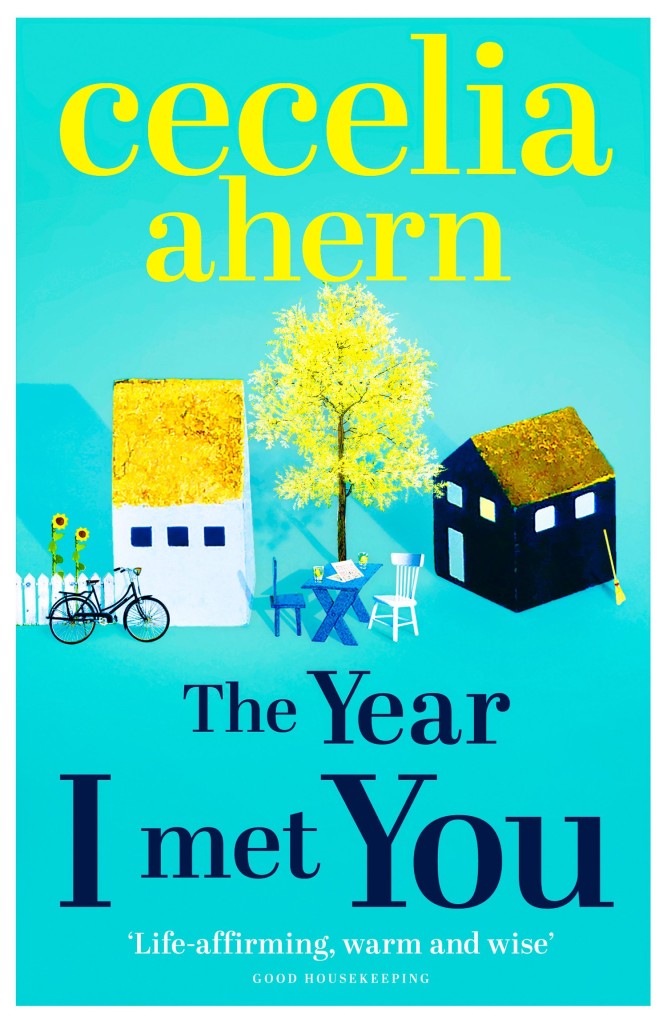
Year I Met You design Heike Schussler

Heike Schüssler


silence

Clare Skeats


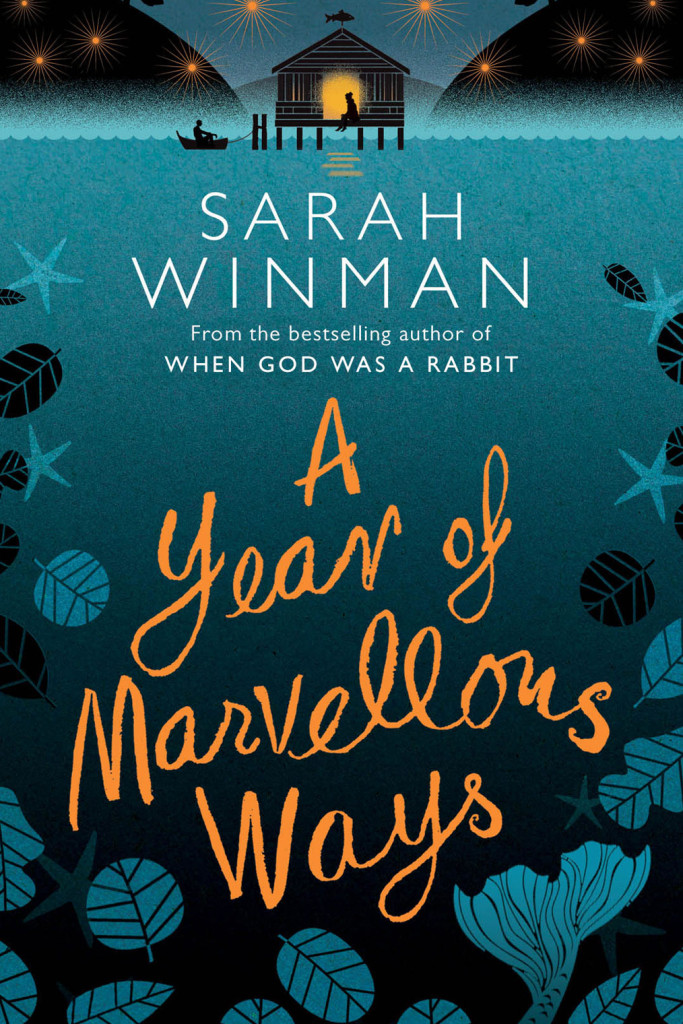
A Year of Marvellous Ways design by Amy Smithson

Ami Smithson / Cabin


flamethrowers design Charlotte Strick

Charlotte Strick


Toronto Cooks design Jess Sullivan

Jess Sullivan


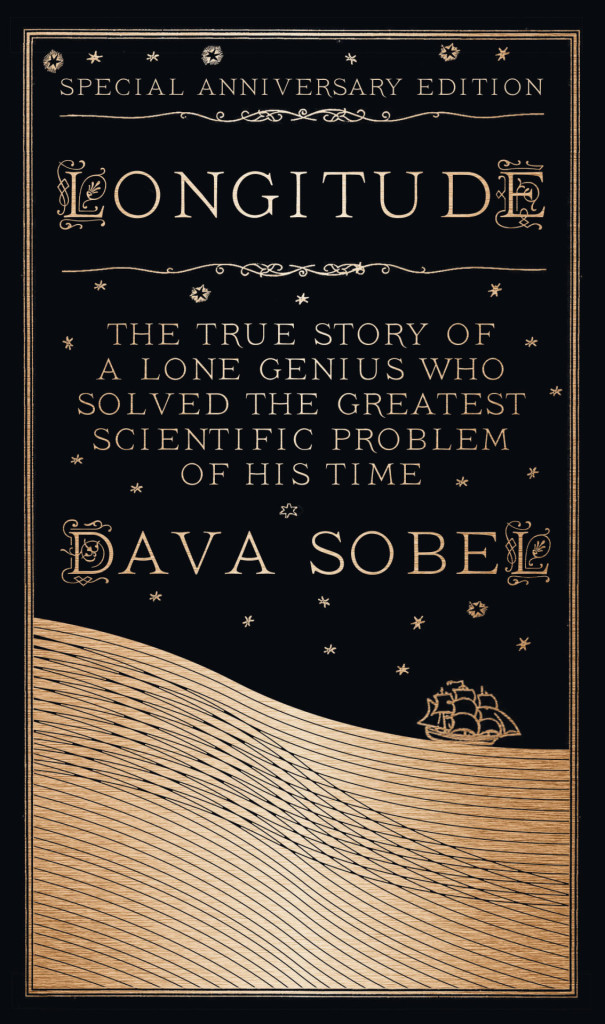
Longitude design Jo Walker

Jo Walker


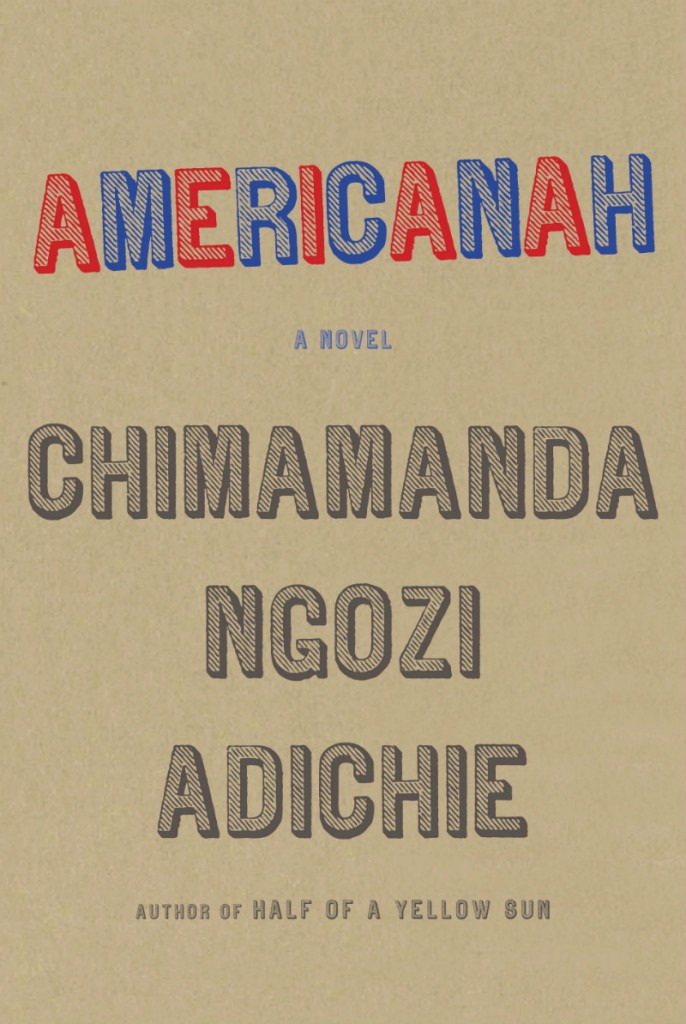
Americanah

Abby Weintraub


Living on Paper design by Amanda Weiss

Amanda Weiss


Barbara the Slut by Lauren Holmes; design by Rachel Willey (Riverhead / August 2015)

Rachel Willey


middle-c_

Gabriele Wilson


Design Megan Wilson, photograph Saul Leiter

Megan Wilson


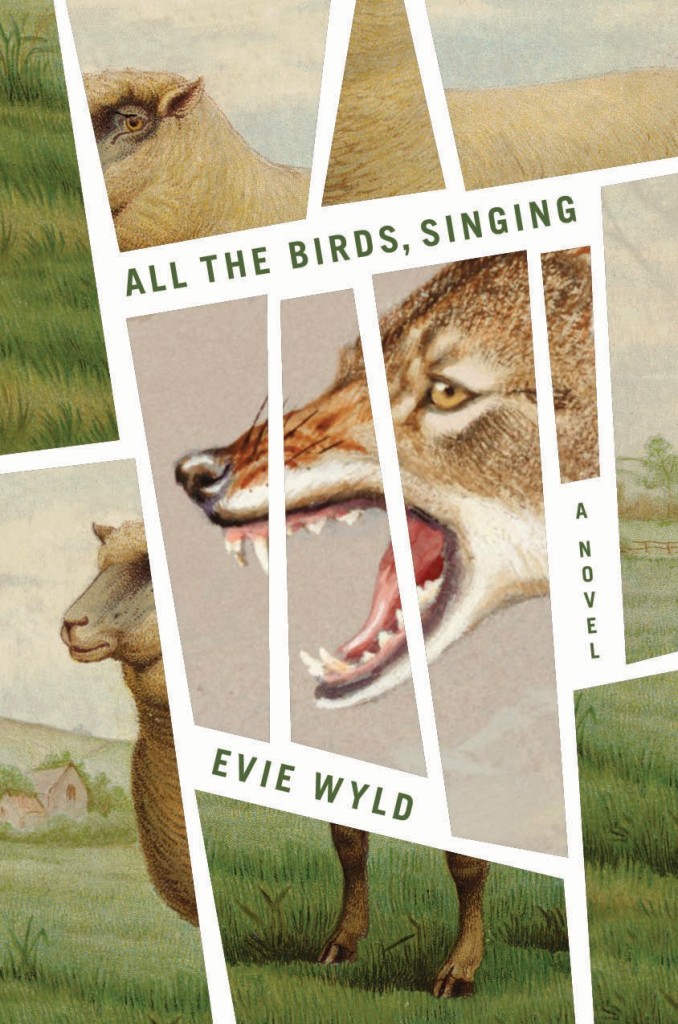
All the Birds design by Joan Wong

Joan Wong


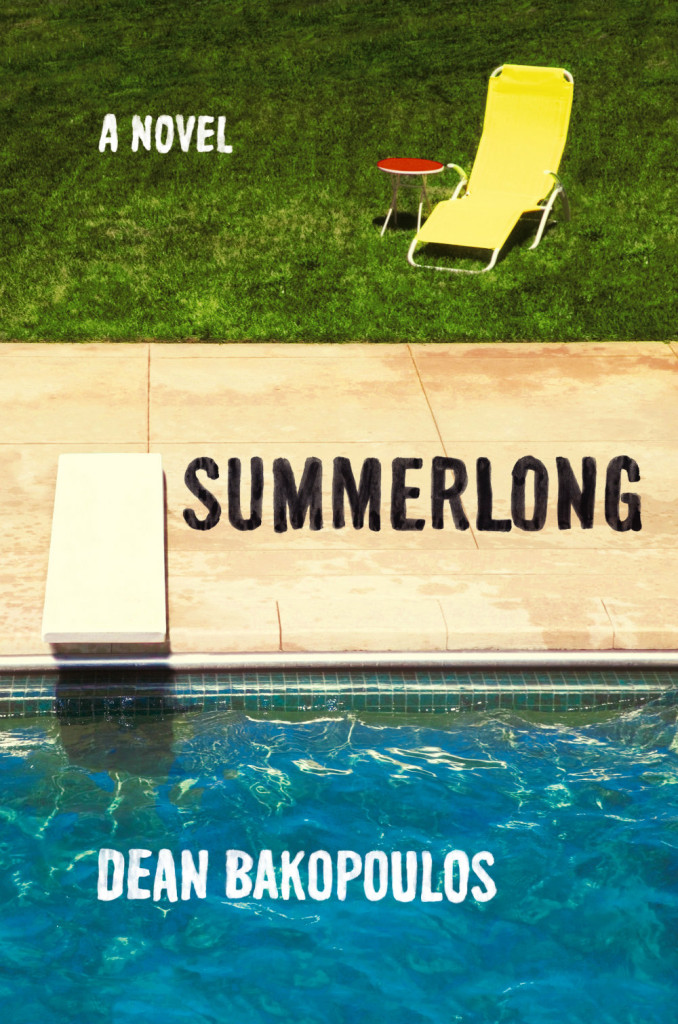
Summerlong design Sara Wood

Sara Wood


MythOfSis

Helen Yentus


  1. Justine Anweiler
  2. Coralie Bickford-Smith
  3. Kelly Blair
  4. Gabrielle Bordwin
  5. Lizzy Bromley
  6. Lynn Buckley
  7. Nicole Caputo
  8. Jennifer Carrow
  9. Carol Devine Carson
  10. Catherine Casalino
  11. Allison Colpoys
  12. Eleanor Crow
  13. Lucy Ruth Cummins
  14. Suzanne Dean
  15. Barbara deWilde
  16. Sinem Erkas
  17. Erin Fitzsimmons
  18. Alison Forner
  19. Elena Giavaldi
  20. Kimberly Glyder
  21. Carin Goldberg
  22. Jenny Grigg
  23. Janet Hansen
  24. Jennifer Heuer
  25. Karen Horton
  26. Linda Huang
  27. Anne Jordan
  28. Chin-Yee Lai
  29. Yeti Lambregts
  30. Emily Mahon
  31. Jaya Miceli
  32. Terri Nimmo
  33. Zoe Norvell
  34. Natalie Olsen
  35. Lauren Panepinto
  36. Ingrid Paulson
  37. Isabel Urbina Peña
  38. Rafi Romaya
  39. Allison Saltzman
  40. Heike Schüssler
  41. Clare Skeats
  42. Ami Smithson
  43. Charlotte Strick
  44. Jess Sullivan
  45. Jo Walker
  46. Abby Weintraub
  47. Rachel Willey
  48. Gabriele Wilson
  49. Megan Wilson
  50. Joan Wong
  51. Sara Wood
  52. Helen Yentus
22 Comments

Book Covers of Note July 2014

As well posting great cover designs for books released in July, I’ve taken this month’s round-up as an opportunity to catch up on a few I missed earlier this year. Enjoy!

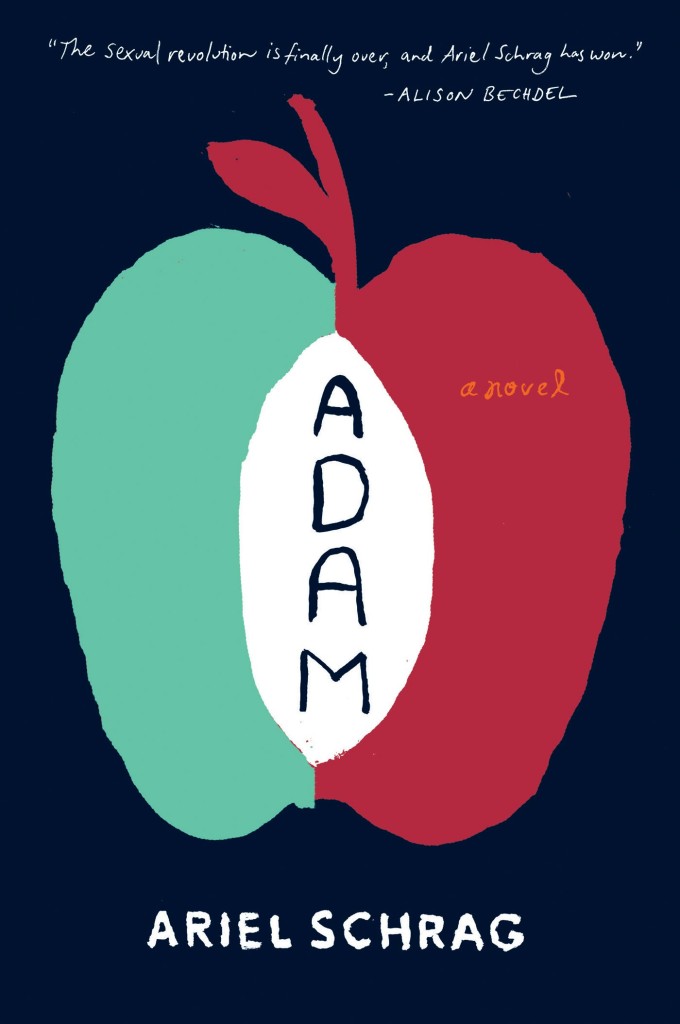
adam
Adam by Ariel Schrag; design by Christopher Moisan (Mariner June 2014)

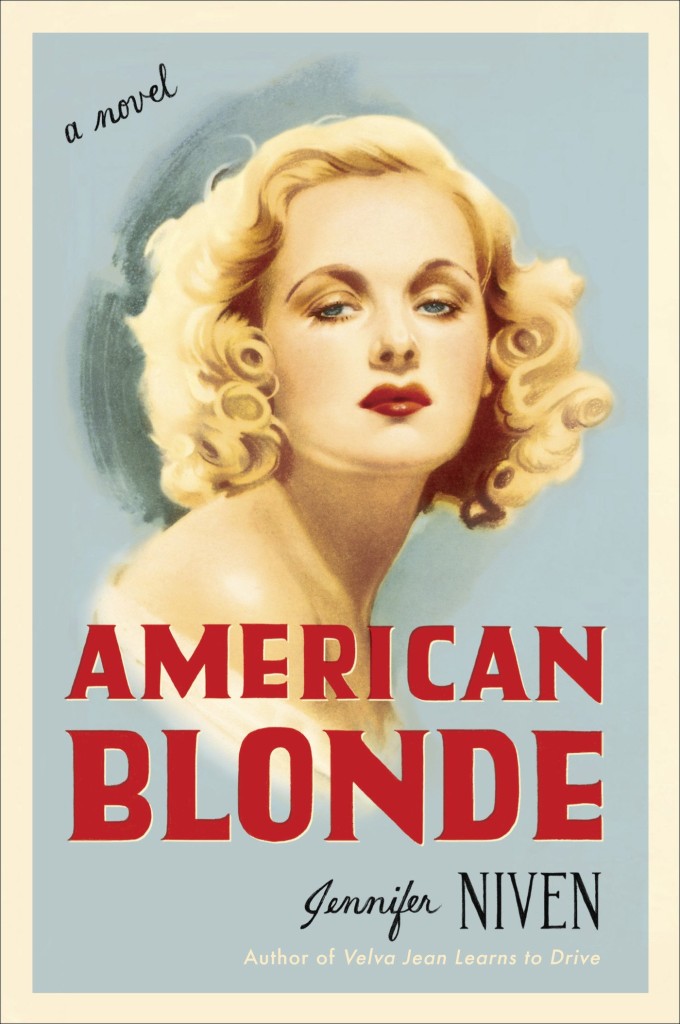
american-blonde
American Blonde by Jennifer Niven; design by Sara Wood (Plume July 2014)

9780307594792
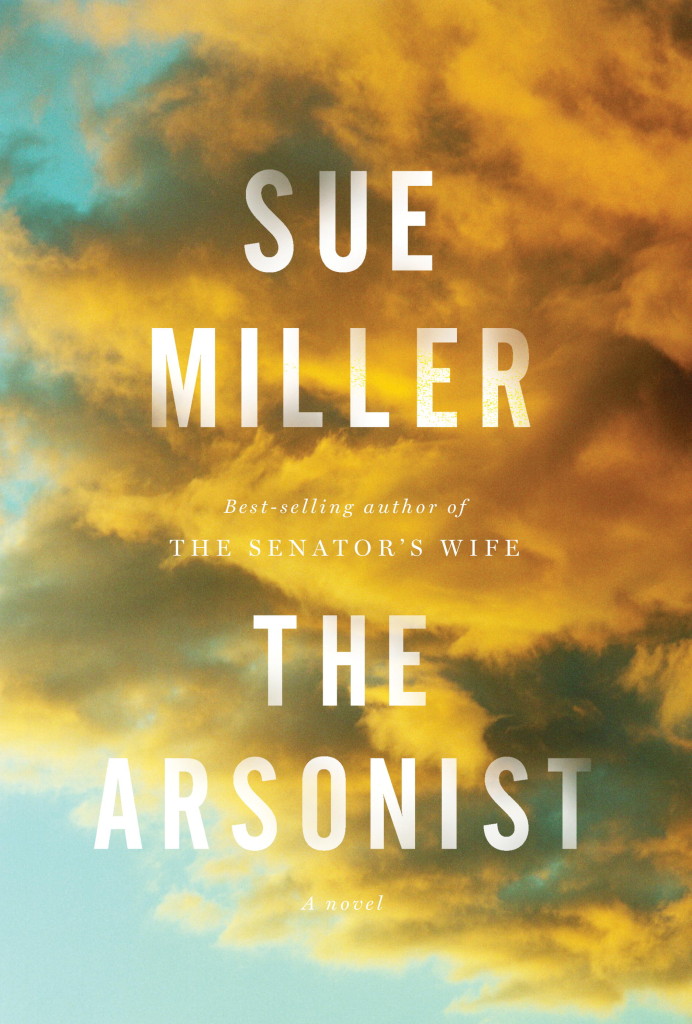
The Arsonist by Sue Miller; design by Gabriele Wilson (Knopf June 2014)

california
California by Edan Lepucki; design Julianna Lee (Little Brown & Co. July 2014)

cartwheel
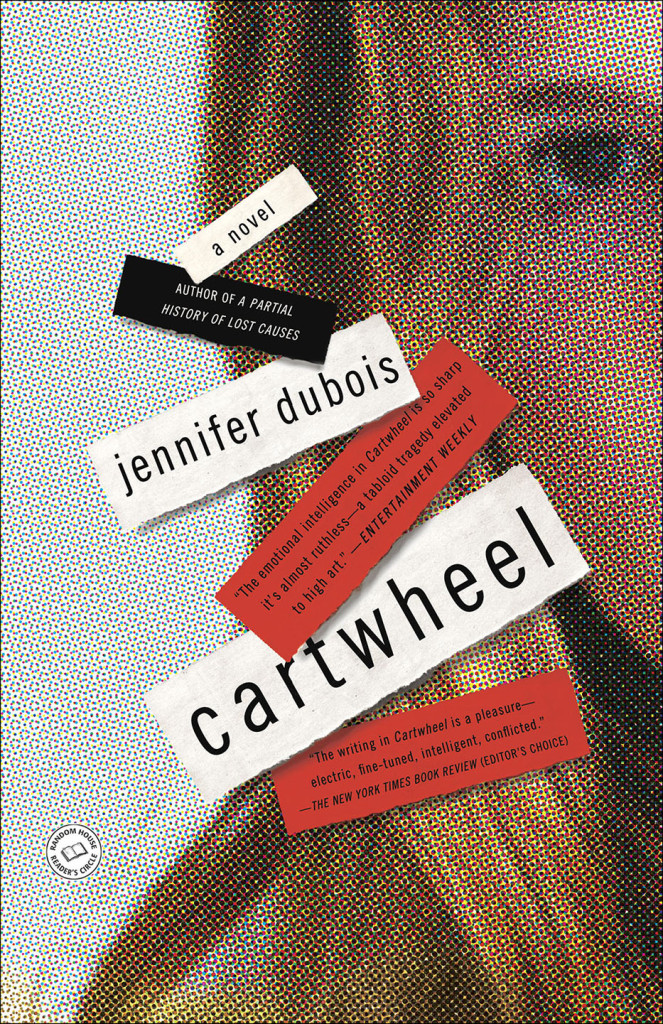
Cartwheel by Jennifer Dubois; design Eileen Carey / photograph by Kniel Synnatzschke (Random House May 2014)

cubed
Cubed by Nikil Saval; design by Oliver Munday (Doubleday April 2014)

fourth-july-creek
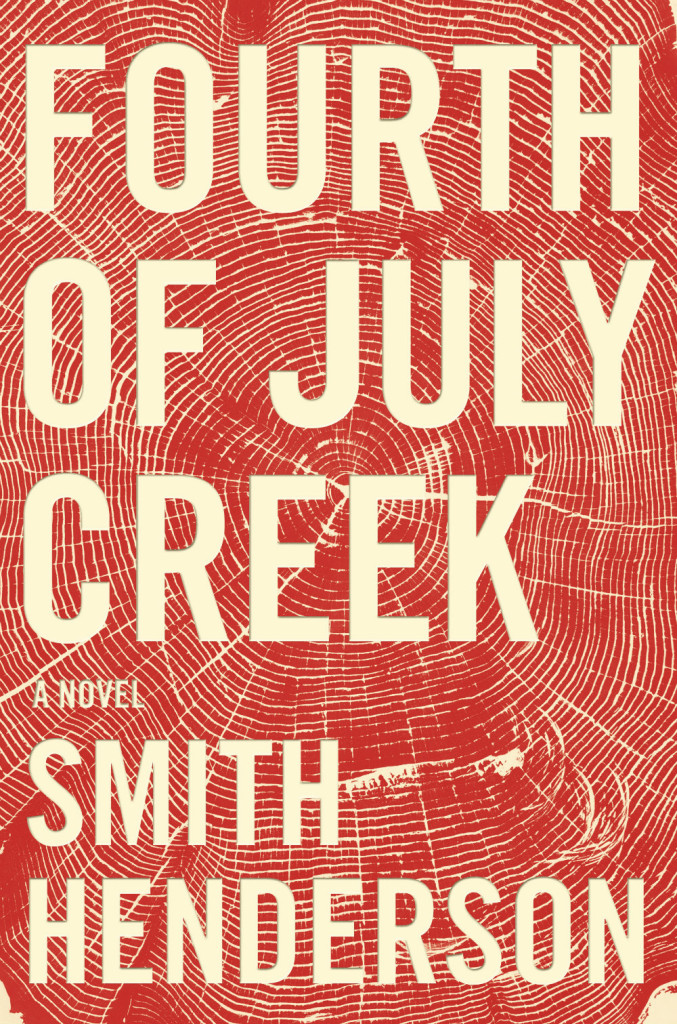
Fourth of July Creek by Smith Henderson; design by Allison Saltzman, cover art Bryan Nash Gill (Ecco June 2014)

9780374158613
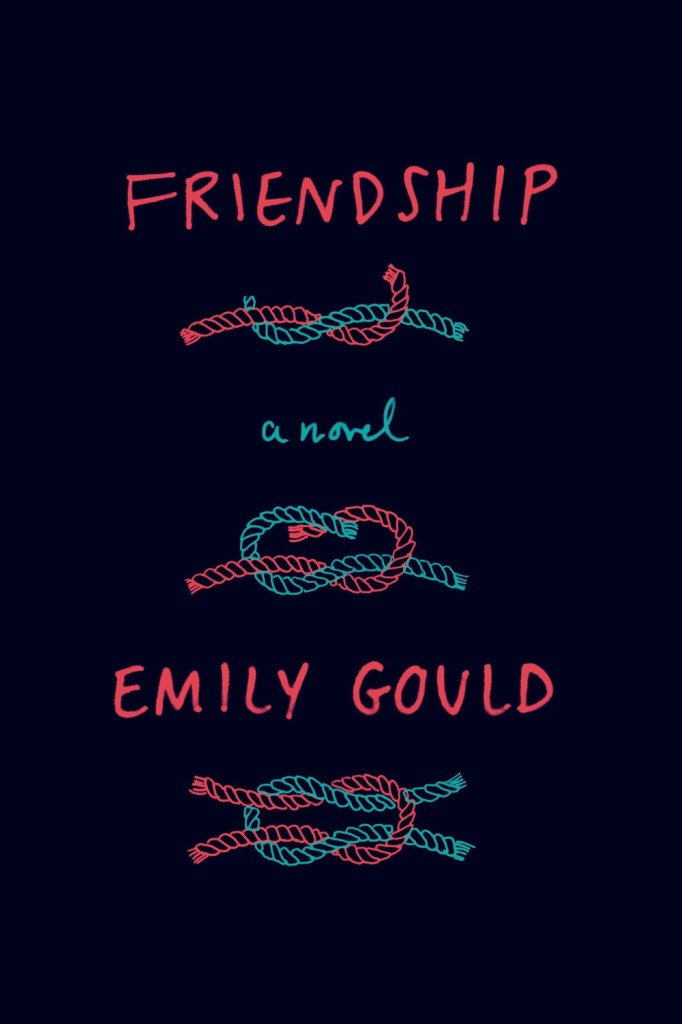
Friendship by Emily Gould; design by Jennifer Carrow (FSG July 2014)

gottland-300dpi
Gottland: Mostly True Stories from Half of Czechoslovakia by Mariusz Szczygiel; design by Christopher King (Melville House May 2014)

how-to-be-danish
How To Be Danish by Patrick Kingsley; design by Andrew Smith (Atria February 2014)

9780670786107
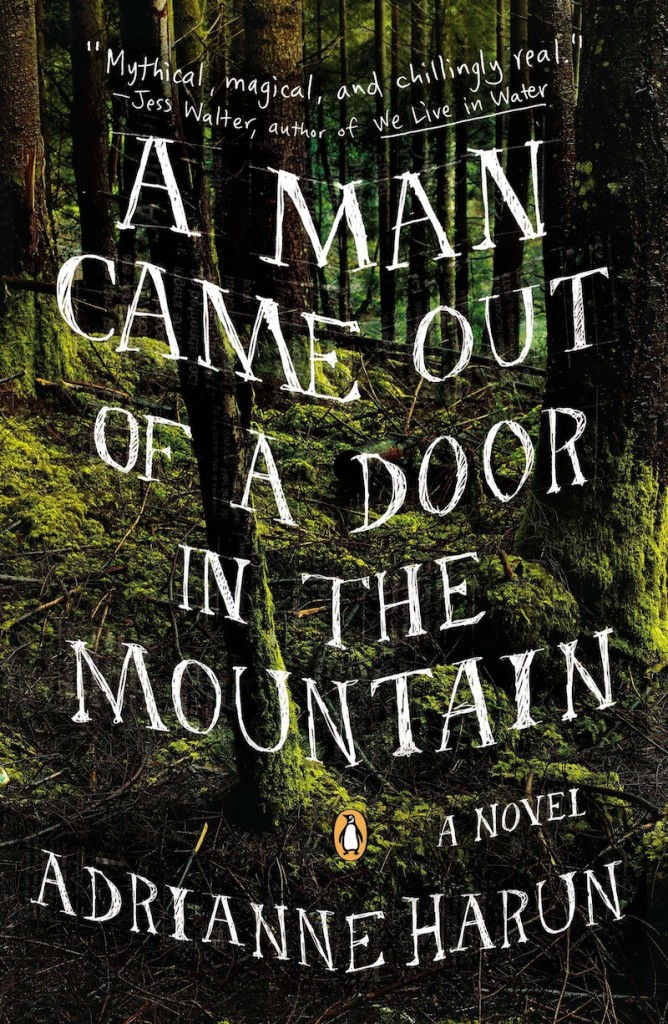
A Man Came Out of a Door in the Mountain by Adrianne Harun; design by Kristen Haff (Penguin February 2014)

the-martian
The Martian by Andy Weir; design by Eric White (Crown February 2014)

8128E2fJSjL
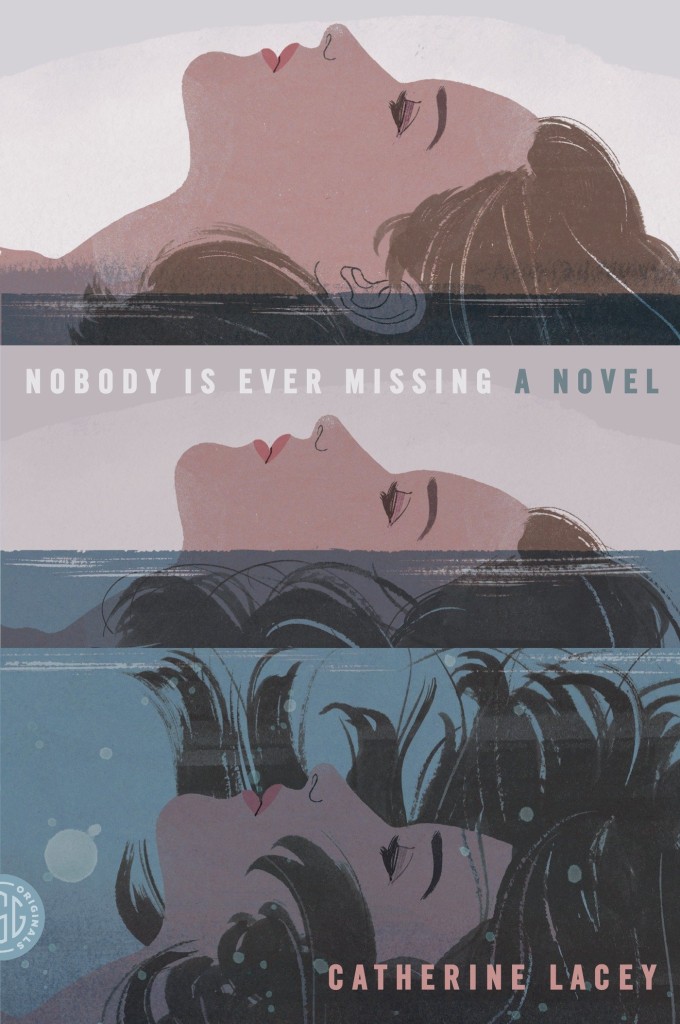
Nobody is Ever Missing by Catherine Lacey; design by Charlotte Strick; illustration by Patrick Leger (FSG Originals, July 2014)

no-country
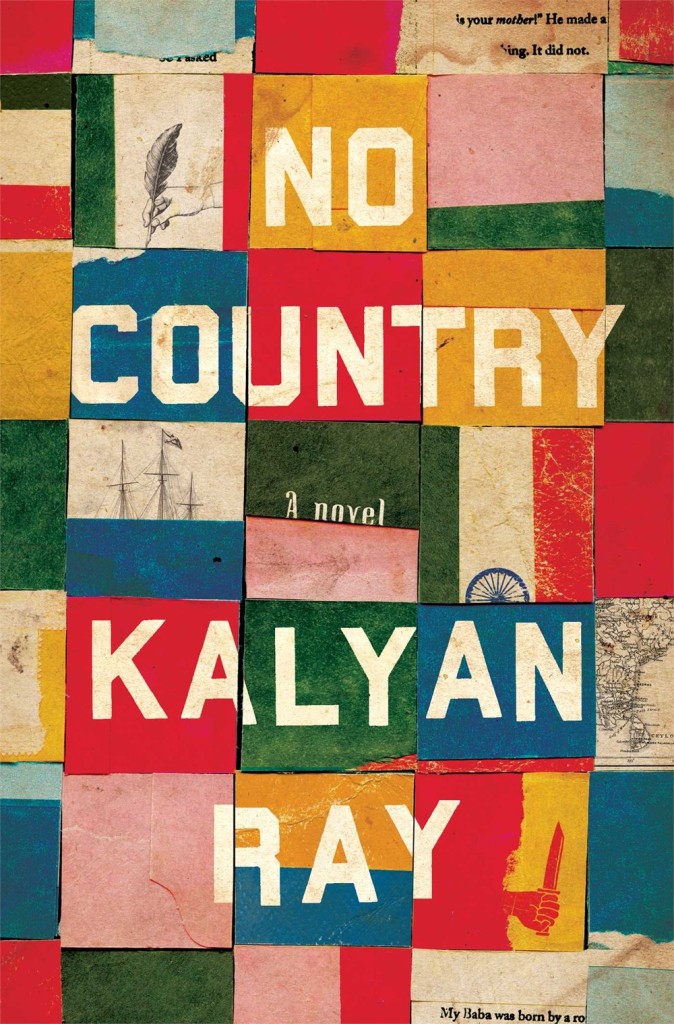
No Country by Kalyan Ray; design by Christopher Lin (Simon & Schuster June 2014)

My Fellow Skin

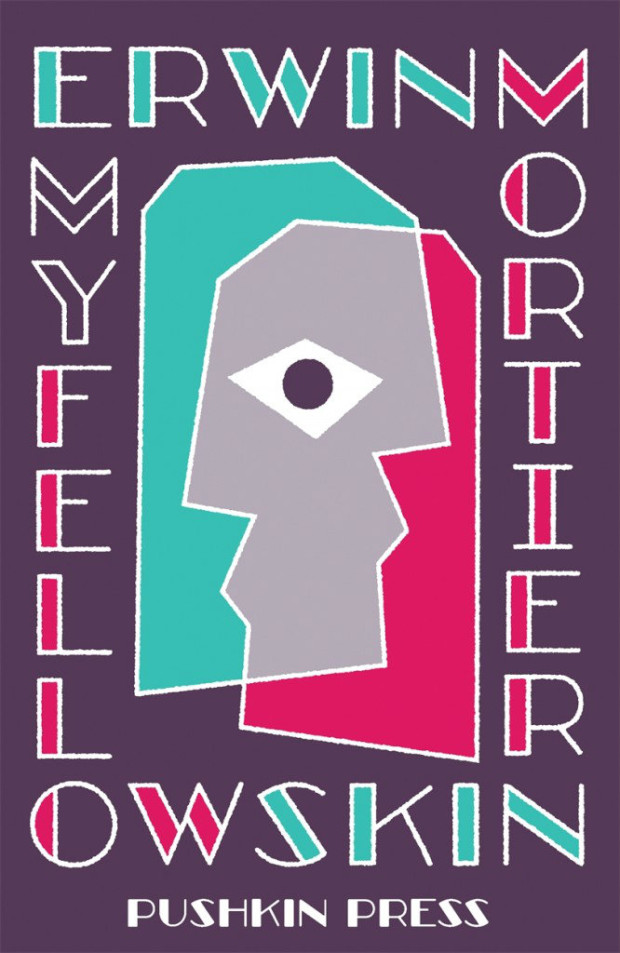
My Fellow Skin / Shutterspeed / Marcel by Erwin Mortier; design by David Pearson (Pushkin Press July 2014)

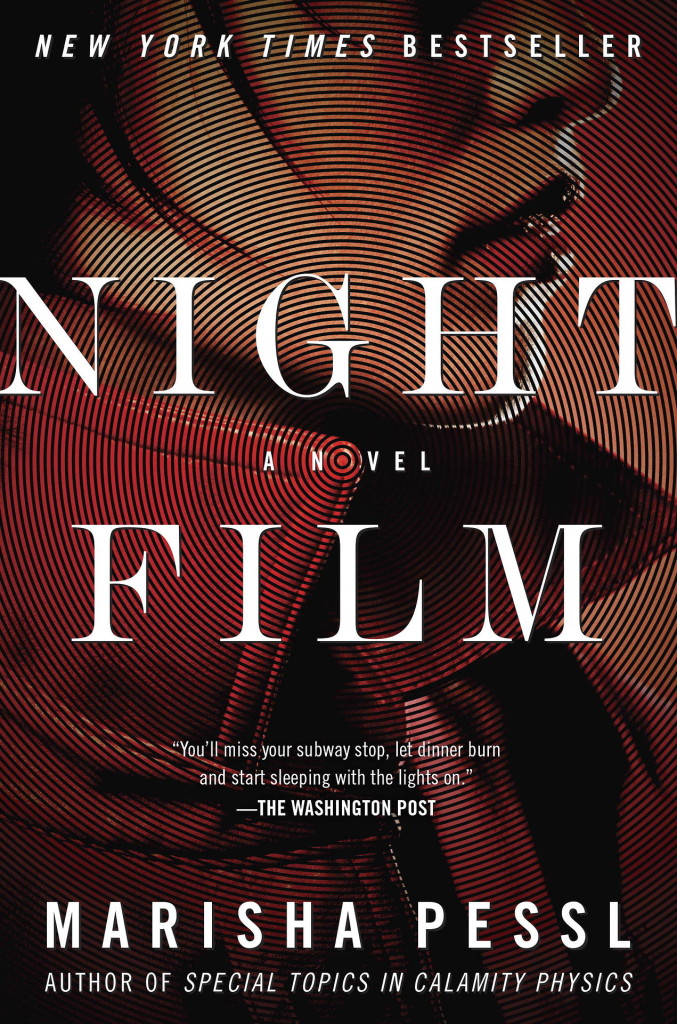
night film
Night Film by Marisha Pessl; design by Shasti O’Leary Soudant (Random House July 2014)

out-of-time
Out of Time by Lynne Segal; design by David A. Gee (Verso July 2014)

panic
Panic in a Suitcase by Yelena Akhtiorskaya; design by Helen YentusPhotograph by Emine Ziyatdinova (Riverhead July 2014)

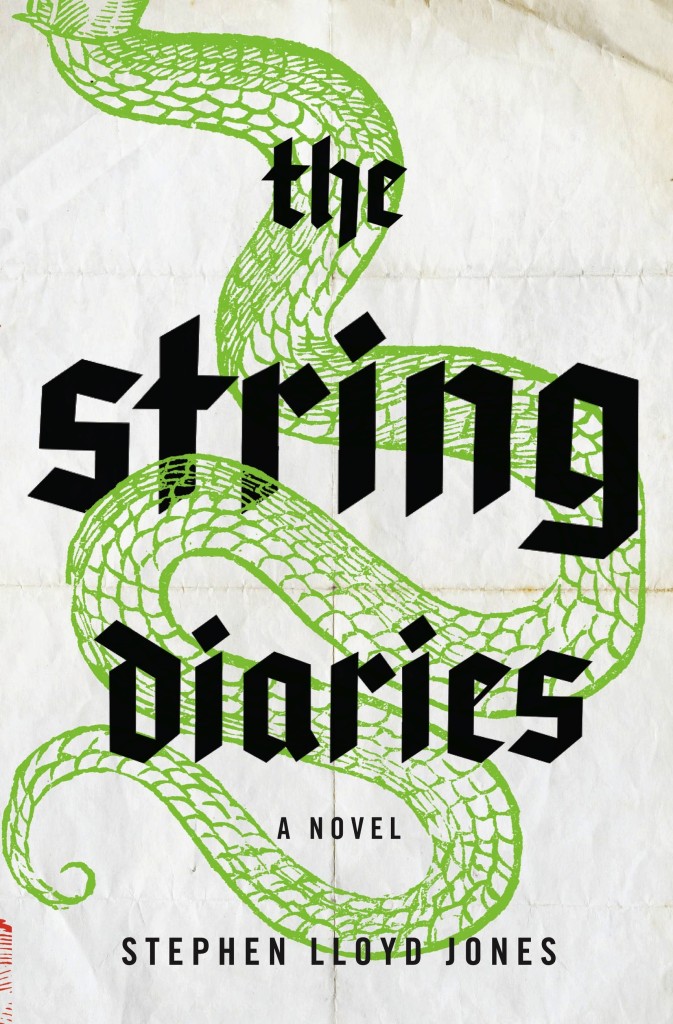
string

The String Diaries by Stephen Lloyd Jones; design by Keith Hayes (Mulholland Books July 2014)

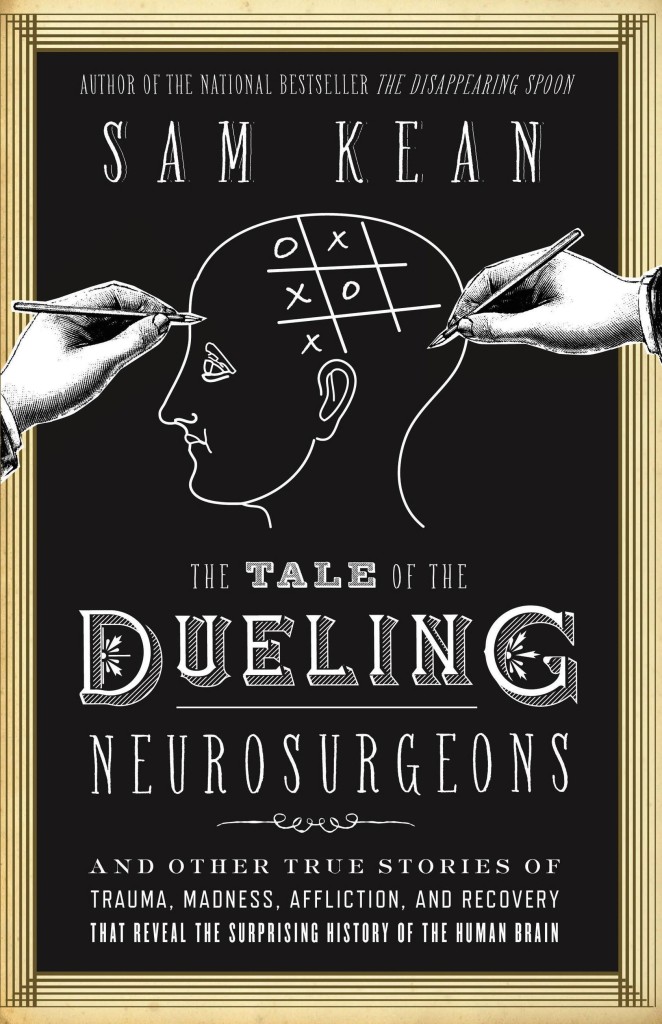
dueling-neurosurgeons
The Tale of the Dueling Neurosurgeons by Sam Kean; design by Will Staehle (Little, Brown & Co. May 2014)

Comments closed

The Bee’s Knees


Sara Wood kindly let me know that fellow designer Steve Attardo has not only started his own freelance studio NinetyNorth Design, but also delivered this rather fine jacket design for Laline Paull’s forthcoming novel The Bees.

The book’s publisher Ecco has put together a rather nice trailer based on Steve’s cover design. It was conceptualized by Ecco’s art director Allison Saltzman and animated by Justin Cassano:

Comments closed

Something for the Weekend

Defending the Unusual — Designer Allison Saltzman, art director at Ecco,  interviewed at Caustic Cover Critic:

Everywhere else I’ve worked, the books’ content still informs the cover design, but the overall aesthetic is subject to the publisher’s (and their art director’s) taste. I think the trick to happiness, in this business, is to find yourself a publisher or an art director whose taste you’re comfortable with. And you also need them to trust your instincts as a designer. I am so content at Ecco because the publisher and editors tell me about their books and the audience they’re aimed at, but then they just want me to read them and come up with cover ideas myself. Another good thing about Ecco is that the publisher wants and defends interesting and unusual covers; that’s rare.

Burying the Book — Laura Miller interviews legendary editor and writer Robert Gottlieb for Salon:

[S]ince I’ve been in publishing since the mid-’50s, I’ve lived through all the moments when doom was cried, going right back to “the medium is the message.” The book was dead — I can’t tell you how many times we’ve buried the book in my lifetime. The fact is that we haven’t buried the book, and however all this works out, we’re still not going to be burying the book. People are still going to be reading books, and whether they’re going to be reading them on a Kindle or as a regular physical hardcover book or a paperback or on their phones or listening to audiobooks, what’s the difference? A writer is still sending his or her work to you, and you’re absorbing it, and that’s reading.

Seeing the Pain — Mark Medley talks to Michael Pietsch, editor of the late David Foster Wallace, about constructing the recently released The Pale King:

“This project has been kind of all-consuming,” says Pietsch, whose only other experience editing a posthumous work came in 1985, when he worked on Ernest Hemingway’s bullfighting memoir The Dangerous Summer.

There was no outline, no list of chapters, no clues as to where Wallace planned to take the narrative. The chapters were not in sequence. The names of characters constantly changed. Pietsch thought he’d discovered the novel’s first chapter — the one which begins “Author here” — until he found a footnote explaining precisely why it wasn’t the first chapter. He laughs: “I thought, ‘Oh, I don’t even have a starting point!’ ” Still, the process “was sometimes exhilarating, delightful and joyful because I felt in his presence. And at other times heartbreaking because I saw how hard it was for him. You can’t read this book without seeing pain.”

The War of Independents — Andrew Keen, author of The Cult of the Amateur, on how online piracy is damaging independent filmmakers more than Hollywood:

One of the Internet’s greatest fallacies, its fishiest tale, is the idea of the “Long Tail.” Popularized by Wired magazine editor-in-chief Chris Anderson, first in a 2004 magazine article and then in the bestselling 2006 book, The Long Tail: Why the Future of Business Is Selling Less of More, it argues that the Internet is an ideal distribution platform for independent filmmakers, musicians, and writers struggling to compete against the financial might of mass media conglomerates… But Anderson’s argument has a fatal flaw. He forgets about Internet theft — the online cesspool of illegal peer-to-peer networks and illegal streaming services that has already decimated the music business and is now doing potentially irreparable damage to the motion picture industry. And in the face of piracy, I’m afraid, the belief that all the value in the Internet economy can be located in its tail is, literally, turned on its head. Rather than a long tail, Internet theft’s mass looting of the content industry is transforming the Internet into a fat-headed economy with everything on top — an increasingly unequal medium which discriminates against independent filmmakers and makes it harder, rather than easier, for them to make a living from today’s digital economy.

Before people yell at me, I’m sure that there are counter-arguments to Keen. Constructive ones are welcome in the comments (just leave ad hominem stuff at home).

And finally…

RUR — NPR discusses the origin on the word ‘robot’:

It was the brainchild of a wonderful Czech playwright, novelist and journalist named Karel Capek. He lived from 1880 to 1938. And he introduced it in 1920 in his hit play “RUR,” or “Rossum’s Universal Robots.”… [It] comes from an Old Church Slavonic word, rabota, which means servitude of forced labor. The word also has cognates in German, Russian, Polish and Czech. And it’s really a product of Central European system of serfdom, where a tenants’ rent was paid for in forced labor or service.

And he was writing this play about a company, Rossum’s Universal Robots, that was actually using biotechnology. They were mass-producing workers using the latest biology, chemistry and physiology to produce workers who lack nothing but a soul. They couldn’t love. They couldn’t have feelings. But they could do all the works that humans preferred not to do. And, of course, the company was soon inundated with our orders.

Well, when Capek named these creatures, he first came up with a Latin word labori, for labor. But he worried that it sounded a little bit too bookish, and at the suggestion of his brother, Josef, Capek ultimately opted for roboti, or in English, robots.


2 Comments