Skip to content

Tag: alex camlin

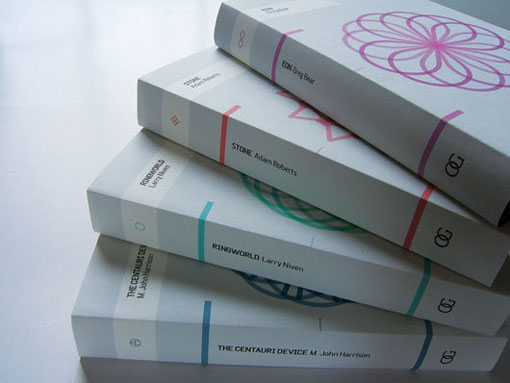
Book Covers of Note, April 2023

Hey, I hope you’re safe and well wherever you are. Here’s this month’s covers post.

All the Houses I’ve Ever Lived In by Kieran Yates; design by Holly Ovenden (Simon & Schuster / April 2023)

Ballast by Quenton Baker; design by Jamie Kerry (Haymarket / April 2023)

Birchers by Matthew Dallek; design by Alex Camlin (Basic Books / March 2023)

Blue Hunger by Viola Di Grado; design by Myunghee Kwon (Bloomsbury / March 2023)

You can read about Myunghee Kwon‘s design process for the cover of Blue Hunger at Spine Magazine.

The cover for the UK and Australian edition of Blue Hunger, published by Scribe, was designed by Luke Bird (and thank you to Guy Ivison at Scribe for providing the design credit). It’s an interesting contrast I think:

Before We Were Innocent by Ella Berman; design by Colleen Reinhart (Berkley Books / April 2023)

Unfortunately I can’t read the title of this book without thinking of this…

Dr. No by Percival Everett; design by Jamie Keenan (Influx Press / March 2023)

Greek Lessons by Han Kang; design by Anna Kochman (Hogarth / April 2023)

The Illiterate by Ágota Kristóf; design by Oliver Munday (New Directions / April 2023)

This made me think of Joan Miró drawings.

Ninth Building by Zou Jingzhi; design by Eric C. Wilder (Open Letter / April 2023)

Romantic Comedy by Curtis Sittenfeld; design by Cassie Gonzalez (Random House / April 2023)

The cover of the UK edition of Romantic Comedy, published by Transworld, was designed by Richard Ogle.

Soft Animal by Meenakshi Reddy Madhavan; design by Ahlawat Gunjan (Penguin India / April 2023)

Tell Me an Ending by Jo Harkin; design by Jaya Miceli (Scribner / January 2024)

While Supplies Last by Anita Lahey; design by David Drummond (Signal Editions / April 2023)

You can see the images David combined for this cover here.

Comments closed

Book Covers of Note, April 2021

A bit too much going on this month for my liking, but no shortage of great covers…

Car Crash by Lech Blaine; design by Design by Committee (Black Inc. / March 2021)

Crying in H Mart by Michelle Zauner; design by Na Kim (Knopf / April 2021)

This reminded me of Lynn Buckley‘s cover from a while back for On the Noodle Road by Jen Lin-Liu.

Dirt by Bill Buford; design by Gabriele Wilson (Vintage / April 2021)

The Free World by Louis Menand; design by Rodrigo Corral (Farrar, Straus & Giroux / April 2021)

From a Taller Tower by Seamus McGraw; design by Alex Camlin (University of Texas Press / April 2021)

Gold Diggers by Sanjena Sathian; design by Stephanie Ross; illustration by Sky Goodies (Penguin Press / April 2021)

Namesake by Adrienne Young; design by Kerri Resnick; photograph by Sveltana Belyaeva (Wednesday Books / March 2021)

This is, of course, only half the picture… Fable was published in September and featured in my 2020 YA cover round-up posted in January.

Nancy by Bruno Lloret; design by Gabriele Wilson (Two Lines Press / April 2021)

New York, New York, New York by Thomas Dyja; design by Rodrigo Corral (Simon & Schuster / March 2021)

Two New York covers for Mr. Corral this month.

The Penguin Book of Feminist Writing by Hannah Dawson; design by Olga Kominek (Penguin Classics / March 2021)

Oculta by Maya Motayne; design by Aurora Parlagreco and Jenna Stempel-Lobell; art by Mark Van Leeuwen (Balzer & Bray / April 2021)

The cover of Nocturna, the previous book in the series, was featured in my 2019 YA round-up.

Red Island House by Andrea Lee; design by Tristan Offit (Scribner / March 2021)

Refugee by Emmanuel Mbolela; design by Eva Gabrielsen (Farrar, Straus & Giroux / April 2021)

The Revelations by Erik Hoel; design by Alex Merto (Abrams / April 2021)

The Twelve Lives of Alfred Hitchcock by Edward White; design by Jason Ramirez (W. W. Norton / April 2021)

2034 by Elliot Ackerman and Admiral James Stavridis; design by Christopher Brian King (Penguin Press / March 2021)

Winter in Sokcho by Elisa Shua Dusapin; design Luke Bird (Open Letter / April 2021)

I believe this cover was originally used in the UK last year for the Daunt Books edition, but I missed it. Open Letter are publishing the book in the US and Canada this month, so that’s as good as an excuse as any to post the cover now.

1 Comment

Book Covers of Note March 2016

Much later than usual, here are this month’s book cover selections…

Cambodia Noir design Alex Merto
Cambodia Noir by Nick Seeley; design by Alex Merto (Simon & Schuster / March 2016)

Heads design by Alex Camlin
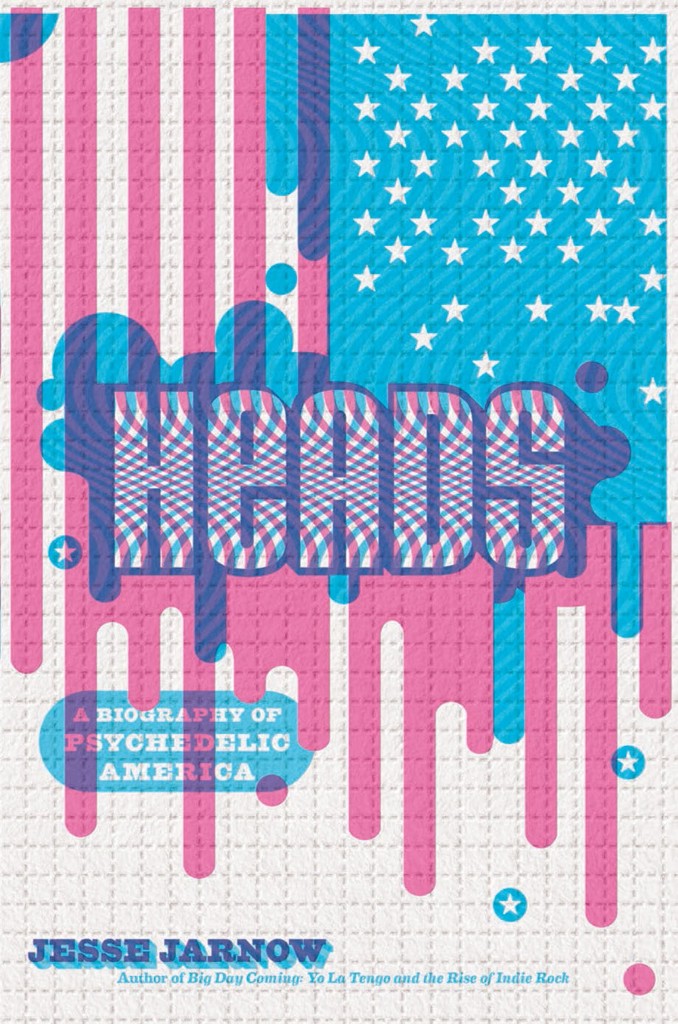
Heads by Jesse Jarnow; design by Alex Camlin (Da Capo / March 2016)

House Full of Daughters design Cressida Bell
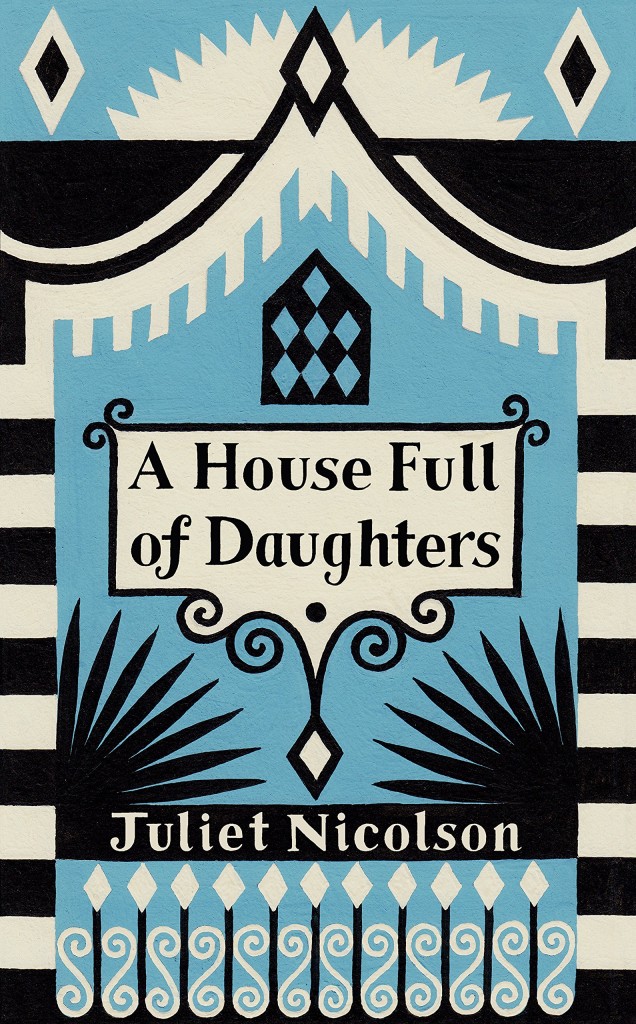
A House Full of Daughters by Juliet Nicolson; design by Cressida Bell (Chatto & Windus / March 2016)

How To Slowly Kill Yourself design Greg Heinimann
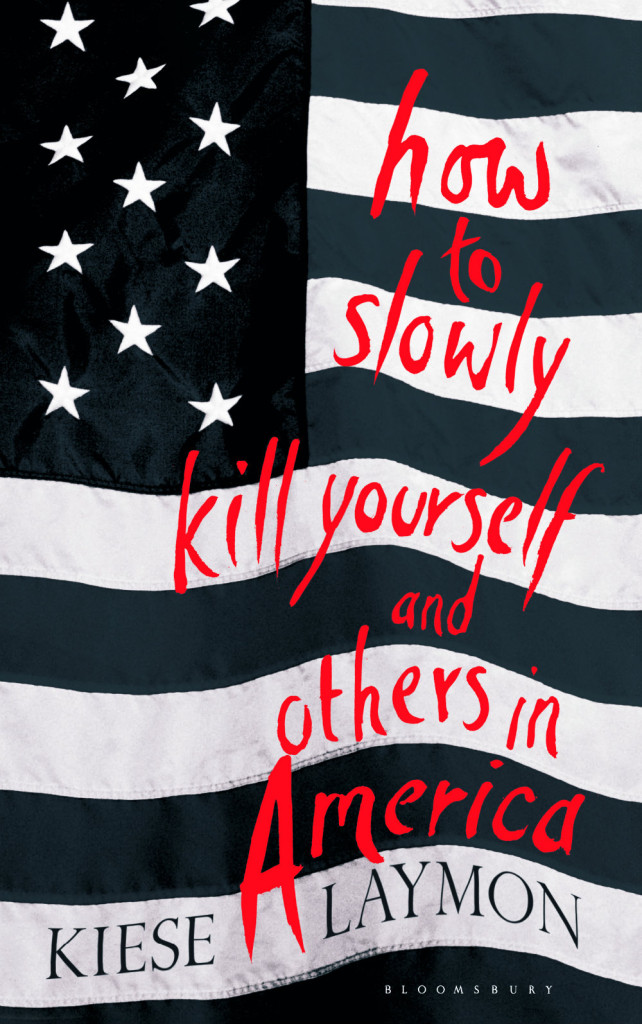
How to Slowly Kill Yourself and Others in America by Kiese Laymon; design by Greg Heinimann (Bloomsbury / March 2016)

Insignifica design Alban Fischer
Insignificana by Dolan Morgan; design by Alban Fischer (CCM / March 2016)

Knockout design by Matt Dorfman
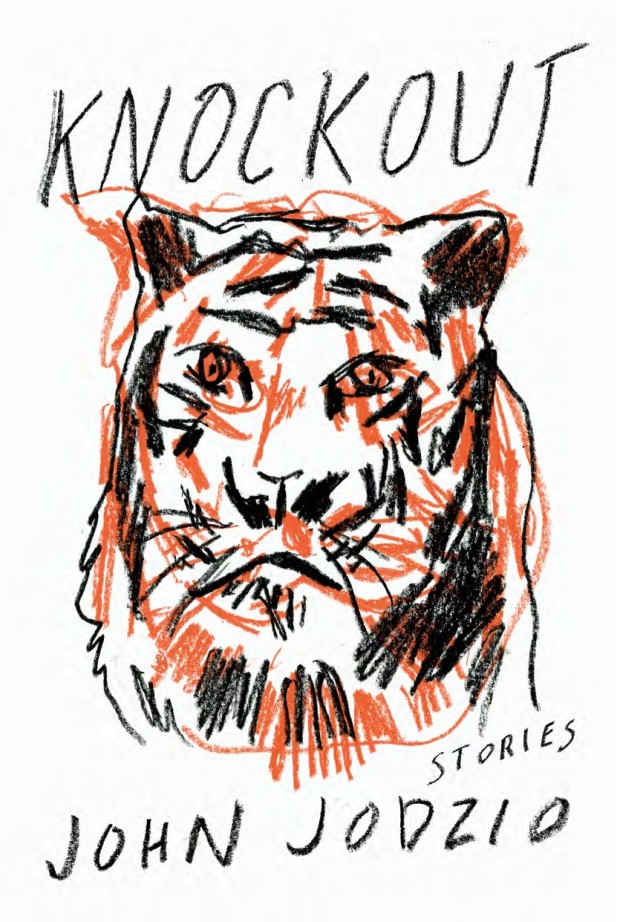
Knockout by John Jodzio; design by Matt Dorfman (Soft Skull / March 2016)

Latecomer design Doublenaut
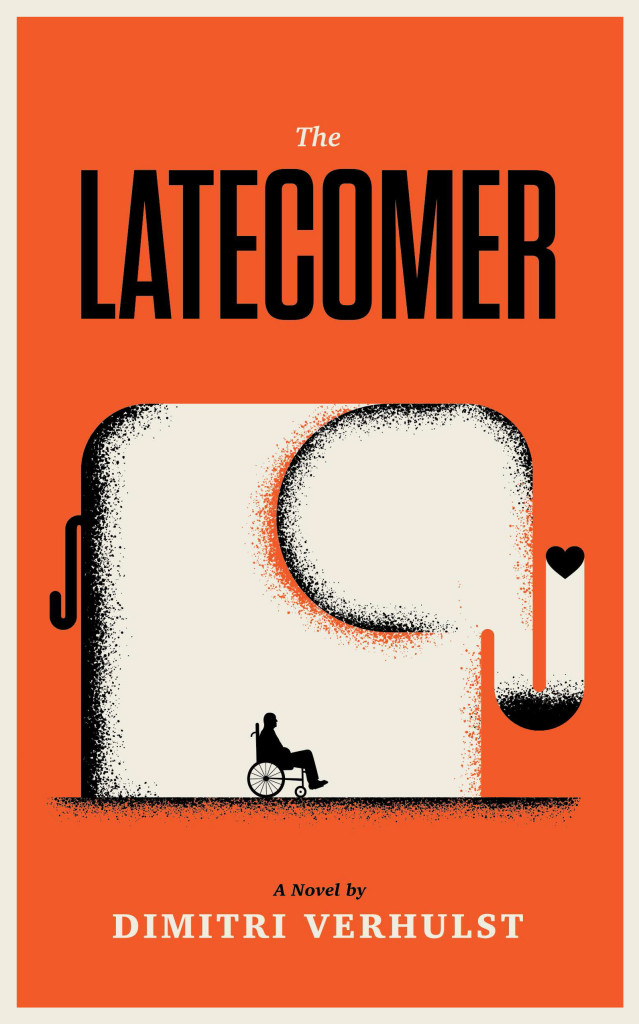
The Latecomer by Dimitri Verhulst; design Ross Proulx / Doublenaut (Portobello Books / March 2016)

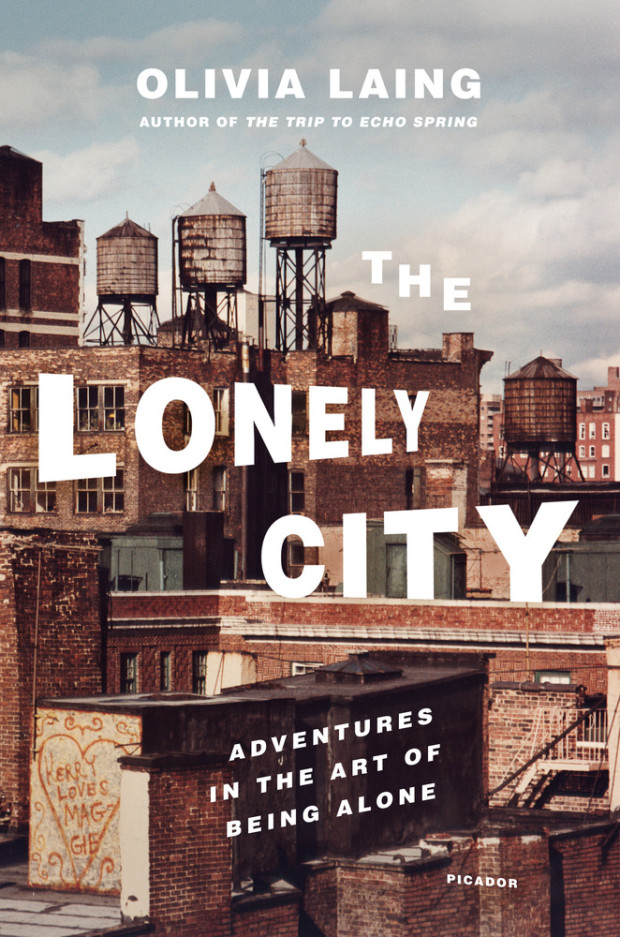
Lonely City
The Lonely City by Olivia Laing; design Henry Sene Yee; photograph by Jerome Liebling (Picador USA / March 2016)

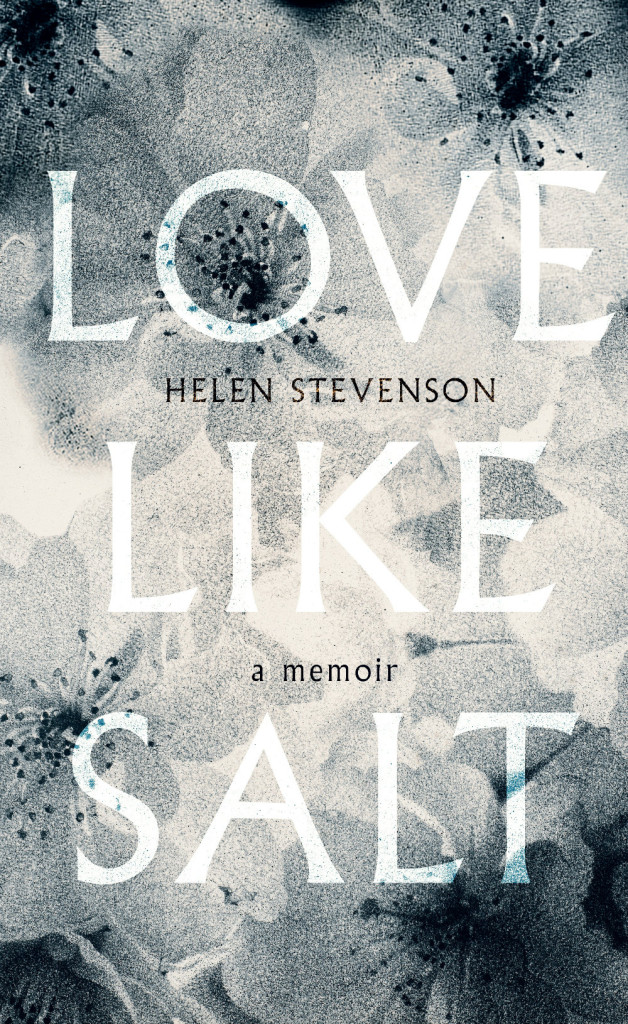
Love Like Salt design Nico Taylor image Sarah Gillespie
Love Like Salt by Helen Stevenson; design by Nico Talyor; image by Sarah Gillespie (Virago / March 2016)

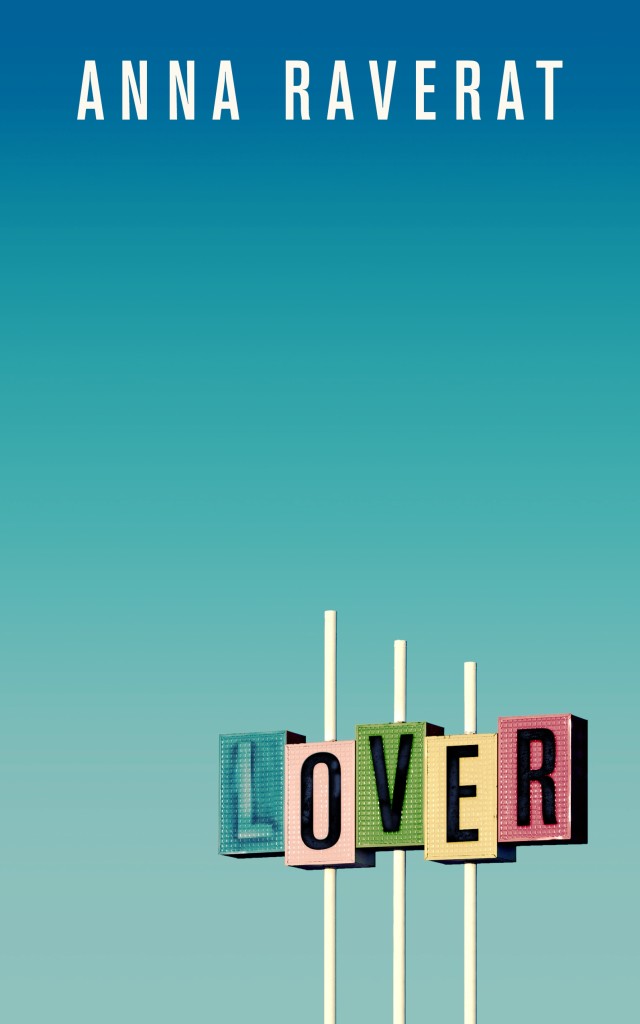
lover design Neil Lang
Lover by Anna Raverat; design by Neil Lang (Picador / March 2016)

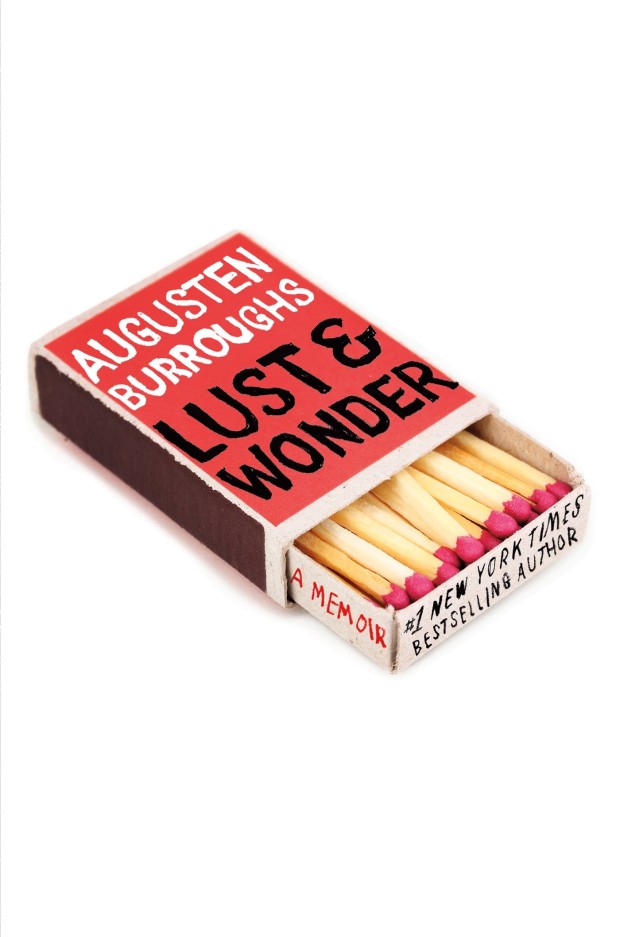
Lust and Wonder cover design Olga Grlic
Lust & Wonder by Augusten Burroughs; design by Olga Grlic (St. Martin’s Press / March 2016)

Paper Tigers design Alban Fischer
Paper Tigers by Damien Angelica Walters; design by Alban Fischer (Dark House Press / February 2016)

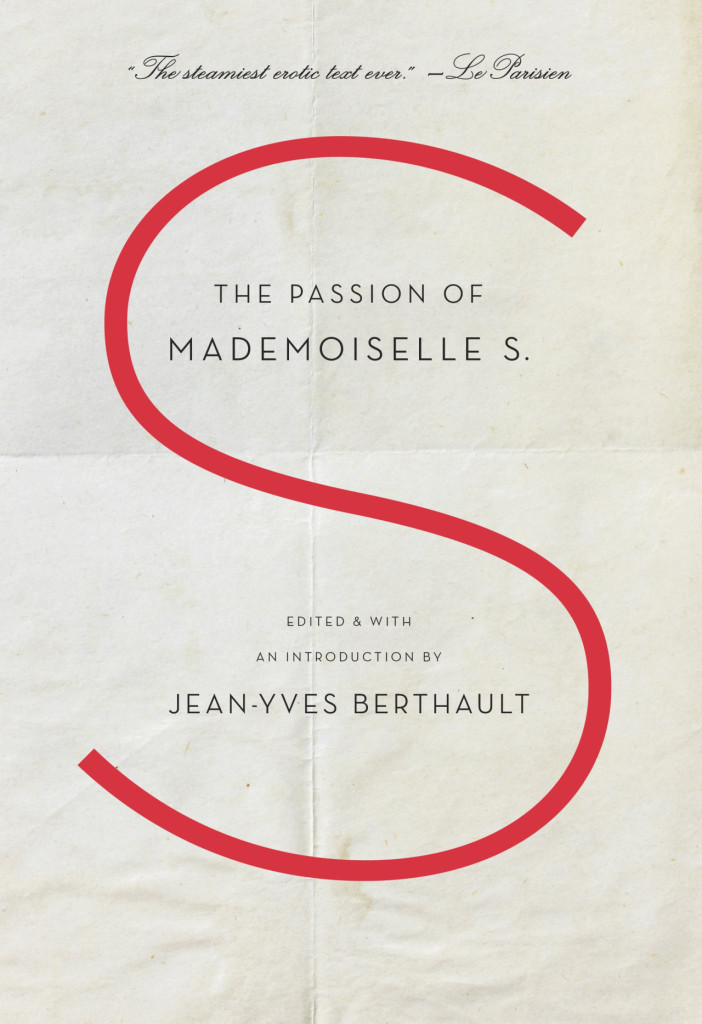
Mademoiselle S design Gabriele Wilson
The Passion of Mademoiselle S. edited by Jean-Yves Berthault; design Gabriele Wilson (Spiegel & Grau / February 2016)

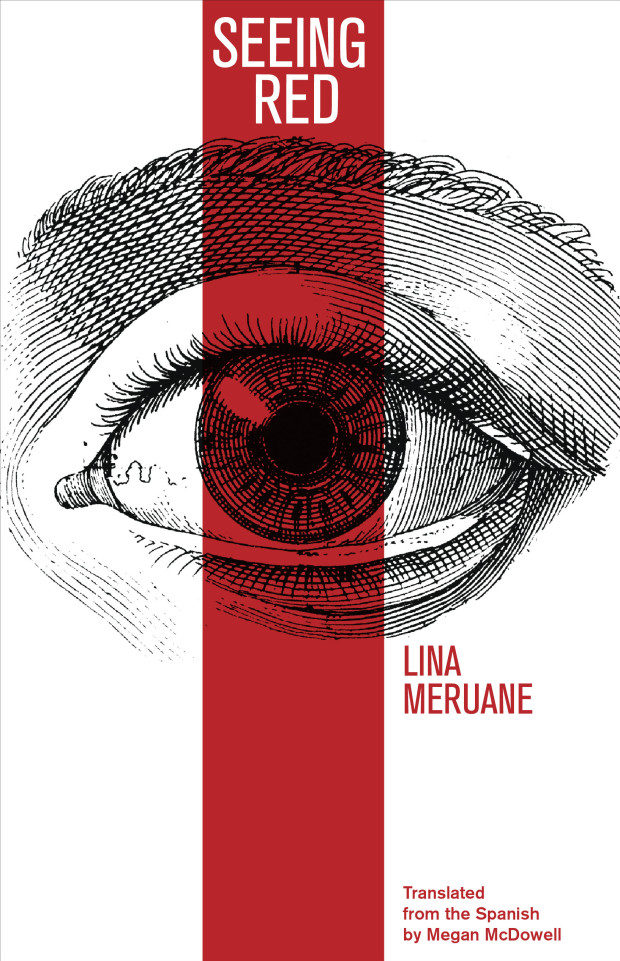
Seeing Red design by Anna Zylicz
Seeing Red by Lina Meruane; design by Anna Zylicz (Deep Vellum / March 2016)

Socialist Optimism design Emma J Hardy
Socialist Optimism by Paul Auerbach; design by Emma J. Hardy (Palgrave / March 2016)

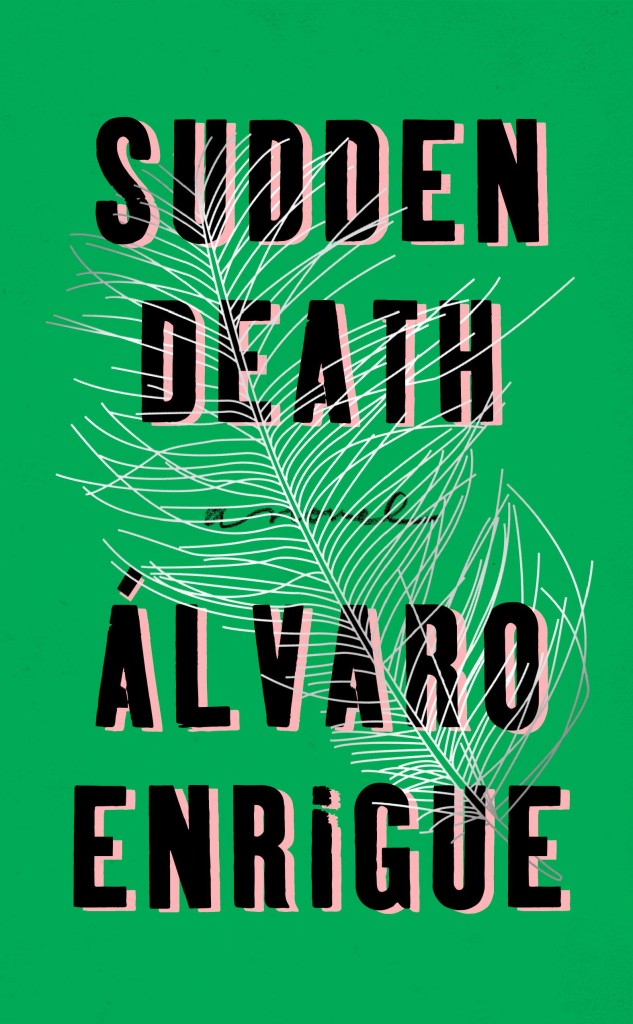
Sudden Death design Rachel Willey
Sudden Death by Álvaro Enrigue; design by Rachel Willey (Riverhead / March 2016)

Trees design David Mann
The Trees by Ali Shaw; design by David Mann (Bloomsbury / March 2016)

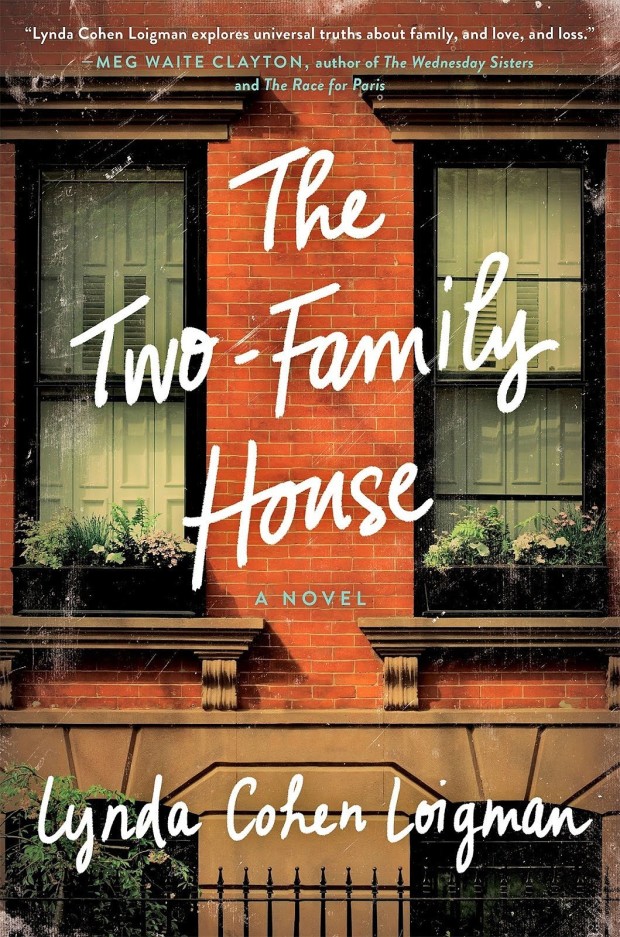
Two Family House design Sara Wood
The Two-Family House by Lynda Cohen Loigman; design by Sara Wood (St. Martin’s Press / March 2016)

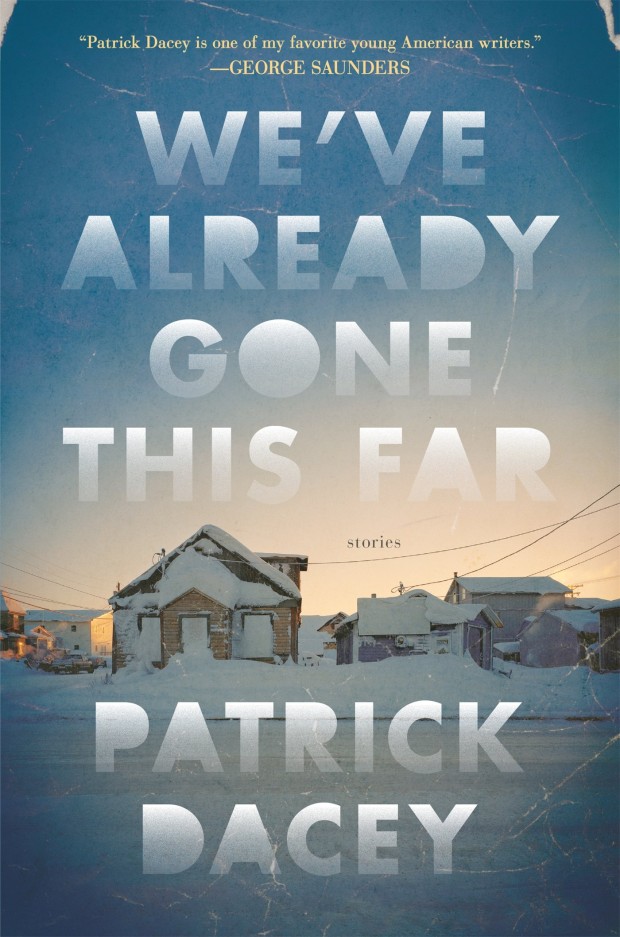
Weve Already Gone this Far design Lucy Kim
We’ve Already Gone This Far by Patrick Dacey; design by Lucy Kim (Henry Holt / March 2016)

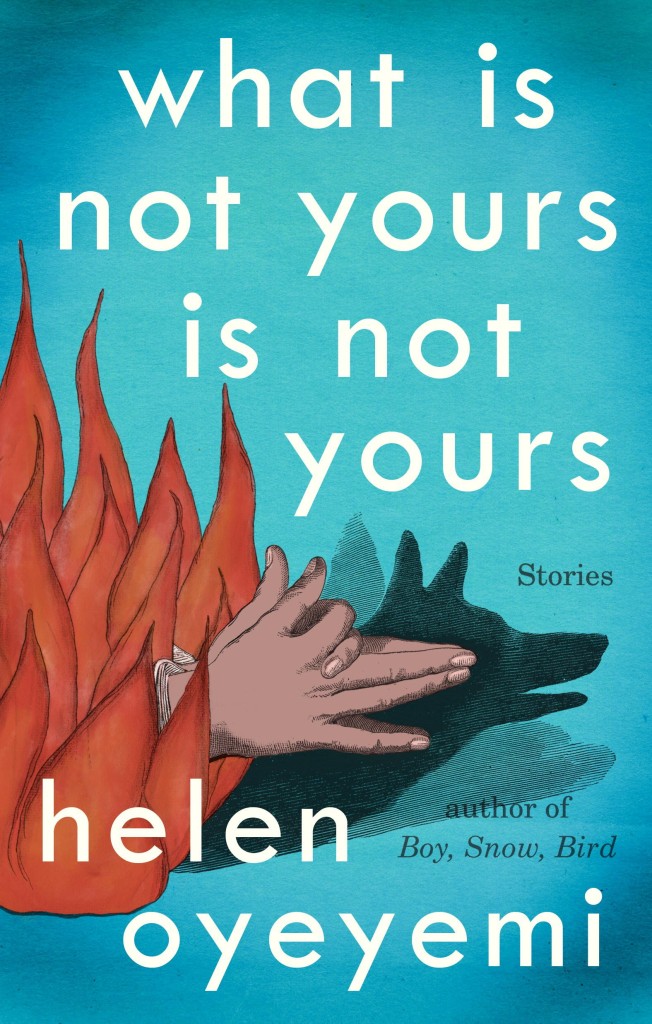
What is Yours design Helen Yentus
What Is Not Your Is Not Yours by Helen Oyeyemi; design by Helen Yentus (Riverhead / March 2016)

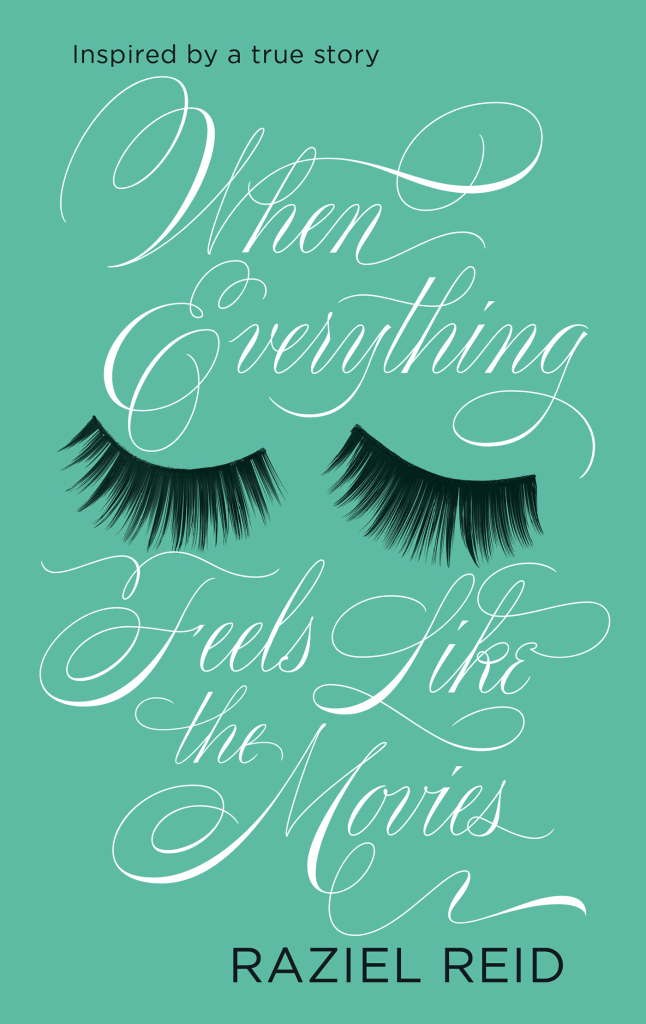
When Everything Feels Like the Movies design Ceara Elliot lettering Martina Flor
When Everything Feels Like the Movies by Raziel Reid; design Ceara Elliot; lettering and illustration Martina Flor (Atom / February 2016)

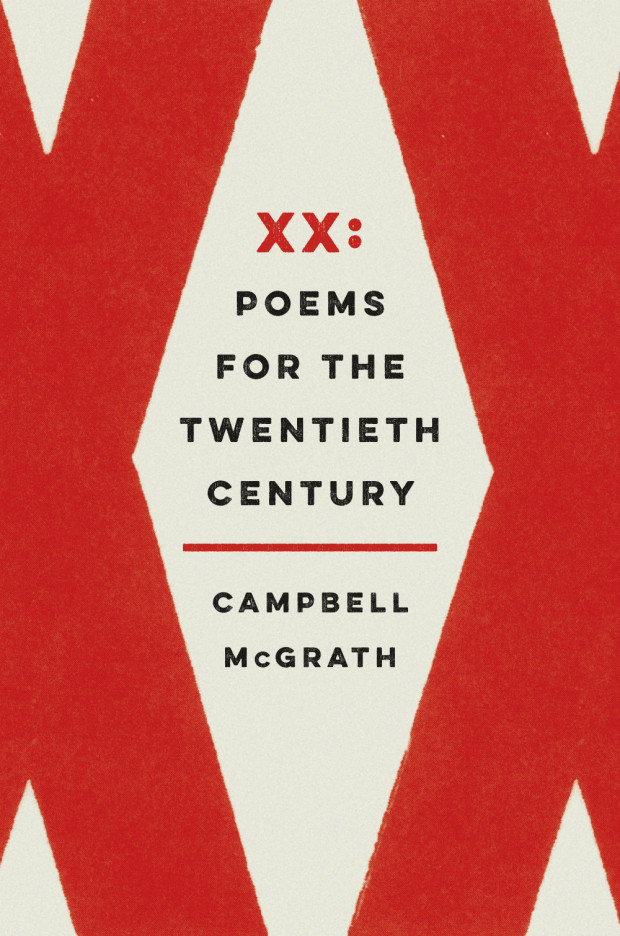
XX design Sara Wood
XX: Poems for the Twentieth Century by Campbell McGrath; design Sara Wood (Ecco / March 2016)

2 Comments

Triangles Are My Favourite Shape Part Two

To paraphrase The Smiths circa 1987, I may have started something I can’t finish with this triangles on book covers thing. Typical me. This is my second post on the topic, and there is one more in the works, but then I think I will be done. Enjoy…

Antifragile by Nassim Nicolas Taleb (Penguin hardcover November 2012)

Antifragile by Nassim Nicolas Taleb (Penguin paperback November 2013)

Design by Jim Stoddart

castle-kafka
The Castle by Franz Kafka; design by Peter Mendelsund (Schocken 2011)

dark-winter
The Dark Winter by David Mark; design by Jamie Keenan (Blue Rider Press October 2012)

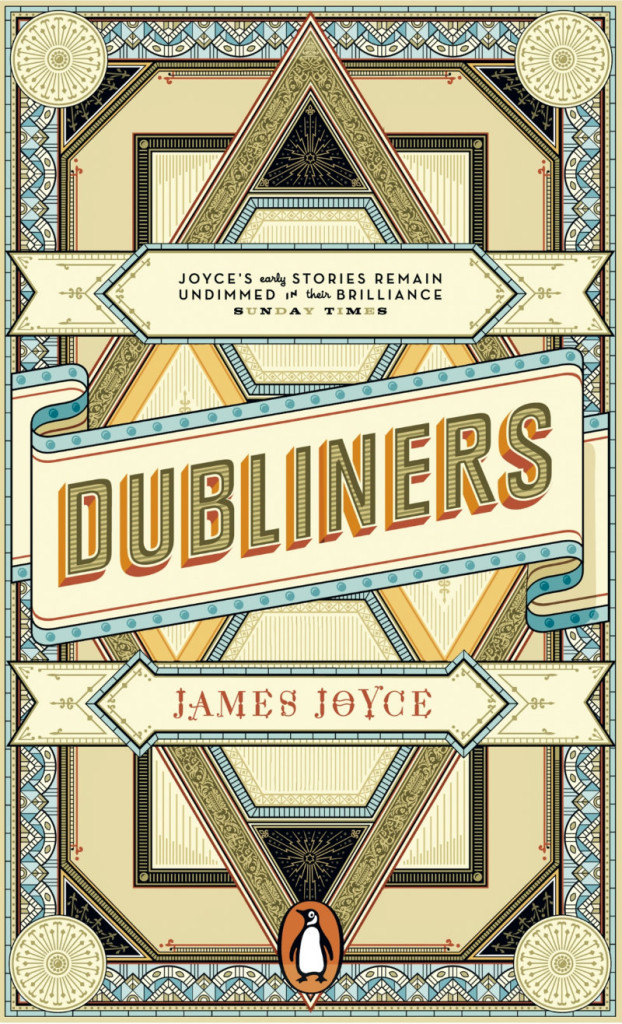
dubliners
Dubliners by James Joyce; artwork Apfel Zet (Penguin April 2012)

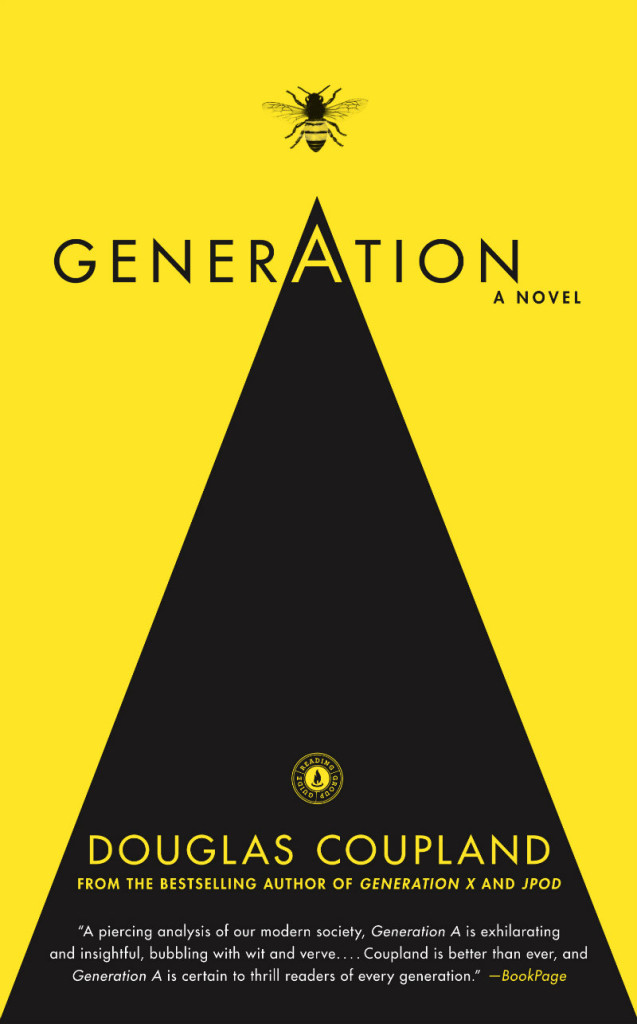
generation-a
Generation A by Douglas Coupland; design by Jennifer Heuer (Simon & Schuster June 2010)


On Booze by F. Scott Fitzgerald (New Directions July 2011)

The Night Before Christmas Nikolai Gogol  (New Directions Oct 2011)

Design by Rodrigo Corral

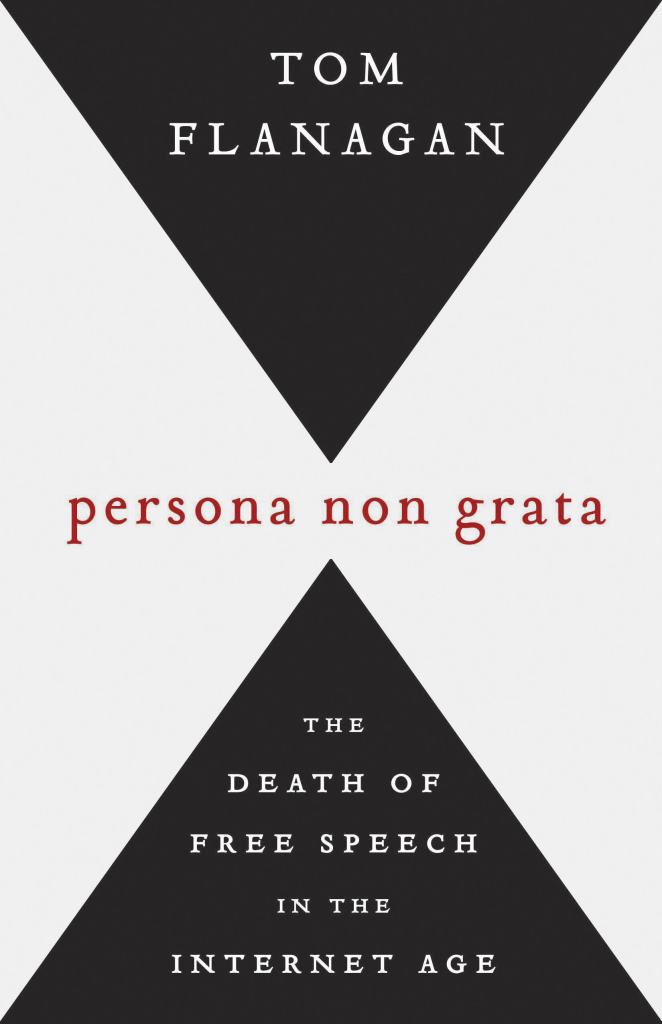
persona-non-grata
Persona Non-Grata by Tom Flanagan; design by Scott Richardson (Random House April 2014)

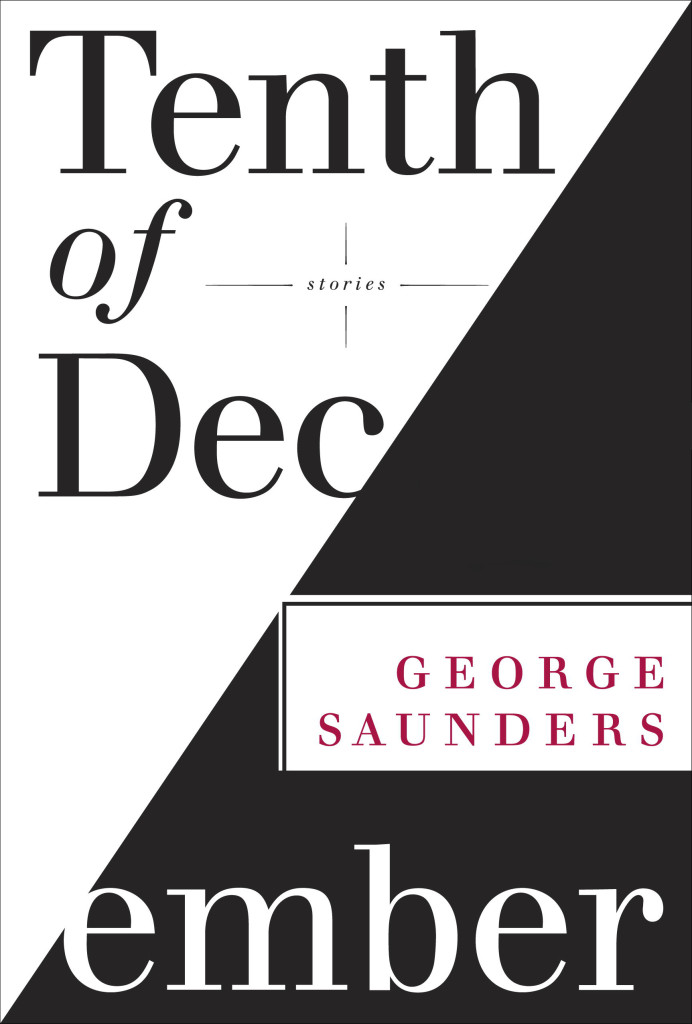
Tenth-of-December
Tenth of December by George Saunders; design by Chelsea Cardinal (Random House August 2013)

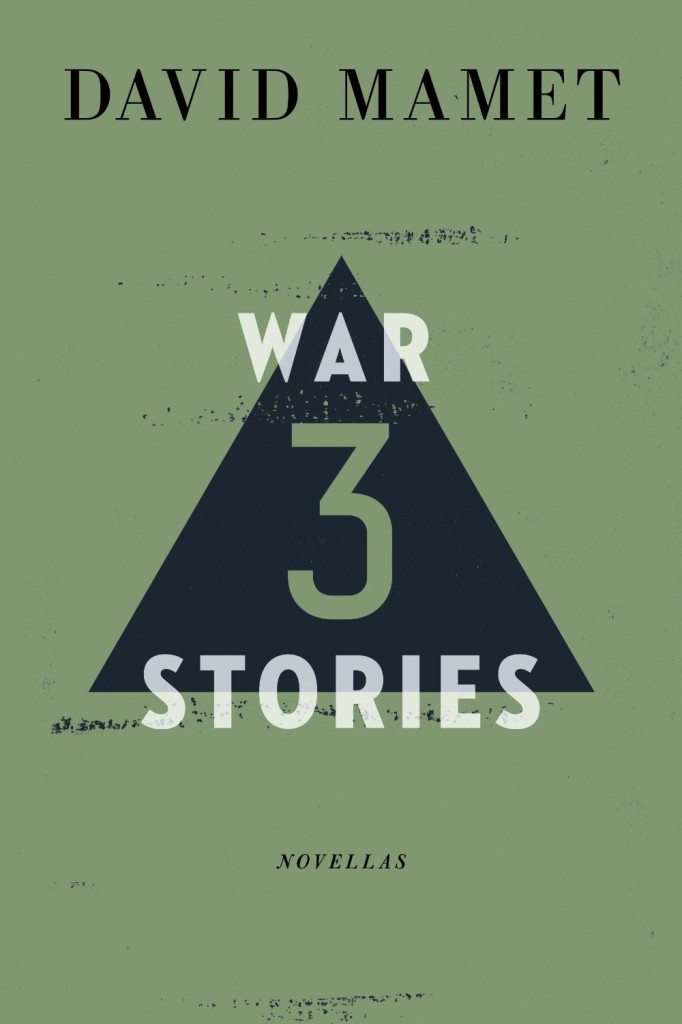
mamet-war-stories
Three War Stories by David Mamet; design by Alex Camlin (Argo-Navis November 2013)

This slideshow requires JavaScript.

3 Comments

Triangles Are My Favourite Shape

Let’s tessellate…

I’ve been thinking a lot about triangle patterns recently (that’s just how my mind works — don’t ask) and collecting together a few book covers (and related matter) that use them in their designs. I thought I’d share some of the things I’ve come across here…

MythOfSis
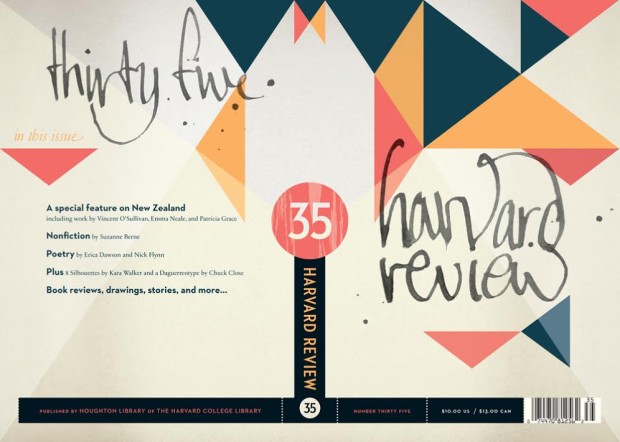
The Myth of Sisyphus by Albert Camus; design by Helen Yentus (Vintage Books 2007) harvard-review-35-full

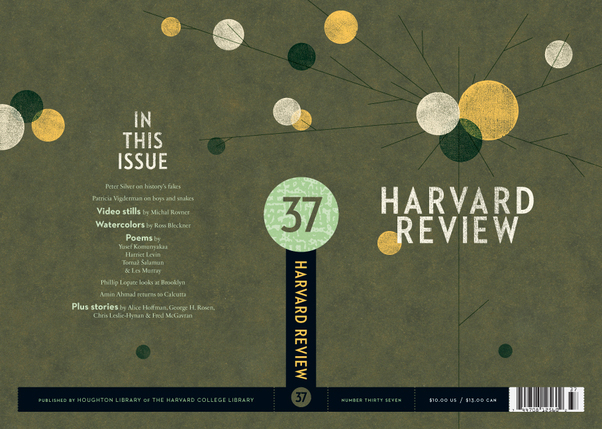
Harvard Review #35 (Fall 2008), #39 (Fall 2010) and #41 (Winter 2011); design by Alex Camlin

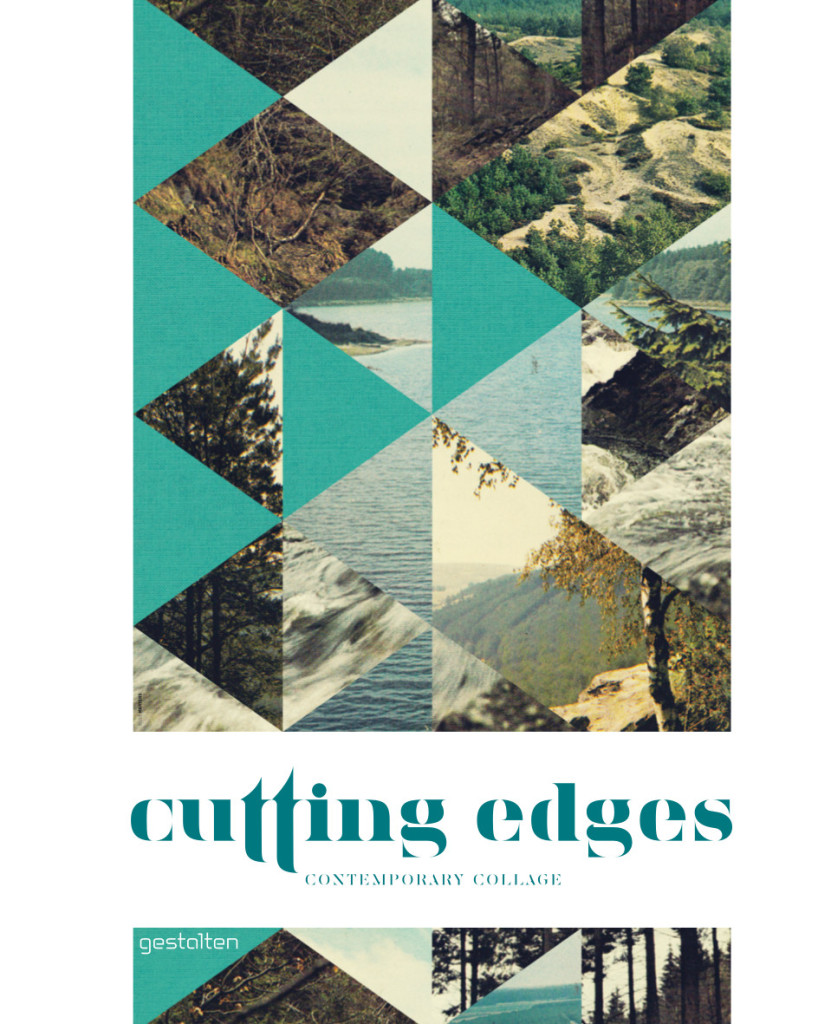
cuttingedges cutting-edges-gestalten

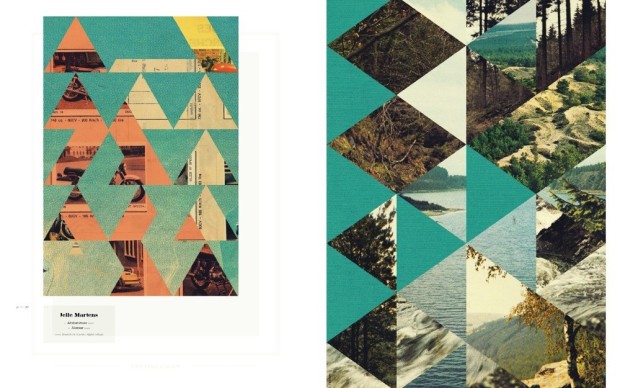
cutting-edges-jelle-martens
Cutting Edges: Contemporary Collage edited by Robert Klanten, Hendrik Hellige and J. Gallagher (Gestalten February 2011) — collages by Jelle Martens

traveller-of-the-century
Traveller of the Century by Andrés Neuman; design by Clare Skeats (Pushkin Press, January 2013)

LaBoîteAuxLettresDuCimetière_1000

LaSolutionEsquimauAW

la-troisieme-balle

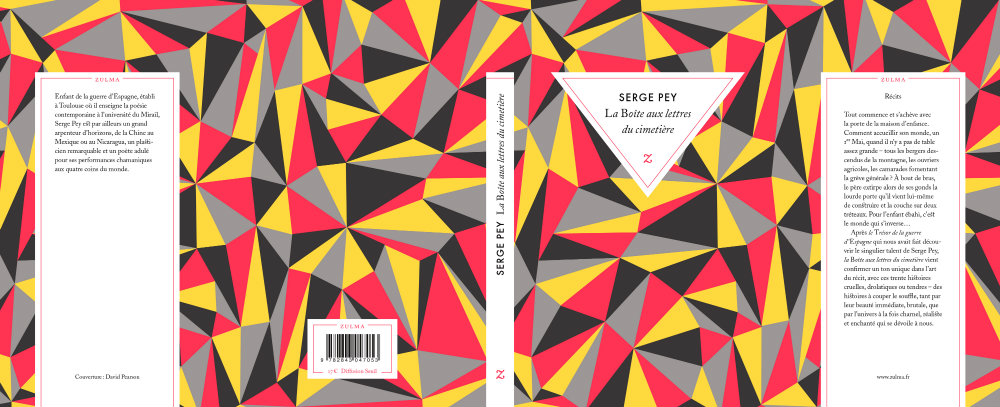
La Boîte aux lettres du cimetière by Serge Pey (Éditions Zulma February 2014)

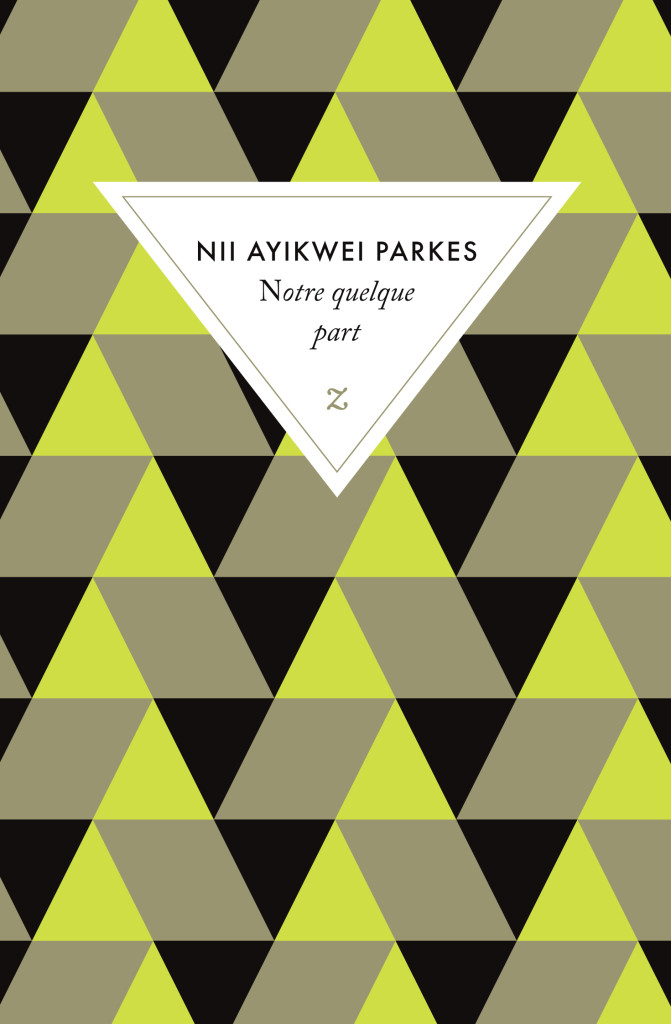
Notre quelque part by Nii Ayikwei Parkes (Éditions Zulma February 2014)

Dictionnaire du parfait cynique by Roland Jaccard (Éditions Zulma March 2007)

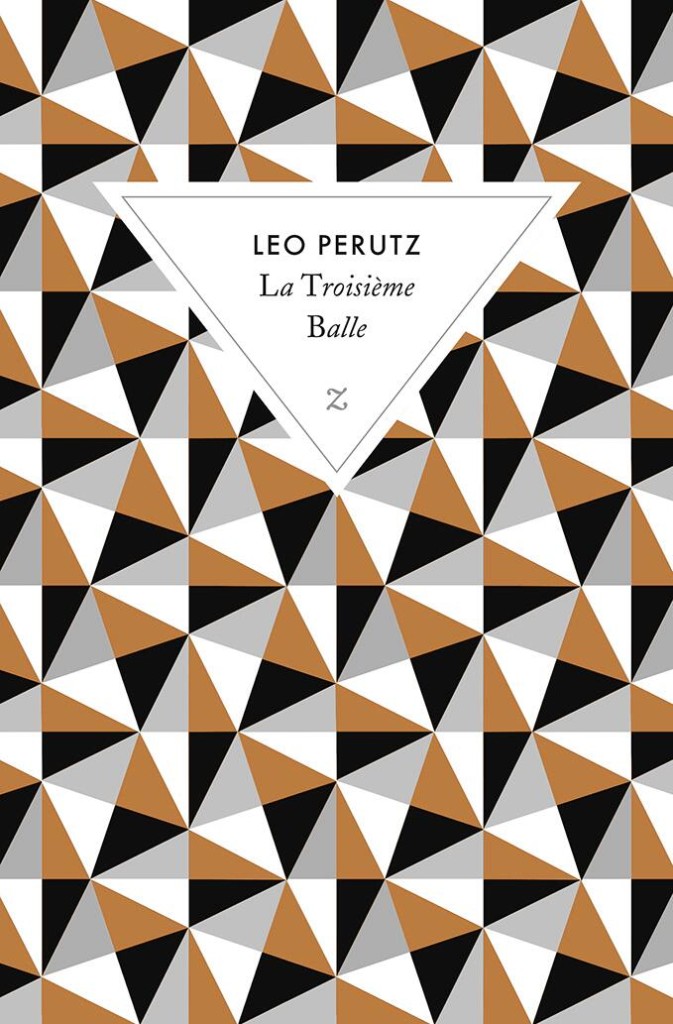
La Troisième Balle by Leo Parutz (Éditions Zulma October 2014)

Design by David Pearson

(I also rather like the cover for Le Goût âpre des kakis by Zoyâ Pirzâd as well)

sounds good
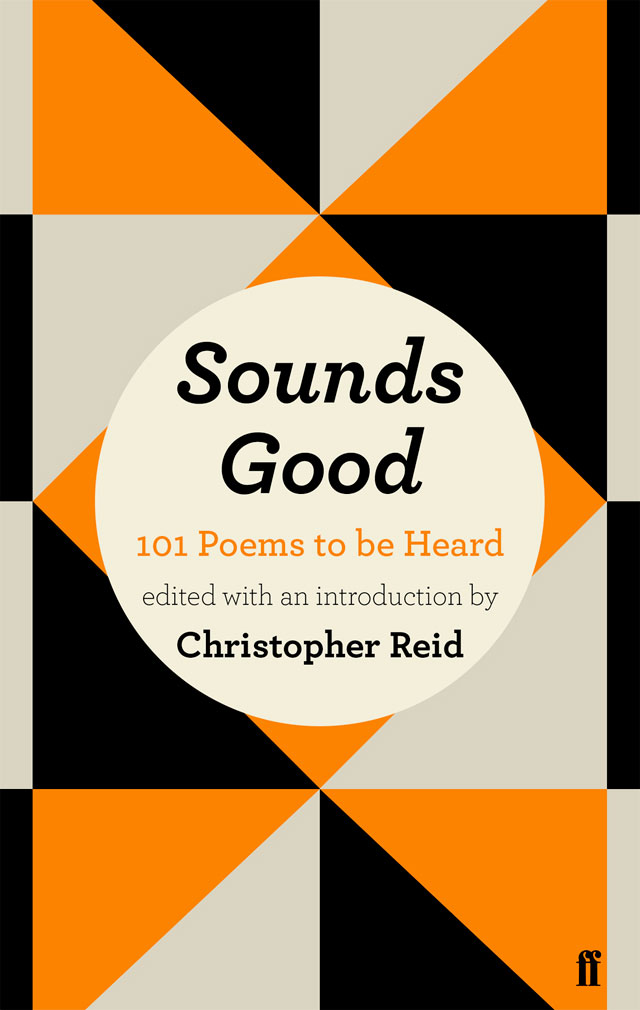
Sounds Good 101 Poems to be Heard edited by Christopher Reid; design by Eleanor Crow (Faber & Faber, March 2012)

Herbert Scarf’s Contributions to Economics, Game Theory and Operations Research Volumes 1-3 by Edited by Zaifu Yang (Palgrave Macmillan, September 2013)

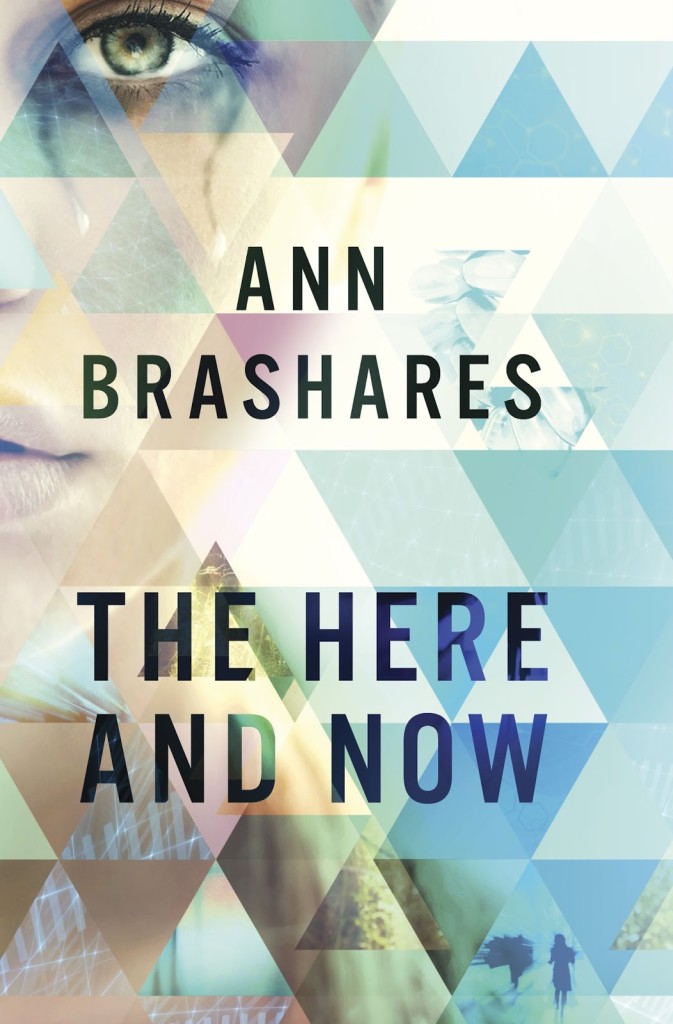
The Here And Now
The Here and Now by Ann Brashares; design by Natalie Sousa (Delacorte Press, April 2014)

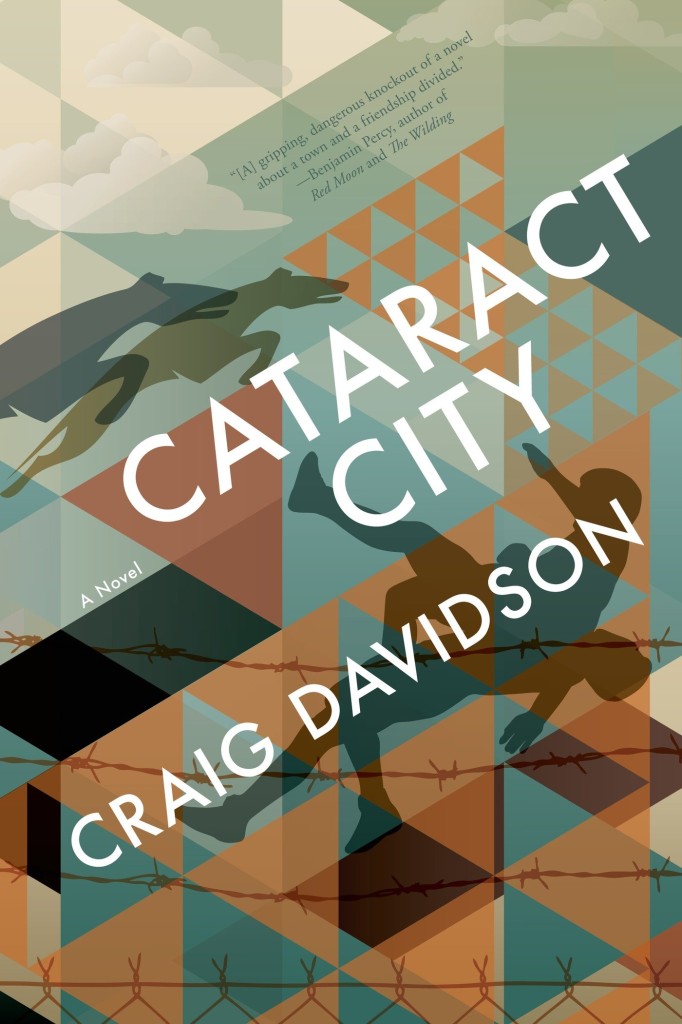
cataract-city
Cataract City by Craig Davidson; design by Kapo Ng (Graywolf, July 2014)


The Last Days by Laurent Seksik; design by David Pearson (Pushkin Press, Nov 2013)


juxtapoz-psychedelic
Juxtapoz Psychedelic by Hannah Stouffer (Gingko Press February 2014)

( Unfortunately I’m not sure the image quite does justice to this cover…

Update:

A excellent addition to the list from UK designer Stuart Bache:

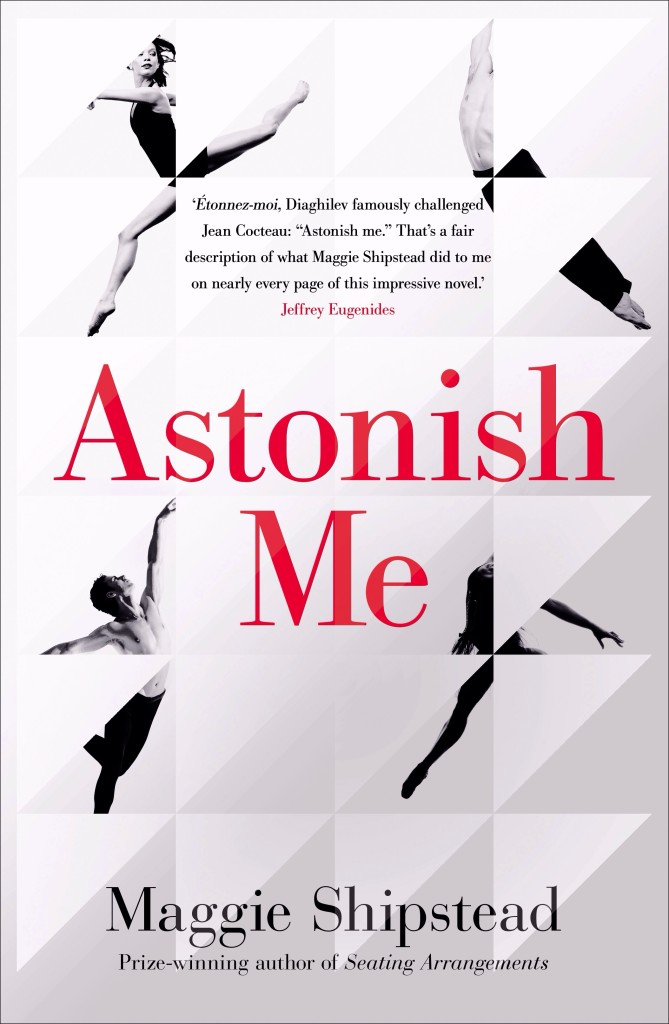
astonish-me

Astonish Me by Maggie Shipstead; design by Stuart Bache (Blue Door May 2014)

4 Comments

Something for the Weekend

Filthy English — a new cover design by Dan Mogford for Portobello Books.

Hip Flask — An interesting interview with the folks behind 48 Hour Magazine at Gizmodo. There’s some great stuff in the piece, and it’s worth reading from beginning to end, but I particularly liked this insight from Derek Powazek (founder of Fray, co-founder of JPG Magazine, and consultant at MagCloud*):

Print is, at some point, done. However imperfect. It has a rhythm of creation, editing, and publishing. And when it’s done, everyone involved can sit back, look at the thing we made, and feel accomplished.

The web is never done. It’s in a constant state of flux. That’s not good or bad, it just is.

Powazek is also the guy behind Strange Light a print-on-demand magazine that collected photographs of the Australian dust storm that covered New South Wales and Queensland in September last year. He has interesting post about the creation of the magazine on his blog.

No. — A Tumblr that’s apparently devoted to found-type numerals.

The latest Harvard Review cover by Alex Camlin. My interview with Alex is here.

*Does this make anyone else feel slightly inadequate? — I mean, what have you founded, co-founded or consulted on today?

Comments closed

Midweek Miscellany

Well, oh shit. Go fuck yourself — The pugnacious George Lois in BlackBook magazine:

The design was the idea. I don’t design, if you know what I mean. If you want Andy Warhol being devoured by his own fame in a can of Cambell’s soup, you just put the can there and you have him drowning in it. Case closed.

You’re knocked down by the idea, and the fact that it’s got complete clarity visually. Don’t complicate it with busy work.

That’s the way I do everything. If I was a doing a magazine, it’s not a question of if I’d be having more white space. It’s a question of every third or fourth spread I’d make a spread that would take your breath away — or piss you off. Or something.

“Yoda” — An interview with Dieter Rams at More Intelligent Life (Thanks Ben S.):

We have enough products. If you look at the market you have ten or 20 coffee makers that basically look all the same, doing all the same thing: they are making coffee. We don’t need 20 of these things, we need one good one.

Less, But Better… Less, But Better… [REPEAT].

The View From TorontoNational Post book critic Philip Marchand (formerly of the Toronto Star) talks to Conversations in the Book Trade:

I’m not sure how much “trouble” literature is in. The age of Tennyson was the last period in literature when “serious” literature found a mass market. Ever since, we’ve had a very small minority of readers for “serious” stuff, and a fairly large audience for thrillers, romance novels, detective novels, and so on. Then there’s the Da Vinci Code phenomenon in which everybody, from your dentist to your car mechanic, is reading a certain book – in order to be able to join in discussions about the book on social occasions, if for no other reason.

Frontmatters — Alex Camlin, Creative Director at Da Capo (interviewed here), has started a blog! Yay Alex!

This is Display! — Another site (along with the Alvin Lustig archive) that probably should have been on yesterday’s list of inspiring websites, Display is a “curated collection of 59 (and growing) important graphic design books, periodicals and ephemera.”

Comments closed

Q & A with Alex Camlin, Da Capo Press

Even though I first noticed the chunky Eisner-esque cover design for Douglas Wolk’s Reading Comics at The Book Design Review, it wasn’t until much, much later — when Ben Pieratt posted about the elegant redesign of The Harvard Review at  The Book Cover Archive blog back in June — that I registered that it was the work of designer Alex Camlin.

Both Reading Comics and The Harvard Review demonstrate Alex’s incredible attention to typography, his range of his influences, and the amazing diversity of his portfolio. Currently Creative Director for Da Capo Press, I caught with Alex via email earlier this month.
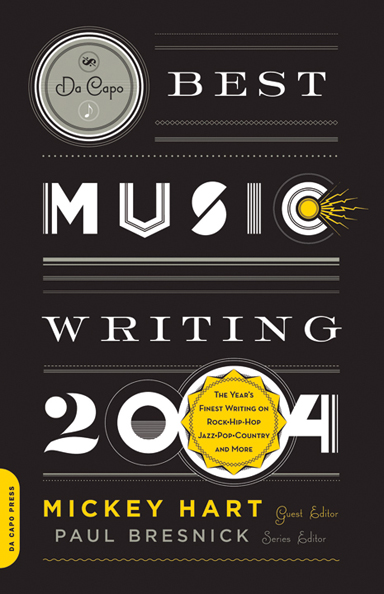
Briefly, could you tell me about Da Capo Press?

By most accounts, Da Capo started as a New York based trade paperback reprint house in 1975. At the time, many mid-to-large-sized publishers licensed paperback rights to reprint operations, rather than publishing their own paperbacks. In the beginning, Da Capo focused on licensing nonfiction, concentrating on music (jazz and blues/roots mostly), military history, and biographies. This continued through the late 90s, until Da Capo was purchased by the Perseus Books Group, who added the imprint to a growing portfolio that included Basic Books, Public Affairs and Running Press, among others. Da Capo was relocated to Cambridge, Massachusetts in 1999 to set up shop alongside another member of the Perseus group, the former trade division of Addison Wesley, renamed Perseus Publishing. Since then, Da Capo has evolved to publish its front list in hardcover and paperback originals, in many more categories. In the process, we managed to spin off a sister imprint—Lifelong Books—with a list focused on self help, childbirth, parenting, cooking, nutrition, and relationships. My first day on the job was also Da Capo’s first day in Cambridge, and we’ve been hacking away ever since on a shadowy fringe of the MIT campus. It will be 10 years in September!

How would you describe the role of Creative Director?

I’m basically just a glorified art director. My ‘staff’ has taken different forms over the years. Currently, it’s myself and one in-house art director who handle the entire list by either collaborating with freelance designers/photographers/illustrators, or engaging in some good old-fashioned DIY.

Approximately how many titles do you work on a season?

50-60 titles per season has been the norm for a while now. We publish two lists per year, Spring and Fall. Due to the changing market and current economic climate (stop me if you’ve heard this one before) our list is down-sizing a bit, and we will be closer to 90 titles per year by next Fall.

What are your favourites to work on?

I really enjoy working on books that are a bit off-beat or quirky. Recently, I’ve worked covers for a Karaoke memoir, a history of jetpacks, and a fake autobiography of Steve Jobs. I find that the books with moderate-to-low sales expectations (usually due to their niche subject matter) are the best to work on. Very few people bother to deconstruct what I’ve done, and the off-beat content usually leads to some interesting visuals.

What are the most challenging?

Believe it or not, it’s the parenting, pregnancy, and self-help books. Visually, these categories are so narrowly defined that it’s a real struggle to develop a unique look for a cover. Plus, the editors and authors who are publishing in these categories tend to favour literal interpretations, which can be quite limiting. So you will rarely ever see any of these in my portfolio, because the goal is usually to make them look the same as—but different than—all of the other books on the same subject. One up-side is that I’m intimately familiar with the range of pregnant-lady stock art that’s currently available, so if anyone out there needs some, just let me know!

How are final covers decided upon at Da Capo?

Initial comps are shown to and discussed by a ‘committee’ comprised of the publisher, marketing director, the book’s editor, and myself. We meet as needed, with greater frequency as the catalogue deadline approaches. I try to address all major concerns and present as many revisions as possible before the catalogue is printed. Covers are finalized somewhere between their appearance in the catalogue and their press date, after we field the reactions of the authors, our sales force and—in some cases—booksellers. Our overall process is probably a bit less formalized compared to other publishers.

Could you describe the design process for the Winnie and Wolf cover for Picador?

A.N. Wilson’s Winnie and Wolf is a historical fiction based on a relationship between Adolf Hitler and Winifred Wagner, the heiress of composer Richard Wagner. Their real-life friendship is well-documented, but the book builds on this to imagine a complicated love affair with Hitler’s rise to power and eventual demise as a backdrop. The themes of Wagner’s operas—primarily Parsifal—are referenced, and echo throughout the book. Picador wanted a new cover for their paperback edition, and I was hired by (the eminent and talented) Henry Yee to work on it. I knew immediately that the novel’s quirky-but-dark premise plus historical setting would offer a good range of possible imagery. I submitted four comps:

COMP 1: The first was my take on an interwar-era German poster, using a photograph of Winifred Wagner as the basis for the illustration. My only reasoning for this direction was that it sort of placed “Winnie” on a pedestal, which the narrator seems to do throughout the entire book. Mostly, it was just fun to create.

A series of propaganda photographs, by Adolf Hitler’s personal photographer, of the German dictator meeting ordinary Germans in 1932 and 1933 – around the time he came to power. (Photo by Heinrich Hoffmann/Hulton Archive/Getty Images)

COMP 2: I was ambivalent about this direction, mostly because I really wanted to avoid using Hitler’s image on the cover. The beautiful ornamental border comes from the cover to a playbill for a performance of Wagner’s Parsifal. The photograph is a piece of Nazi propaganda which is somewhere between symbolic and metaphoric representation of the love affair (the normally fierce and confident Winnie is observed as being girlish and entranced in the presence of Hitler). It also doubles as a literal representation of a scene near the end of the book. Ultimately, this direction was chosen for the final cover. I made a few adjustments and re-drew the title type for the final version. The photo was a black-and-white image which I tinted using some hand-tinted photos from an old Nazi book as a color guide.

COMP 3: I loved this one, mostly because of the way the illustration (a detail from an interwar-era festival poster) worked with the title. Also, in the book, Hitler is known to the Wagner children as “Uncle Wolf”, and spends a lot of time telling fairy tales and staging puppet shows for them. With the design, I was shooting for the look of a German children’s book from the 30s. Both direction and comp #1 were influenced by posters and other design featured in a great exhibition I saw several years ago at the RISD museum: Graphic Design In Germany 1890-1945, curated by Jeremy Aynsley.

COMP 4: The art depicts a scene in Wagner’s The Twilight of the Gods from a group of fantastic children’s book illustrations by Arthur Rackham. I thought that several themes from the book could be interpreted in this.

In the end, I was happy with comp #2 being selected. I guess it has the best of both worlds: fanciful Wagnerian themes—that are true to the story, coupled with Nazis—that sell books.

How did you become involved in the redesign of the Harvard Review?

The Review’s editor, Christina Thompson, asked me to speak to a class she was teaching at Harvard back in 2000 or 2001. She had recently been appointed editor of the Review and was planning on repackaging it, and agreed to let me submit some ideas for the cover. I started designing the covers at that time, and we finally had the opportunity to reconsider the entire package (cover and text) last year, for issue #35. It was great timing, because #35 featured the work of Kara Walker and Chuck Close (in addition to the usual selection of great writers)—not bad company.

Do you see any recent trends in book design?

Blogs by book cover designers like David Drummond, Kimberly Glyder, Henry Yee and The Design Works Group offer insight into the thought processes and mechanics involved in cover design, and I think this sort of journal-keeping is really validating for the profession. As for visual trends, I’m really enjoying the resurgence of hand-lettering on covers that has been happening for a while now. There’s something very pure, expressive and organic in handmade letterforms that can somehow be infused with style and attitude, but also timeless.

Who else do you think is doing interesting work right now?

Peter Mendelsund, Julia Hasting, Paul Buckley. Gray318 always does great work. Charlotte Strick’s design for FSG’s paperback edition of 2666 raises a bar (if not the bar)—other publishers should take note. One of the most inspiring covers I have seen lately is Carol Carson’s design for My Father’s Tears by John Updike. Peter Mendelsund discusses it here. It is deceptively simple, beautiful and timeless. Carson seems to have made a point of designing all-type jackets recently, which I totally admire. There is a purist inside of me that believes ALL covers should be all-type.
Where do look for inspiration and who are some of your design heroes?

I read eye and baseline magazines regularly. The Book Cover Archive is also a great resource, it’s been fun watching it grow as a sort of visual database. As for design heroes: W. A. Dwiggins, Jan Tschichold, Alvin Lustig, Massin, Sister Corita Kent, Alexey Brodovitch, Virginia Lee Burton, Wim Crouwel, Buckminster Fuller, Karl Gerstner, Josef Albers, my mom…the list goes on, but that’s a good cross-section.

What does the future hold for book cover design?

I don’t know. For the most part, people have stopped asking me to “make sure the title can be read in that thumbnail image on Amazon”—probably because someone told them that a 3-D, 3G full-color latte-brewing Kindle is going to be the next big thing. Sadly, too many trade publishers—under pressure from mega-store retailers—are focused on ‘packaging’, and are largely concerned with making covers that fit a certain category, rather than those that offer true insight or interpretation of what’s between the covers. On the other hand, the industry is saturated with brilliant designers who flocked to publishing because of people like Chip Kidd, Louise Fili, John Gall, Paul Bacon, etc. This keeps the practice of cover design highly competitive, and we are all better because of the current standard. When you look at some of the amazing stuff that actually makes it to press in spite of the modern publishing process, it’s encouraging and quite inspirational and hints at a future full of possibilities.

Thanks Alex!

Next week: Coralie Bickford-Smith, Penguin Press

9 Comments

Something For The Weekend, August 7th, 2009

Winnie and Wolf — cover design by Alex Camlin (the chap behind that rather wonderful Harvard Review overhaul). I’m hoping to speak to Alex for the designer Q & A series later this month.

And just while were on the subject, Caustic Cover Critic looks at the new designs for the Penguin World War II Collection.

In Search of Lost Time — David L. Ulin, Book Editor of the LA Times, on the lost art of reading:

Today, it seems it is not contemplation we seek but an odd sort of distraction masquerading as being in the know. Why? Because of the illusion that illumination is based on speed, that it is more important to react than to think, that we live in a culture in which something is attached to every bit of time.

Here we have my reading problem in a nutshell, for books insist we take the opposite position, that we immerse, slow down… Yet there is time, if we want it. Contemplation is not only possible but necessary, especially in light of all the overload.

But, if you sympathize with this perspective be warned: you are weak and you just don’t love books enough (and you’re probably a calcified narcissist).

Talking Books — I don’t agree with everything here (OK I actually disagree with a lot of it and, I’m sorry, describing the Globe & Mail as “daring” is just  delusional), but Ian Brown, writer, arts journalist and broadcaster has some interesting things to say about Canadian literature and culture in a sprawling interview over at Conversations in the Book Trade:

[T]he novel is no longer the prime example of literature. Nor does it need to be. Too much attention can ossify a genre. If anything is in trouble, it’s literary fiction–but again, only because there are so many alternative ways to consume good writing these days. The book itself is a fantastic technology, but literary fiction has some serious competition for my attention.

And as this has been something of slow week, and because I was chatting about it with book designer Jason Gabbert on Twitter (who is responsible for the lovely C.S. Lewis redesigns above), I’m just going to take this opportunity to (re)plug my image library on Image Spark and (while I’m at it) my slightly stream-of-consciousness inspiration blog The Accidental Optimist.

4 Comments

Something for the Weekend, June 12th, 2009

Jamie Conkleton‘s book cover designs for Gollancz’s Space Opera series, as featured in the D&AD Student Annual 2008. Great stuff. (via designworklife).

Are any other publishers pursuing similar initiatives with student designers to repackage their backlist?

Wordnik — More curious word information than dictionary, Wordnik provides definitions, examples, related words, pronunciation, related images, statistics, and tweets for the word searched.  Neat.

The Curse of Maus — cartoonist Art Spiegelman profiled in The Guardian:

Will he ever escape the shadow of Maus? “It’s even worse than that,” he says, lighting a cigarette. “Most other cartoonists are afraid of the same thing.” He means that every graphic novel is compared to Maus. “As a result, it’s sort of a curse on me and all other cartoonists I know.”

Toothy Uncoated Stock — The chaps at The Book Cover Archive pointed me to the design:related portfolio of Alex Camlin, Creative Director at Da Capo Press. His design’s for the Harvard Review are beautiful.

2 Comments