Skip to content

Tag: AIGA

The Trend Cycle

Alana Pockros talked to designers and others in the publishing community about trends in book cover design for the AIGA blog Eye on Design:

The guiding principle of like that book but different cover design has existed for decades. In the 1960s, the late book designer Paul Bacon pioneered the “Big Book Look,” which we might associate with Philip Roth’s Portnoy’s Complaint or Joan Didion’s The White Album: type-driven covers with large author names and ample negative space  that rely more on hue and font than imagery. Philip DiBello and Devin Washburn, founders of the design studio No Ideas, believe we’re currently seeing an evolution of the Big Book Look. “[There’s] a wave of similar covers that play with type intertwined with a key visual in a striking way,” they suggested. In The Look of the Book, Peter Mendelsund and David Alworth’s 2020 monograph, the authors call this mutative style “the interchangeable, big-type, colorful cover.” It’s a look Mendelsund and Alworth first noticed on the 2015 novel, Fates and Furies, and the style they see as the progenitor of the tired “it will work well as a thumbnail on Amazon” rationale. 

It is always interesting to hear designers talk about how they view the process and why we get certain trends. But the post itself, entitled “The Endless Life Cycle of Book Cover Trends”, is a variation on the well-worn, trend-focused ‘why do book covers look the same?’ article that has appeared in various guises over the years. Pokros herself references a New York Times article from 1974(!) that explains that jackets must be identifiable on television, and a Vulture piece from 2019 that postulates that book covers are now being designed for Amazon and Instagram. You could also read this post on Eye on Design from 2019 about the ubiquity of stock images, or this The New Yorker piece on design by committee from 2013, or this story in The Atlantic from 2012 (it’s e-readers fault!) among others.

It’s not that they’re necessarily wrong. There are clearly trends and tropes in book cover design as there are in any other kind of design (and pointing them out is fun — I do it frequently!). And there are lots of designs that aren’t great. That’s true of everything. It’s just that on the whole, book covers (like movie posters) don’t all look the same. Not really. Sure, books in the same genre frequently do. Covers sharing similar traits helps readers identify what kind of books they are buying. It doesn’t mean they are B-A-D. Perhaps part of what gets people so twitchy about high-profile literary fiction covers looking familiar is that they don’t like to think of certain kinds of literary fiction as genres?

I don’t know… I’m one of the marketing people whose fault this usually is.

I guess if you really want to get into it, trends in book covers often reflect trends in publishing itself. When similar books intended to appeal to similar readers are published by similar people at similar imprints that are part of similar, very large publishing conglomerates, maybe the issue isn’t really that they have similar covers?

Anyway TL: DR, if you’re seeing a lot of covers that look the same maybe it says more about the kind of books we are exposed to in our daily lives than about the range of covers that are actually out there?

Comments closed

AIGA Medalist, Alexander Girard

In April this year, AIGA posthumously honoured designer Alexander Girard (1907-1993) with an AIGA Medal, recognizing “his effortless ability to move across innumerable surfaces and scales, his life-long innovative and inspirational cross-disciplinary design practice, and his undeniable impact on mid-century modernism in America.”

Alexander Girard was a designer who defied easy categorization, mostly because he worked—and excelled—in every field. Tireless, creative, and immersive, Girard was most comfortable when absorbed in a project, and he managed to complete a staggering catalog raisonné in his lifetime: houses, department stores, trendy restaurants, less trendy restaurants, logos, a terrazzo material, an airline, a folk art museum, even an imaginary land with its own language…

…Girard’s colorful, geometric, typography-driven, and folk-inspired personal aesthetic became indistinguishable from the midcentury look still sold by the Michigan-based company [Herman Miller]. As later brand director… Sam Grawe wrote back in 2008 for Dwell, “colors hitherto considered gauche—magenta, yellow, emerald green, crimson, orange—became a part of the company’s formal vocabulary, and in time, the world’s.”

Herman Miller — the company with which Girard is most closely associated — recently posted an extended cut of the tribute video made for the AIGA’s celebration of Girard’s life and work:

2 Comments

Geoff McFetridge: AIGA Medalist

“Dude… it sounds like you’re making it up.”

Comments closed

50 Books / 50 Covers Winners 2017

I am a little late on this, but AIGA and Design Observer recently announced the winners of 50 Books | 50 Covers for 2017. This year’s jury consisted of Rodrigo Corral, Carin Goldberg, Maricris Herrera, and Jessica Helfand. The 50 books are here; the 50 covers here.

My 2017 covers list, which has, admittedly, something of a different scope, can be found here.

Comments closed
50 Books / 50 Covers Winners 2016

AIGA and Design Observer announced the results of the 2016 50 Books | 50 Covers competition while I was on vacation. You can find all the book selections here, and the cover selections here.

I always look forward 50 Books | 50 Covers announcement. It feels like the industry standard. It’s the cover design list that really seems to matter to book designers in North America, and it’s the one I always compare my own list to.

There are always great covers among the winners that are new to me, and this year is no exception. But here are a few random observations about this year’s the cover selections: there a lot of typographic/type-only covers; academic publishers are well represented; there are some surprising omissions (although the jury can only judge what is submitted); a couple of the selections are… well, a little problematic; it is a very male list.

I’m interested to hear what other people thought of this year’s winners.  

Comments closed
50 Books / 50 Covers Winners 2015

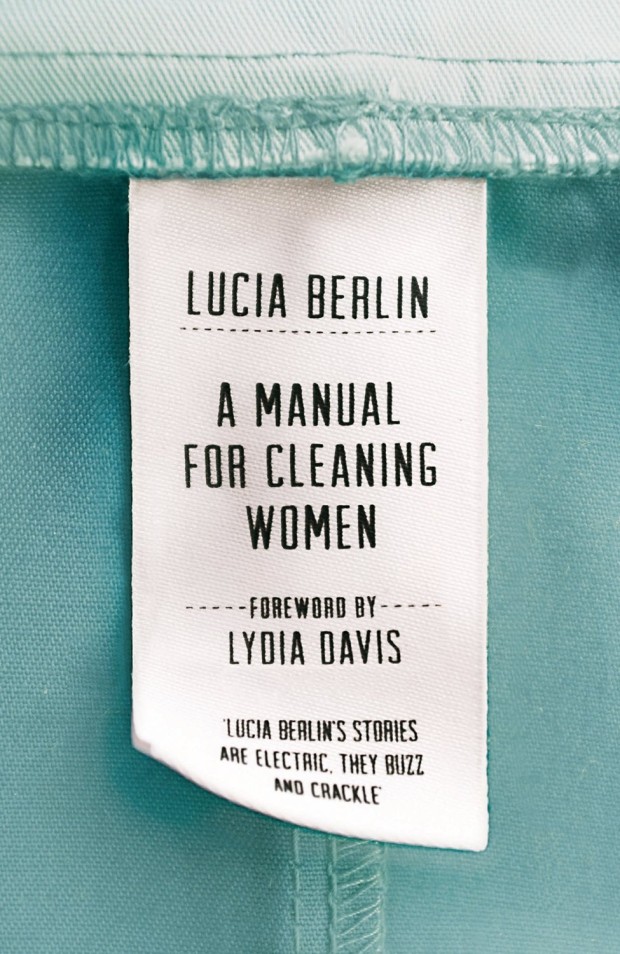
A Manual for Cleaning Women design Justine Anweiler
design Justine Anweiler

Congratulations to the winners of this year’s 50 Books | 50 Covers competition organized by Design Observer in association with AIGA. All fifty winning books can be found here; the winning covers here.

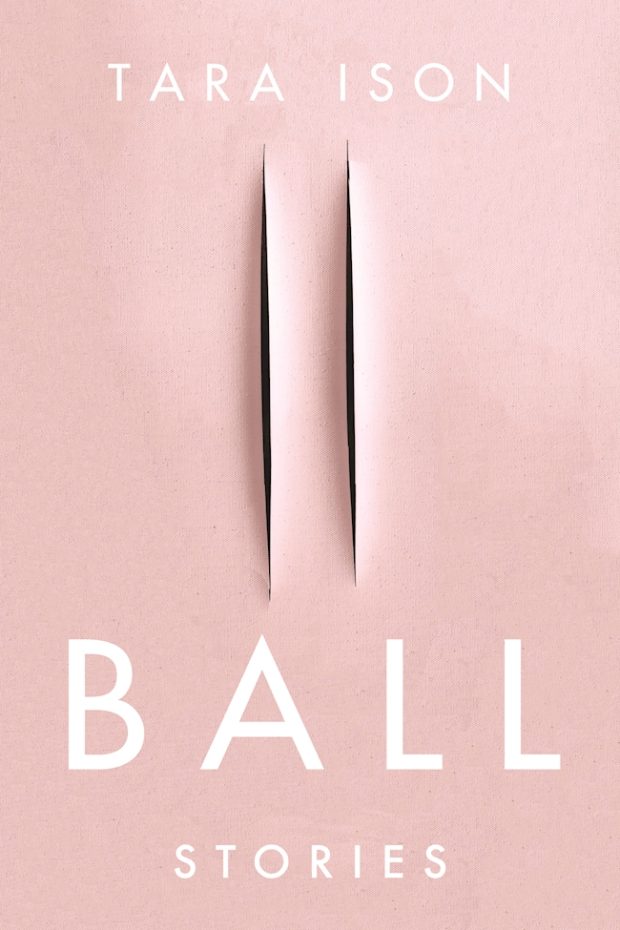
ball design by Kelly Winton
design Kelly Winton

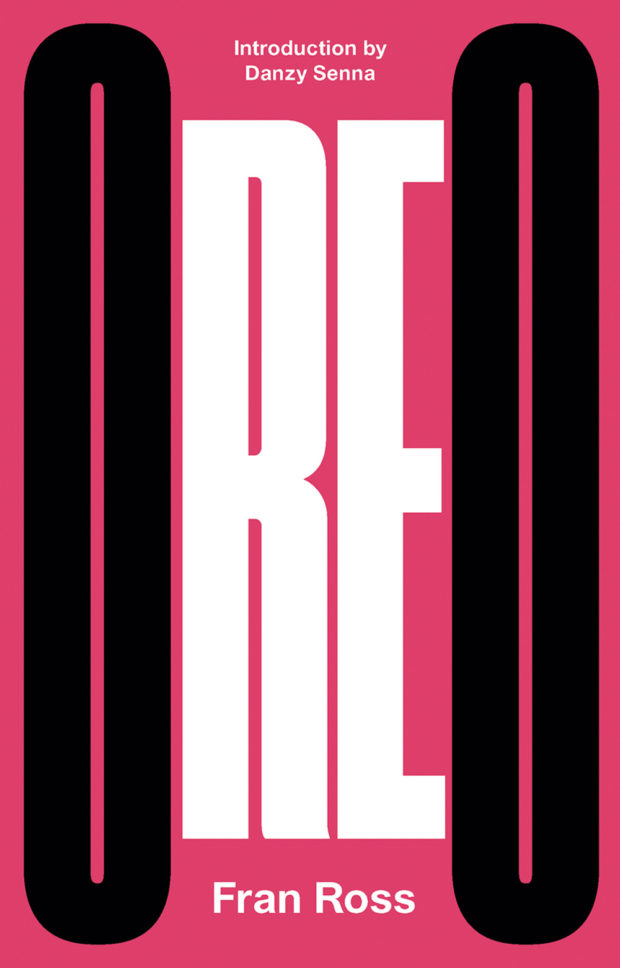
oreo design Erik Carter
design Erik Carter

Comments closed
50 Books / 50 Covers 2014 Winners

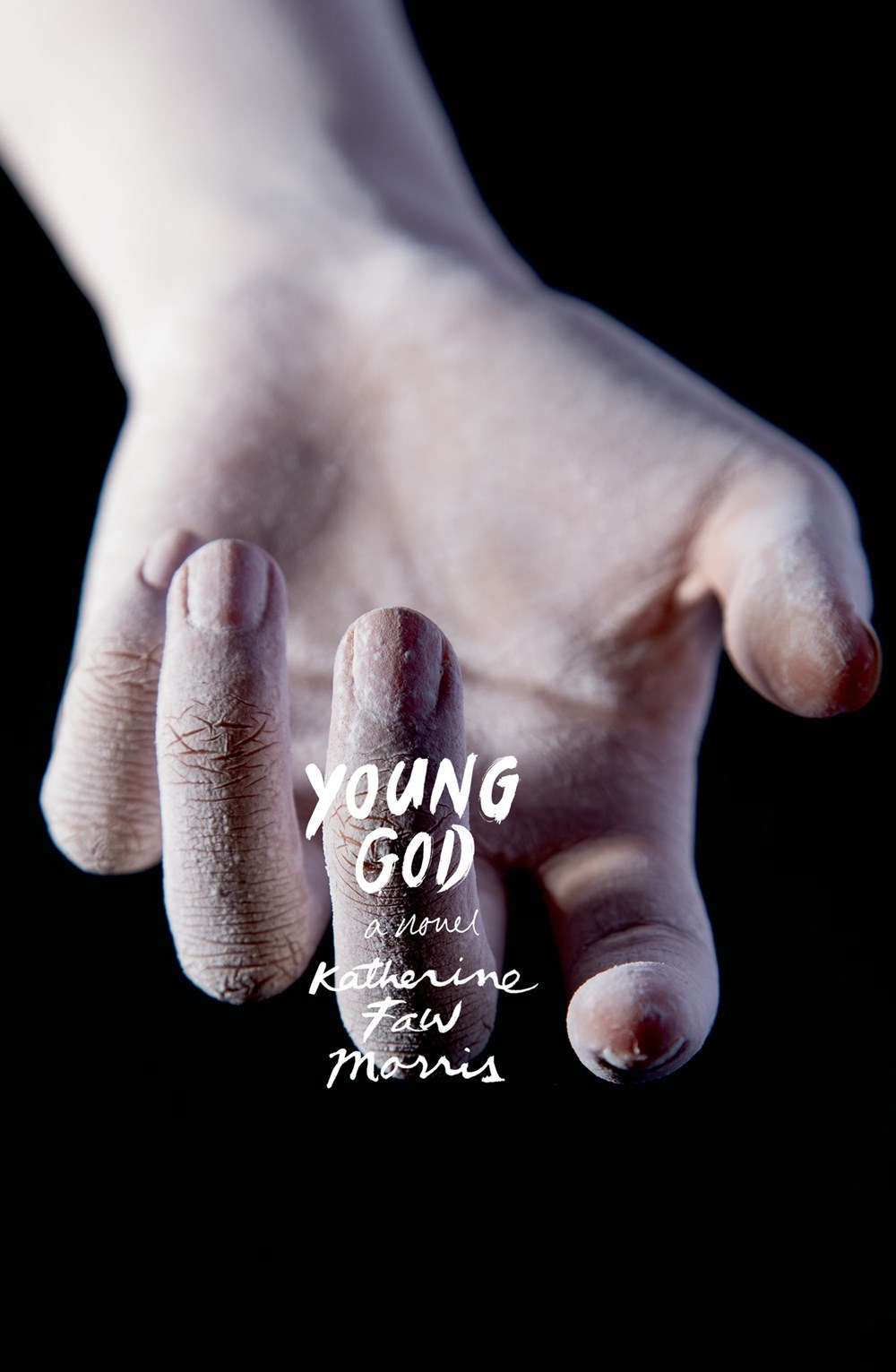
Young God design by Rodrigo Corral

Design Observer has announced the winners of their 2014 50 Books | 50 Covers competition, organized in association with AIGA and Designers & Books.

The fifty winning covers can be seen here

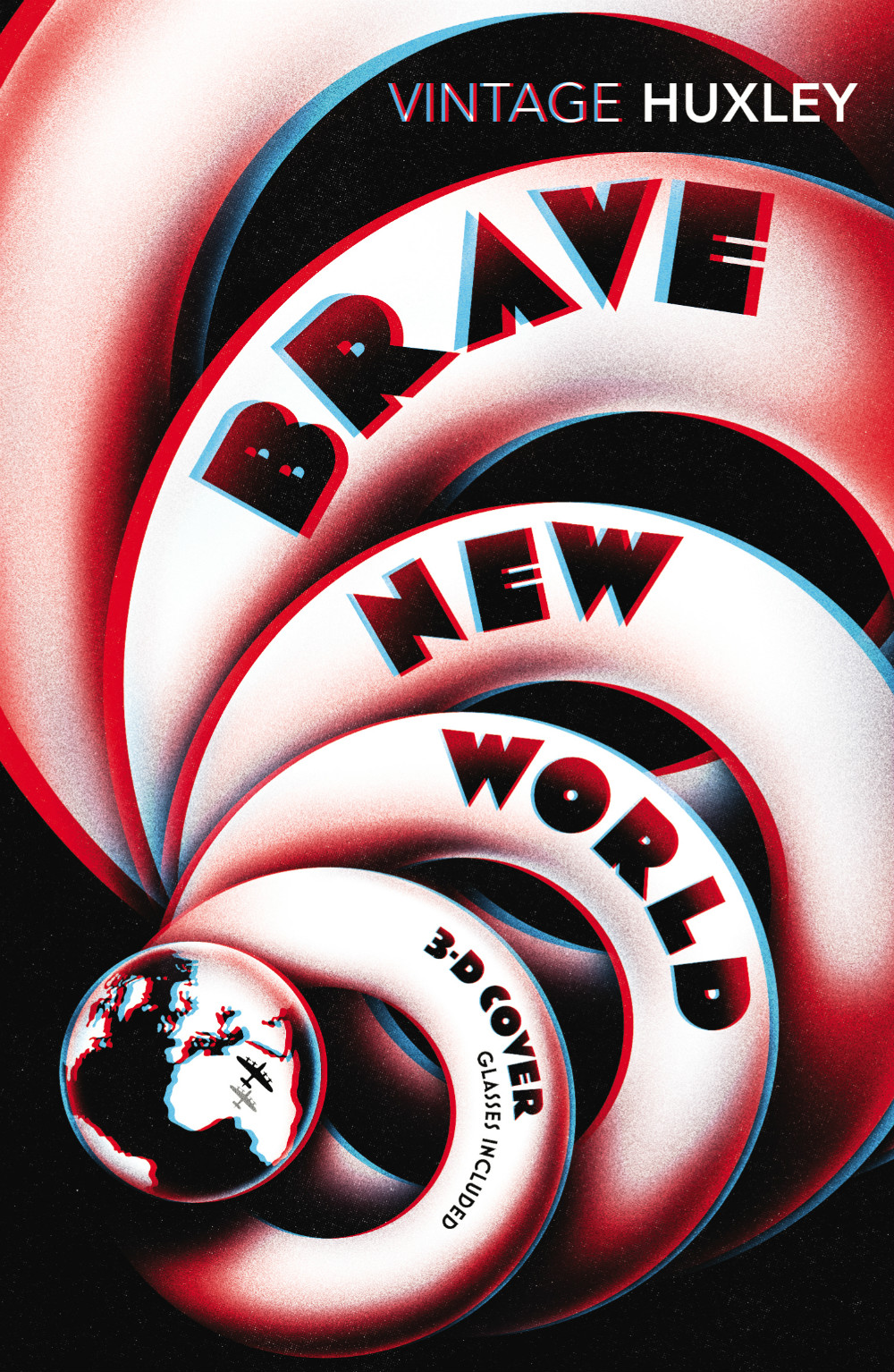
Brave New World design by La Boca

…and the fifty winning books, here.

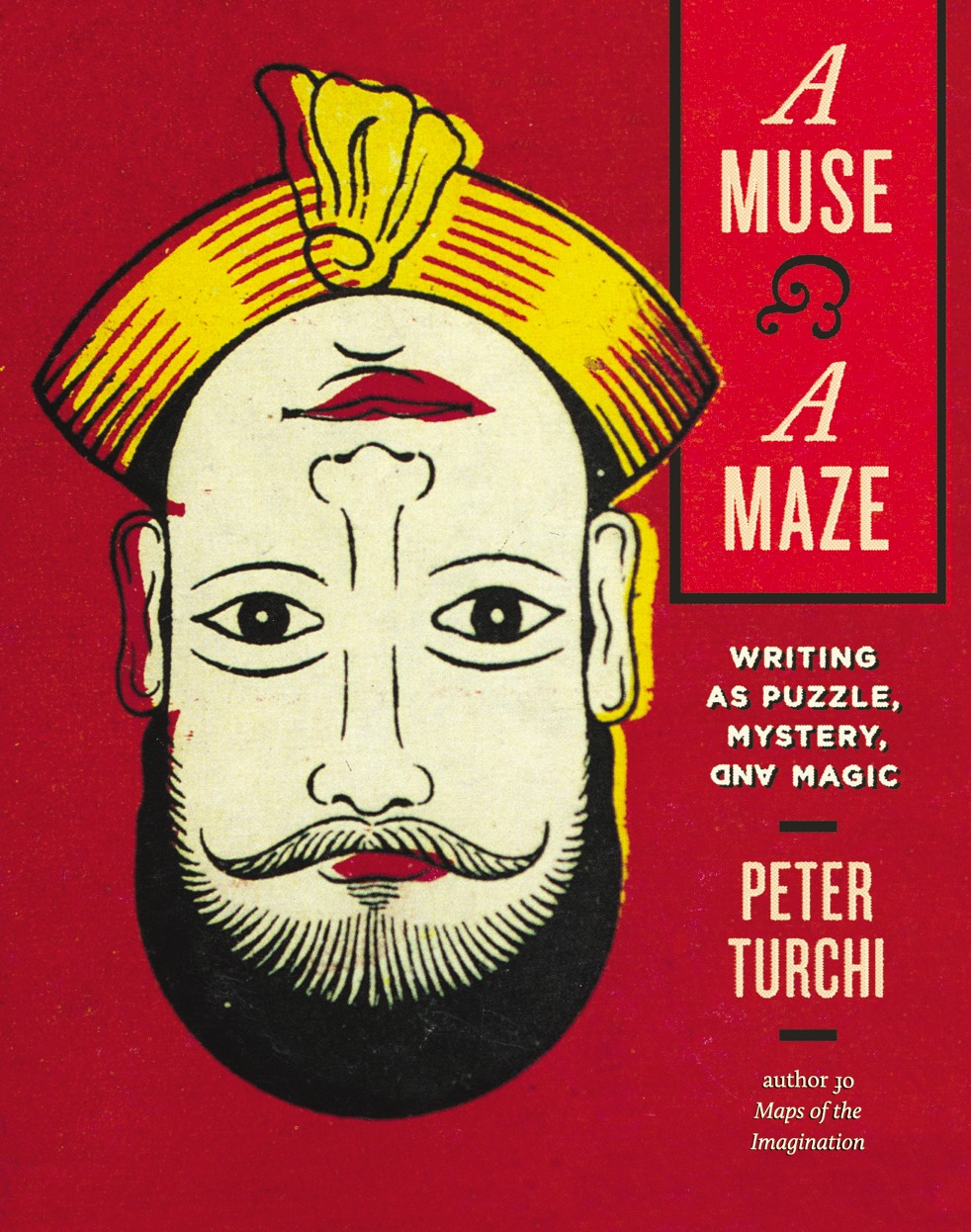
A Maze and A Muse design Jenny Volvovski

My 2014 cover selections are here.

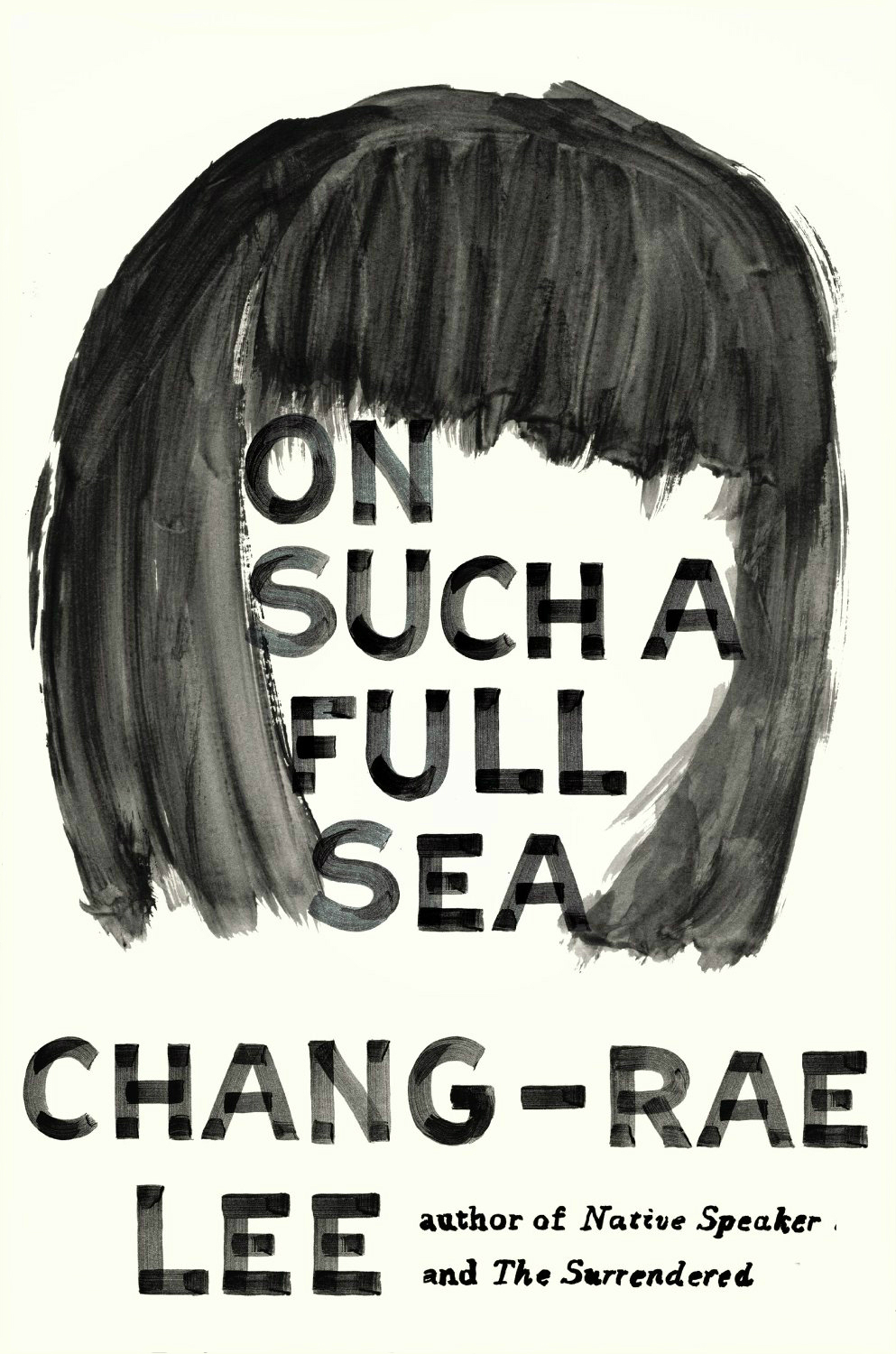
On Such a Full Sea design by Helen Yentus
1 Comment

Jason Booher: “being a book cover designer is possibly the best job in the world.”

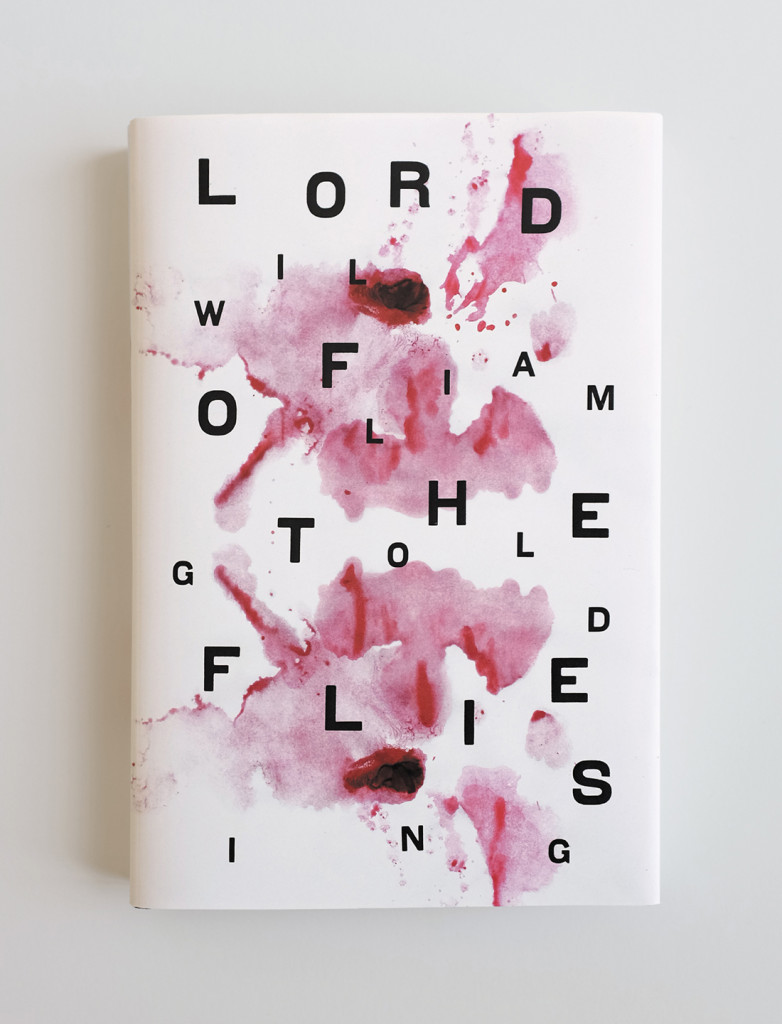
Booher_LotF

At the AIGA’s Eye on Design blog, Margaret Rhodes talks to Jason Booher, art director of Penguin imprint Blue Rider Press, about book cover design:

The key to creating stellar covers, according to Booher, is to first throw out the tired adage about not judging books by them. “Graphic design is really about selling things,” he says. Lest that sound soulless, the good news here is that Booher is selling other people’s creative ideas. And while every book is unique, Booher says he starts by reading the six or so manuscripts he gets per season, and then mentally digests them all. “You read it, you try and find the soul of the book, something that makes it special, and make it come alive,” he says.

Comments closed
ABCD and 50/50 Design Contests 2013

Design Observer has announced that they are now accepting entries for this year’s 50 Books/50 Covers competition. The submission deadline is February 20th 2014.

Design Observer, in partnership with AIGA and Designers & Books, began hosting the competition in 2011, and you can see the winners from the previous two years here.

Meanwhile, if you are a designer based in the UK, The Academy of British Cover Design (ABCD) has also announced the opening of its new annual cover design competition.

The competition is open to any cover produced for a book published between January 1 and December 31 2013. Entries must be received by January 31st, 2014.

Comments closed
AIGA Bright Lights Video: Hoefler and Frere-Jones

In this charmingly nerdy 5-minute video profile,  type designers Jonathan Hoefler and Tobias Frere-Jones talk about their careers,  designing typefaces, and why each project takes about a decade.

Hoefler and Frere-Jones were recently awarded a AIGA Medal for their “contributions to the typographic landscape through impeccable craftsmanship, skilled historical reference and insightful vernacular considerations.”

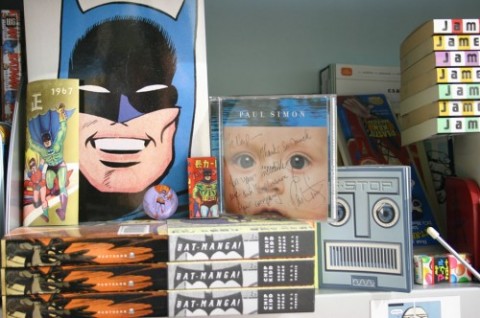
Just look at those bookshelves…

The video was created by dress code, and was supported in part by an award from the National Endowment for the Arts.

Comments closed

Midweek Miscellany

Peter Mendelsund chats with Chip Kidd about his office for the redesigned From The Desk Of:

I’ve always been a ‘nester’, I think most designers are. The difference now between my office and my bedroom as a child is the dearth of KISS posters (I mean NOW, not then).

(Frankly I’m surprised the universe didn’t collapse from all that awesomeness contained in a single room)

And on a related note, Mendelsund is one of many designers who work is included in AIGA’s recently announced 50 Books / 50 Covers list (although several covers appear to be attributed to their art directors rather than the designers themselves, no?).

Math-Lit — Helen DeWitt, author of The Last Samurai and the forthcoming Lightning Rods, interviewed at BookForum:

Chance often plays a big part in fiction, but it is generally not chance as this is mathematically understood, which tends to be counter-intuitive. A while back I discovered Edward Tufte’s brilliant books on information design, The Visual Presentation of Quantitative Information, Envisioning Information, and so on. I read Gerd Gigerenzer’s Reckoning with Risk, about why we have trouble calculating probabilities using percentages, even when it’s a matter of life and death (a doctor working out the likelihood that someone is genuinely HIV-positive, based on a positive test result); I read Peter Bernstein’s Against the Gods on the history of risk; I read Michael Lewis’s Moneyball, on the way sabermetrics had transformed professional baseball. It seemed to me that one could use Tufte’s methods to incorporate this tremendously interesting subject into fiction.

The cover design for Lightning Rods is by Steven Attardo for Rodrigo Corral Design.

And finally…

The legendary George Lois talks about his covers for Esquire  with Gym Class Magazine. There’s no shortage ego, but I love this anecdote about playing a soft ball game against The New Yorker:

So I go over there with my glove and my sneakers, and I could not believe it. I looked at the team. The third baseman was Gay Talese. The second baseman was Gore Vidal. It was not a team of athletes. I said: ‘Oh my god, they’re all literary geeks.’ He said: ‘No, no, we’re going to have fun.’

Now I’m serious about playing softball or basketball. I don’t screw around, I play with great ballplayers, I’m a good athlete. I said: ‘Harold, this side is terrible.’ He said: ‘No no!’

We went over and played THE NEW YORKER, and I think we lost 18–3, and the only reason we got three runs is because I hit three homers. I don’t remember being there for any other reason.

Comments closed
Midweek Miscellany

Designer Catherine Casalino discusses her cover design for Darren Shan’s Procession of the Dead at Faceout Books.

50 / 50 — An interesting Design Observer piece by Ernest Beck on the controversy around AIGA’s 50 Books/50 Covers and the changing roles of book designers:

“The design aspect hasn’t changed, but it will,” notes [Chris] Sergio, who like other book designers believes that books and covers will endure in both print and electronic versions. “Digital versus print is a zero-sum argument,” he says. “These roads are not mutually exclusive. If anything, we want to see more competition and more critical exploration [of book design]. That’s why it would have been a shame to blend it all down into one big thing.”

Paula Scher, a partner at Pentagram Design, agrees that book design — in whatever form — is important because people still relate to visual imagery. “It’s the emotional connection,” she says. “People still remember record covers although nobody has records anymore.” Book jackets matter, whether they are on a piece of paper or in an electronic version, she continues “because when none of it matters because it’s digital or nobody does it or it doesn’t save the planet, then we murder our own craft and give excuses to be mediocre and lower standards bit by bit.”

Indelible Replicas — Author Philip Ball (Unnatural: The Heretical Idea of Making People) reviews The Information by James Gleick for The Observer:

Robert Burton, the Oxford anatomist of melancholy, confessed in 1621 that he was drowning in books, pamphlets, news and opinions. All the twittering and tweeting today, the blogs and wikis and apparent determination to archive even the most ephemeral and trivial thought has, as James Gleick observes in this magisterial survey, something of the Borgesian about it. Nothing is forgotten; the world imprints itself on the informatosphere at a scale approaching 1:1, each moment of reality creating an indelible replica.

Also in The Observer

P. J. Harvey on writing and her new album Let England Shake (via A Piece of Monologue):

“I certainly feel like I’m getting somewhere that I wanted to get to as a writer of words. I wanted to get better, I wanted to be more coherent, I wanted there to be a greater strength and depth emotionally, and all these things require work – to hone something, to get rid of any superfluous language. I’m inspired by the other great writers I go back to and read again and again, and think how did they do that?”

Such as? She indicates a volume of Harold Pinter’s poetry that she has brought with her. “Pinter leaves me speechless. Just unbelievable. A poem like ‘American Football’ or ‘The Disappeared’. TS Eliot of course. Ted Hughes. WB Yeats. James Joyce.” She leans forward, freshly excited. “Just that feeling of reading something profound and having your breath quite literally taken away by the end of a piece. I’m reading John Burnside’s poems at the moment. Do you know his work? I’m getting that feeling – just reaching the end of every poem, going ‘Oh my God!'” She clutches her chest and laughs. “And all of these writers offer me a greater understanding of what it is to be alive, and that is such an incredible thing art can do for other people. It made me want to try and get close to this strange, mysterious thing that people can do with words.”

And finally…

The Local Grammar Nazi — Robert Lane Greene, author of You Are What You Speak, on the fluidity of language:

It’s certainly easier to know one set of rigid rules than to develop a fingertip-feel for the nuances of syntax, word choice and mechanics. This is why the book “Elements of Style” is such a hit. William Strunk and E.B. White’s canonised system for language use is short and sharply worded. Read, memorise and you need never think again… Readers are taught any number of things, such as when to use “that” instead of “which” and how one should never begin a sentence with “However, …”. But such guidelines should be understood as the authors’ preferences, not grammatical commandments.

Writing in English offers far more room for manoeuvre than some may realise… A lot of people don’t like this fluidity. Life is tricky in a world without rules. Fortunately, language does have rules, but they are more like bedrock principles than a detailed set of by-laws covering every do and don’t. A good usage dictionary should explain the principles, not simply command.

Comments closed