Skip to content

Tag: 1960s

Corita Kent: The Pop Art Nun

I recently came across this short PBS Artbound documentary from 2021 on artist, educator, and social justice advocate Corita Kent (1918-1986), which is well worth 20 minutes of your time.

I don’t remember when I first came across Sister Corita’s work. It was probably not until I moved to Canada and became more interested in design and applying typography and lettering to art. Certainly, she was not someone I learnt about in school. It’s hard to know whether that is the result of a parochial British education, or more generalized misogyny and prejudice in art history, or a bit both. But, as the documentary makes clear, she remains a source of inspiration for artists, designers, and teachers 40 years after her death.

The ‘Ten Rules’ she helped create with the students of the Immaculate Heart College Art Department seem as relevant today as they must have at the time they were first written:
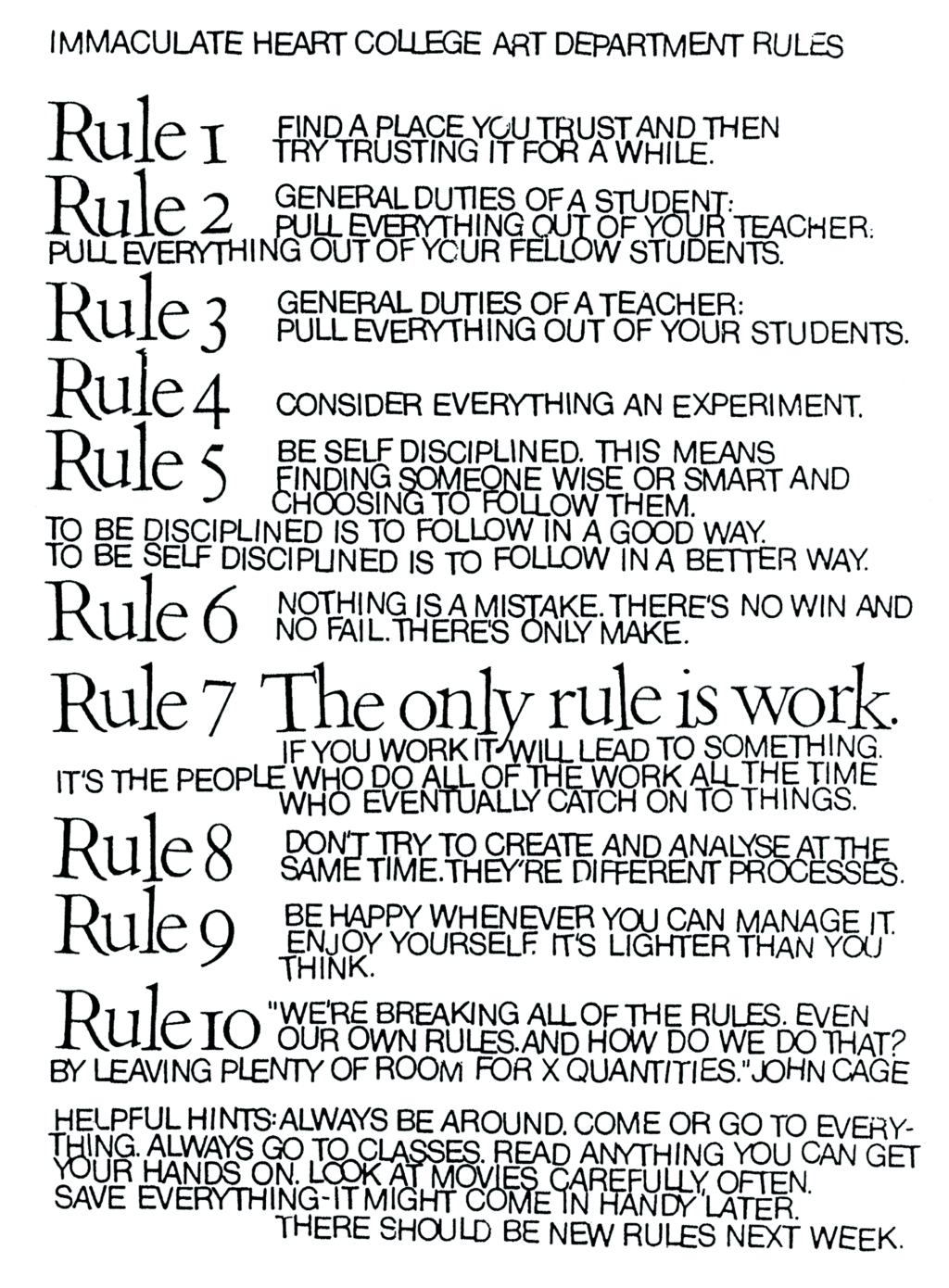
You can listen to former students, artists, community organizers, and others read and reflect on the Ten Rules here.

(Video via Letterform Archive!)

Comments closed
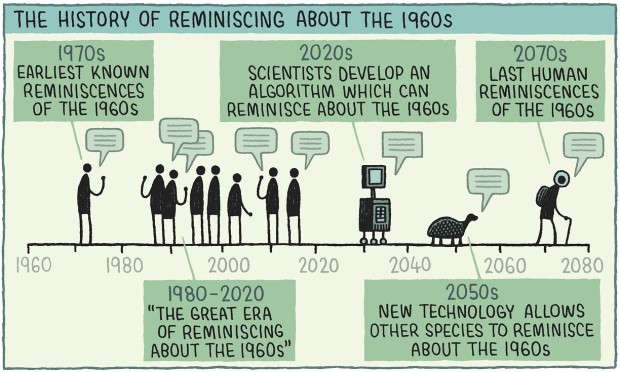
Reminiscing About the 1960s

1960s Tom Gauld

Tom Gauld for The Guardian.

Comments closed

Mad Men: The Shock of the Pretty

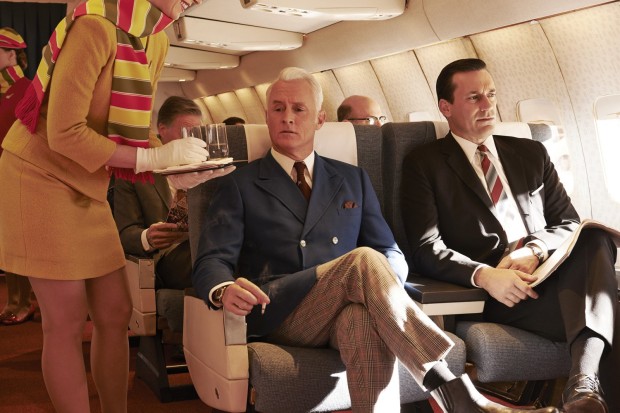
mad-men-season-7

Another overdue link from my ‘longreads’ bookmarks, The Hollywood Reporter talks to the cast and crew of Mad Men about the early days of the show now that it is about to come an end:

Christina Wayne (former senior vp scripted programming, AMC) Years earlier, I’d wanted to option Revolutionary Road [Richard Yates’ novel about suburbia in the 1960s]. But I was a nobody screenwriter, and [Yates’ estate] held out for bigger fish, which they got with Sam Mendes. So when I read [the Mad Men script], it resonated with me. This was a way to do Revolutionary Road, week in, week out. When we had lunch with Matt for the first time, I gave him the book. He called me after and said, “Thank God I’d never read this because I never would have written Mad Men.”

Perhaps more interesting, however, is James Meek’s lengthy article for the London Review of Books on the show’s superficiality, and its curious relationship with advertising:

Sterling Cooper, the fictional advertising agency around which Mad Men is built, is a caricature of the commercial TV system that produced the series: a pool of creative people in bitter thrall to the accountants and deal-makers they rely on for money. Although we learn in parenthesis that the agency gets most of its income from commission on the ads it places, for dramatic purposes the agency is divided into two departments: Creative, which comes up with campaign slogans, artwork and copy for ads, and Accounts, which persuades, charms, fawns, bribes and pimps its way to getting and keeping corporate clients. Mad Men is a show about writers dependent on advertising, written by writers dependent on advertising, the difference being that the fictional writers of Creative write the ads on which they depend.

Comments closed