Skip to content

Category: Uncategorized

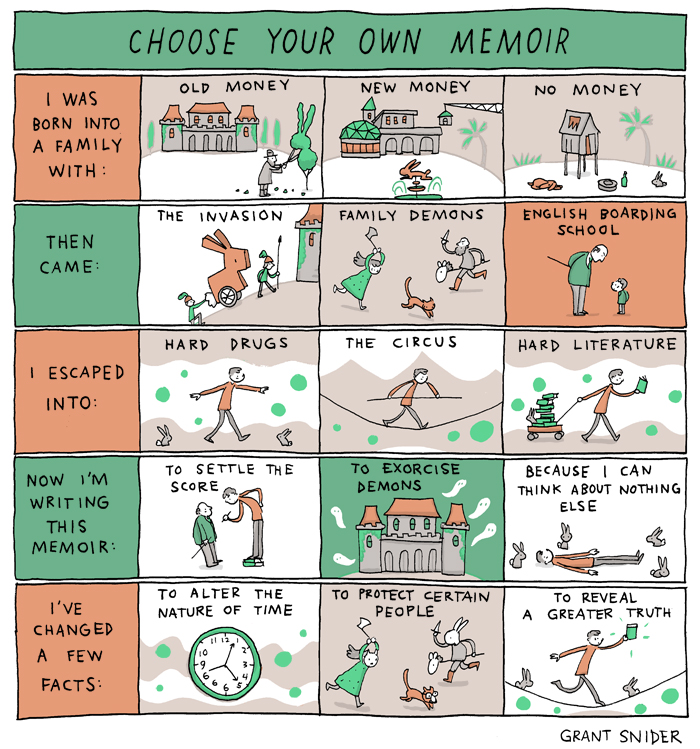
Choose Your Own Memoir

chooseyourownmemoir-web

Grant Snider for the New York Times Book Review.

Comments closed

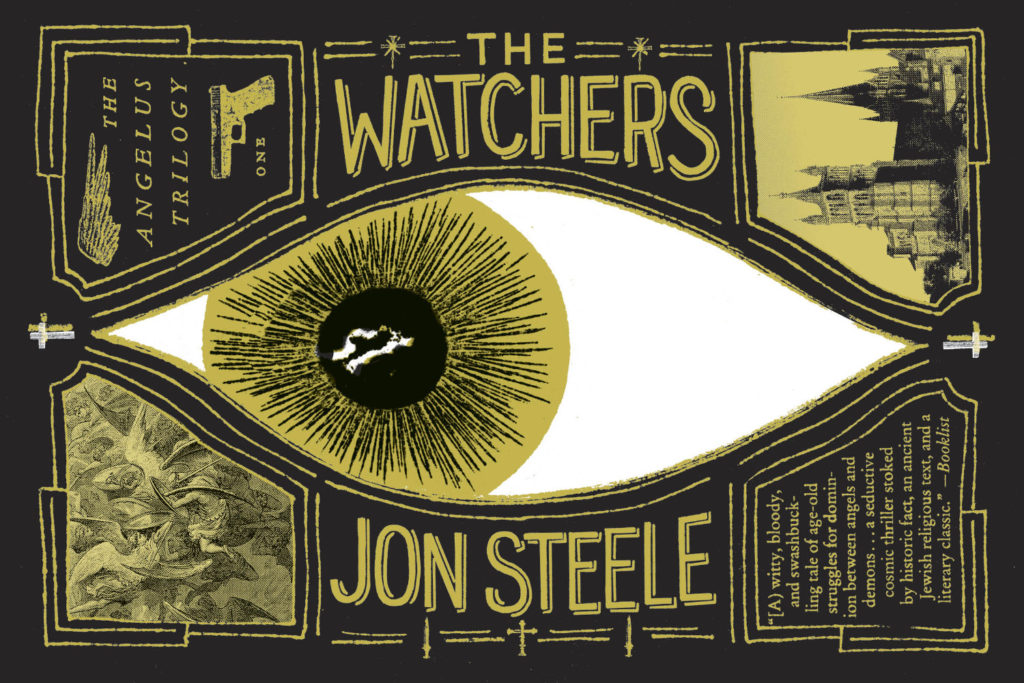
The Angelus Trilogy Design by Jason Booher

way-of-sorrows-design-jason-booher

These Jason Booher covers for the paperback editions of Jon Steele’s The Angelus Trilogy, published by Blue Rider Press in August, bring a whole new meaning to ‘side eye’1 I love that they use Albrecht Dürer etchings as part of the design…

watchers-design-jason-booher-side

angel-city-design-jason-booher-side

 way-of-sorrows-design-jason-booher-side

Comments closed

Elaine Lustig Cohen, Pioneer

Elaine in 1964, photographed by Naomi Savage (1964)
Elaine Lustig Cohen, photographed by Naomi Savage

I was sad to hear that designer Elaine Lustig Cohen had died aged 89 last week. She will forever be associated with her more famous husband Alvin Lustig, but she was a remarkable designer in her own right and her influence, as Steven Heller notes at Design Observer, extended far beyond her studio:

Elaine’s professional standing far outlasted her years of practice because beyond being a pioneer, she was also the benefactor in so many ways for graphic design history, and an advocate for so many other historians, practitioners—and especially women. It is this enduring integrity and generosity that ultimately defined her highly treasured life.

Following Alvin Lustig’s death, Elaine specialized for some time in designing book covers and jackets, initially following her late husband’s aesthetic, until finding her own style and vision. For over a decade she earned commissions from museums, architects, and book publishers—including Noonday Press, whose publisher, Arthur Cohen, would become her second husband. Her own studio closed in 1967, although Elaine continued to design catalog covers for Ex Libris (the antiquarian bookstore she and Cohen ran together) focusing on avant-garde modernist books and documents. She turned instead to making art—inspired in part, by Constructivism, Dada, and the Bauhaus—and continued to do so until the end of her life.

hard_candy

In a profile of the designer for Eye magazine in 1995, Ellen Lupton noted what made ELC’s book covers so distinctive…

In her covers for Meridian Books and New Directions, designed from 1955 through 1961, Elaine Lustig Cohen used abstract structural elements, expressive typography, and conceptual photographs to interpret the books’ contents. Working at a time when most book covers employed literal pictorial illustrations, Cohen visualized titles in contemporary literature and philosophy through a rich variety of approaches, from stark abstractions and concept-driven solutions to obtuse evocations that bring to mind the recent work of Chip Kidd and Barbara de Wild for Knopf.

Elaine Lustig Cohen’s cover for the journal ‘The Noble Savage’ 4 (1960) features a time-worn classical statue festooned with a typographic moustache and blasted with a star-burst pull-out quote from Darwin. For Yvor Winter‘s ‘On Modern Poets’ (1959), Cohen photographed a loose arrangement of plastic letters, while she used a field of pebbles to obliquely represent ‘The Varieties of History’ (1957). If such solutions are suggestively poetic, Cohen could also be brilliantly blunt, as in her choice of oversized, cello-wrapped bonbons for Tennessee Williams’s ‘Hard Candy’ (1959).

…A point echoed in the New York Times obituary:

She designed museum catalogs and furniture. As a book-cover designer, she followed in Mr. Lustig’s precisionist footsteps but eventually established her own, more free-form style.

“I tried to reflect the spirit of the books,” she said in a video made by AIGA, the graphic arts organization, when she was awarded its medal in 2012.

Her jacket for “Yvor Winters On Modern Poets” looked as if plastic letters had been placed on a tabletop, then jostled by a passing child. A book about St. Augustine featured his name twice, as the arms of a cross. The jacket for Tennessee Williams’s short-story collection “Hard Candy” showed extreme close-ups of cellophane-wrapped sweets, seeming to fall through the air.

You can see a selection of ELC’s book covers on her website, and the video referenced above is here:

Comments closed

Book Covers of Note November 2014

This is the last of the monthly cover round-ups for 2014, and I have a lot to cram in before I start on my big end of year list, so it’s a bit of corker (if I do say so myself) with lots of gold foil and other fancy finishes:

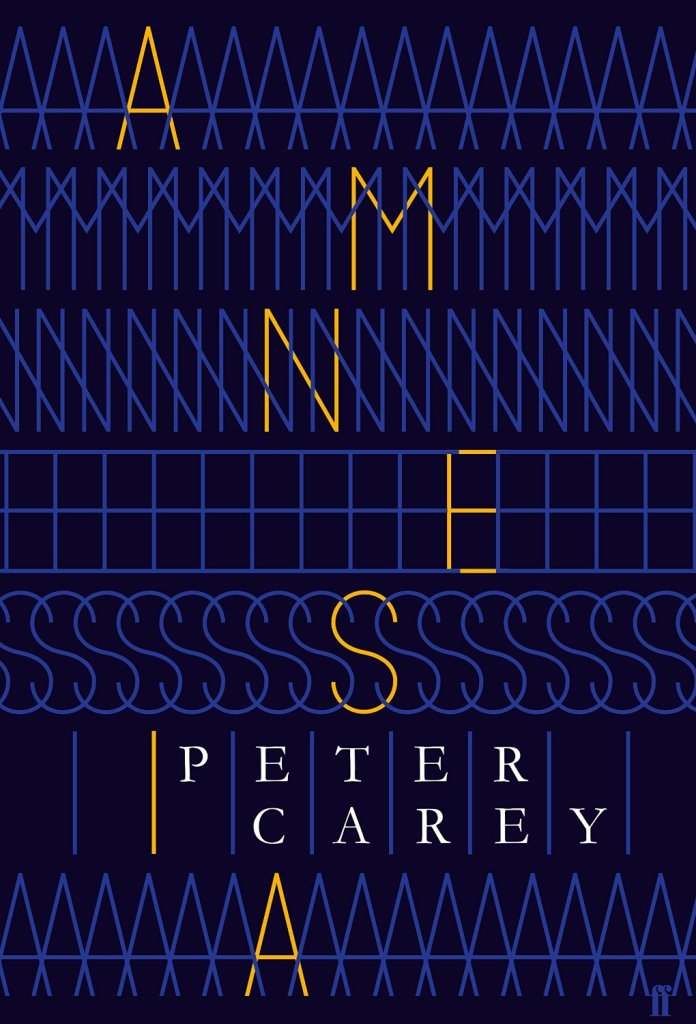
Amnesia
Amnesia by Peter Carey; design by Alex Kirby (Faber & Faber / October 2014)

(The dust jacket is actually acetate)

betrayers
The Betrayers by David Bezmozgis; illustration by Matt Taylor; type design and art direction by Richard Bravery (Viking / August 2014)

9780374166670
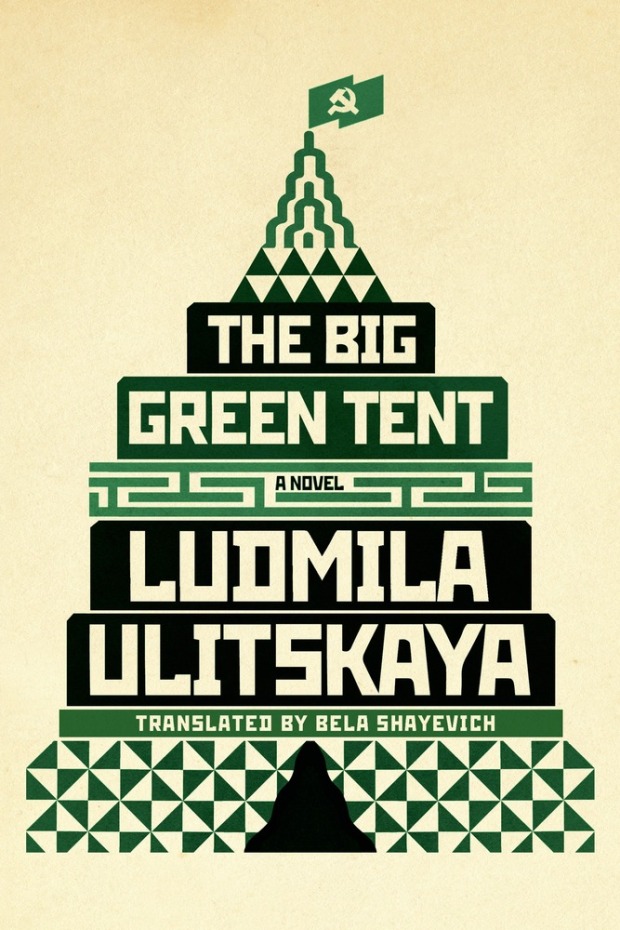
The Big Green Tent by Ludmila Ulitskaya; design by Devin Washburn (FSG / December 2014)

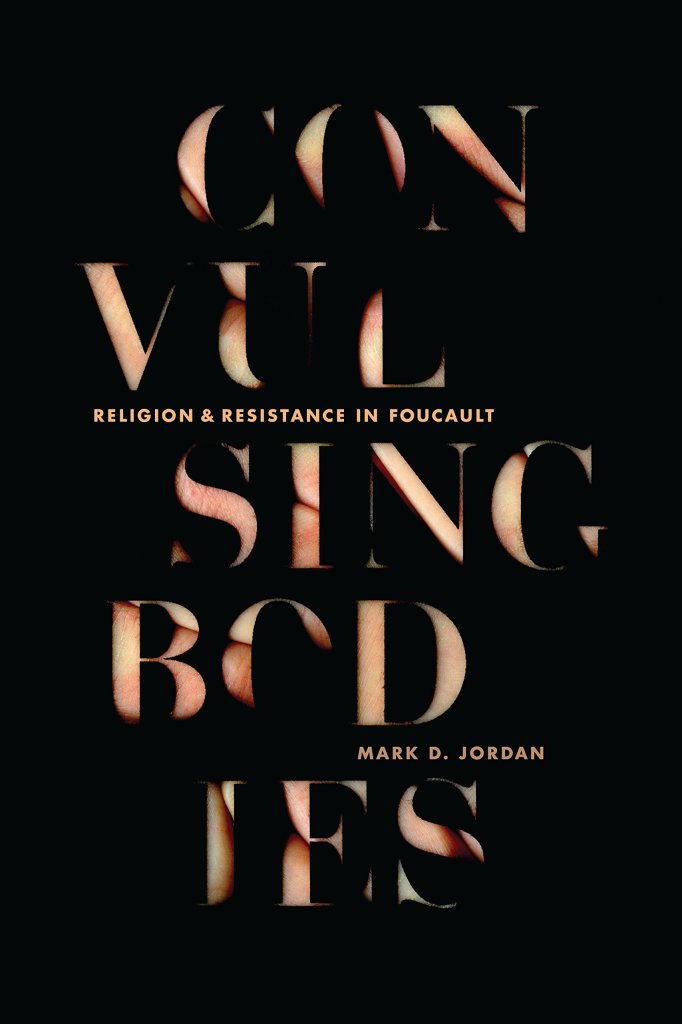
convulsing-bodies-anne-jordan
Convulsing Bodies by Mark D. Jordan; design by Anne Jordan (Stanford University Press / October 2014)

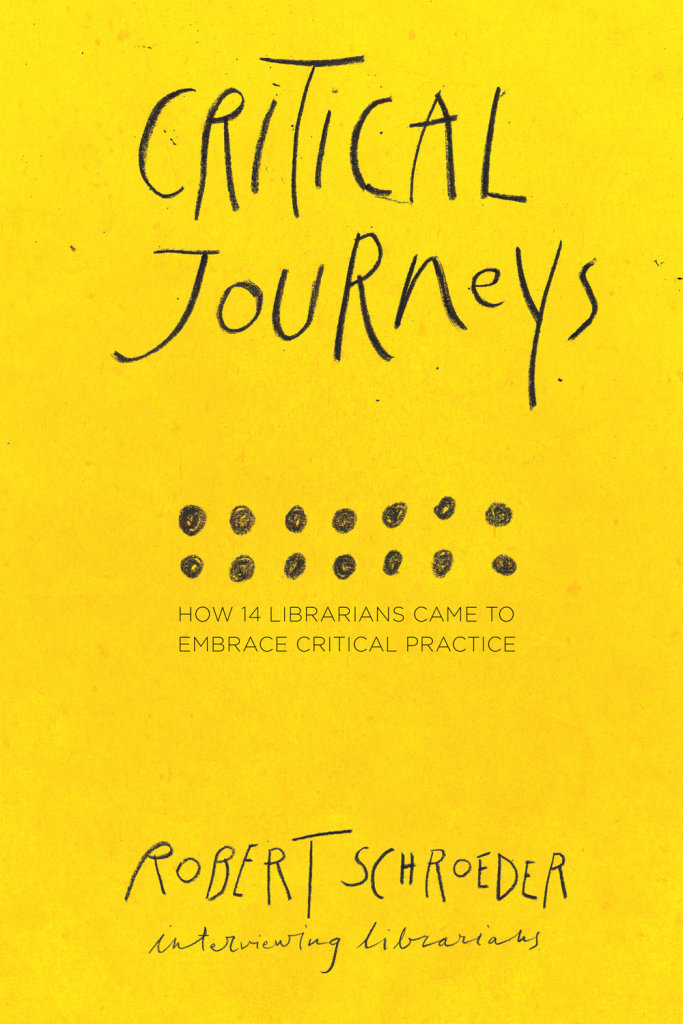
Critical_Journeys
Critical Journeys by Robert Schroeder; design Jana Vukovic (Library Juice Press / September 2014)

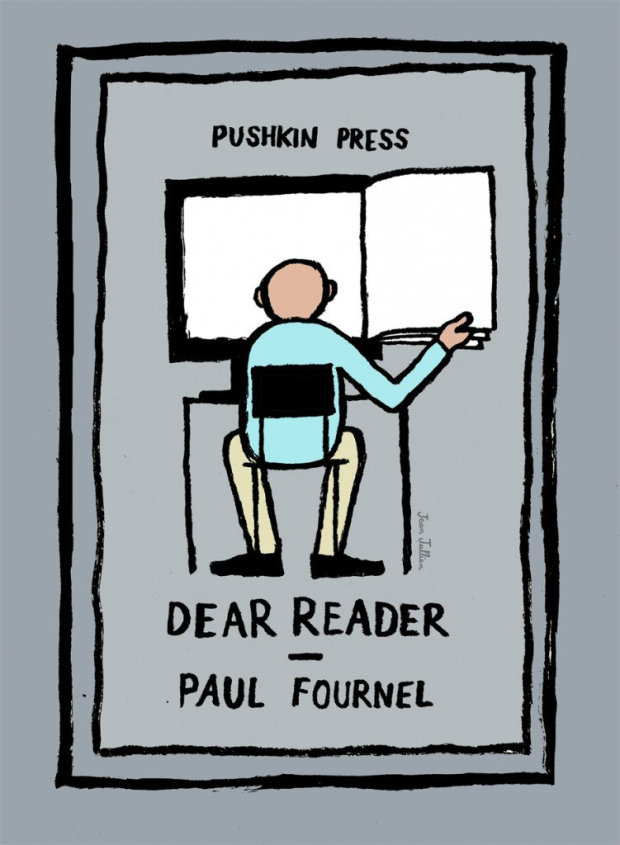
dear-reader
Dear Reader by Paul Fournel; illustration by Jean Jullien (Pushkin Press / November 2014)

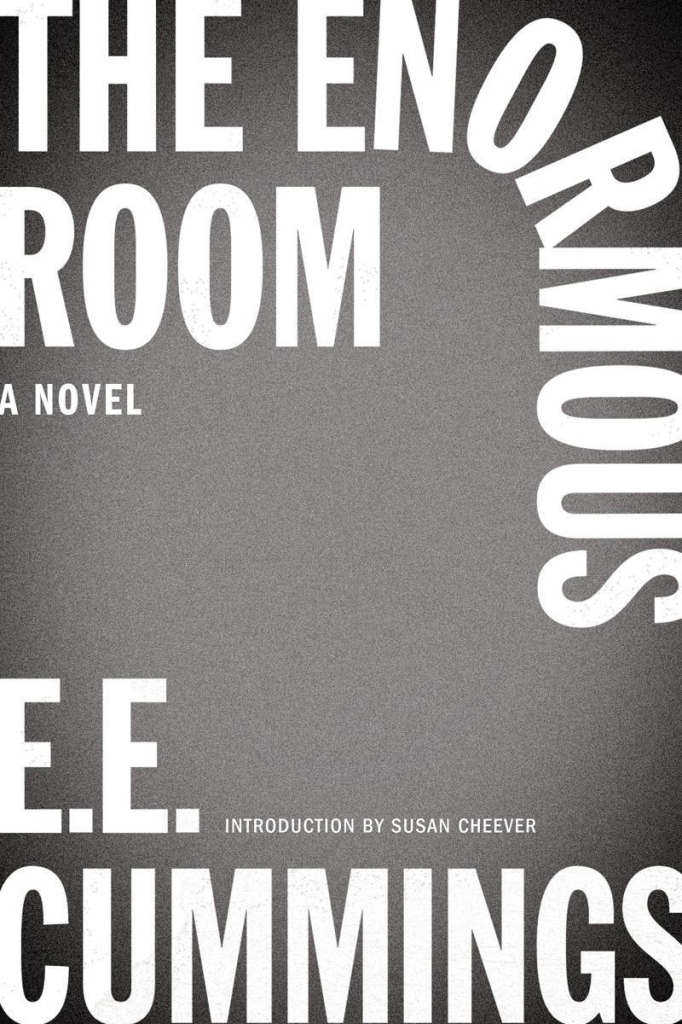
9780871409287
The Enormous Room by E. E. Cummings; design by Devin Washburn (Liveright / October 2014)

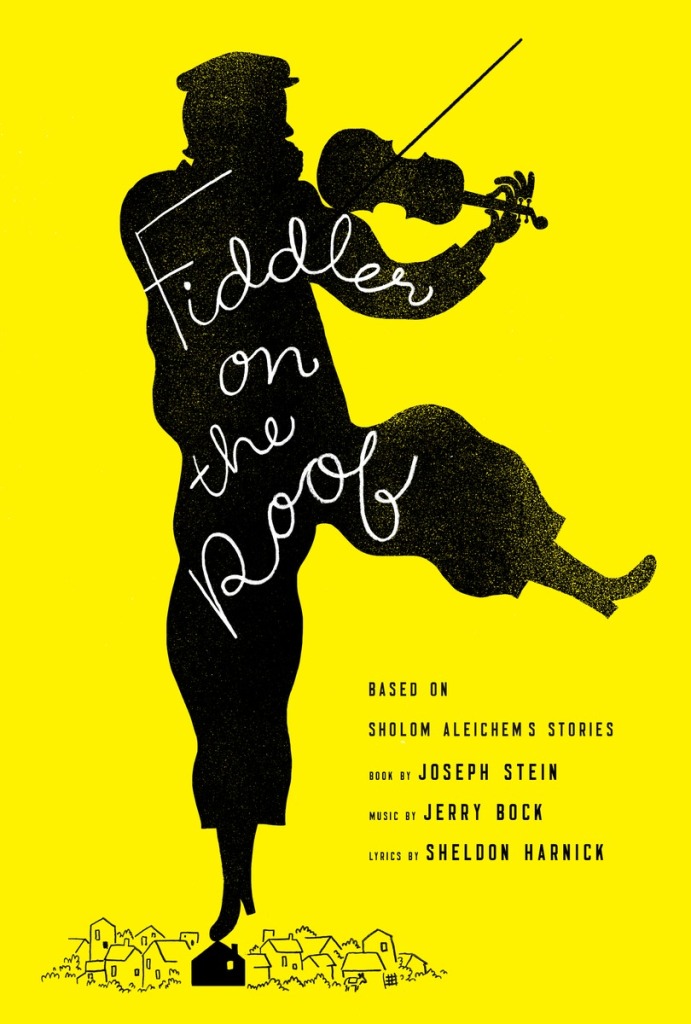
Fiddler-on-the-Roof-Cover
Fiddler on the Roof by Joseph Stein; design Christopher Silas Neal (Crown / September 2014)

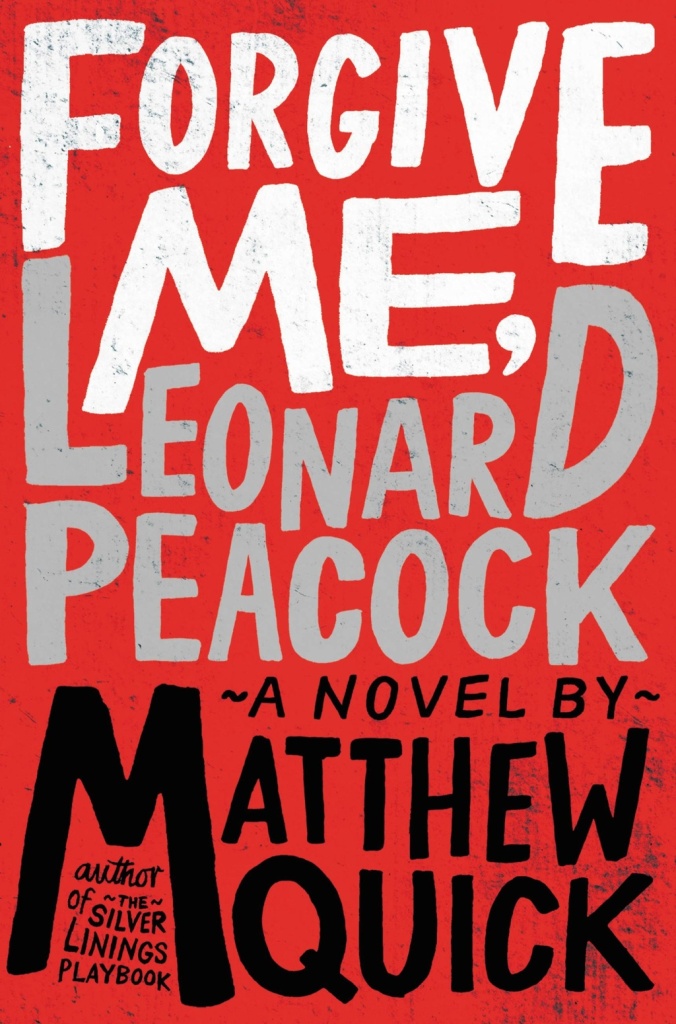
forgive me leonard peacock
Forgive Me, Leonard Peacock by Matthew Quick; design by Gray318 (Little Brown & Co / July 2014)

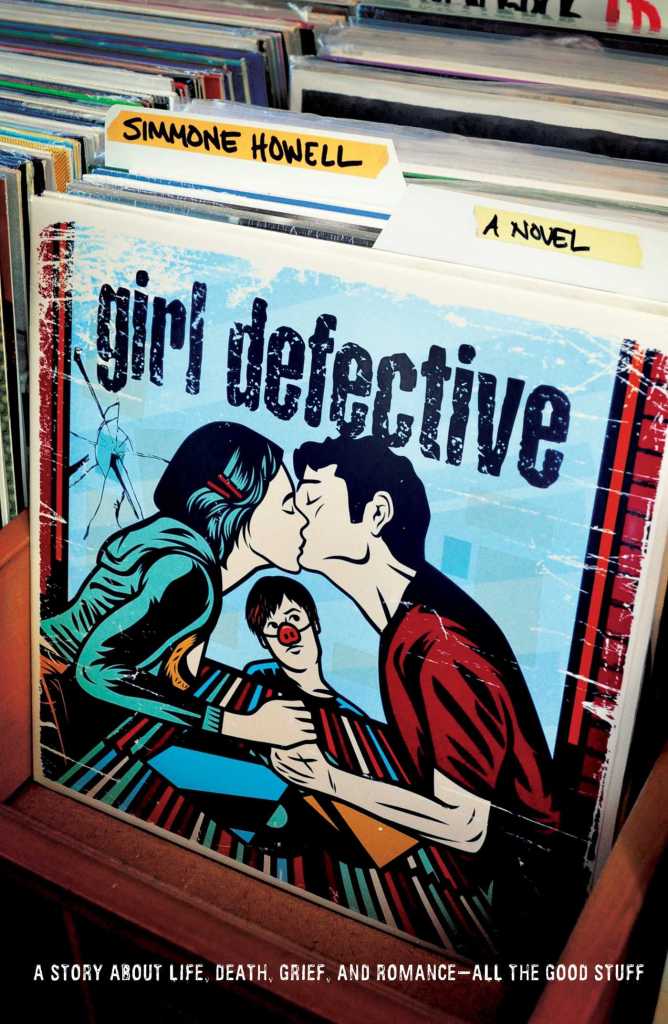
girl-defective
Girl Defective by Simmone Howell; design by Debra Sfetsios-Conover; illustration Jeffrey Everett (Atheneum / September 2014)

(I also really like Sandy Cull’s design for the Australian edition published by Pan Macmillan in 2013)

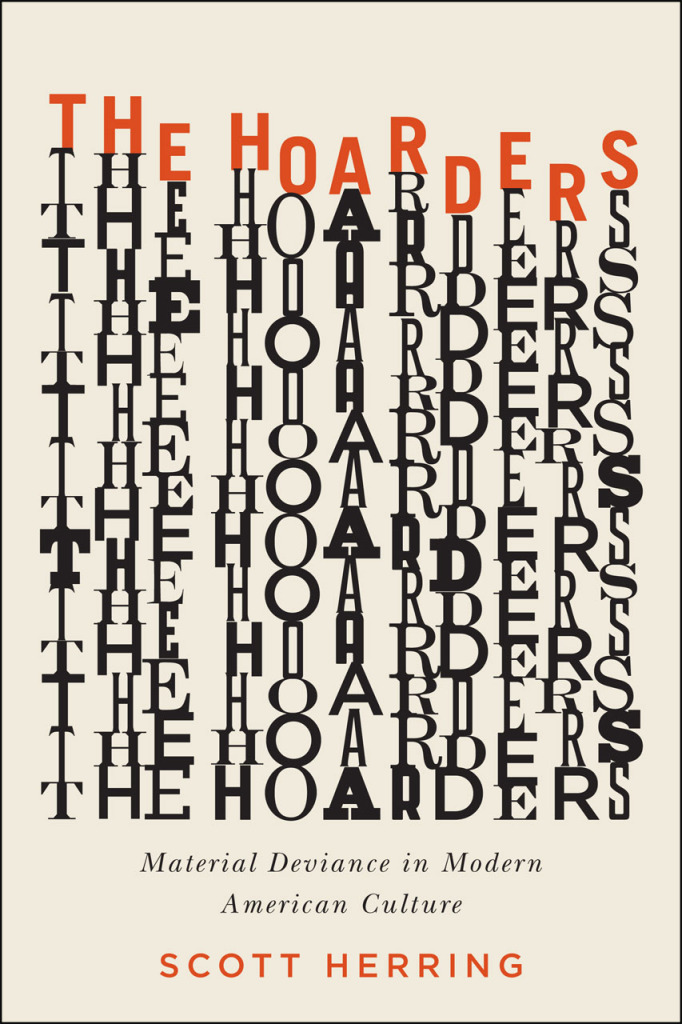
9780226171715
The Hoarders by Scott Herring; design by David Drummond (University of Chicago Press / November 2014)

9781940450261
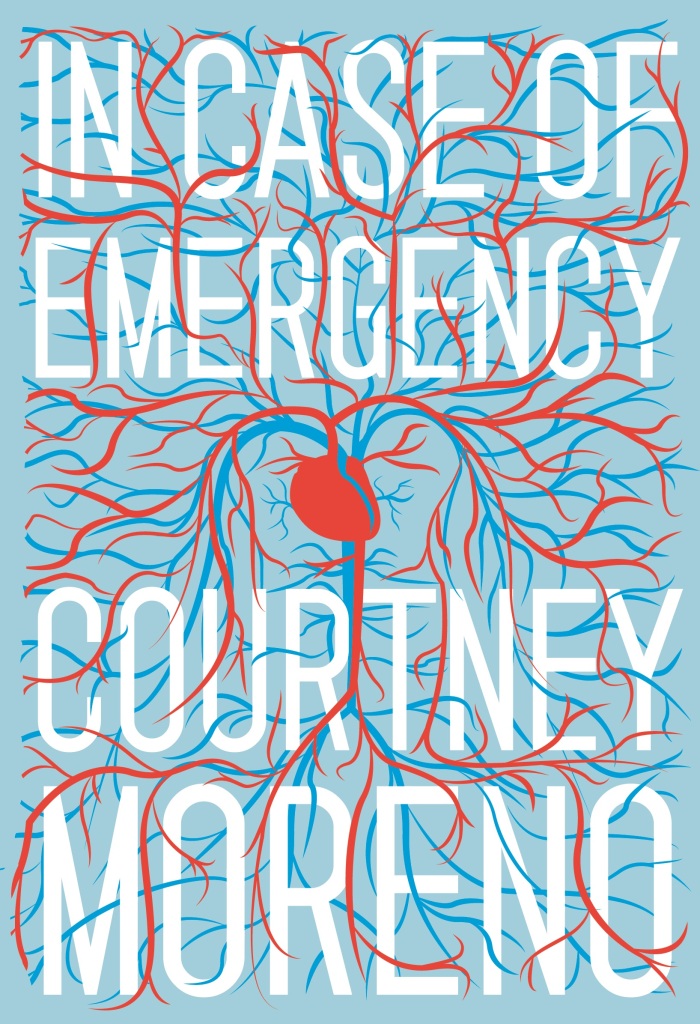
In Case of Emergency by Courtney Moreno; design by Sunra Thompson (McSweeney’s / September 2014)

Wint_9780385677851_jkt_all_r6.indd
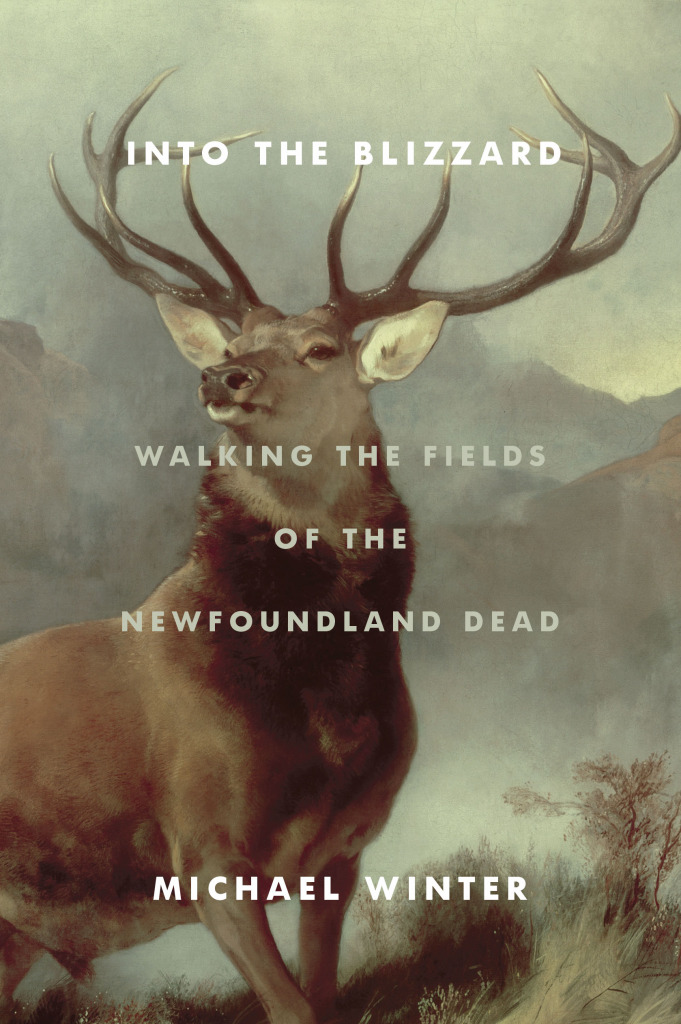
Into the Blizzard by Michael Winter; design by Scott Richardson (Doubleday Canada / November 2014)

its-not-me
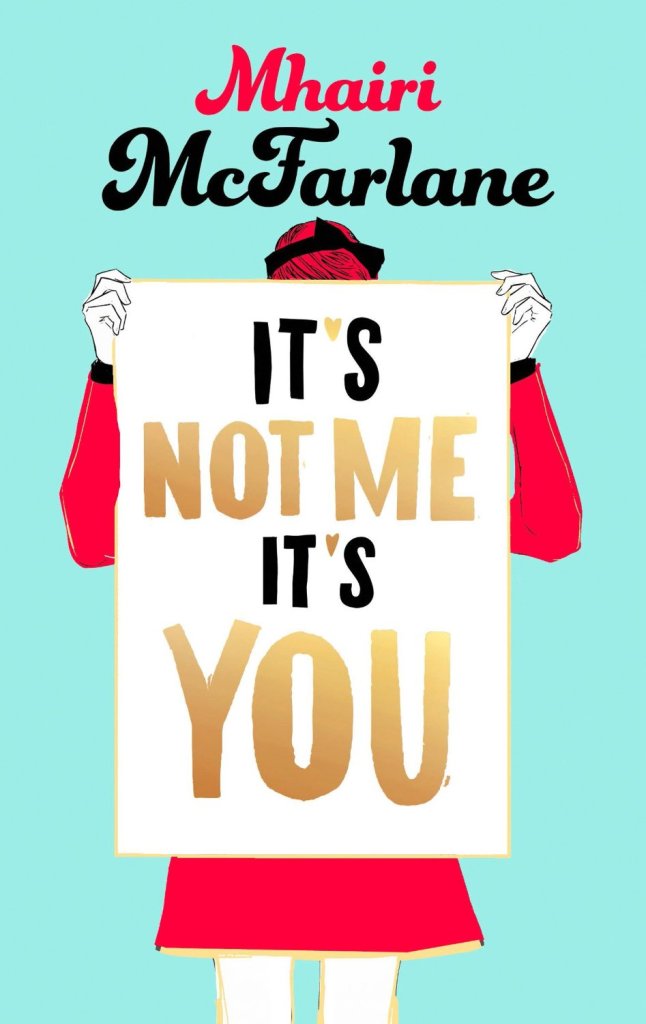
It’s Not Me It’s You by Mhairi McFarlane; design by Heike Schüssler; illustration by Gianmarco Magnani / Silence Television (HarperCollins / November 2014)

little-failure-pb
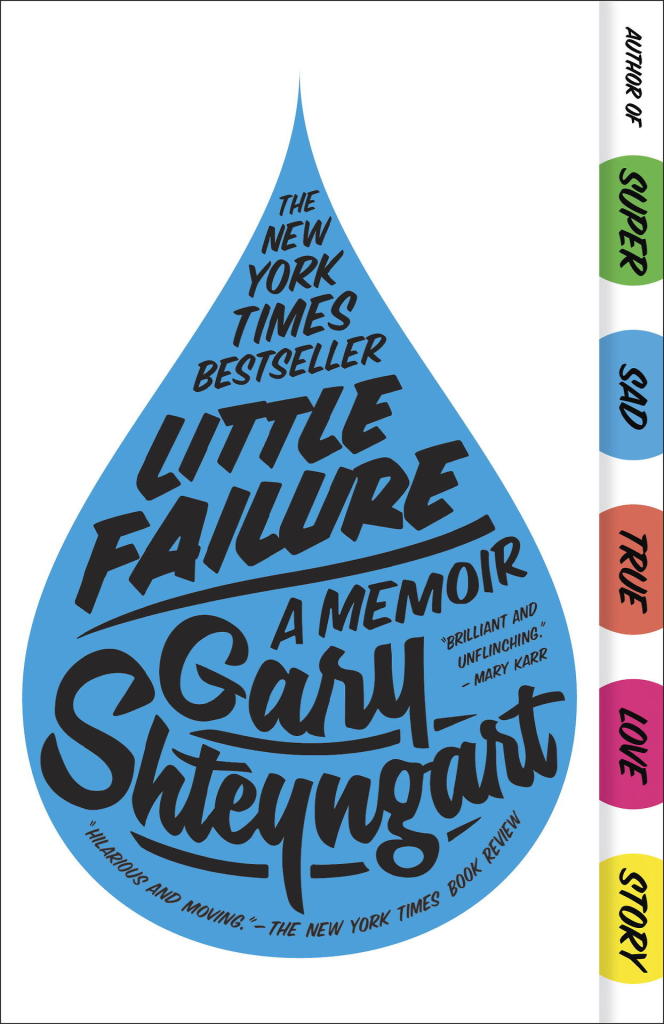
Little Failure by Gary Shteyngart; design by Rodrigo Corral Design (Random House / October 2014)

9781554471416_a
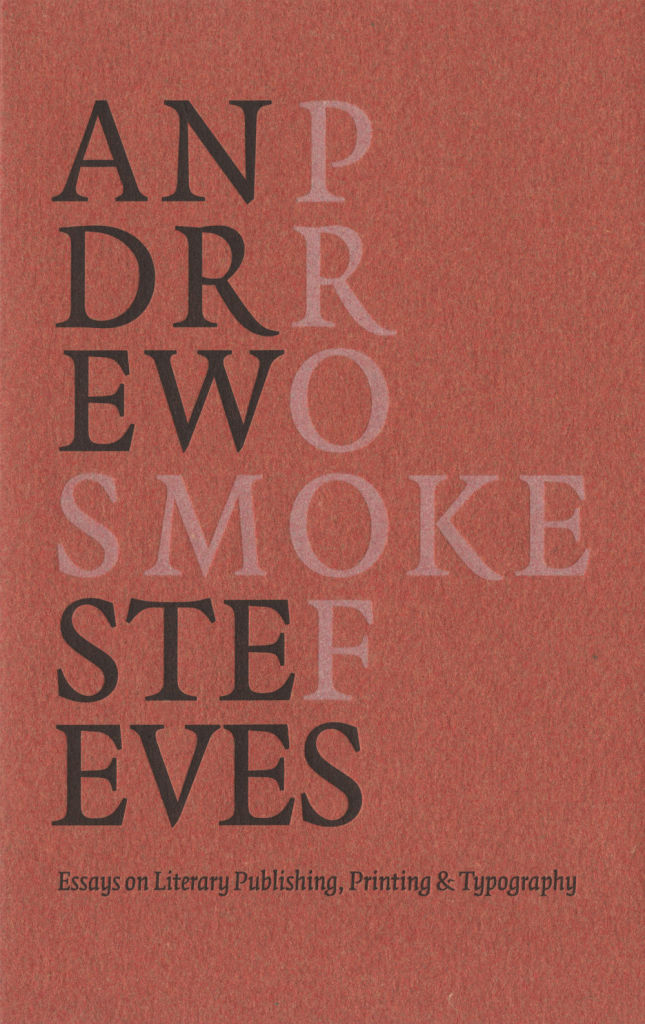
Smoke Proofs by Andrew Steeves; design by Andrew Steeves (Gaspereau Press / September 2014)

9780141394664
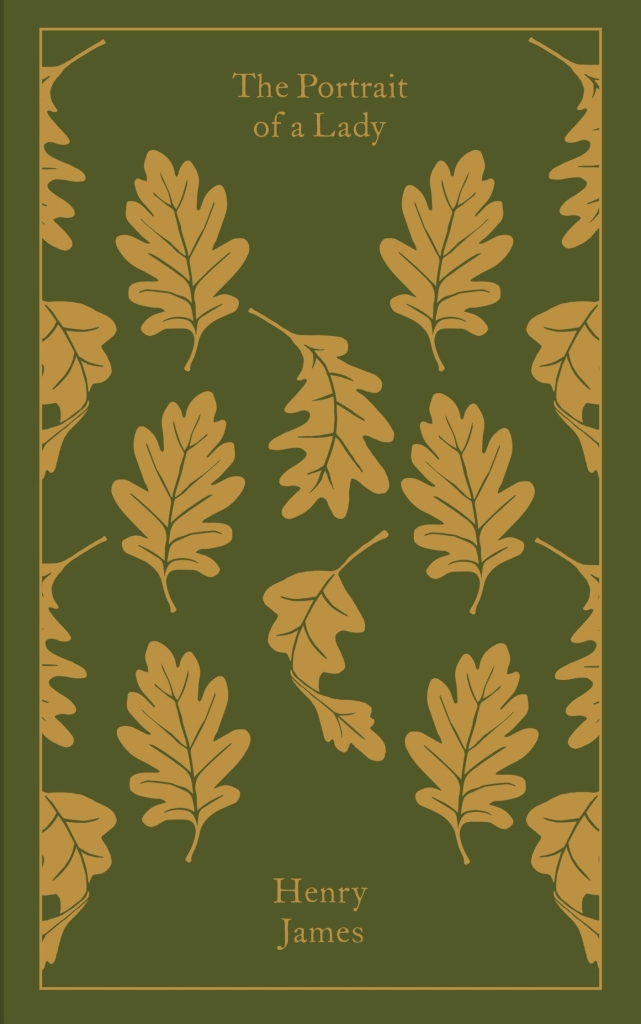
The Portrait of a Lady by Henry James; design by Coralie Bickford-Smith (Penguin / November 2014)

rabbit
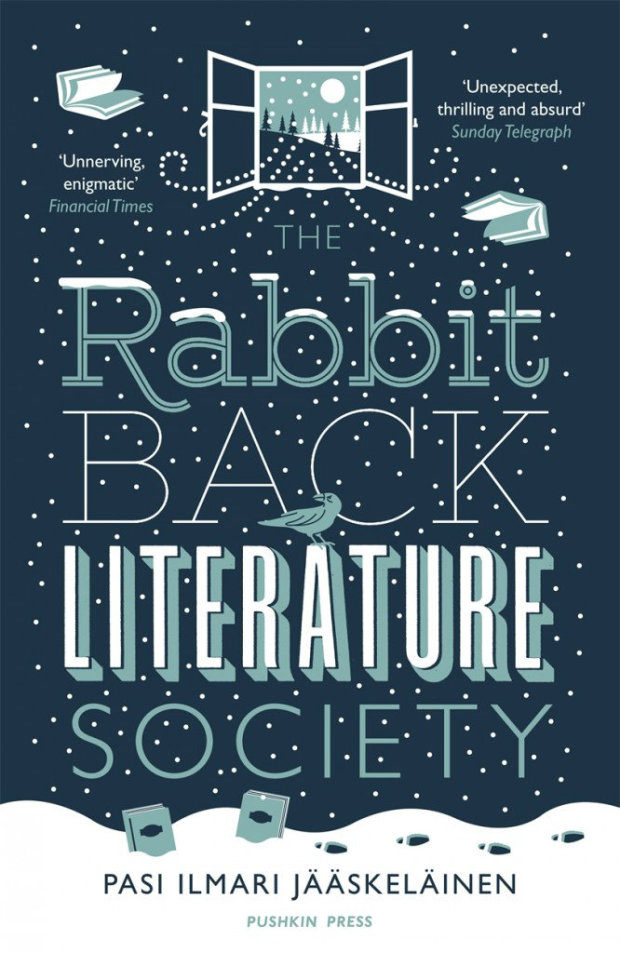
The Rabbit Back Literature Society by Pasi Ilmari Jääskeläinen; design by Nathan Burton (Pushkin Press / September 2014)

(The hardcover edition, designed by David Pearson, is also amazing)

sailing-the-forest-9781447274049
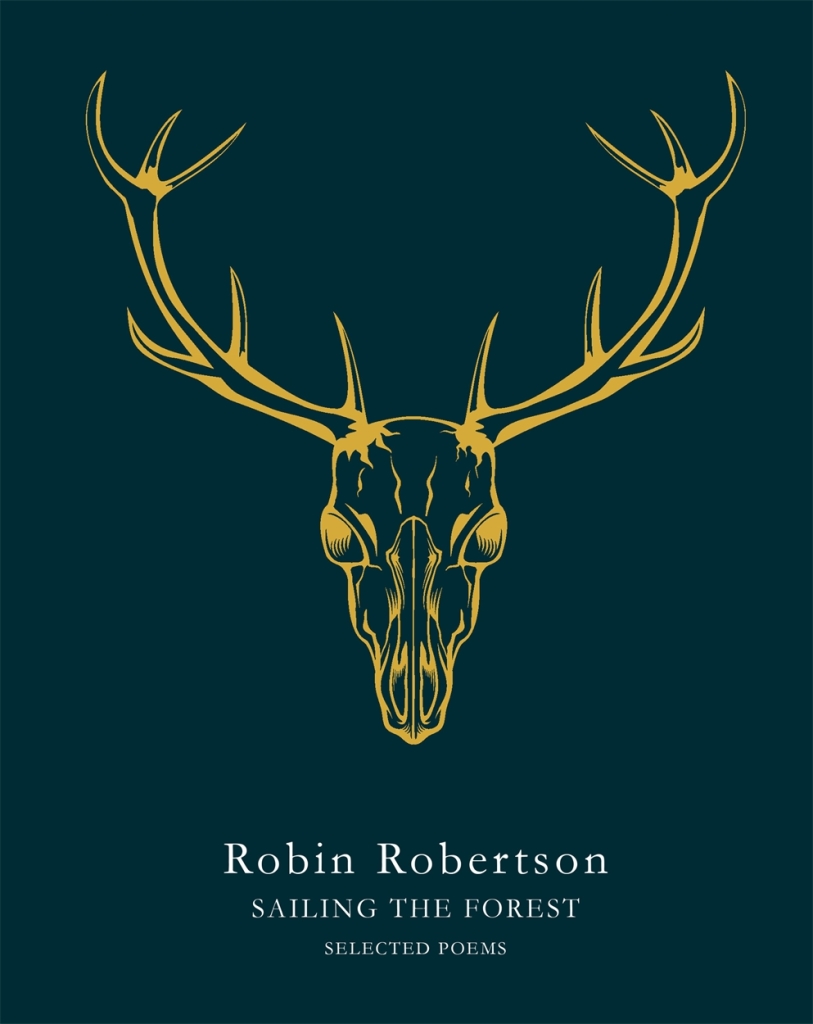
Sailing the Forest by Robin Robertson; design by Neil Lang (Picador / September 2014)

(The skull is gold foil on the finished book)

sense-of-style
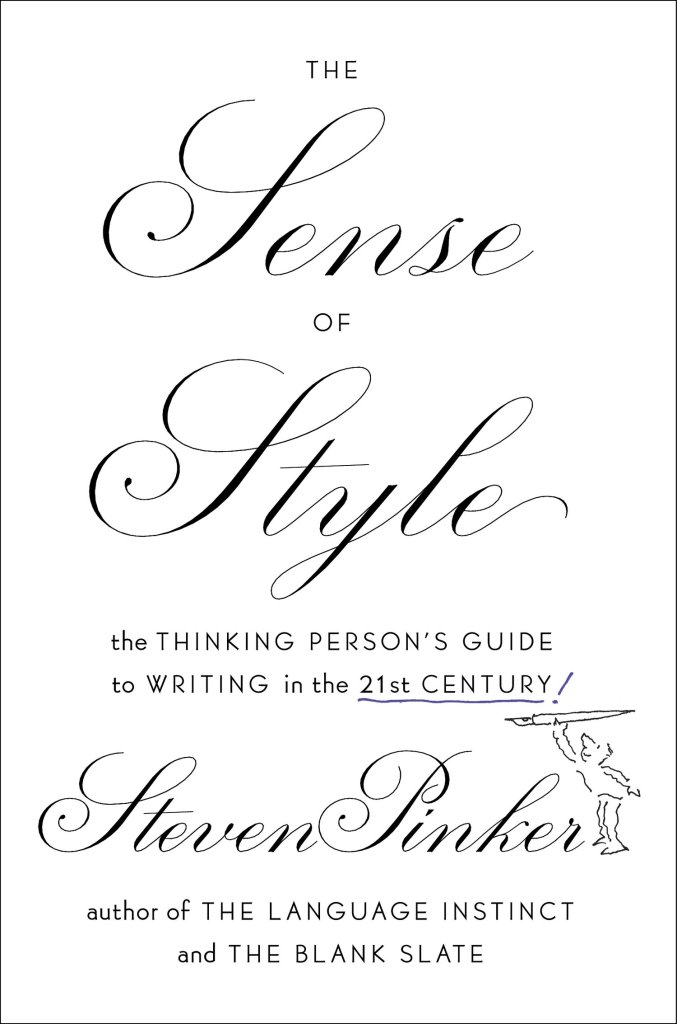
The Sense of Style by Steven Pinker; design by Louise Fili; illustration by R. O. Blechman (Viking / September 2014)

9781846145506
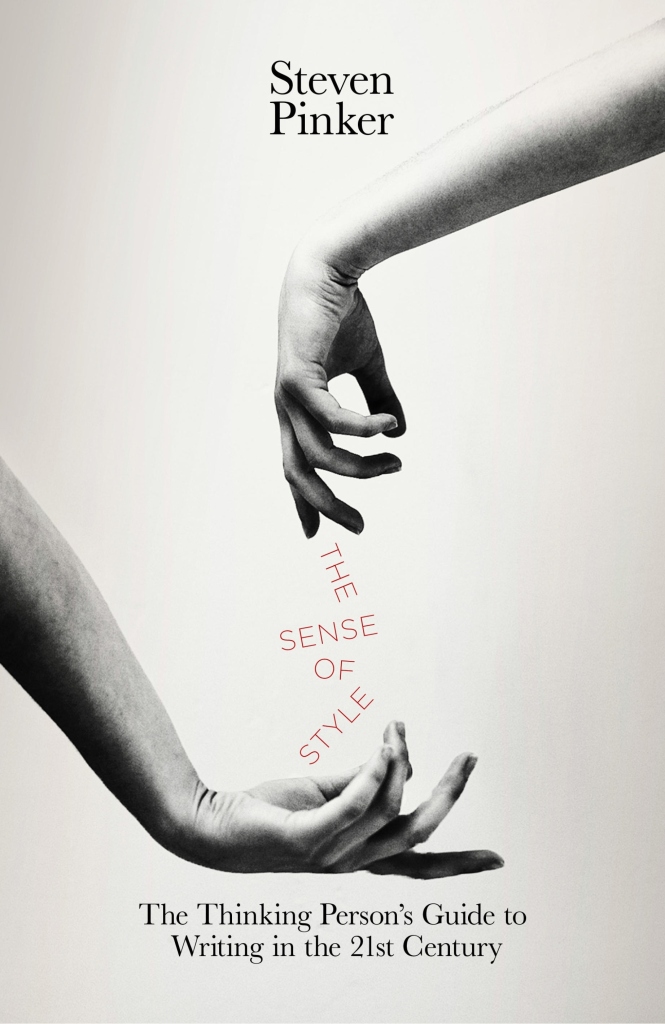
The Sense of Style by Steven Pinker; design by Jim Stoddart & Isabelle de Cat; photograph by Kayla Varley (Penguin / September 2014)

9780141395036
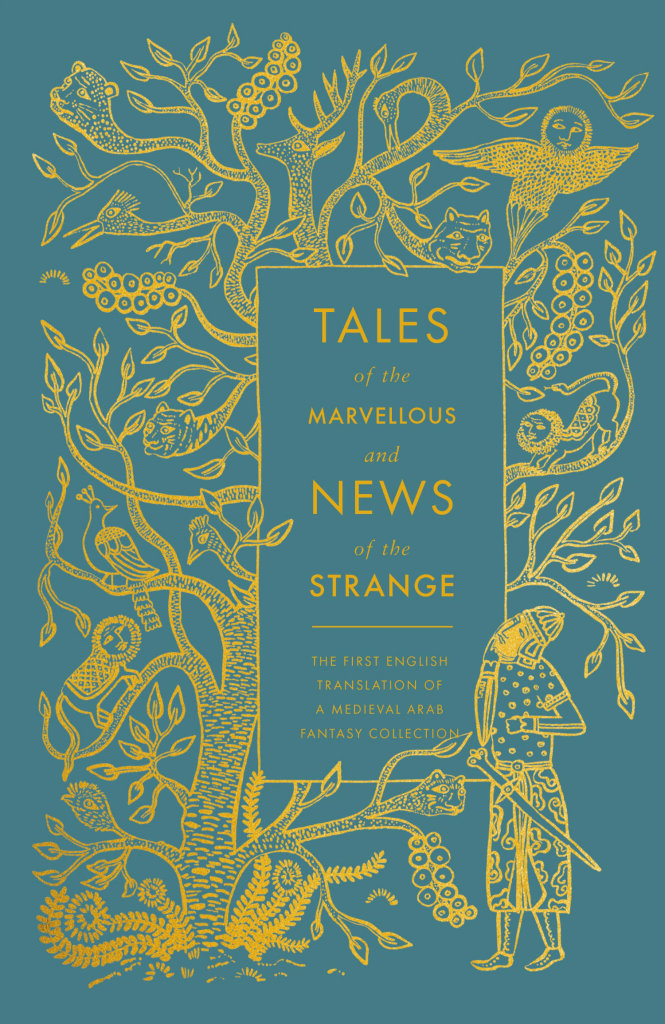
Tales of the Marvellous and the Strange translated by Malcolm C. Lyons; design by Coralie Bickford-Smith Isabelle de Cat; illustration by Nina Chakrabarti (Penguin / November 2014)

(Just look at all that gold!)

9780374533861
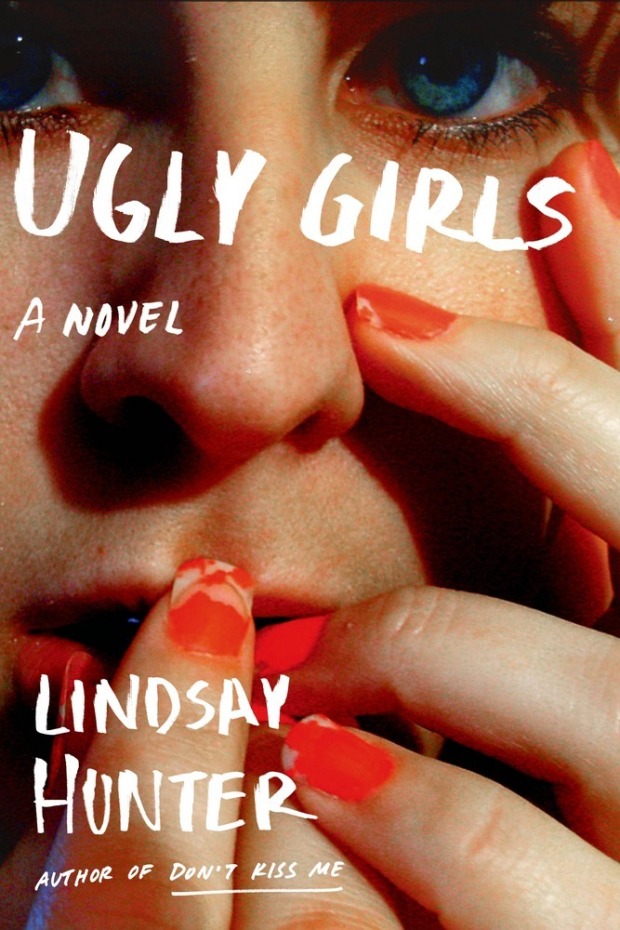
Ugly Girls by Lindsay Hunter; design by Charlotte Strick; photograph by Natalie Dirks (FSG / November 2014)

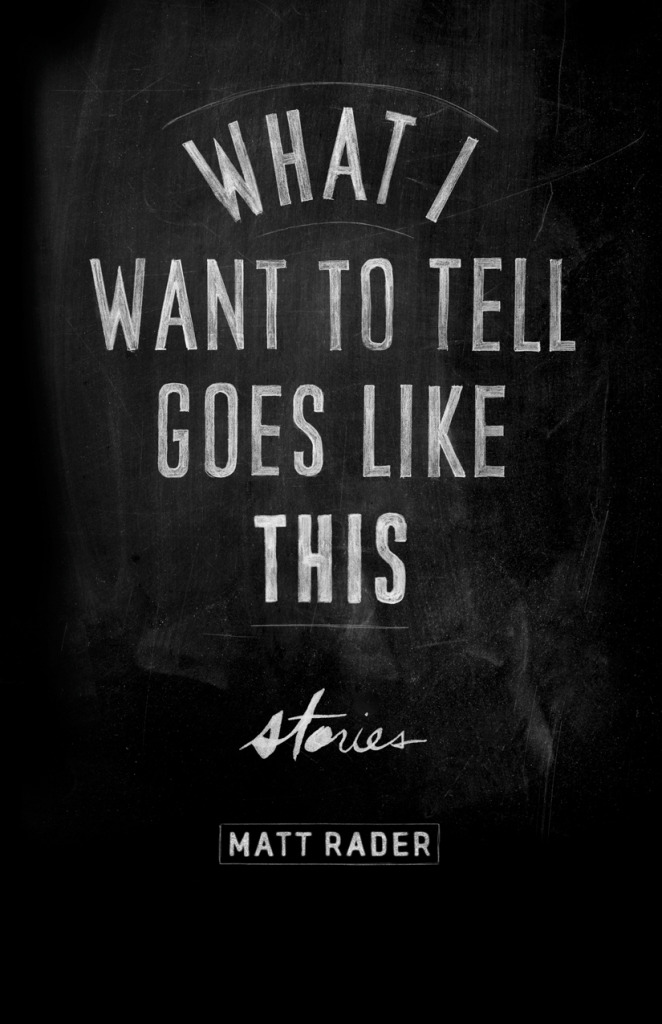
0889713065
What I Want to Tell You Goes Like This by Matt Rader; design by Ben Didier / Pretty/Ugly Design (Nightwood Editions / October 2014 )

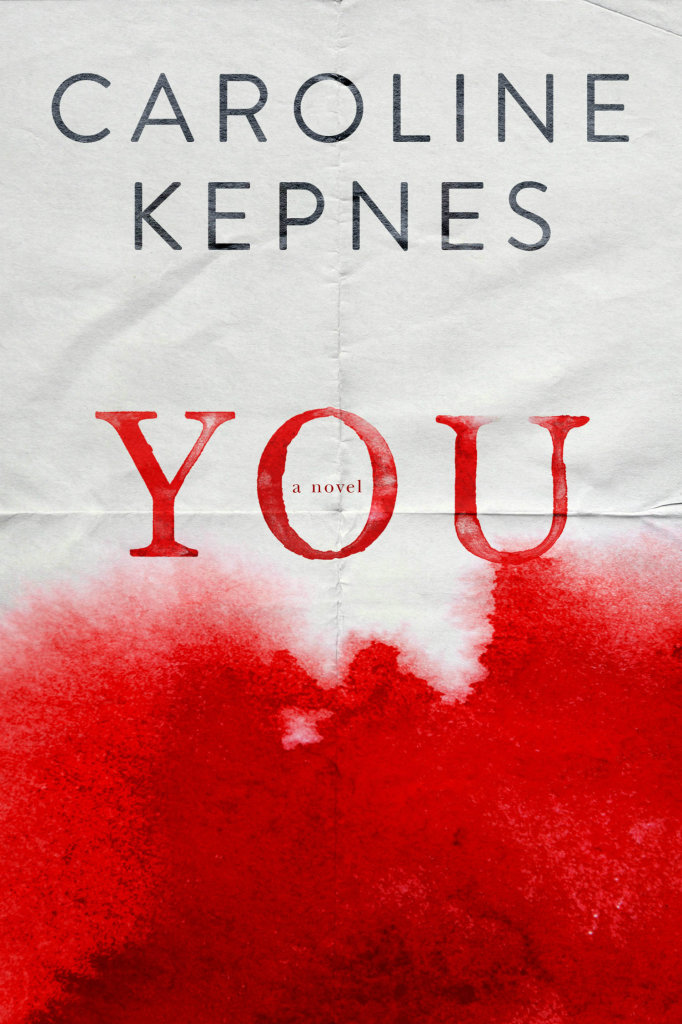
you
You by Caroline Kepnes; design by Natalie Sousa (Atria / September 2014)

3 Comments

Dan Rhatigan on type…Type on Dan Rhatigan

dan-rhatigan

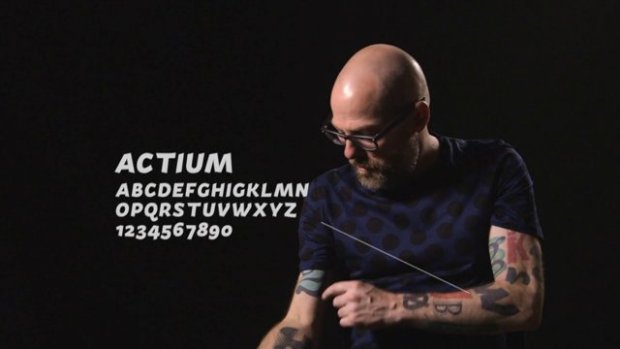
This is kind of amazing… Type designer Dan Rhatigan talking about his love of type, and his typographic tattoos:

And if you didn’t catch all that, Dan helpfully posted a list of his tattoos (as August 2014) on his website:

  1. R from unknown wood type
  2. & from Poetica by Robert Slimbach
  3. ü from Meta Bold by Erik Spiekermann
  4. s from Fette Fraktur
  5. K from the old Krispy Kreme logo
  6. g from Baskerville, based on types of John Baskerville
  7. § from Champion Gothic Middleweight by Jonathan Hoefler
  8. 7 from Century Oldstyle Bold by Morris Fuller Benton
  9. y from Cooper Black Italic by Oswald Cooper
  10. W from Whitney Bold by Tobias Frere-Jones
  11. z from Stilla by François Boltana
  12. r from Maple Medium by Eric Olson
  13. 2 from Ingeborg Block by Michael Hochleitner
  14. w from Actium Black Italic by Gerben Dollen
  15. a from Dolly Italic by Underware
  16. e from Sodachrome (Left and Right) by Ian Moore and Dan Rhatigan
  17. Y from Banco by Roger Excoffon
  18. Å from Leyton by Ian Moore
  19. C from De Little 30-Line 196
  20. H from Calypso by Roger Excoffon
  21. é from Gill Sans Ultrabold (Gill Kayo) by Eric Gill
  22. B from Festival Titling by Phillip Boydell
  23. ø from Bell Centennial Bold Listing by Matthew Carter

In another recent video, Dan talks about the design of Monotype’s Ryman Eco, “the world’s most beautiful sustainable font”, which apparently uses 33% less ink than standard fonts:

This promotional video for Ryman Eco is also nicely done:


Comments closed

Kodak: Bankrupted By Its Own Innovations

In an interesting piece on the decline of Kodak, Kenny Suleimanagich describes how it was not simply a reluctance to innovate that caused problems at the company, it was that they brought their innovations to market too early:

No matter what [Kodak] came up with, nothing digital would sell. To consumers, everything was too expensive, and to professionals, the quality was not yet good enough. “It was a difficult thing to market,” [computer engineer Peter] Sucy admits, “especially for people who didn’t have any kind of experience marketing this kind of product; people who didn’t really know what it did.”

In the end, being early did not help, because the market simply wasn’t ready. As obvious as the endgame was, Kodak’s leaders were faced with an unwinnable predicament: either keep investing in end-of-life products until the profits dried up — and die over the long run; or switch to stillborn product lines that produced mostly red ink in the ledgers — and die immediately.

In his book, The Disappearance of Darkness: Photography at the End of the Analog Era, published by Princeton Architectural Press, Toronto-based photographer Robert Burley documented the closure (and destruction) of the Kodak facilities in Rochester, Toronto, and Chalon-Sur-Saône. Pictured above are Burley’s photographs ‘View of Kodak Head Offices from the Smith Street Bridge, Rochester, New York 2008’ and ‘Implosions of Buildings 65 and 69, Kodak Park, Rochester, New York [#2] October 6, 2007.’

Burley talks about the project and the book in this short video:

A slightly longer 5- minute short about the project can be found here.

(On a related note–at least in my brain–the New York Times reported on the resurgence of vinyl over the weekend. The manufacturers are apparently having some difficulty meeting demand. The last new press was built in 1982. Perhaps analogue photography just isn’t out-of-date enough yet for some people?)

(And full disclosure etc: PA Press are distributed in Canada by my employers Raincoast Books)

Comments closed

Earl Kallemeyn Letterpress

The New York Times has posted a short video interview with Earl Kallemeyn of Kallemeyn Press about the beauty of letterpress:

Comments closed

Monday Miscellany

I’m sorry for the lack of a weekend post, but to make up for it, here is a Monday round-up to get your week started right…

Owned — Josh Davis AKA DJ Shadow interviewed on the Intelligent Life blog:

My sense of value comes from the fact that music is my life… People always think it’s about money or my personal wealth or something like that. It’s about this art form that’s taken a drubbing in the last decade. I’m not talking about what a wonder it is that music has been democratised. Music between 1960 and 1970: how can you even chart that progress? Music between 1970 and 1980: entire genres come and go, massive leaps. Music between 2001 and 2011: I don’t think there’s a massive difference… We have access to all this music now and I’ve been hearing for 12 years what a miracle that’s going to be and how it’s going to revolutionise music. But I work in the clubs and I’m not seeing any evidence of this shift. People seem to think we own the internet as a collective brain-trust. We don’t own the internet. The internet is owned by the same people that own everything else. They make money from the advertising that you’re being shown as you look at somebody’s life’s work, and they’re not being given a dime.

You can listen DJ Shadow’s new album The Less You Know, The Better on NPR.

And on a semi-related note: Chuck Klosterman on music and nostalgia for Grantland.

The Idiot — Cartoonist Daniel Clowes interviewed at Flavorpill:

If I ever met a young cartoonist who is really amazing I would say just don’t do any interviews, don’t do any public appearances. Just remain a mystery. Because once you do one, then that becomes your opinion on record. Unless you get it exactly right that first time, you have to keep modifying it over the years, because I’m certainly not the same person I was when I did my first interview. I was probably 26 years old. I was an idiot.

Playing the Part — Grant Morrison’s Supergods reviewed at Robot 6:

[M]any creators Morrison discusses are his peers, rivals, colleagues and bosses — it’s nice to get a book like this that’s unafraid to engage in industry gossip from a working creator, but, at the same time, it makes one suspicious of the writer, who becomes an unreliable narrator of his own career. This is perhaps exacerbated by the fact that early on in the book, Morrison says he was acting a part, an invented persona as a sort of demonic, enfant terrible punk early in his career, publicly sneering at Alan Moore’s work and engendering animosity. How does a reader know he’s not still playing a part?

And finally…

From Business WeekAmazon, the company that ate the world:

Although the decision to design and build its own hardware is a high-stakes bet, it’s equally true that Bezos had no choice but to enter the tablet business. About 40 percent of Amazon’s revenues comes from media—books, music, and movies—and those formats are rapidly going digital. Amazon was late to understand the speed of that transition; Apple, which launched the iPod in 2001 and iTunes two years later, wasn’t. The iPad has only strengthened Apple’s hold over digital media. There’s a Kindle app for the iPad, but Apple takes a 30 percent slice of all content that app makers sell on the tablet and has restricted Amazon from directing iPad users to its website in order to avoid giving Apple its cut. Doing business on the iPad threatens Amazon’s already thin profit margins.

Bezos claims he doesn’t think defensively. “Everything we do is driven by seeing opportunity rather than being worried about defending,” he says. Given Apple’s inroads into the media business, that’s hard to believe. Bezos is magnanimous toward Jobs. “On a personal level we have a tremendous amount of respect for Apple and Steve. I think that’s returned,” he says. “Our cultures start in the same place. Both companies like to invent, both companies like to pioneer, both companies start with the customer and work backwards. There’s a like-mindedness.” Pause. “Are two companies like Amazon and Apple occasionally going to step on each others toes? Yes.”

Comments closed

Midweek Miscellany


Nick Hornby on book cover design at We Made This:

[I]ncreasingly the big retailers, Amazon and the supermarkets, have a say in how a book looks before publication, if the book in question has serious commercial prospects. I don’t really know what to say about that, apart from observing that the people who sell books in supermarkets have different tastes from my own. I am at liberty to object to the covers on my novels, if I really hate them, but my publishers would then, I think, be entitled to ask me to take a lower advance, if I care about aesthetics so much. The days of the iconic jacket illustration, the image that forever becomes associated with a much-loved novel, are nearly gone. The stakes are too high now.

(pictured above, the cover for the Penguin Ink edition of High Fidelity by a tattooist Russ Abbott)

George Pelecanos chooses a music playlist for his new book, The Cut, at Largehearted Boy.

Brian Doherty reviews three books on comics history for the LA Review of Books.

And finally…

Longing for the Little Bookstore — Ann Patchett, author of State of Wonder, on bugs, book tours and bookstores, for the New York Times:

With the demise of the Borders chain and the shaky footing of Barnes and Noble, one might be tempted to write off the whole business. But as one who spent her summer on a book tour, I would like to offer this firsthand report from the front lines: Americans are still reading books. Night after night after night I showed up in a different bookstore and people were there with their hardbacks. Sure, I signed a couple of iPad covers, Kindle covers. I’ve got no problem with that. But just because some people like their e-readers doesn’t mean we should sweep all the remaining paperbacks in a pile and strike a match. Maybe bookstores are no longer 30,000 square feet, but they are selling books.

1 Comment

Midweek Miscellany

Cartoonist and illustrator Tom Gauld chats with the Angry Robot blog:

I find [robots] almost endlessly interesting. There is tragedy in their place between sentient beings and disposable products. And … they are much easier to draw than real people.

I’m hoping to interview Tom here as well sometime soon (just as soon as I think of something smart to ask him).

Hard Scenes — Actor, writer and director John Turturro talks about his work and one of my all time favourite films Miller’s Crossing at the A.V. Club (via Biblioklept):

Sometimes you think about movies, and you say, “Well, I want to try to do something that’s not exactly in a movie.” If you’ve ever been in a very dangerous situation, you know that people will do all kinds of things to keep themselves alive. It was very well-written, but you want to imagine what it’s really like to be in that kind of situation. It depends on what you’re willing to do, and in real life you would do a lot of different things. I tried to capture a little bit of that… to do something that was almost a little difficult to watch, because people aren’t trying to be heroic at those moments.

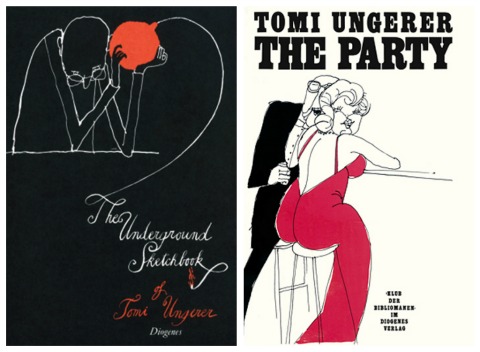
Curiosity and Collecting — Writer and illustrator Tom Ungerer in conversation with Julie Lasky at Design Observer:

One of the most important things for one’s own development is curiosity. Once you have curiosity, you just accumulate. My interests go from botany to mineralogy, geology, anatomy, history. Sometimes I’ve been bitten like bug. I buy one object and I’m so fascinated that I start collecting. And then when I finish collecting, and the collection doesn’t inspire, I give it away, like my toy collection of 6,000 pieces that I donated to my hometown museum for children.

Learning to Write — An interview with author Zadie Smith at The Literateur:

[O]ne of the things I look for in other people’s writing is the ability to confer freedom. That’s what I want to be able to do myself. I like a writer who doesn’t have to be in total control of how their readers react. More mystery, less explanation. All I can say is I’m working on it. But it’s so hard! I really feel I’m just at the base of a huge mountain called ‘learning how to write’. I’m still only 35. Learning to write is a task that takes up your whole life.

And finally…

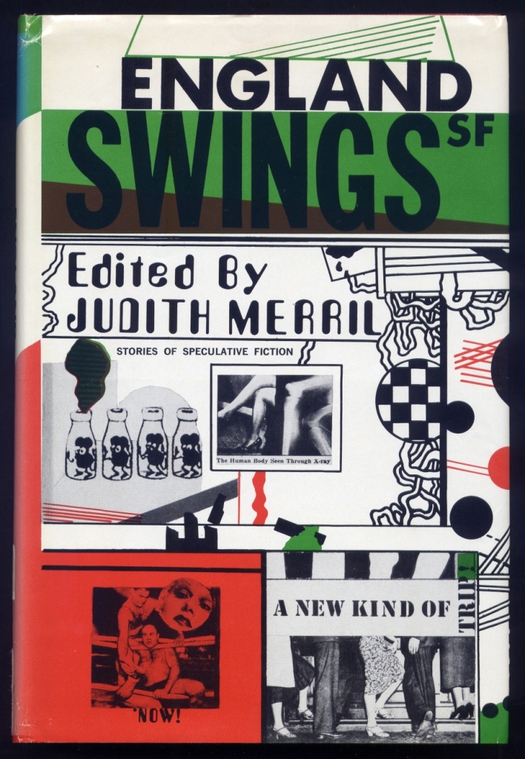
Rick Poynor on the unusual cover design for England Swings SF, published in 1968, also at Design Observer.

Comments closed

BEC DOA

Book Expo Canada is in trouble.

The Canadian publishing trade show has been dogged by industry apathy and persistent complaints about high costs, low attendance, and a lack of paying customers for years. But the immediate need to cut costs in the face of the economic downturn — or, at least, see some kind of measurable return on investment —  has been the final straw for dissatisfied publishers.

Random House, Canada’s largest trade publisher, unilaterally withdrew from the event in November, and last week HarperCollins and Penguin — closely followed by  Scholastic Canada and H.B. Fenn & Co.  — announced that they would not be attending BEC in 2009 either.

Scheduled for June 19th-22nd at the Metro Toronto Convention Centre, organizers Reed Exhibitions initially said that it was still their intention to hold the annual convention even though Simon & Schuster was the only one of the “Big Four” multinational publishers committed to the ailing event.

Now it seems Reed may be reconsidering that decision after Random House’s recent announcement that they would be launching a new Toronto “literary and cultural” festival with the Globe and Mail in May —  one month before BEC.

With a high-profile media sponsor, and including events with crowd-pleasing luminaries such as Naomi Klein, Margaret MacMillan, Richard Florida, Pulitzer Prize nominee Ha Jin, and New Yorker columnist Adam Gopnik, the two day “Open House Festival” is clearly aimed at doing precisely what BEC has seemed so incapable of – bringing in paying customers and driving book sales.

More troubling for Reed is that the new festival means their latest initiative, the Toronto Book Fair, planned for the first weekend in October, will almost certainly be stillborn.

Details of the fair were unveiled earlier this month by John McGeary, Reed’s general manager for Canada.

Hoping to win over critics of Book Expo, McGeary outlined an “inclusive celebration of reading and literacy” akin to Salon du Livre. But hampered by a venue (the Direct Energy Centre) on the fringes of public transit, and scheduled for one of the busiest months in the publishing calendar, Reed’s plans disappointed the vast majority of the invited audience of independent booksellers and industry-types.

McGeary, relying heavily on his PowerPoint slides, struggled to articulate a coherent vision for a fair that nobody seemed to want, and was unable to substantially differentiate it from Word on the Street, the popular not-for-profit book festival taking place in downtown Toronto one week before the Reed event.

“We consider ourselves extremely different” was about the best McGeary could manage. “Yes”, a wag in the audience said, “Word on the Street is free and in Queen’s Park!” Touché .

The poor timing and location, combined with a breath-taking dearth of both imagination and logistical detail, makes it unsurprising that Random House and Penguin have already announced they will not be attending the new fair. And more publishers are sure to follow suit.

Reed — who are now, according to PW, reviewing all their dealings with the book industry in Canada — will no doubt blame the combined failure of BEC and the Toronto Book Fair on the crumbling economy and the mixed messages sent by fickle, selfish and duplicitous book industry players.

But Reed cannot entirely escape responsibility for their situation. They have consistently put the cart before the horse, planning events before they have identified a real need or purpose. This ‘build it and they will come’ attitude may have worked in the past, or perhaps elsewhere. Unfortunately Reed’s abortive attempt to make BEC more inclusive two years ago, the now infamous the Booked!, and the shortcomings of the trade show itself have seriously damaged their credibility in Toronto.

And Reed is guilty of simply trying too hard. Their efforts to be inclusive are laudable, and yet in trying please everyone, they inevitably please no one.

The book community in Toronto consists of authors, publishers, distributors, bookstores, libraries, readers, publicists, journalists, bloggers and more. Their interests conflict at least as often as they overlap, and one only needs to look at the finger-pointing and handbag-swinging caused by the high Canadian dollar last year to see that relations between publishers and booksellers, and booksellers and their customers, (not to mention the industry and the media), are fragile at best. People get upset. And they get over it. Reed has never quite seemed to grasp that to organise an effective event they will need to risk offending some people.

It is simply not fair to expect Reed to organise an event like BookCamp, or even Word on the Street. It would be impossible. But Reed could – and probably should – have organised an event like the Open House Festival. It should’ve been possible to work, initially at least, with one or all of the Big Four and a single retailer to kickstart something bigger and more inclusive. Random House’s understandable impatience has slammed that door  in Reed’s face, and, to be honest, it is hard now to see where they have left to turn.

Comments closed