Tom Gauld‘s Midsummer’s Eve cartoon for The Guardian is from last month (obviously!), but I’m borrowing it to make a bit of boring and overdue social media housekeeping more interesting!
While I haven’t yet asked Wizard Toby to deactivate the Casual Optimist account like a some kind of despairing Baphomet, I have pretty much abandoned Twitter. It’s disappointing because I’ve met some great people through the app and it has always been a tremendous resource, but I can’t support it any more.
I’ve always hated Facebook and I haven’t posted to the Casual Optimist page there in at least a couple of years. I did, however, start an Instagram account which I’m trying to update at least once a month if you want to follow along there. I think it’s pretty unlikely that I will do anything with Threads.
I’m not on Bluesky, but I am trying out Mastodon. It promises a lot, I’m just not quite convinced by it yet (and I gather from more prolific posters than me that there is something of a sea lion problem there). I’ll post a link if/when there is a proper Casual Optimist account. In the meantime, you can find me here.
There is an RSS feed that you can subscribe to if you still use a reader (I use the Old Reader FWIW; I’m not sure what the cool kids are using), or you can get it as an email (it’s not perfect but it works).
Updates are also sent automatically to Tumblr if you’re still rattling around that haunted abandoned mansion.
Anyway, sorry for being very online and tedious. I’ll try to post some more interesting stuff soon (if I don’t quietly pack it in completely and put myself out to pasture…)
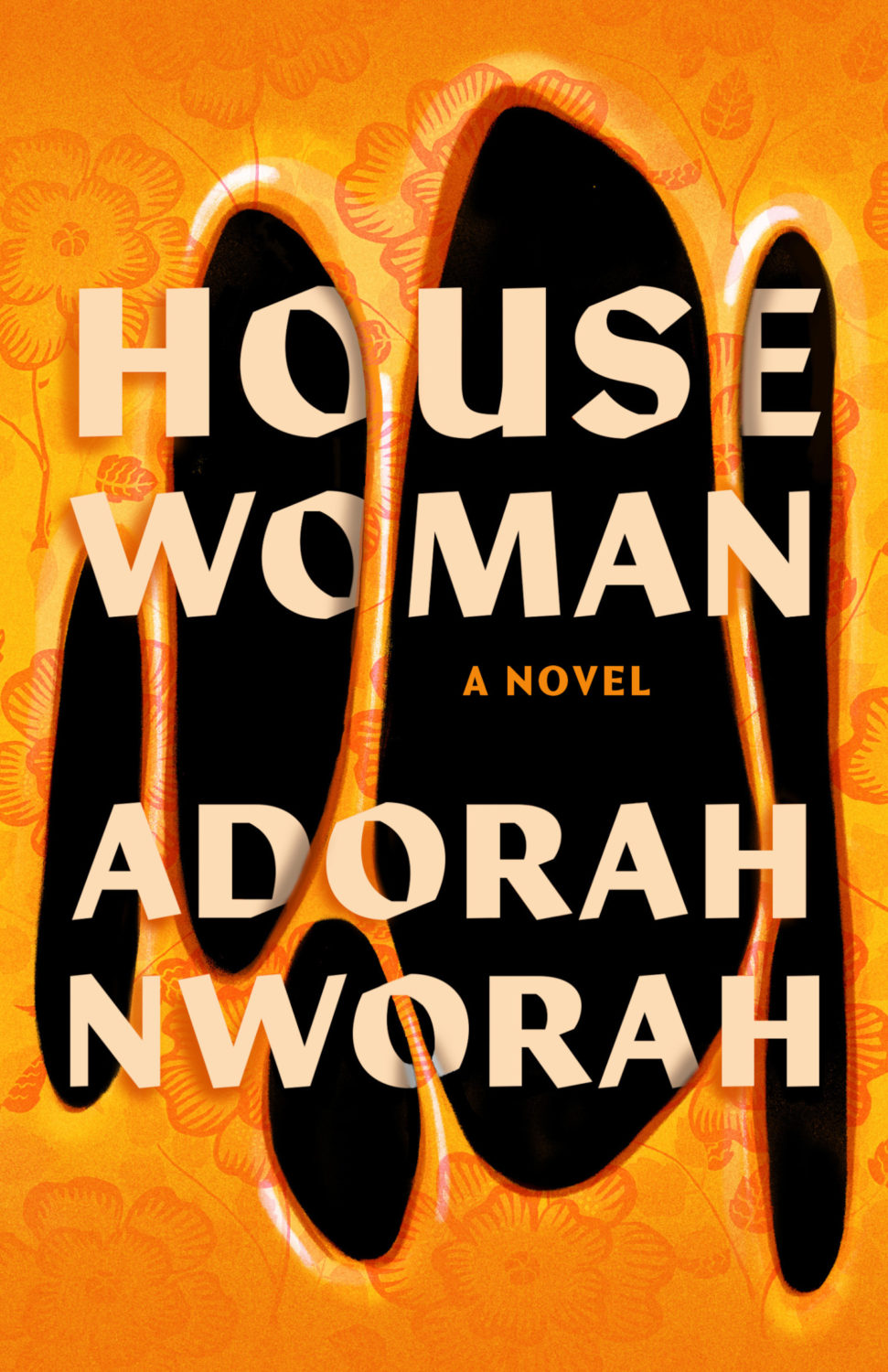
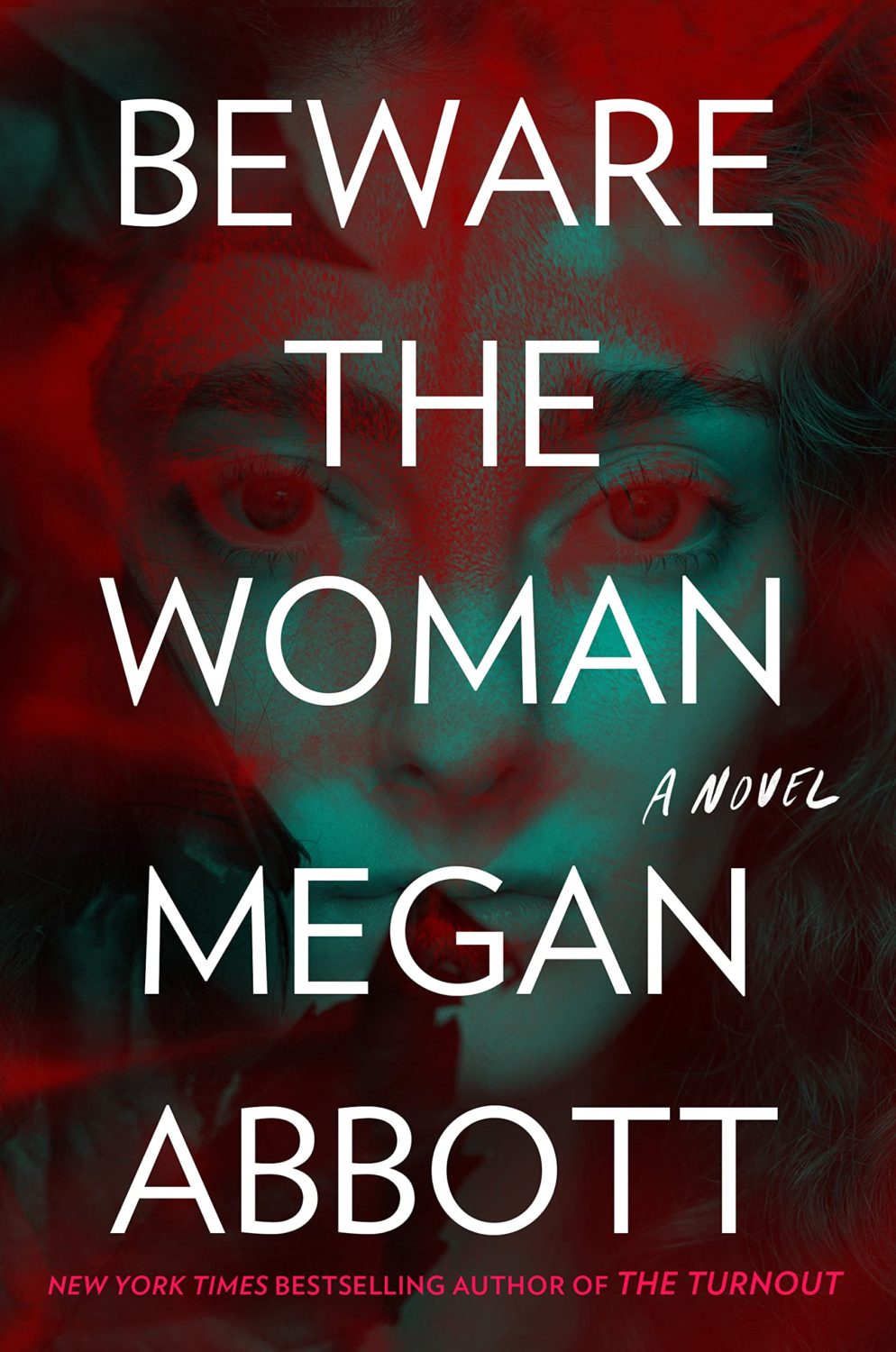
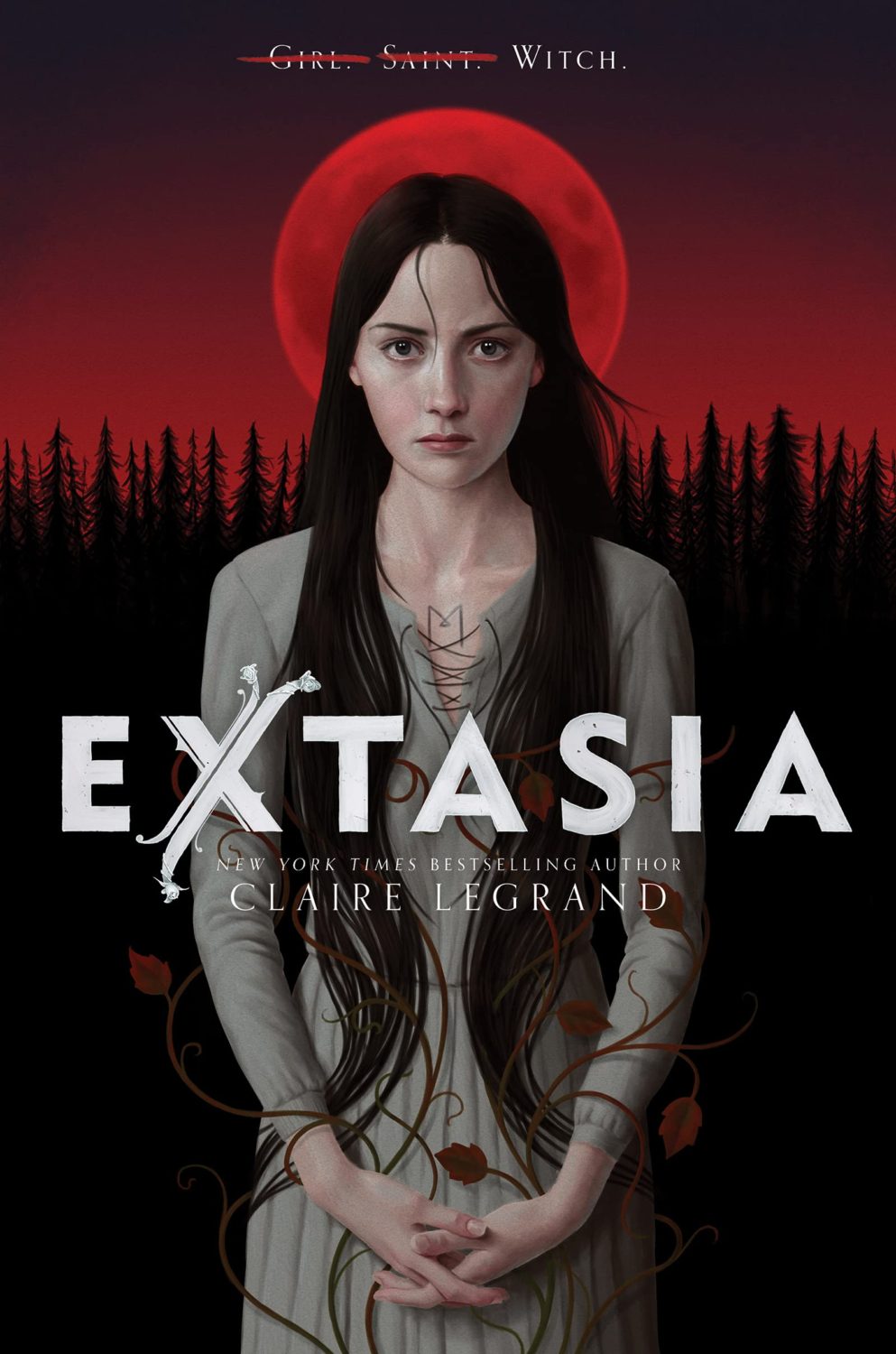
Hey, I hope you are keeping safe and well. There’s a wide variety of styles this month, but pink, yellow and orange are something of a minor theme (although since writing this I’ve actually removed one of the covers that combined bright pink and yellow because the book isn’t out until September — you’ll see it in a couple of months).
I think we’re also starting to see a potential new trend with photographic covers for fiction. I don’t have the vocabulary to neatly identify the style of photography I mean (sorry photography people — I mostly studied paintings in school!), but it’s basically contemporary colour photographs of candid, and sometimes intimate, social moments. It’s different, if adjacent, to the more posed ‘stylish sad girl’ phenomenon, or the use of black and white photography for ‘serious’ literary fiction I think. Anyway, maybe it’s a thing? Time will tell…
I was wondering why the weirdly wonderful art seemed familiar and then I remembered that the cover of Lisa Wells’ nonfiction book Believersdesigned by Na Kim also makes use of Lisa Ericson painting…
I know I say everything gives me Annihilation vibes but Lisa Ericson’s art definitely gives me Annihilation vibes. And speaking of weird Vandermeer vibes…
I hope you’re keeping safe and well wherever you find yourself. A couple of people sent me posts about “blob” covers this month. If you read the blog regularly, you probably already know that I am pretty skeptical that they’re as much of thing as they’re made out to be. The examples always seem to be the same old covers with a couple of broadly similar-ish recent ones thrown in for relevance. They kind of look the same (not really) at small sizes, less so up close. “Bold and blocky” always seemed a more accurate description to me — blocks of bold colours combined with blocks of (blocky) bold text. At worst, it feels like a loosely defined trend for the kind of literary-ish books that frequently appear in the likes of New York Times rather than something we should be agonizing over. I don’t know why fixation with it grates. Maybe it’s because the commentary always seems slightly snide? Or because I just don’t think it represents an accurate picture of contemporary book cover design? I mean, book covers are always going to look broadly the same. There are some obvious common limitations that most designers have to work within. Even so, there are still lots of publishers and designers doing interesting and different things if you scratch the surface. Look a bit further — they don’t all look the same!
I believe the movie poster-like cover of the UK edition of Close to Home, published by Penguin last month, was designed by Gray318. The cinematic photo is by Enda Bowe from his Love’s Fire Song project.
In Vitro by Isabel Zapata; design by Zoe Norvell (Coffee House Press / May 2023)
This reminded me that I’ve been meaning to link to Zoe’s side project I Need a Book Cover, an online directory of (English language) book cover designers. It’s well worth checking out even if you don’t literally need a book cover.
I think the Saul Bass-ian cover of the Mexican edition of In Vitro, published Almadía, was designed by Alejandro Magallanes, but it would be great if someone more familiar with Mexican publishing can confirm!
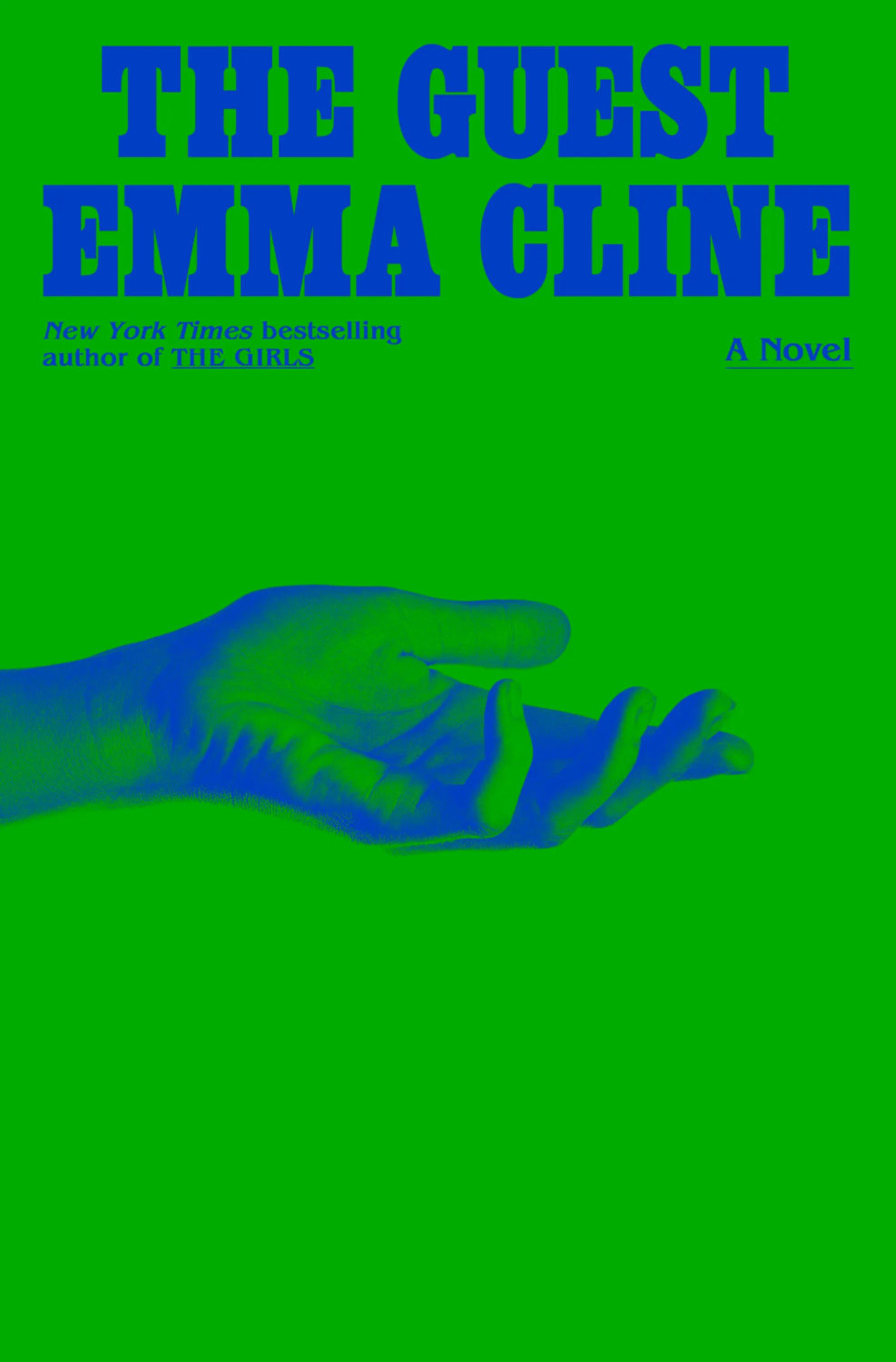
Disembodied hands are a bit of a thing this month (see The Guest), but this actually reminded me of Vasilis Marmatakis‘s lovely minimalist posters for The Lobster:
The cover for the UK and Australian edition of Blue Hunger, published by Scribe, was designed by Luke Bird (and thank you to Guy Ivison at Scribe for providing the design credit). It’s an interesting contrast I think:
I hope you’re keeping safe and well. There’s quite a nice mix of covers this month (I think?). There’s some fiction, nonfiction, and poetry. Some paperbacks and some hardcovers. Inevitably there are books from the big folks in NYC, but there’s also some indie titles, and a couple of covers from the UK. There is even some Canadian content for those of you who care about that sort of thing.1
This is the third Rodrigo Corral cover for New Direction’s editions of Dazai. I’m curious — can anyone can tell me the typeface? UPDATE: it’s not a typeface, it’s lettering! Thanks to Erik at New Directions for letting me know (and for sending the final cover)!
Oh and if you’re curious about the enduring popularity of Dazai (who died in 1948), Andrew Martin wrote a piece about it for the the New York Times.
Trace Evidence by Charif Shanahan; design by Beth Steidle (Tin House / March 2023)
If one of the fine folks at Tin House would like to send me a higher quality image, I’ll be glad to add it in! Thanks to the fine folks at Tin House for sending over the cover!
Voyager by Nona Fernández; design by Kapo Ng (Graywolf Press / February 2023)
Sam by Allegra Goodman; design by Donna Cheng; photograph by Mariam Sitchinava (Dial Press / January 2023)
I’m not sure exactly why, but I just assumed this was a UK cover when I first saw it (despite it literally having “New York Times Bestselling Author” in all-caps at the top!).
Sing, Nightingale by Marie Hélène Poitras; translated by Rhonda Mullins ; design by Ingrid Paulson (Coach House / February 2023)
For some reason this makes me think of the ‘weird nature’ (including animals with human eyes!) in Annihilation by Jeff Vandermeer, which is still one of my favourite novels of the last 10 years…
True Life by Adam Zagajewski; design by Jeff Clark (Farrar, Straus & Giroux / February 2023)
I also saw Pete Garceau’s cover for School House Burning by Derek W. Black recently, which snuck past me when it was published by PublicAffairs in September 2020 but still seems terribly au courant…
Wolfish by Erica Berry; design by Keith Hayes; illustration by Rokas Aleliunas (Flatiron / February 2023)
This made me think of the opening credits to a movie from the 1960s. I think it’s partly the type, but the colours also reminded me of Maurice Binder’s title sequence of Charade. Maybe it’s more of the overall vibe than anything else?
The New Life by Tom Crewe; design by Jaya Miceli (Scribner / January 2023)
Interestingly, the cover of the UK edition published by Chatto & Windus uses the same photograph but it’s flipped the other way and printed on one of those fancy half dust jackets (forgive me for not remembering their technical name). I believe the design is by Kris Potter.
The cover of the UK edition published by Fourth Estate was designed by Jo Thomson. It’s interesting to see the same basic concept executed in two very different styles.
The cover of Granta edition The Devil’s Workshop by Jáchym Topol designed by Telegramme Studios was on my list of favourite covers back in 2013 (there were some great covers published that year!). Interesting that the colour palettes are similar.
I should, at this point, rename this post “Young Adult Book Covers I Saw Last Year, Quite Liked, and Could Find Some Credits For.” It would be accurate.
December turned out to be really busy. It is every year. I’m not sure why it still catches me out. That said, 2022 did seem to be especially busy for reasons far, far too boring to get into here (yes, I got sick amongst other things).
I had thought, in fact, that it might be time to retire this particular annual post. But then I looked around to see what other YA cover lists had been posted and… well, it wasn’t great. If I don’t do it, who will?
This year’s list — like last year’s — is full of illustrated covers. It seems to be the dominant trend, and I would really like someone more knowledgeable than me to profile some of the illustrators and put their work in its proper context. Maybe there is an art book in it for an enterprising publisher, if there isn’t one already? There are so many great covers from the past couple of years to choose from. 1
Anyway, I hope you enjoy this very late look at some of the YA covers of 2022. Feel free to leave your thoughts below.
Founded by designers Jon Gray and Jamie Keenan, the Academy of British Cover Design (ABCD) held its first book cover design competition in 2014. To celebrate its tenth awards ceremony this year (where does the time go?), the Academy has decided to allow regular folks to vote for a ‘Winner of All Winners’ from the last nine years – ABCD X.
Committed to making the awards to be as inclusive as possible, ABCD includes categories that frequently get overlooked by other competitions, and the work itself is judged by book cover designers themselves, so there is a diverse selection of winning cover to choose from including children’s books, science fiction and fantasy, series design and non-fiction.
Entries to this year’s regular competition, ABCD’23, are also now open.
The winners of both ABCD X and ABCD’23 with be announced at an awards ceremony on the 23 March.