Skip to content

Category: Books

Inside High-Rise

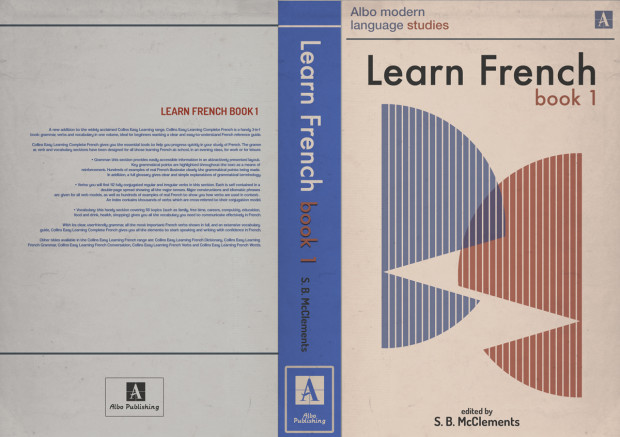
French-book-new2

I’m a bit late to this, but the Creative Review talked to graphic artists Michael Eaton and Felicity Hickson about their fantastic looking work on Ben Wheatley’s film adaptation of J.G. Ballard’s High-Rise, which included designing book covers, record sleeves, cigarette packets, supermarket products and apartment plans…

ME: It was a really fun one – from a design point of view, everything just looked so cool from that time. One of the first things I did was the Learn French book… I looked at old 70s school textbooks. And quite early on with Felicity, we worked out what the main fonts of the film would be.

We had fonts on the office wall that Ben and Mark Tildesley, the production designer, liked – certain things would have their own font; the high rise itself, the supermarket and everything had a sort of ‘brand’ within the building. So from the start, you were aware of how you could stick to a certain aesthetic. Then you’d be given your task by the set decorator [Paki Smith] from the script.

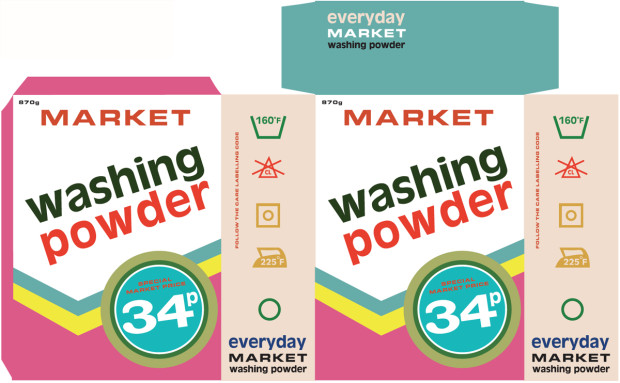
FH: We had a few references, but [for the supermarket] Paki had the wonderful idea of using colour as the main graphic; so you’d have these blocks of colour. We did blocks of products, so as you went down the aisle, rather than seeing individual products you saw bold, graphic shapes. It wasn’t a line of ten different brands on the shelf, you had all these own-label ‘Market’ brands. It was a ‘stylised’ view of dressing.

ME: We realised when we saw the shelves just how much it would take to fill the space. We looked at references for that – Andreas Gursky’s shots of supermarkets with loads of repeats of the same packaging, that was the starting point. We also looked at old images of phone books, any kind of instructional manual, toy kits.

We looked at covers of things, such as Penguin books and magazines. Also, the buyers on the film would be out buying props and every so often they’d come in with, say, a box of comics, or TV guides from the 70s. So we had all this great stuff lying around the office we could look through.

Final-Freud-1024x756

Record-covers

WashingPowder2

Comments closed

The Custodian of Forgotten Books

In a lovely piece for The New YorkerDaniel A. Gross talks to blogger Brad Bigelow, the man behind the Neglected Books, about rediscovering forgotten literature:

Most novels are forgotten. Glance at the names of writers who were famous in the nineteenth century, or who won the Nobel Prize at the beginning of the twentieth, or who were on best-seller lists just a few decades ago, and chances are that most of them won’t even ring a bell. When “The Moonflower Vine” resurfaced and ricocheted around the publishing world, it became an unlikely exception.

What’s strange about the journey of that book—and about our moment in the history of publishing—is that its rediscovery was made possible by an independent blogger, named Brad Bigelow. Bigelow, fifty-eight, is not a professional publisher, author, or critic. He’s a self-appointed custodian of obscurity. For much of his career, he worked as an I.T. adviser for the United States Air Force. At his home, in Brussels, Belgium, he spends nights and weekends scouring old books and magazines for writers worthy of resurrection.

“It can just be a series of almost random things that can make the difference between something being remembered or something being forgotten,” Bigelow told me recently. On his blog, Neglected Books, he has written posts about roughly seven hundred books—impressive numbers for a hobbyist, though they’re modest next to the thousands of books we forget each year. “It’s one little step against entropy,” he said. “Against the breakdown of everything into chaos.”

Comments closed

Making It Up: The Bookseller Interviews Mr Keenan and Gray318

Mr Keenan and Gray318

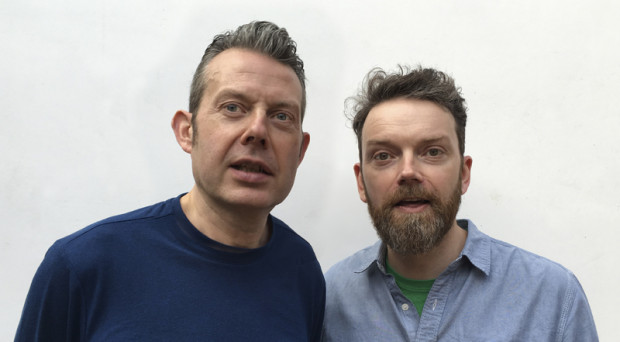
I love this Bookseller interview with designers Jamie Keenan and Jon Gray, co-founders of the Academy of British Cover Design (among other things):

ABCD tends to recognise and reward brave, striking and fresh approaches, rather than more “conventional” cover aesthetics. I ask the pair whether they feel designers have more freedom these days; whether, as books become imbibed with more longevity and are seen as less disposable, publishers are more amenable to the idea of cover art as art, rather than as a marketing tool. They are reticent; Keenan responds: “It’s strange, because when you do see a weirdo cover – for a reason, not just for the sake of it – quite often they are really successful. If you think of a book as an actual package and compare that to other forms of packaging, its really old-fashioned in a lot of ways.

“Imagine a poster for, say, the next iPhone, and it has a quote on it like you’d see on a book cover – ‘this is the best phone I have ever had!’ – you just think, this is so old-fashioned, that kind of endorsement idea. On a book cover it’s the norm. A lot of advertising you see, you aren’t really sure what it’s for but it draws you in, whereas a lot of book covers are really overt – they tell you exactly what the book is about. We’re supposedly becoming more and more visually literate, but book covers are still, in some ways, quite naïve.”

Gray concurs: “It feels like a real nervous habit, the quote on the front. Is that really helping a book to be sold? Can [shoppers] not just read that on the back and get the same idea…on the front, is it really making someone think: ‘aha!’?”

“The greatest and the worst thing about book cover design is that no one really knows if it’s incredibly powerful or a complete waste of time,” Keenan says. “Quite often when you get a brief, you’ll be sent other covers that the [client] likes and some of them will look absolutely terrible…but it was a bestselling book! So that automatically becomes, in their eyes, a sort of ‘good cover’.”

“There’s no science to it,” Gray agrees.

You can almost hear them sipping their pints.

Comments closed

Book Covers of Note March 2016

Much later than usual, here are this month’s book cover selections…

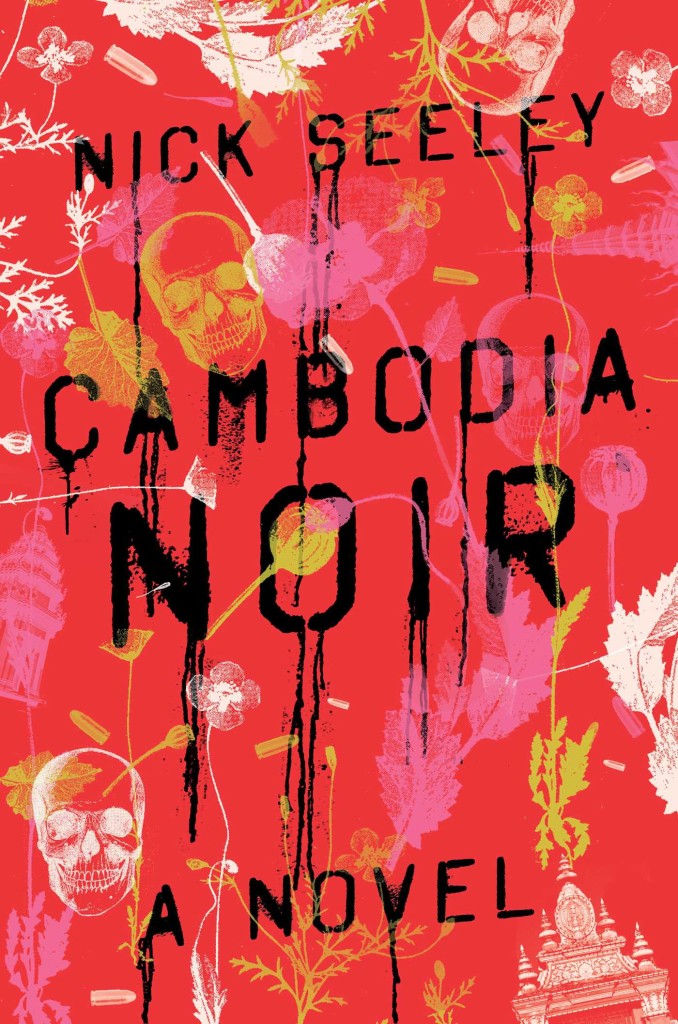
Cambodia Noir design Alex Merto
Cambodia Noir by Nick Seeley; design by Alex Merto (Simon & Schuster / March 2016)

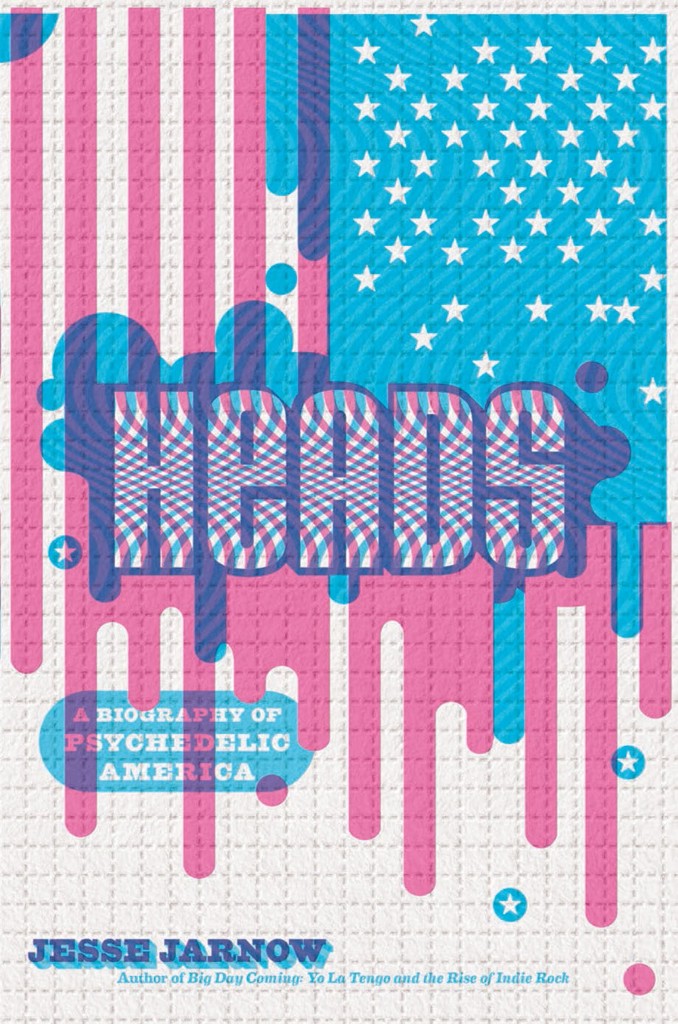
Heads design by Alex Camlin
Heads by Jesse Jarnow; design by Alex Camlin (Da Capo / March 2016)

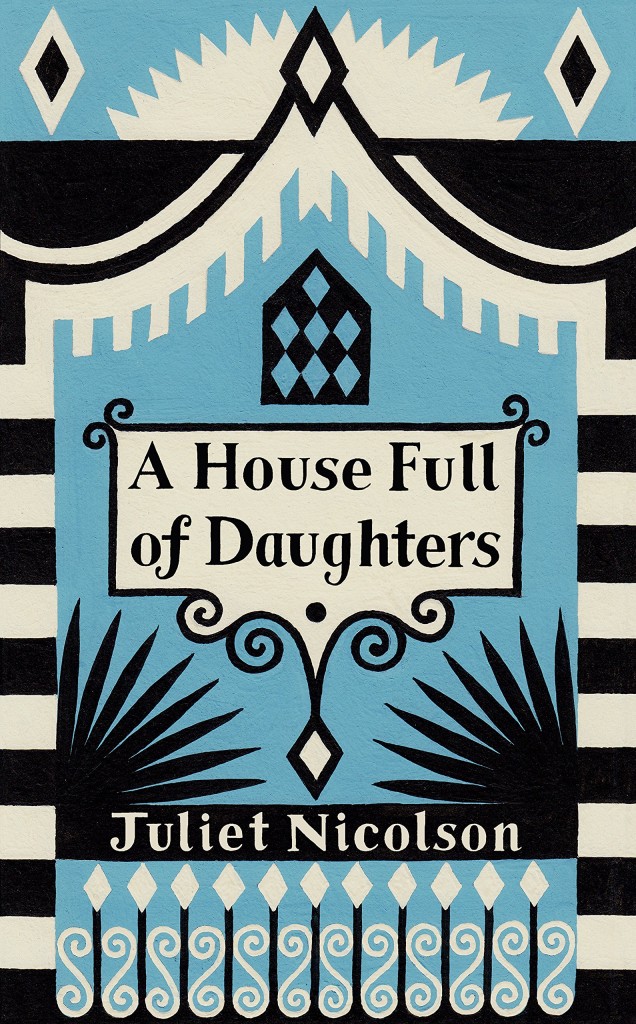
House Full of Daughters design Cressida Bell
A House Full of Daughters by Juliet Nicolson; design by Cressida Bell (Chatto & Windus / March 2016)

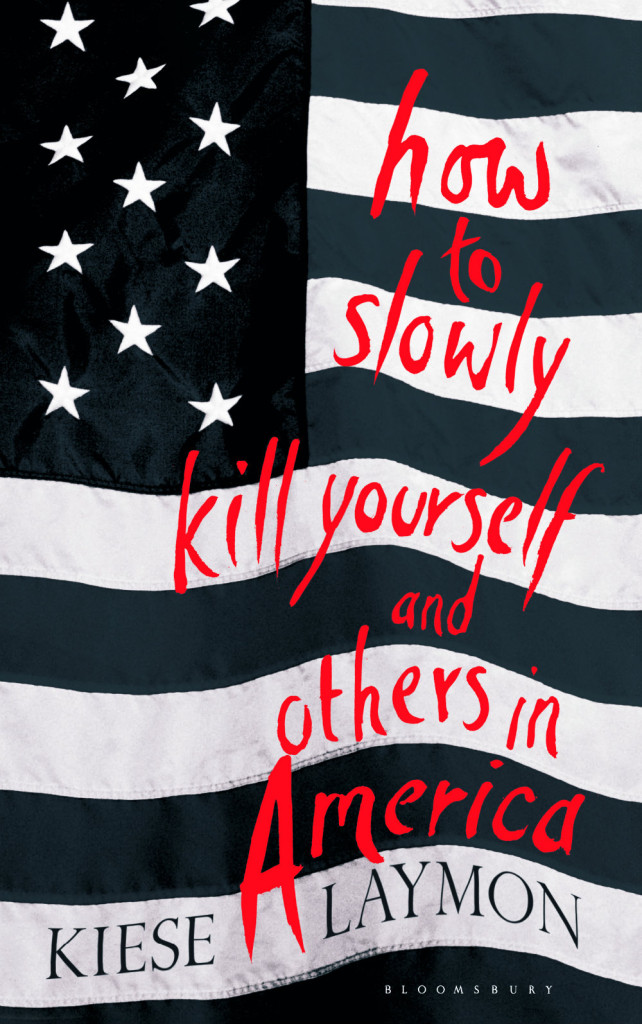
How To Slowly Kill Yourself design Greg Heinimann
How to Slowly Kill Yourself and Others in America by Kiese Laymon; design by Greg Heinimann (Bloomsbury / March 2016)

Insignifica design Alban Fischer
Insignificana by Dolan Morgan; design by Alban Fischer (CCM / March 2016)

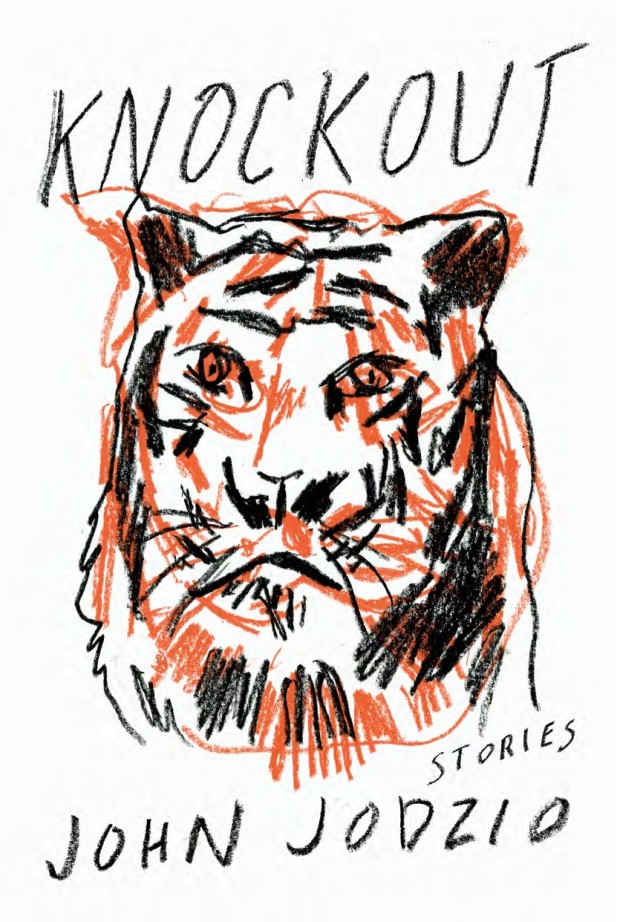
Knockout design by Matt Dorfman
Knockout by John Jodzio; design by Matt Dorfman (Soft Skull / March 2016)

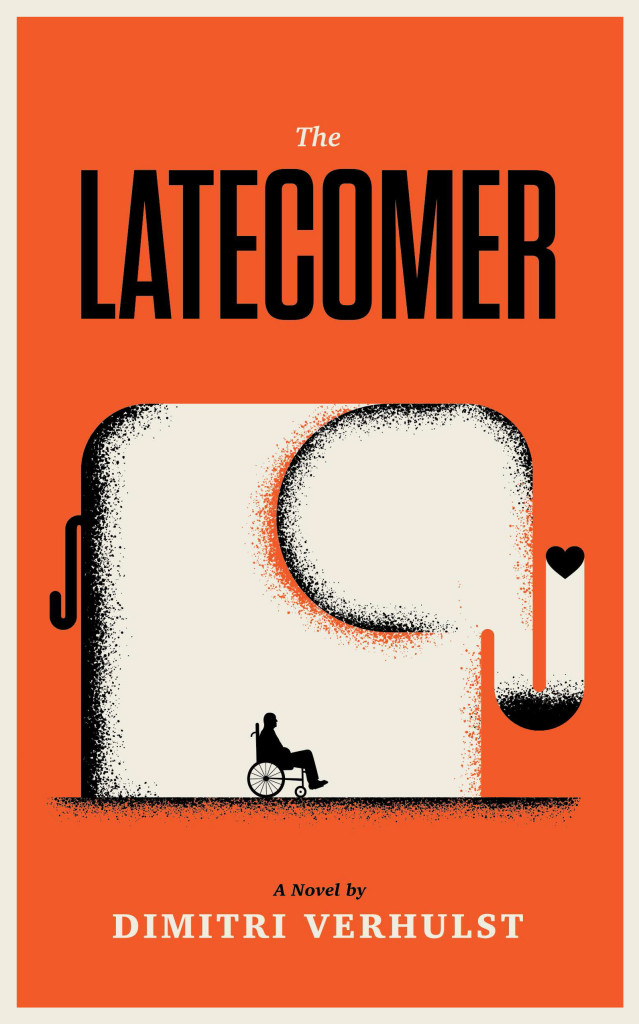
Latecomer design Doublenaut
The Latecomer by Dimitri Verhulst; design Ross Proulx / Doublenaut (Portobello Books / March 2016)

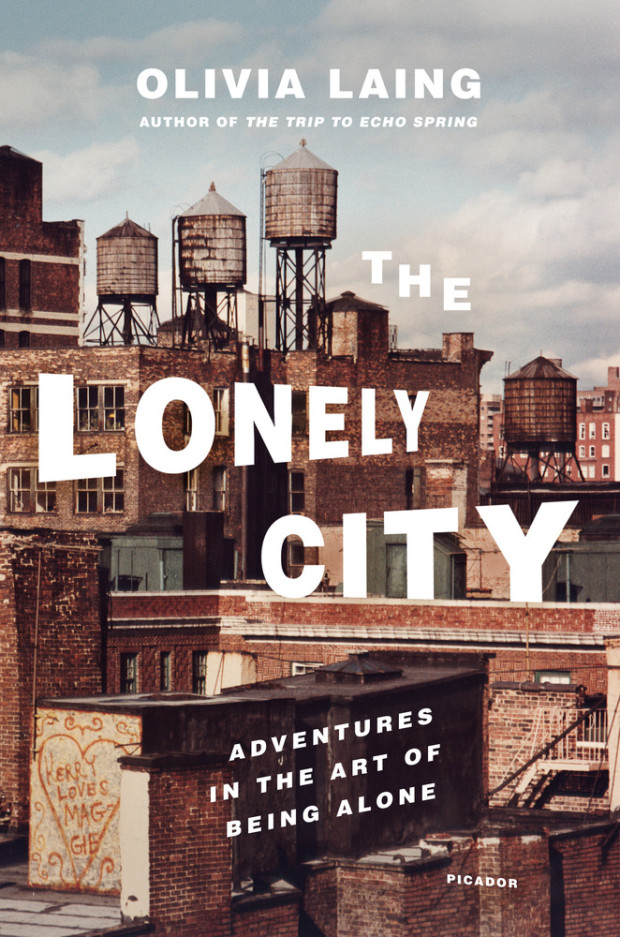
Lonely City
The Lonely City by Olivia Laing; design Henry Sene Yee; photograph by Jerome Liebling (Picador USA / March 2016)

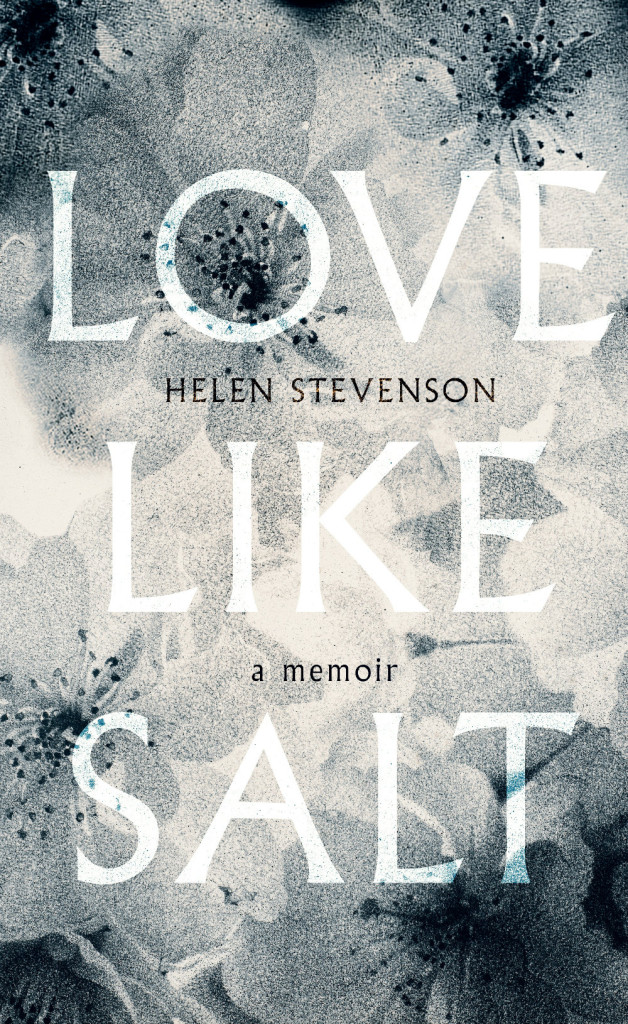
Love Like Salt design Nico Taylor image Sarah Gillespie
Love Like Salt by Helen Stevenson; design by Nico Talyor; image by Sarah Gillespie (Virago / March 2016)

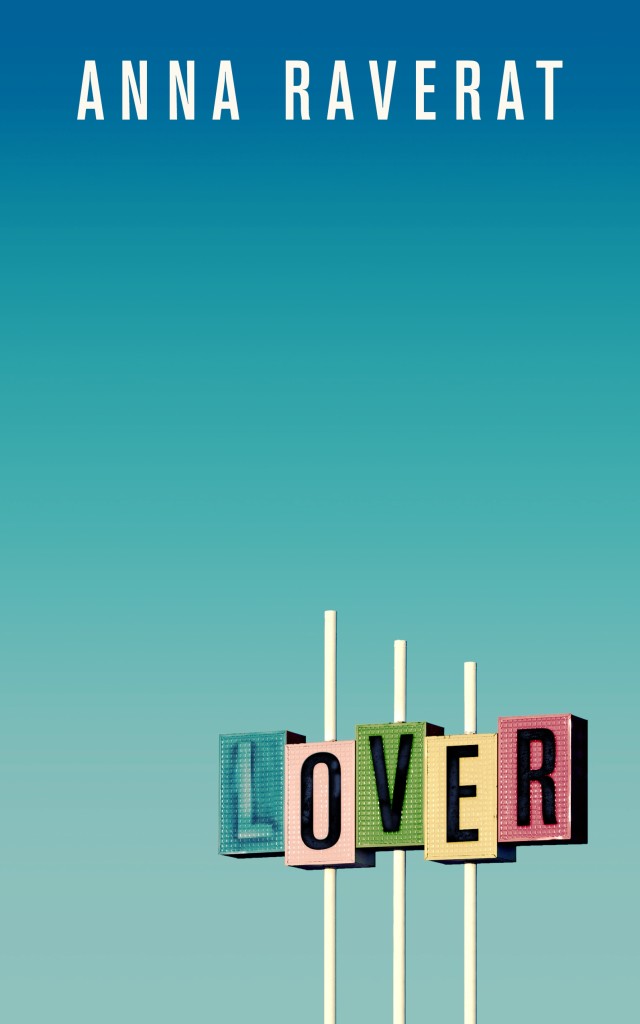
lover design Neil Lang
Lover by Anna Raverat; design by Neil Lang (Picador / March 2016)

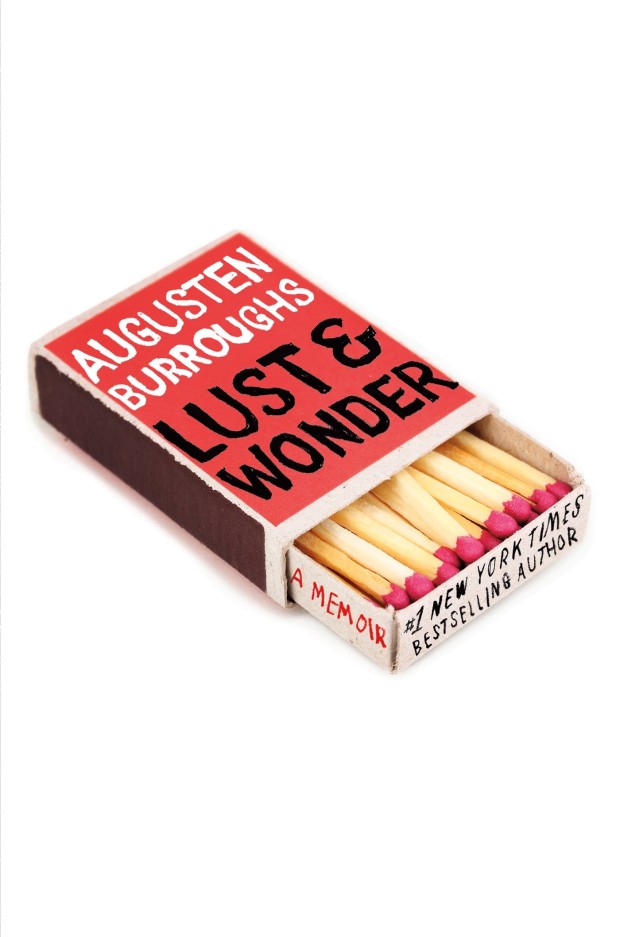
Lust and Wonder cover design Olga Grlic
Lust & Wonder by Augusten Burroughs; design by Olga Grlic (St. Martin’s Press / March 2016)

Paper Tigers design Alban Fischer
Paper Tigers by Damien Angelica Walters; design by Alban Fischer (Dark House Press / February 2016)

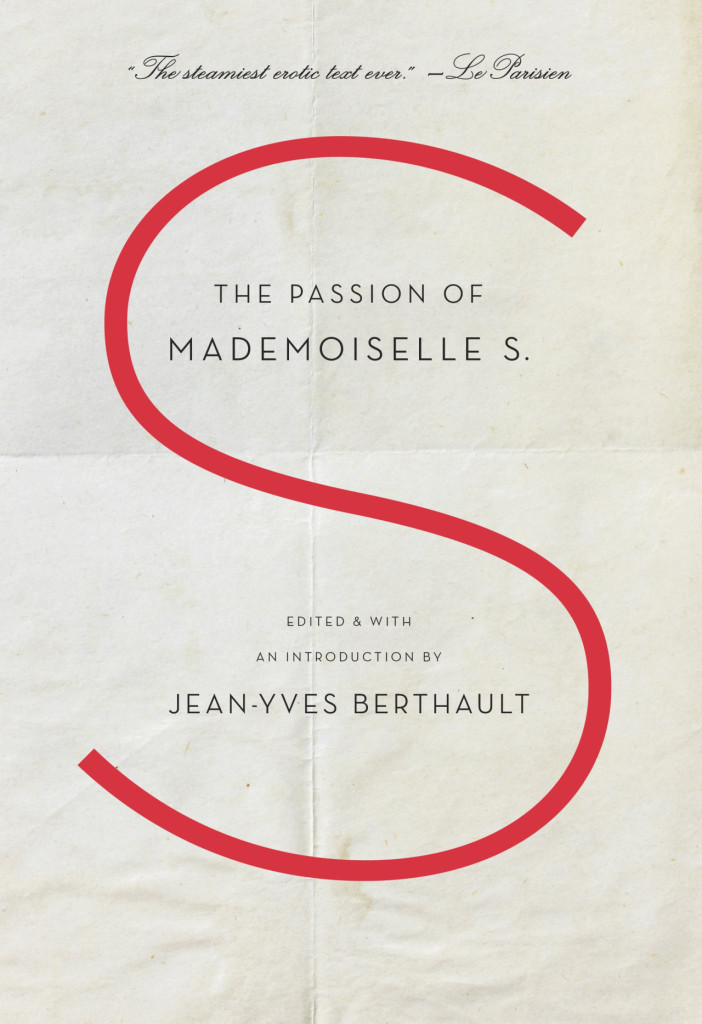
Mademoiselle S design Gabriele Wilson
The Passion of Mademoiselle S. edited by Jean-Yves Berthault; design Gabriele Wilson (Spiegel & Grau / February 2016)

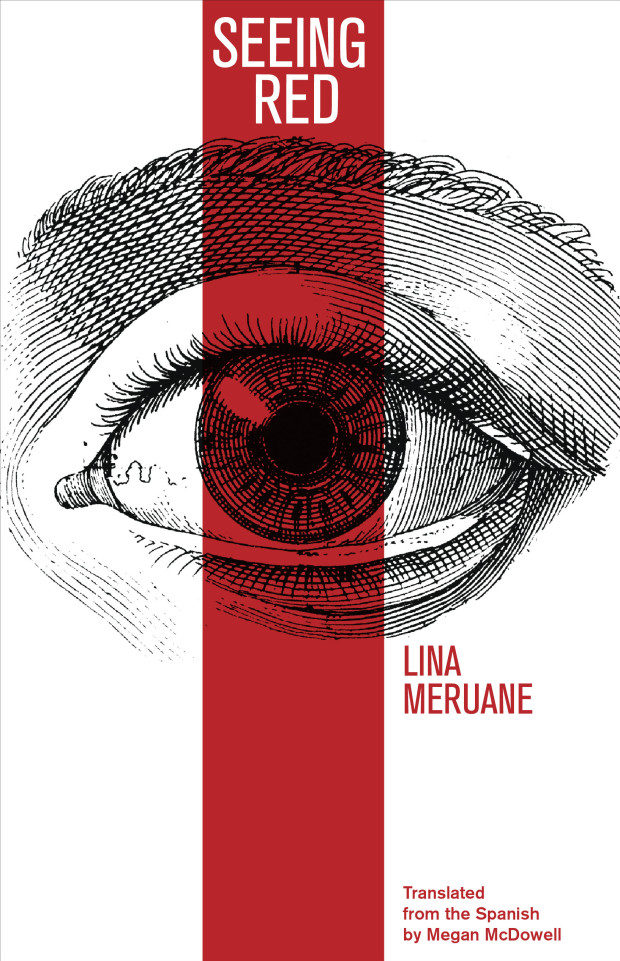
Seeing Red design by Anna Zylicz
Seeing Red by Lina Meruane; design by Anna Zylicz (Deep Vellum / March 2016)

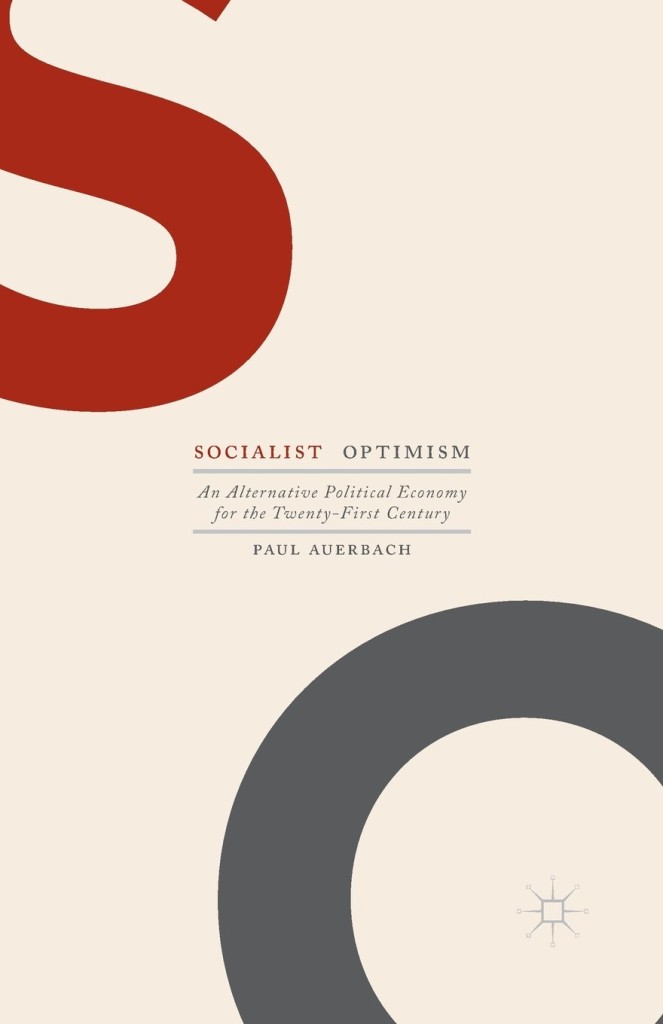
Socialist Optimism design Emma J Hardy
Socialist Optimism by Paul Auerbach; design by Emma J. Hardy (Palgrave / March 2016)

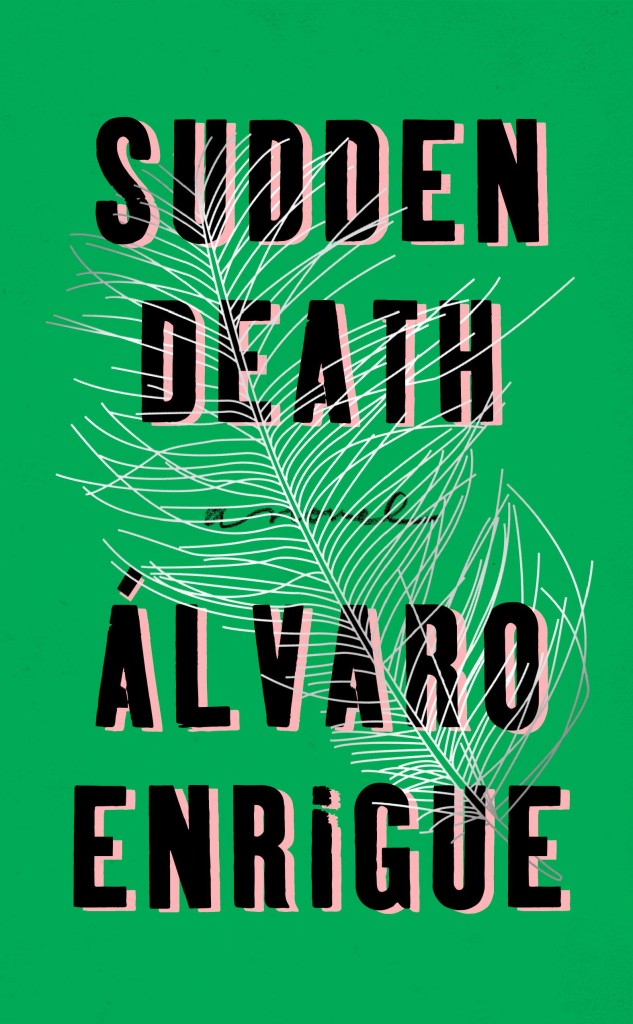
Sudden Death design Rachel Willey
Sudden Death by Álvaro Enrigue; design by Rachel Willey (Riverhead / March 2016)

Trees design David Mann
The Trees by Ali Shaw; design by David Mann (Bloomsbury / March 2016)

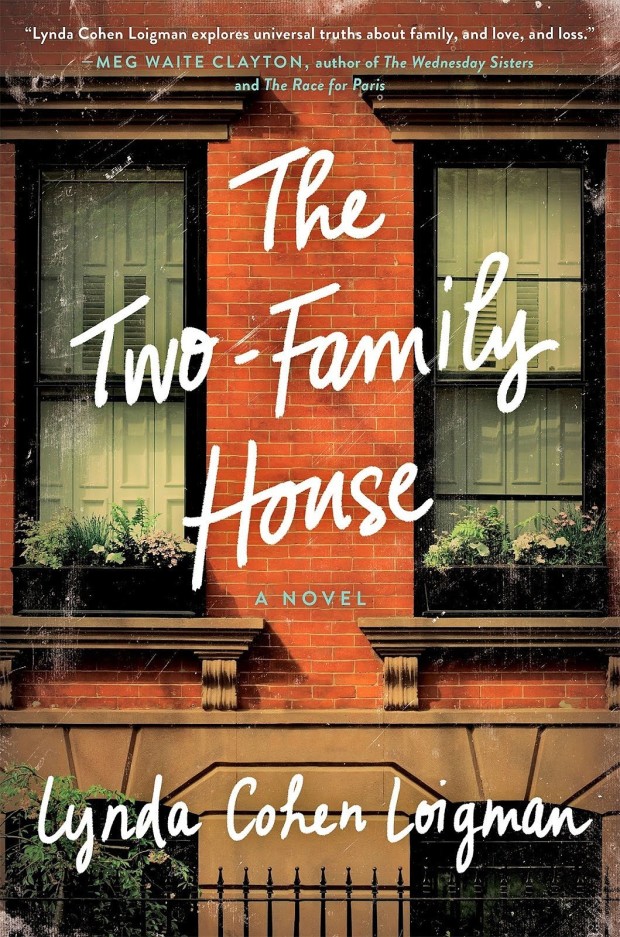
Two Family House design Sara Wood
The Two-Family House by Lynda Cohen Loigman; design by Sara Wood (St. Martin’s Press / March 2016)

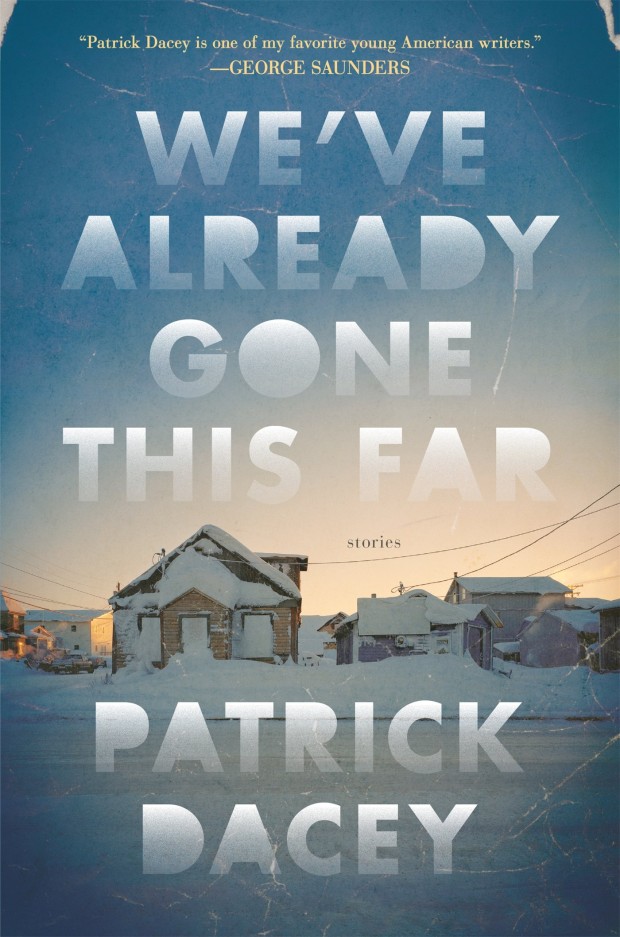
Weve Already Gone this Far design Lucy Kim
We’ve Already Gone This Far by Patrick Dacey; design by Lucy Kim (Henry Holt / March 2016)

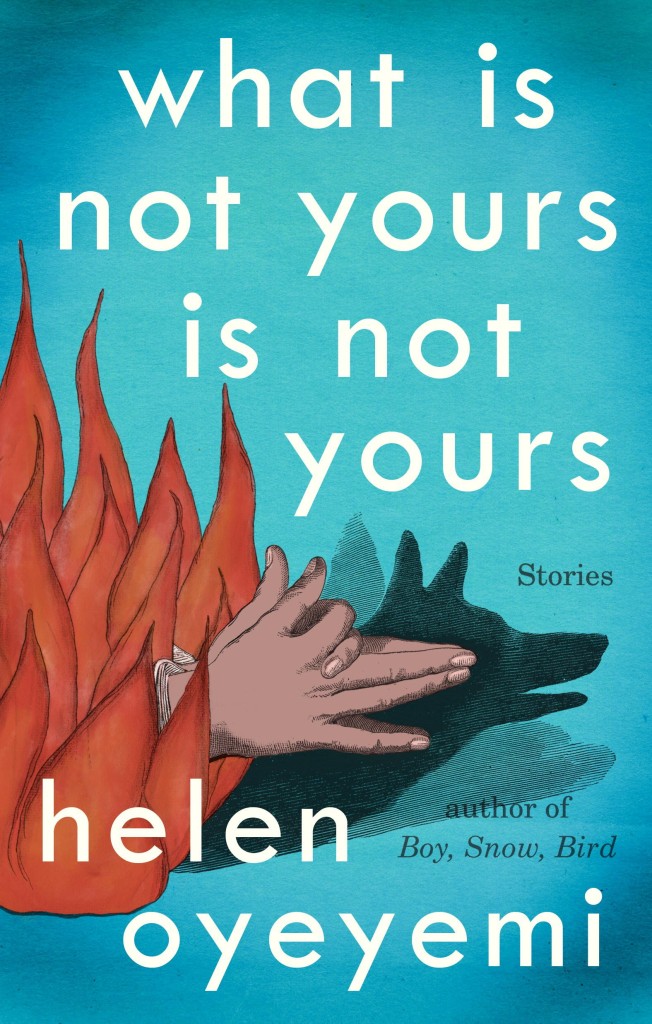
What is Yours design Helen Yentus
What Is Not Your Is Not Yours by Helen Oyeyemi; design by Helen Yentus (Riverhead / March 2016)

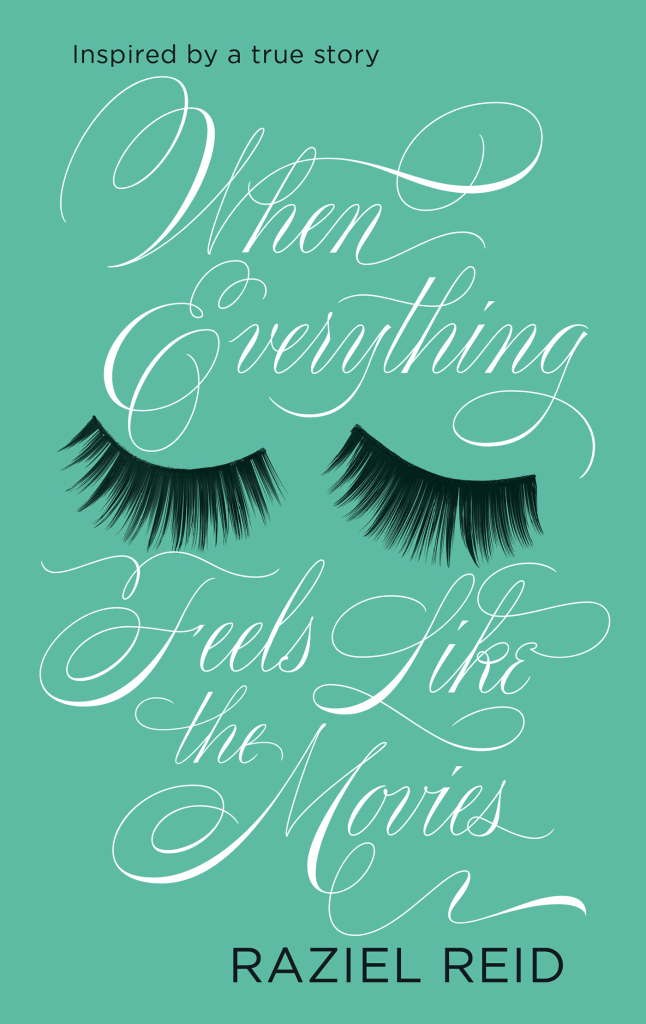
When Everything Feels Like the Movies design Ceara Elliot lettering Martina Flor
When Everything Feels Like the Movies by Raziel Reid; design Ceara Elliot; lettering and illustration Martina Flor (Atom / February 2016)

XX design Sara Wood
XX: Poems for the Twentieth Century by Campbell McGrath; design Sara Wood (Ecco / March 2016)

2 Comments

52 Women Book Cover Designers

If you follow the Casual Optimist on Twitter, you will know that a couple of weeks ago design studio Aishima asked people to tweet about inspiring women graphic designers using the hashtag #celebratewomen. As today is International Women’s Day, I thought I would follow up my #celebratewomen tweets with a visual list of 52 inspiring women book cover designers (one for every week of the year!) — from influential veterans whose work I’ve admired for years to junior designers that have just appeared on my radar.

The names of all 52 designers can be found at the end of the post. With a few more hours in a day the list could easily have been many times longer, so apologies to anyone I have overlooked. Please let me know who you would’ve included in the comments or on Twitter.

Don't Let's Go To the Dogs Tonight by Alexandra Fuller; design by Justine Anweiler (Picador / January 2015)

Justine Anweiler


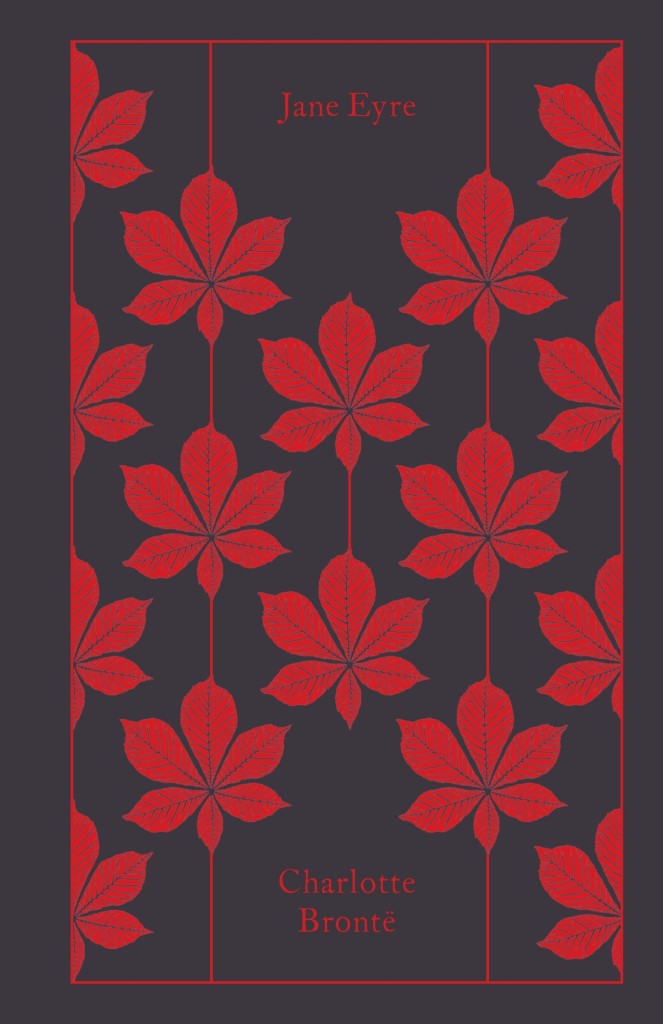
Jane Eyre Clothbound design Coralie Bickford Smith

Coralie Bickford-Smith


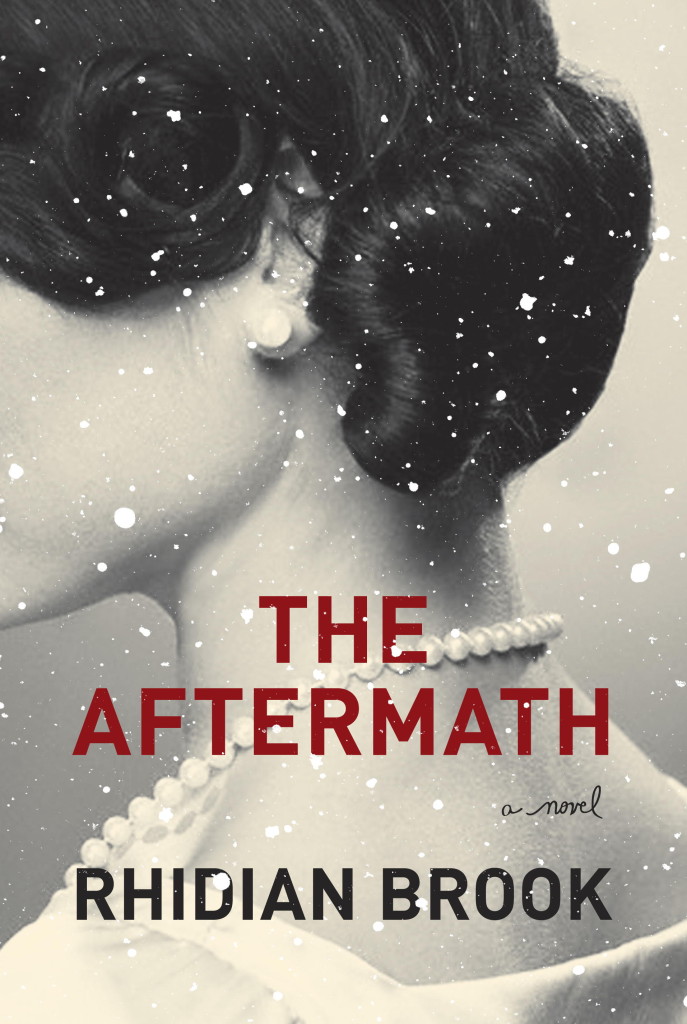
Aftermath design Kelly Blair

Kelly Blair


The Wall design Gabrielle Bordwin photograph John Gay

Gabrielle Bordwin


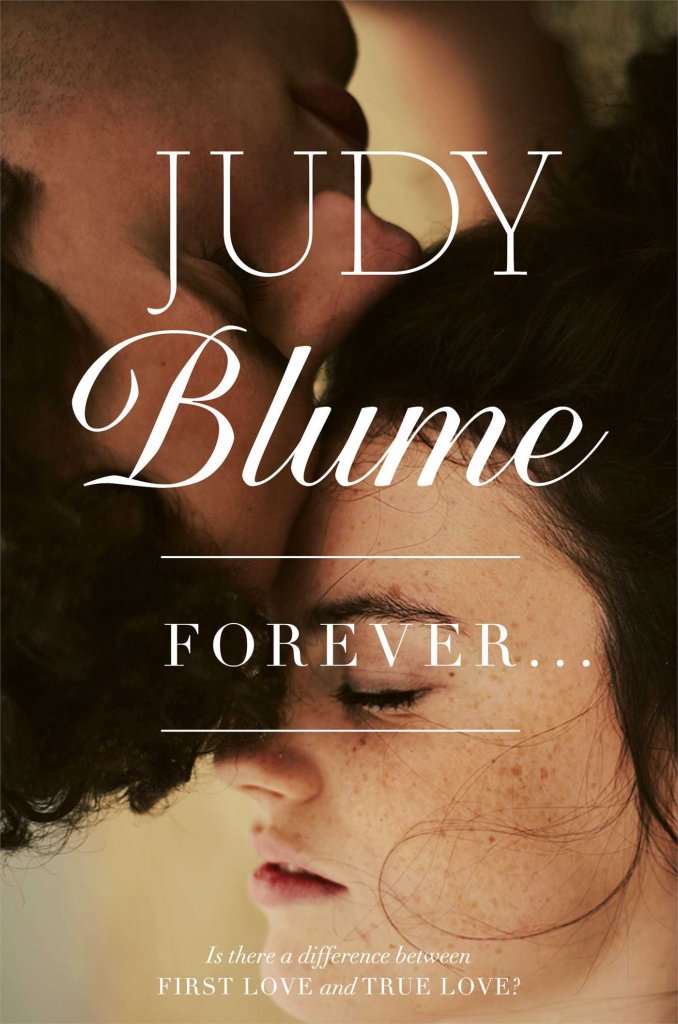
forever design Lizzy Bromley

Lizzy Bromley


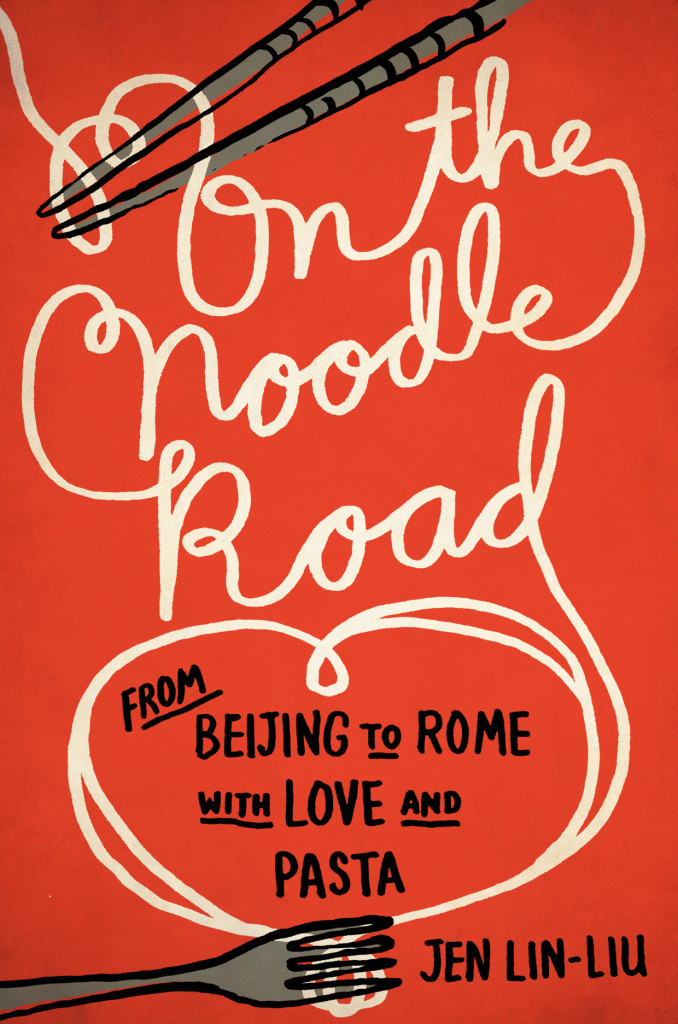
On-the-Noodle-Road

Lynn Buckley


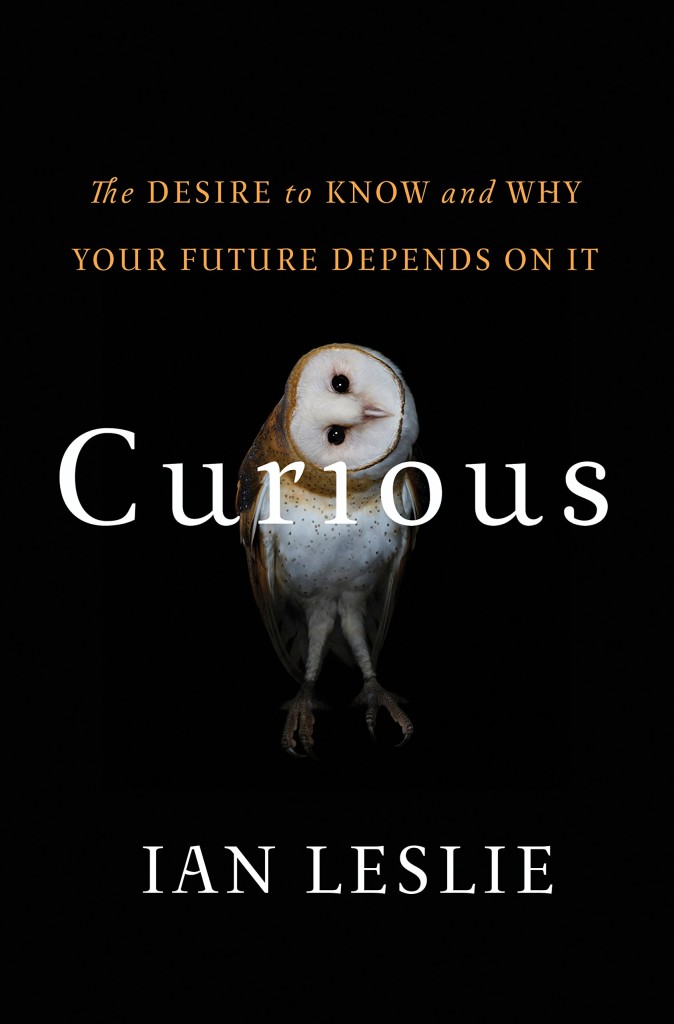
Curious design Nicole Caputo

Nicole Caputo


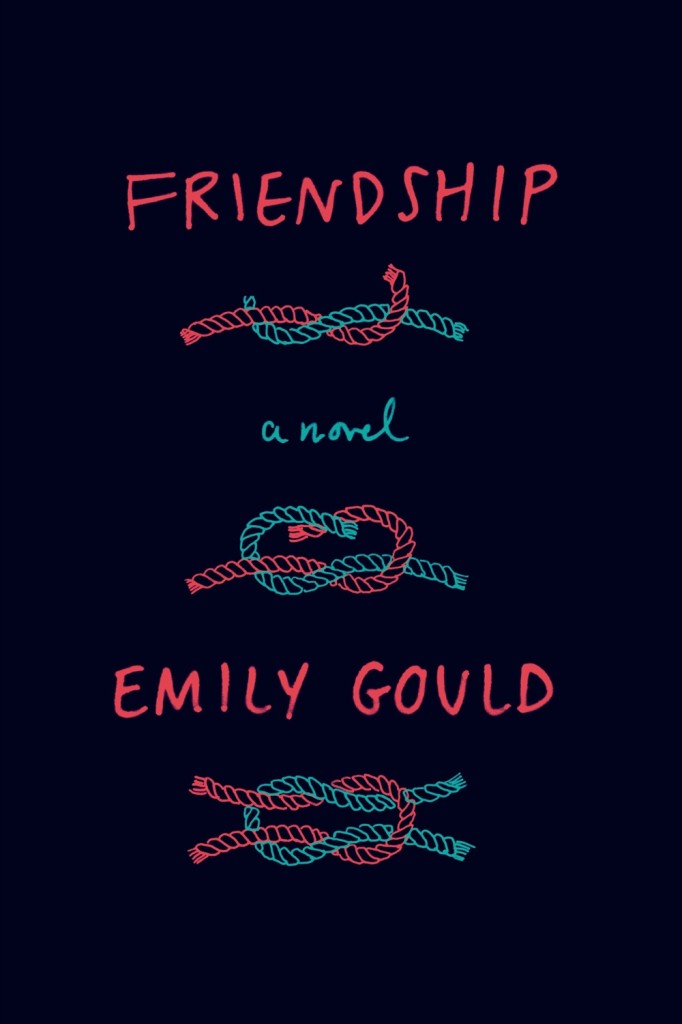
friendship_gould

Jennifer Carrow


m train design carol devine carson

Carol Devine Carson


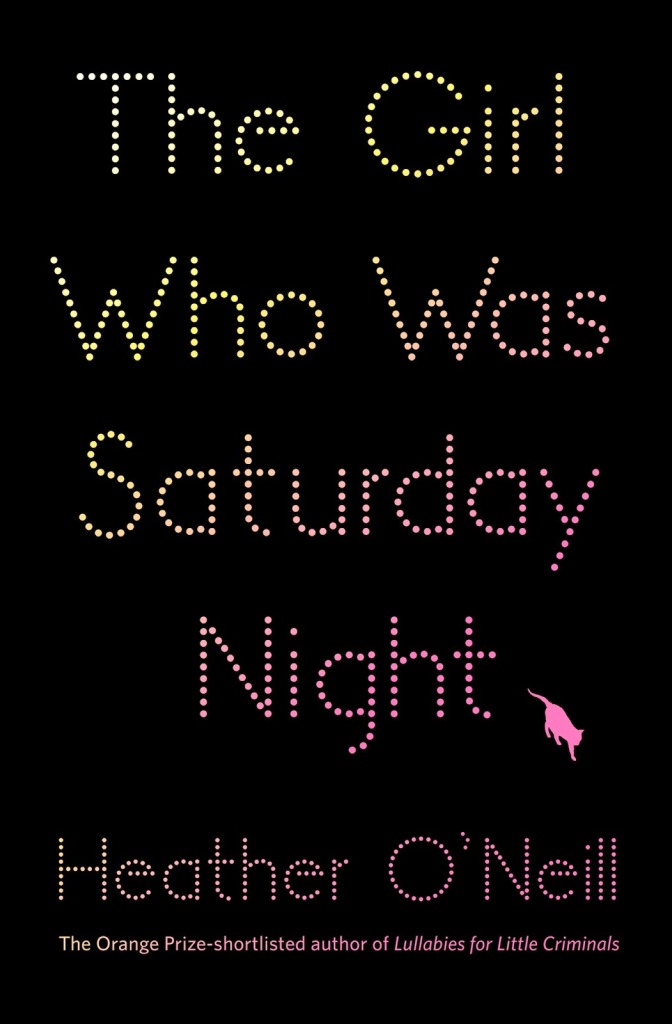
Girl-Who-Was-Saturday-Night

Catherine Casalino


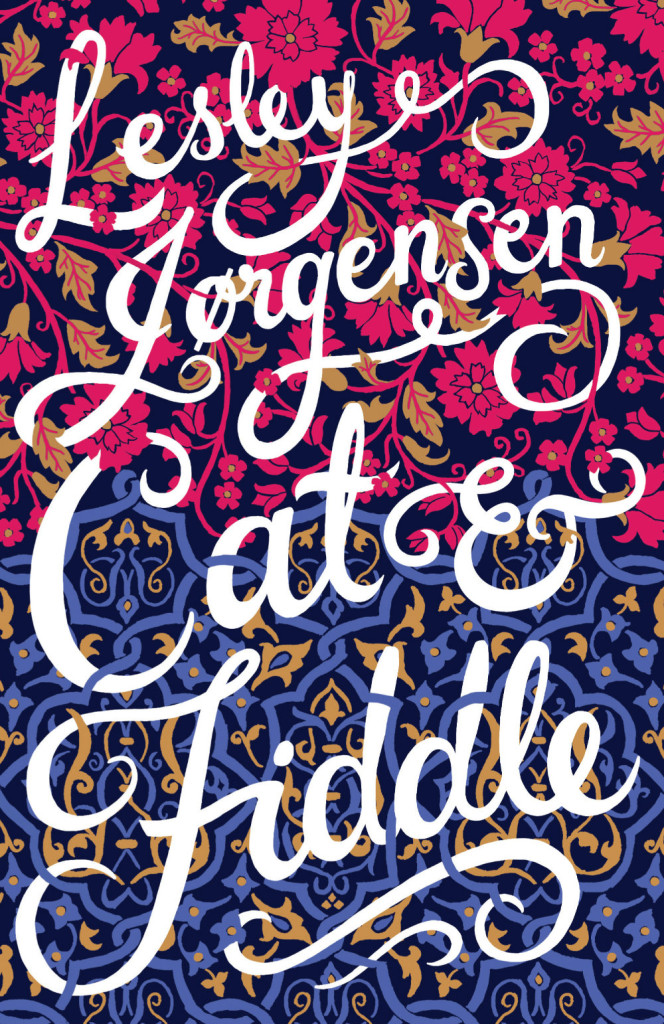
Cat and Fiddle design Allison Colpoys

Allison Colpoys


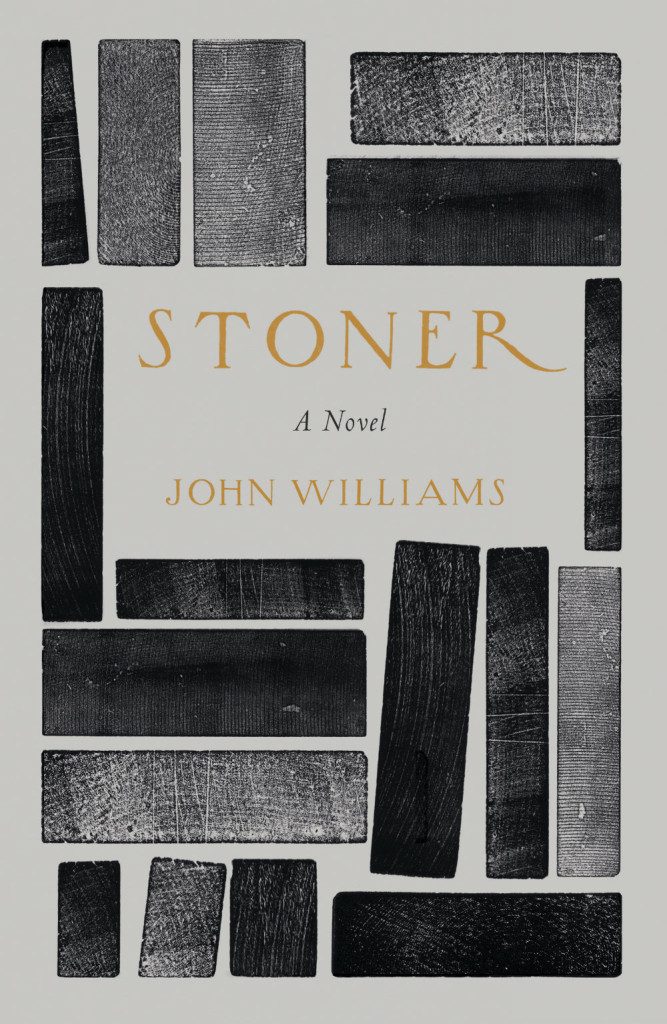
Stoner (hardback)

Julia Connolly


Holloway

Eleanor Crow


100-sideways-miles-9781442444959_hr

Lucy Ruth Cummins


First Novel design Suzanne Dean photograph Stephen Banks

Suzanne Dean


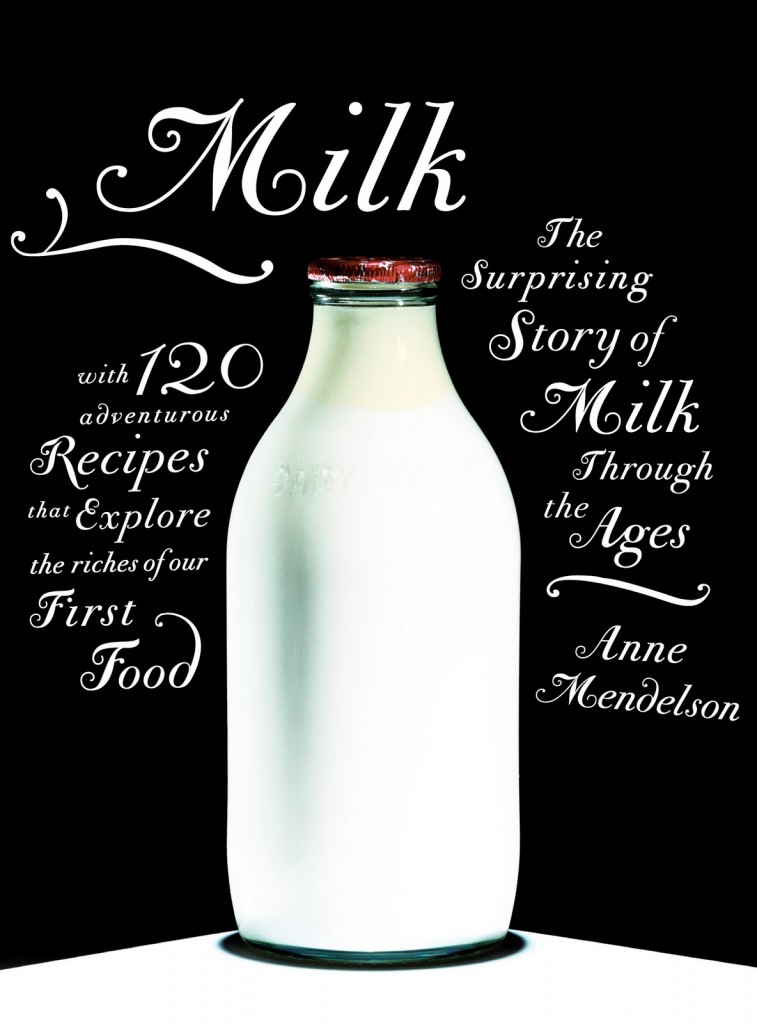
Milk

Barbara deWilde


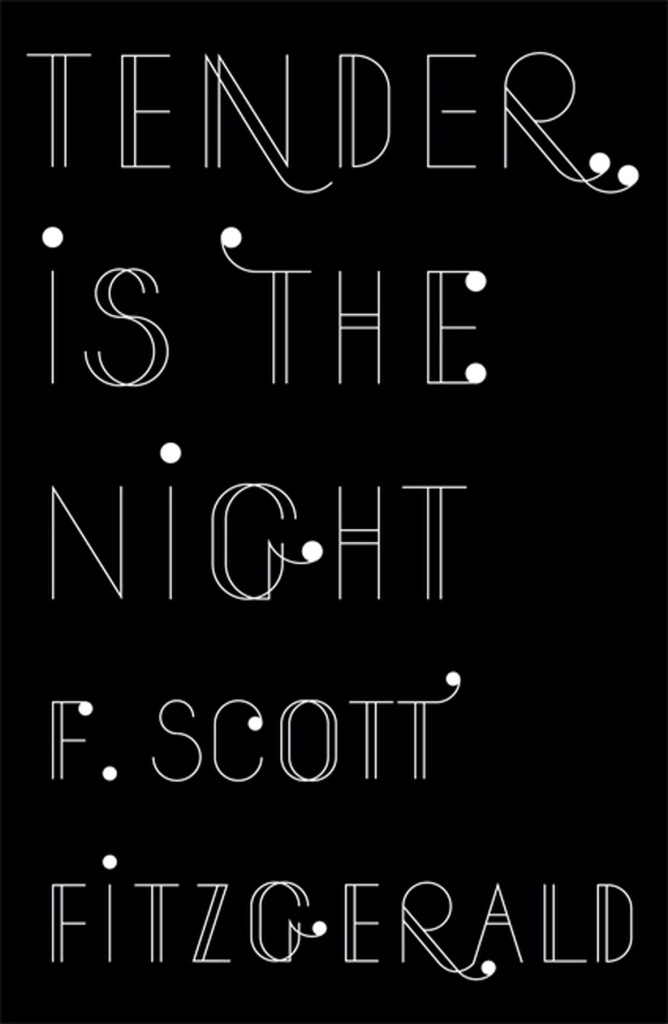
tender-is-the-night

Sinem Erkas


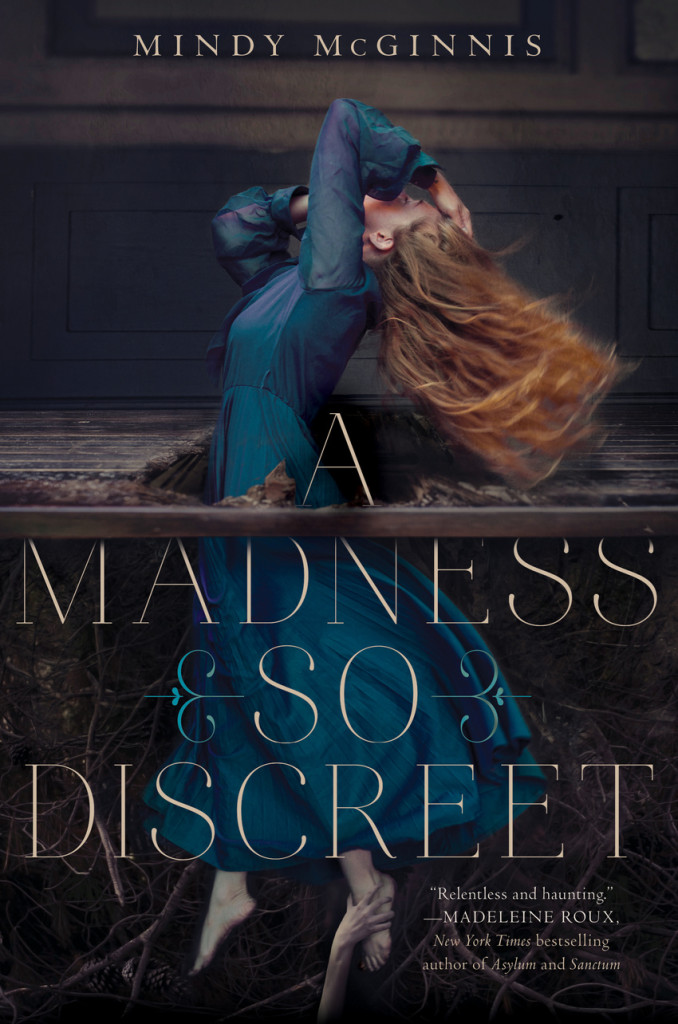
Madness So Discreet design Erin Fitzsimmons

Erin Fitzsimmons


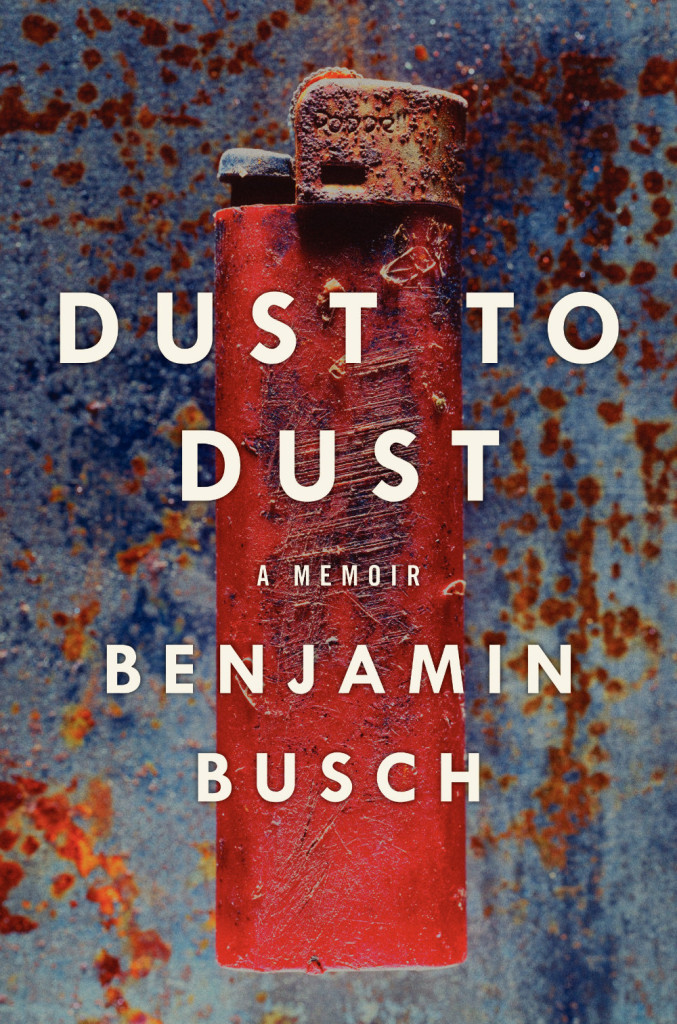
Dust to Dust design Alison Forner

Alison Forner


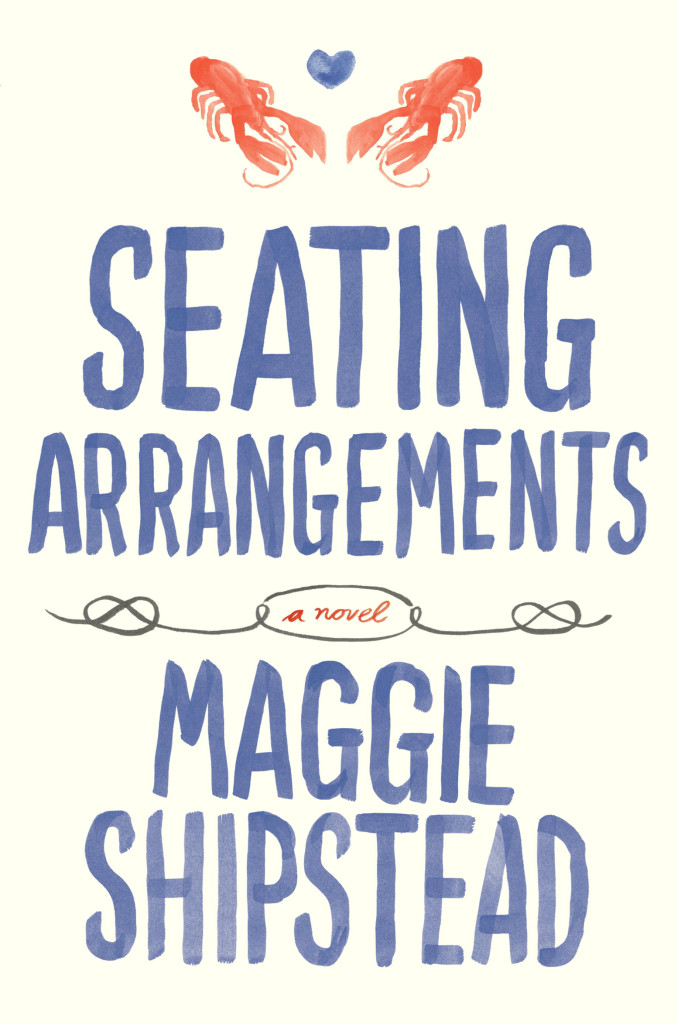
Seating Arrangements design Elena Giavaldi

Elena Giavaldi


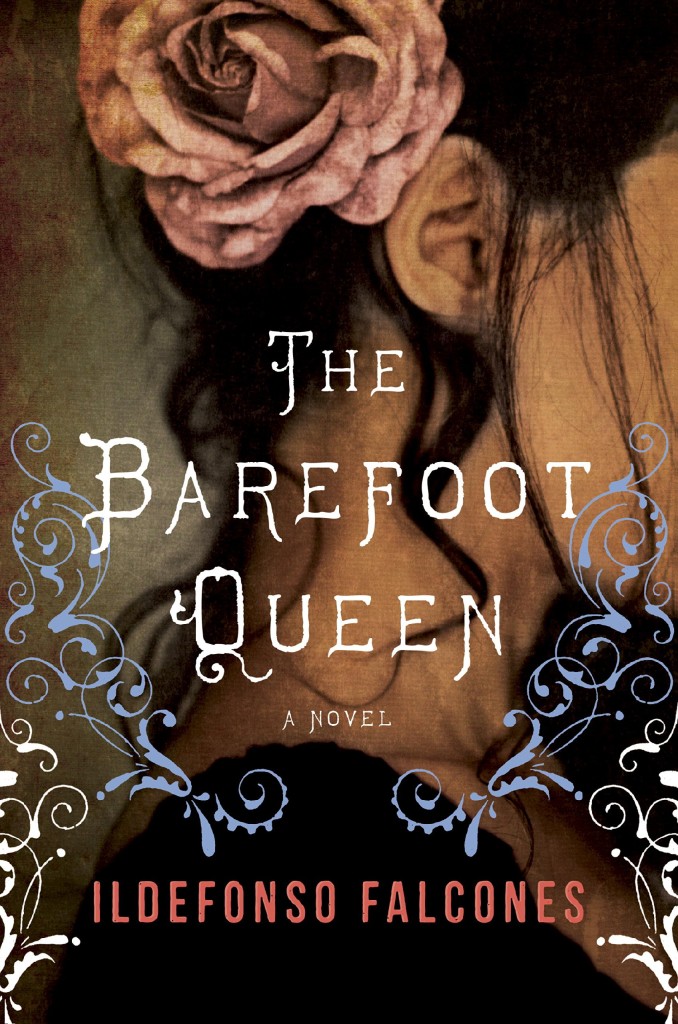
barefoot queen design Kimberly Glyder

Kimberly Glyder


Lopsided design by Carin Goldberg

Carin Goldberg


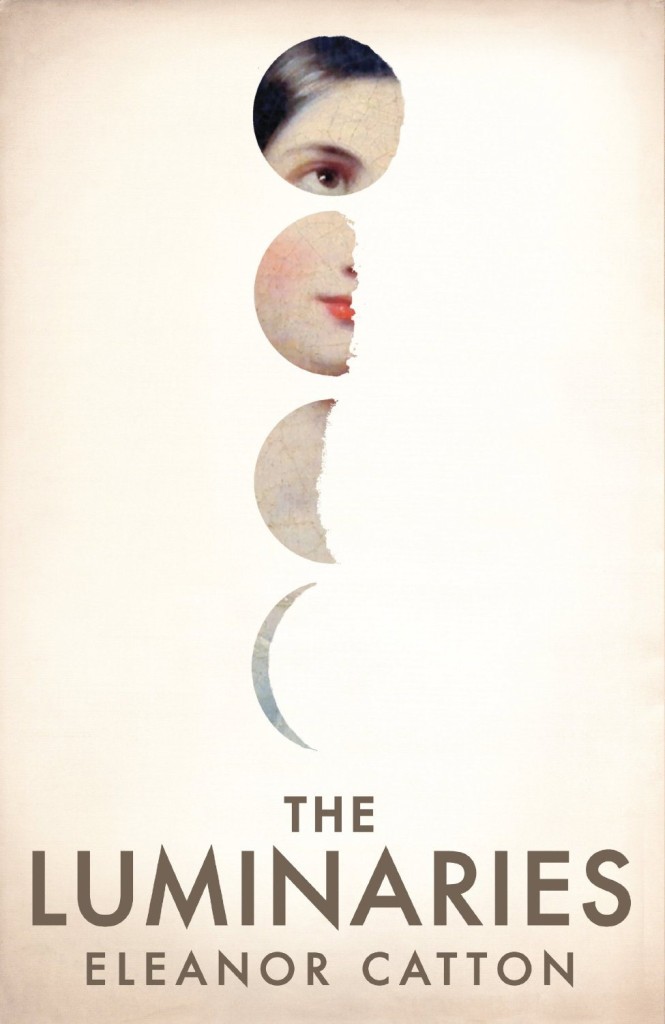
luminaries

Jenny Grigg


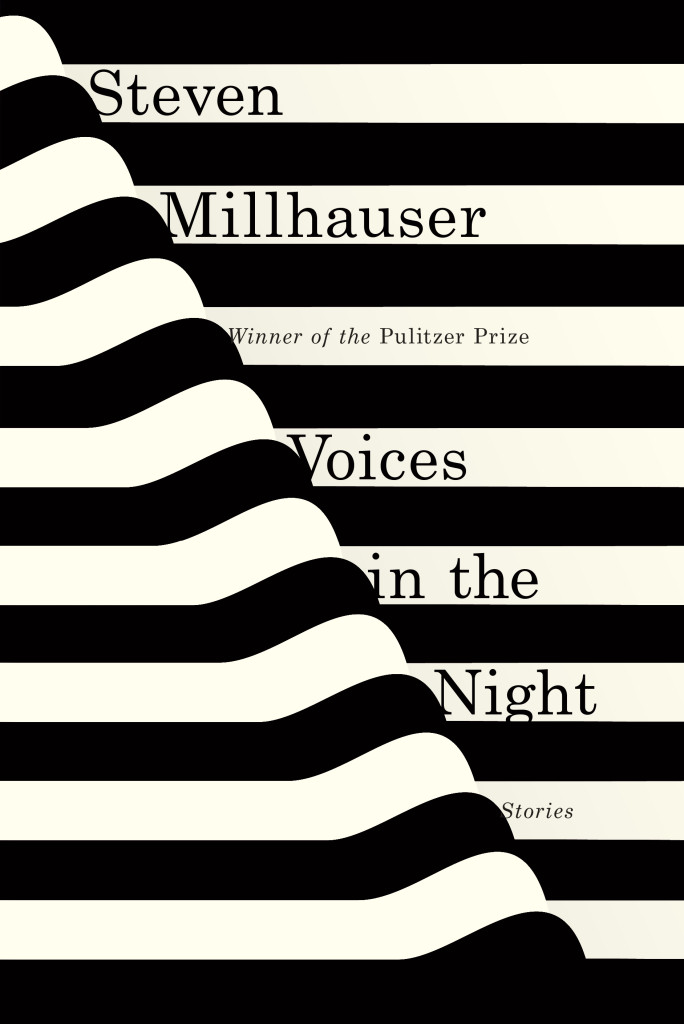
Voices in the Night by Steven Millhauser; design by Janet Hansen (Knopf / April 2015)

Janet Hansen


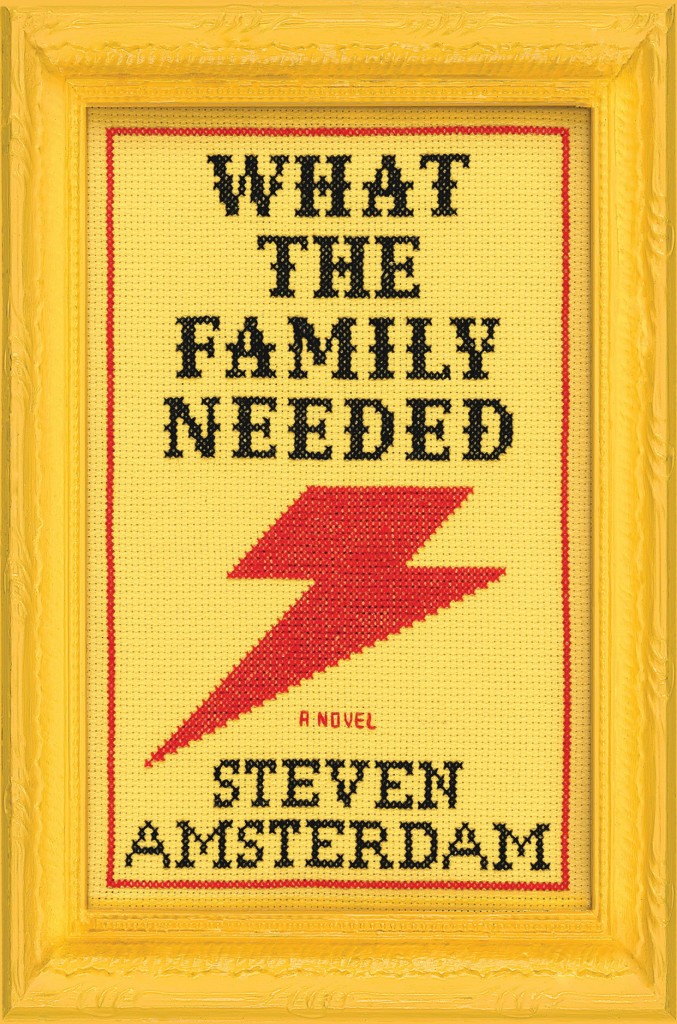
What the Family Needed

Jennifer Heuer


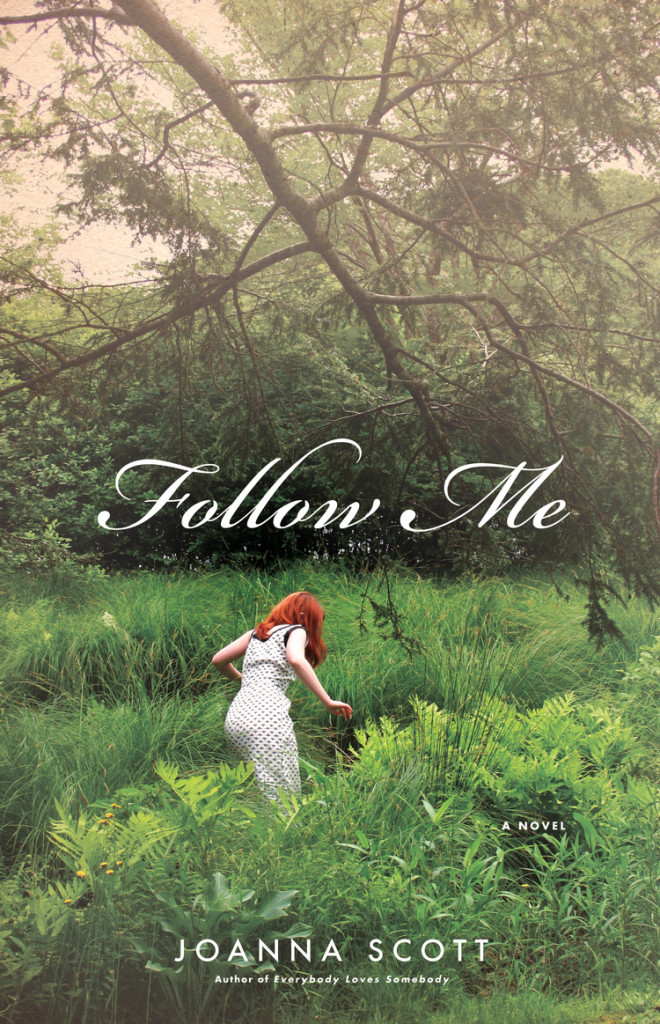
follow me design Karen Horton

Karen Horton


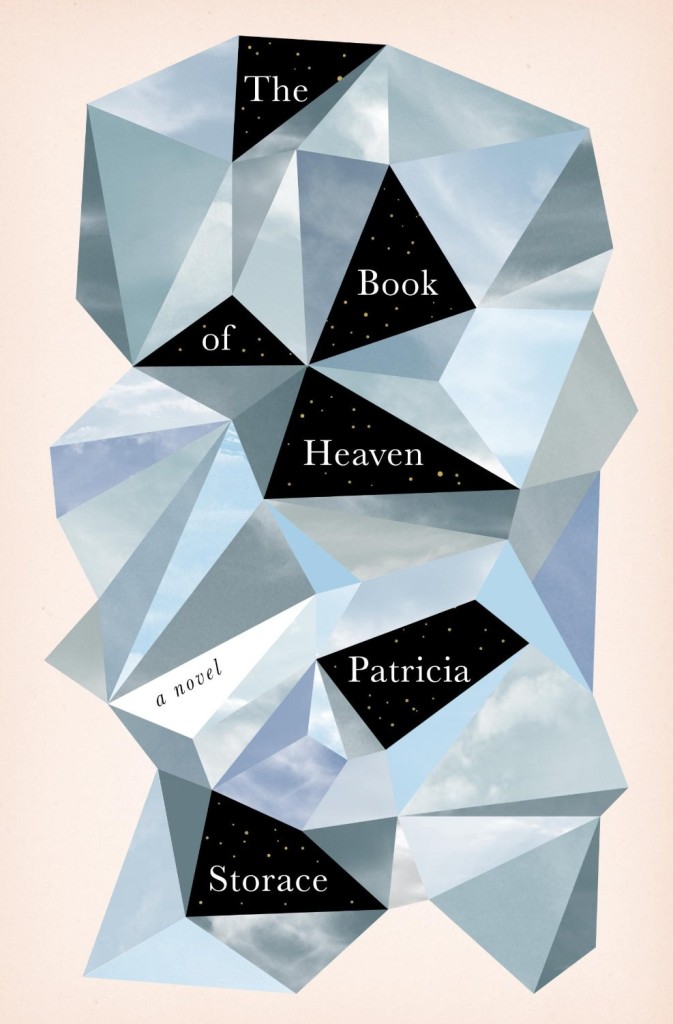
book-of-heaven

Linda Huang


specter-of-capital

Anne Jordan


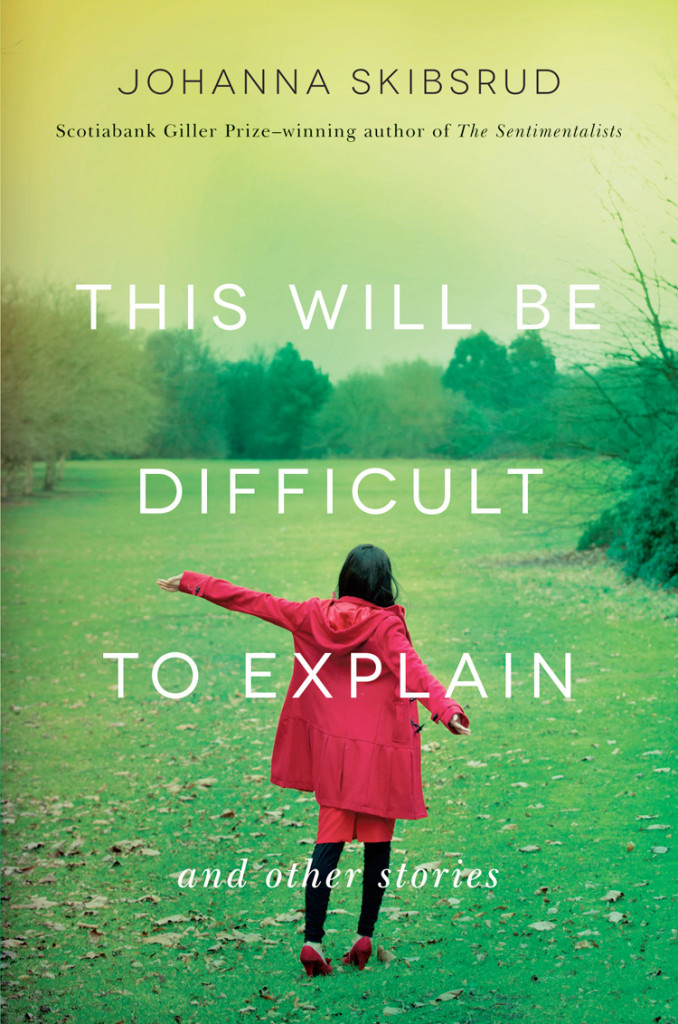
This Will Be Difficult to Explain design Chin Yee Lai

Chin-Yee Lai


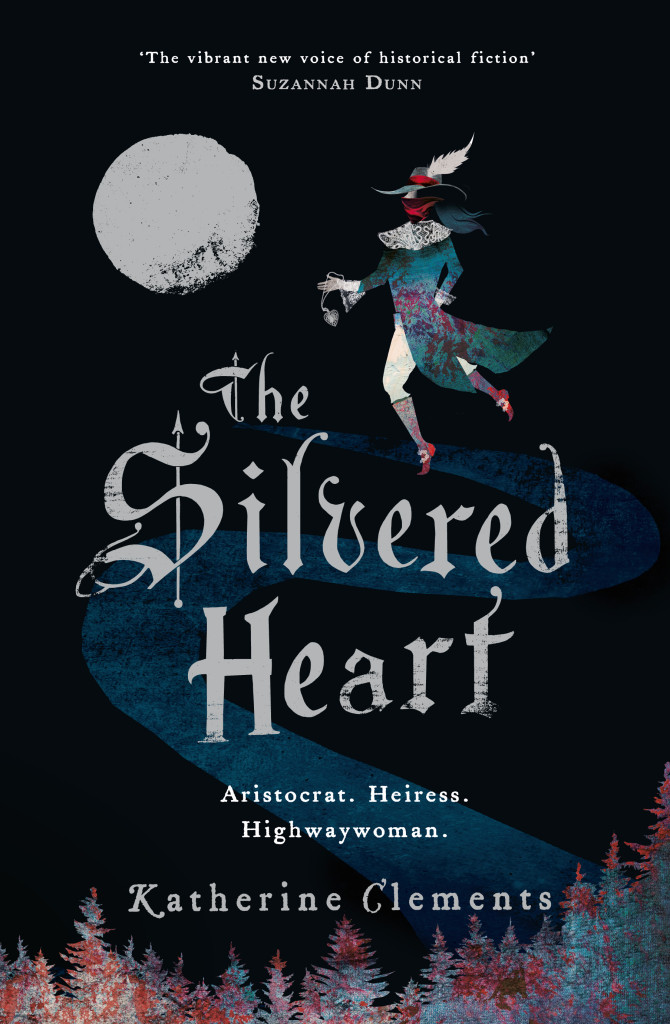
Silvered Heart TBK.indd

Yeti Lambregts


978-0-385-53807-7

Emily Mahon


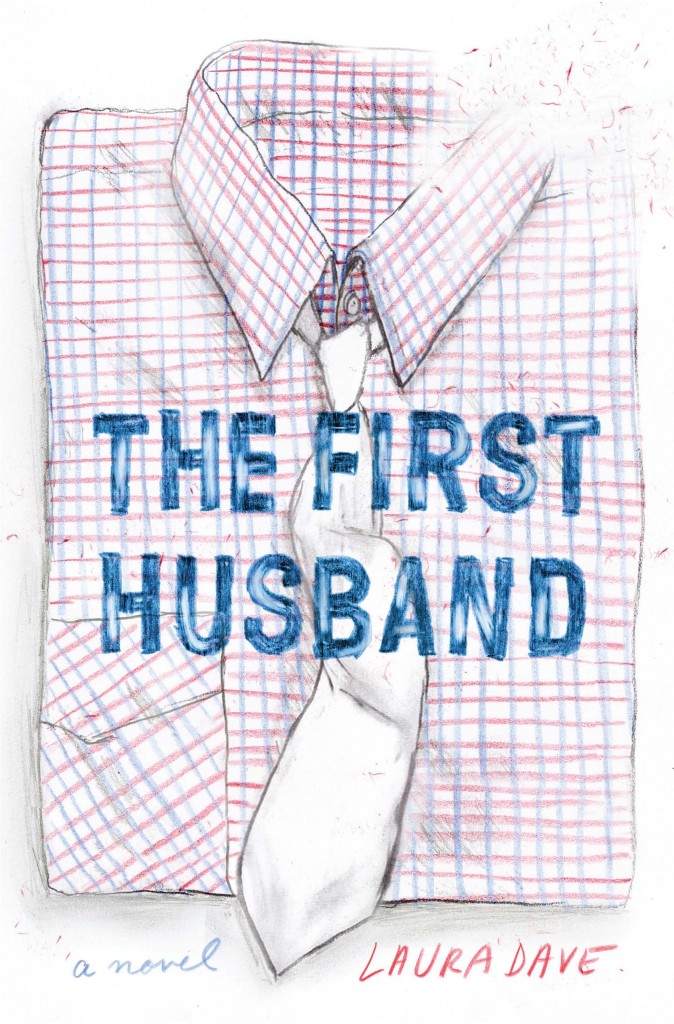
first husband

Jaya Miceli


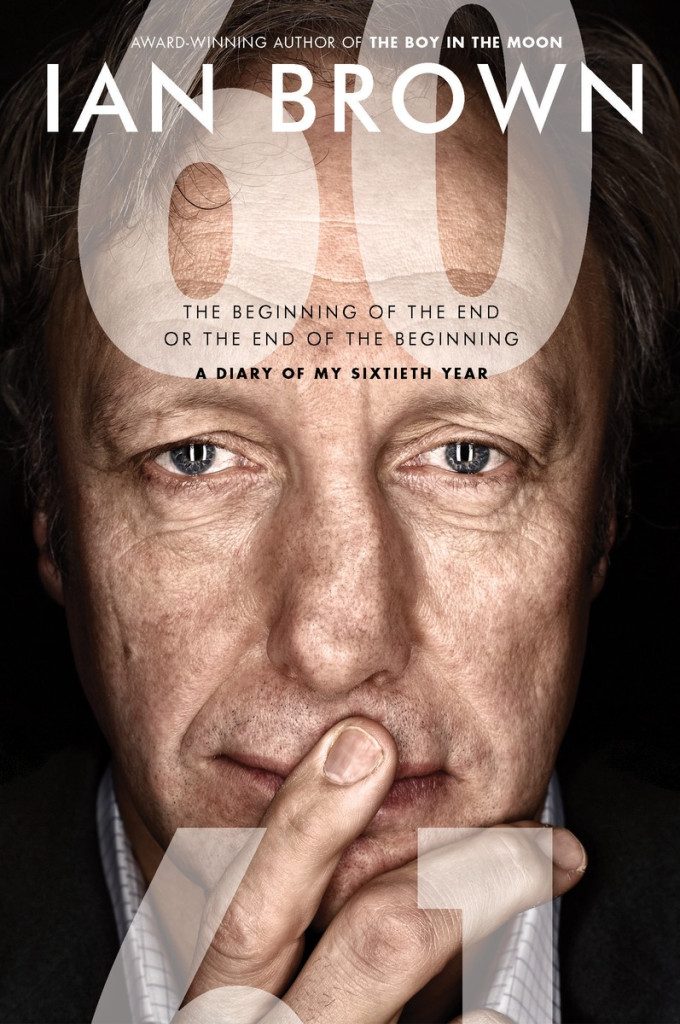
Sixty design by Terri Nimmo

Terri Nimmo


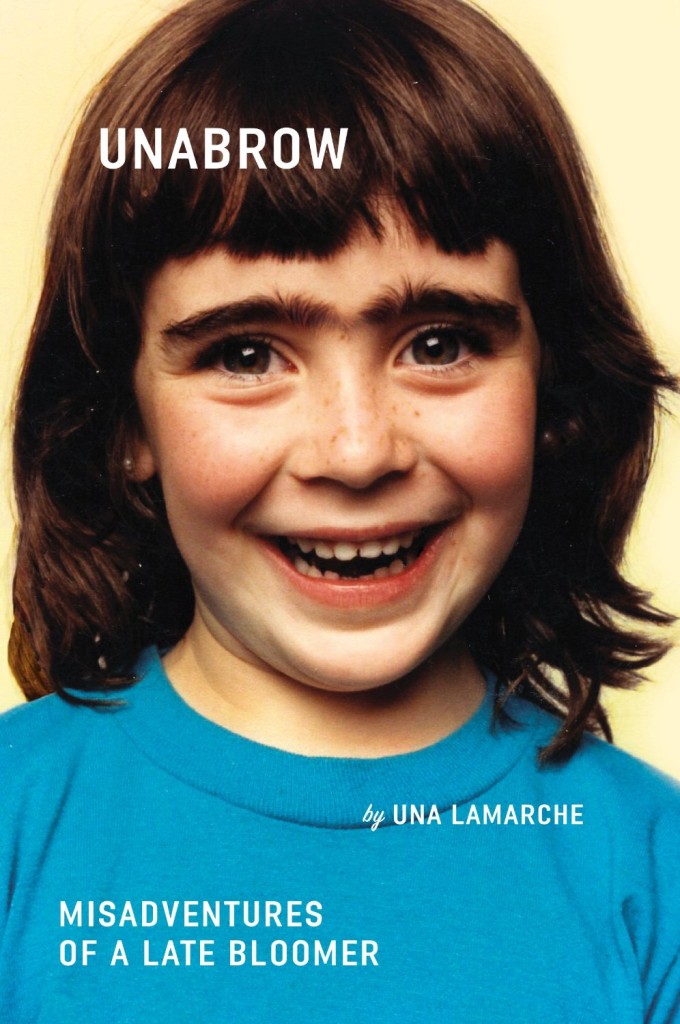
Unabrow by Una Lamarche; design by Zoe Norvell (Plume / March 2015)

Zoe Norvell


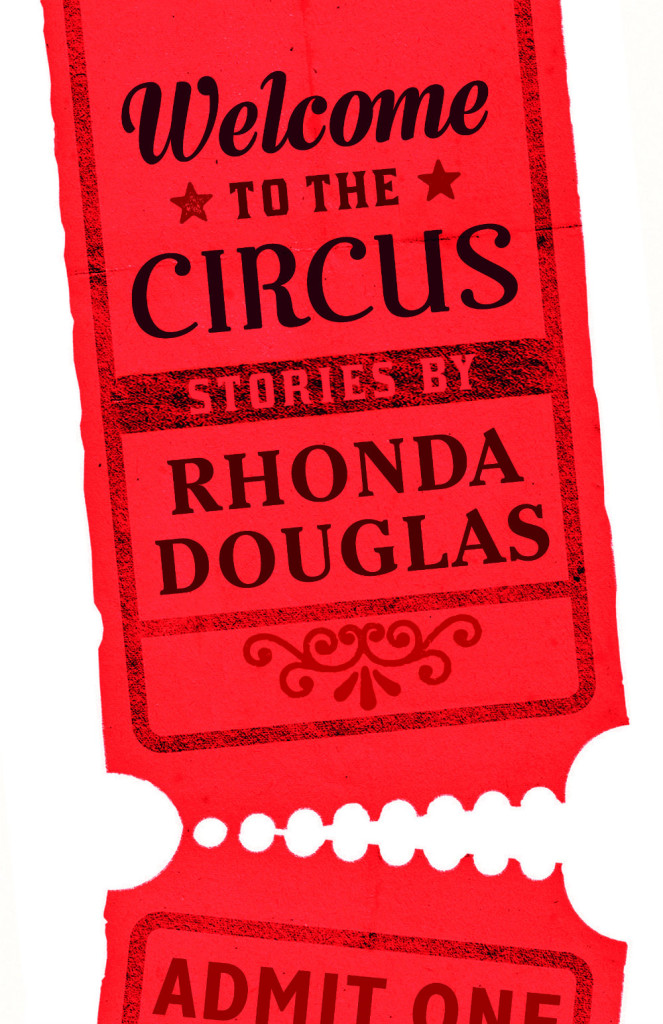
Welcome to the Circus design Natalie Olsen

Natalie Olsen


Untitled-1

Lauren Panepinto


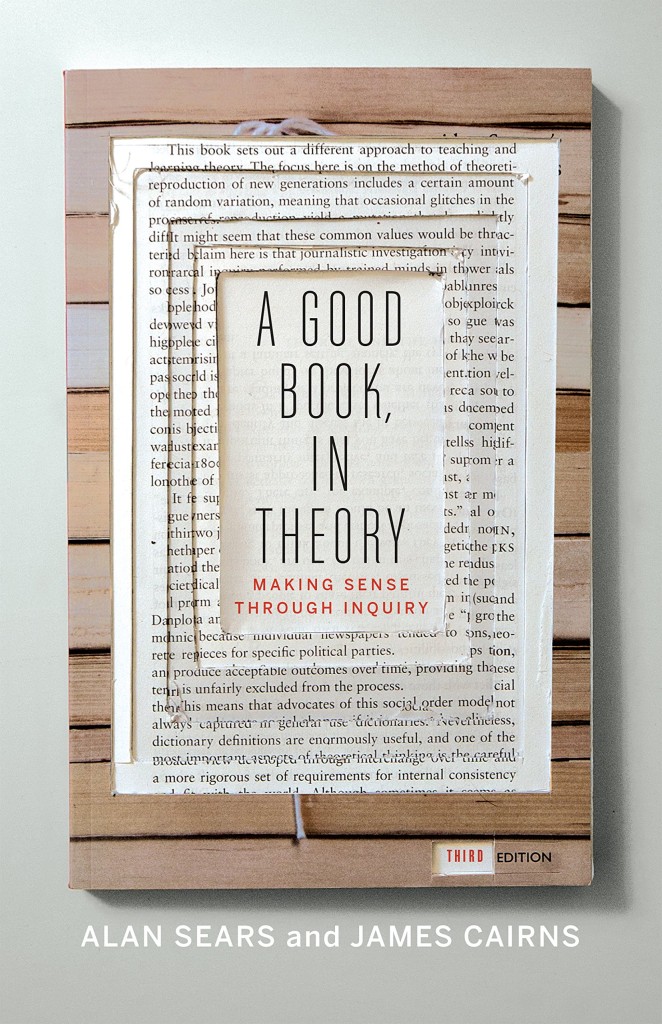
A Good Book design Ingrid Paulson

Ingrid Paulson


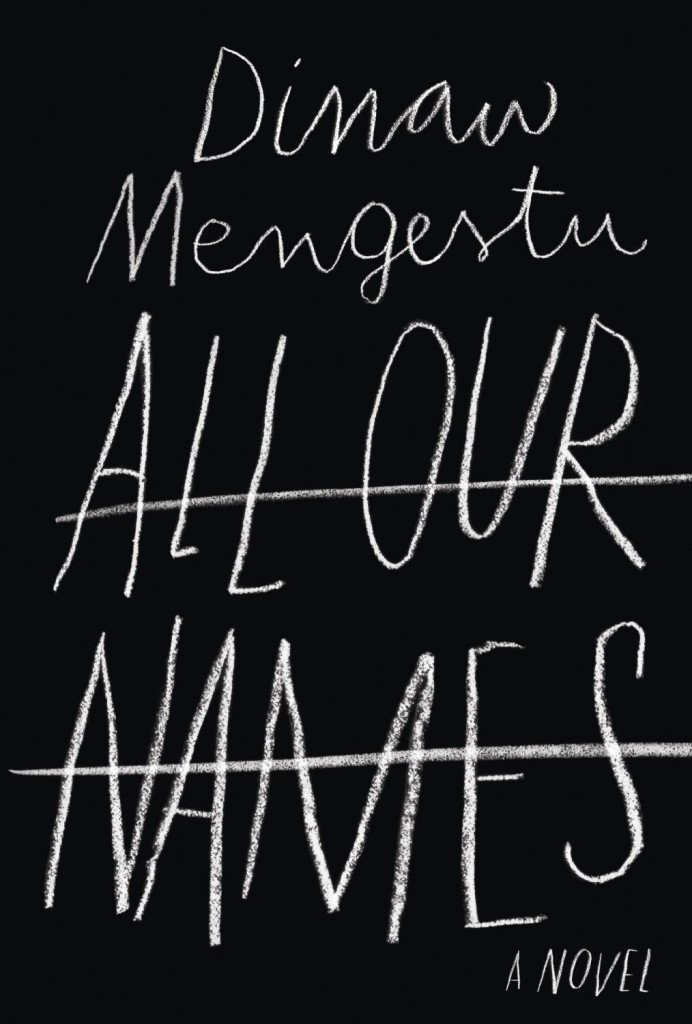
all-our-names

Isabel Urbina Peña


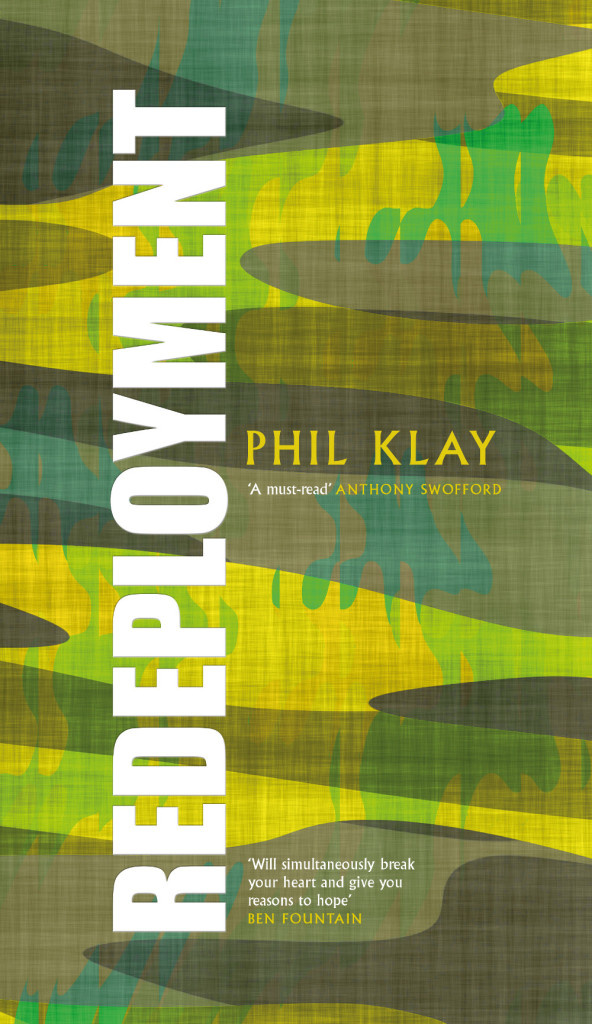
Redeployment design Rafi Romaya

Rafi Romaya


Canada design by Allison Saltzman

Allison Saltzman


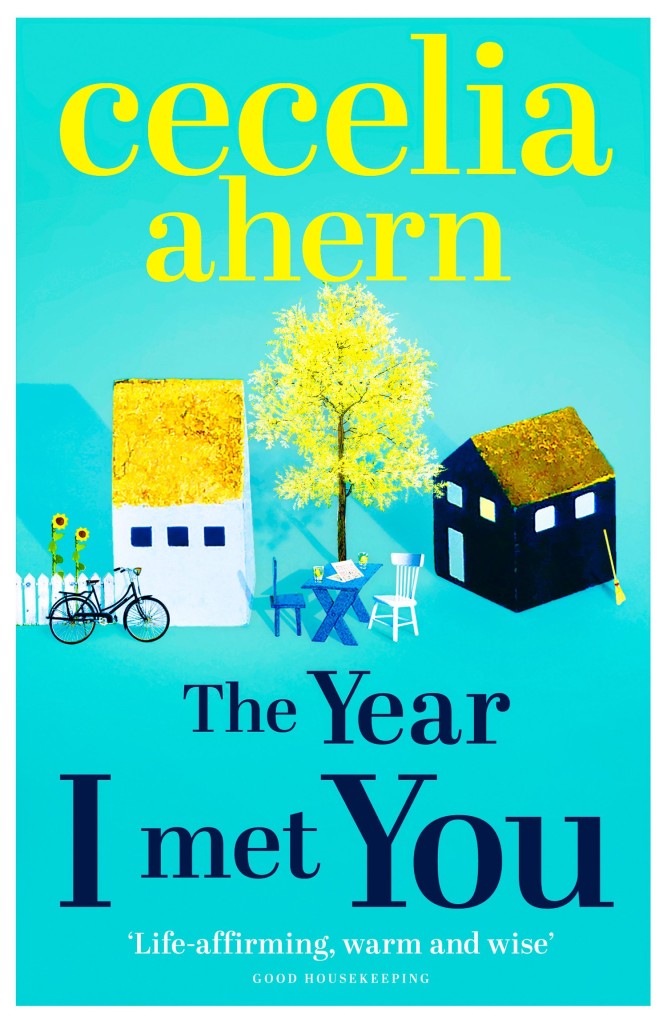
Year I Met You design Heike Schussler

Heike Schüssler


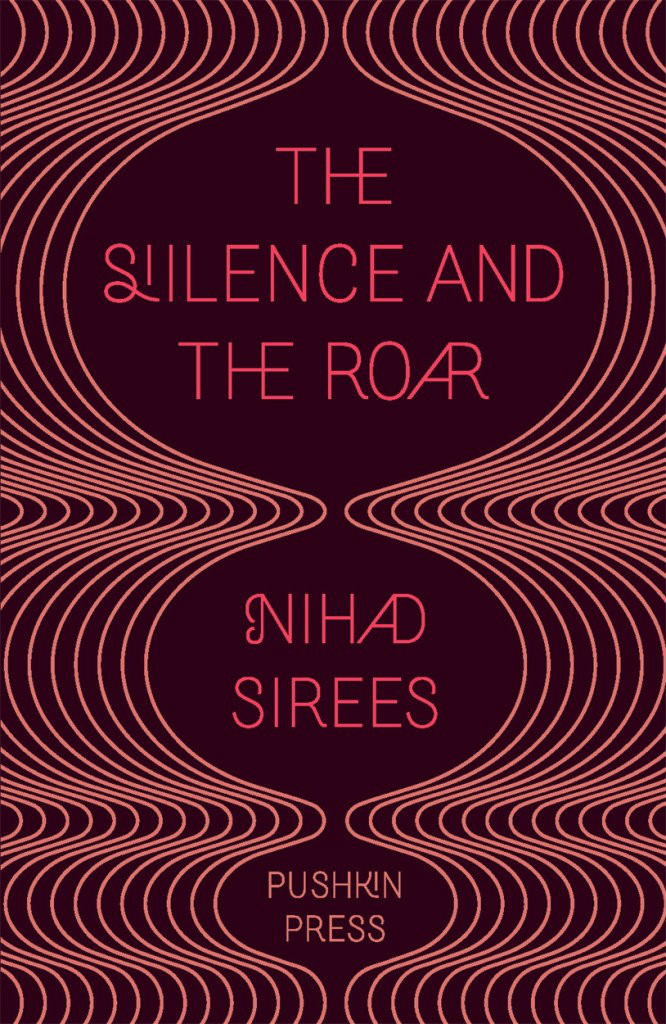
silence

Clare Skeats


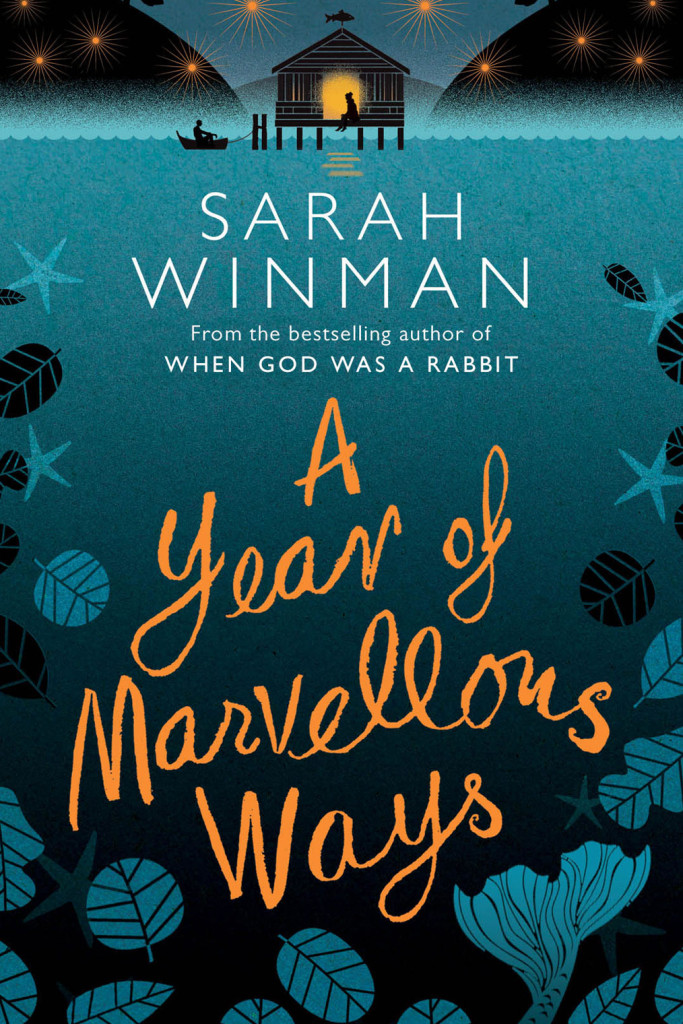
A Year of Marvellous Ways design by Amy Smithson

Ami Smithson / Cabin


flamethrowers design Charlotte Strick

Charlotte Strick


Toronto Cooks design Jess Sullivan

Jess Sullivan


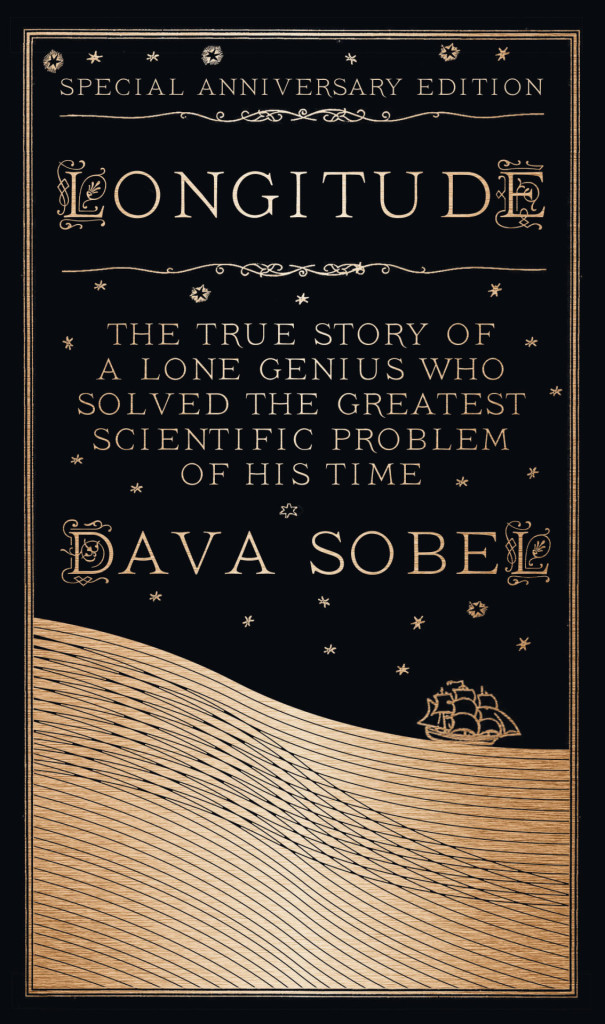
Longitude design Jo Walker

Jo Walker


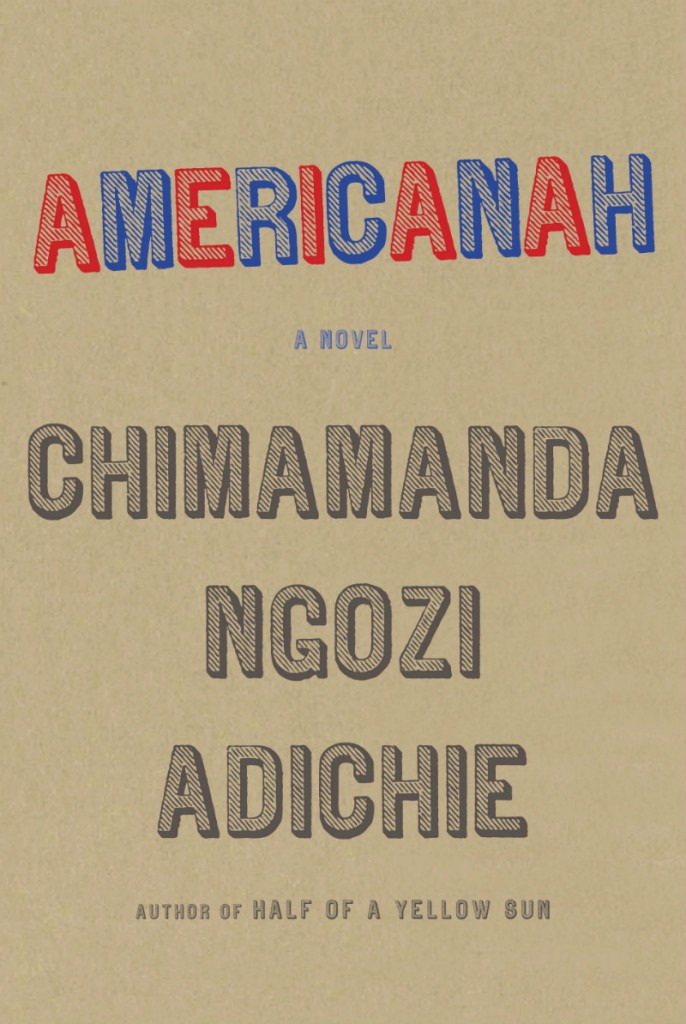
Americanah

Abby Weintraub


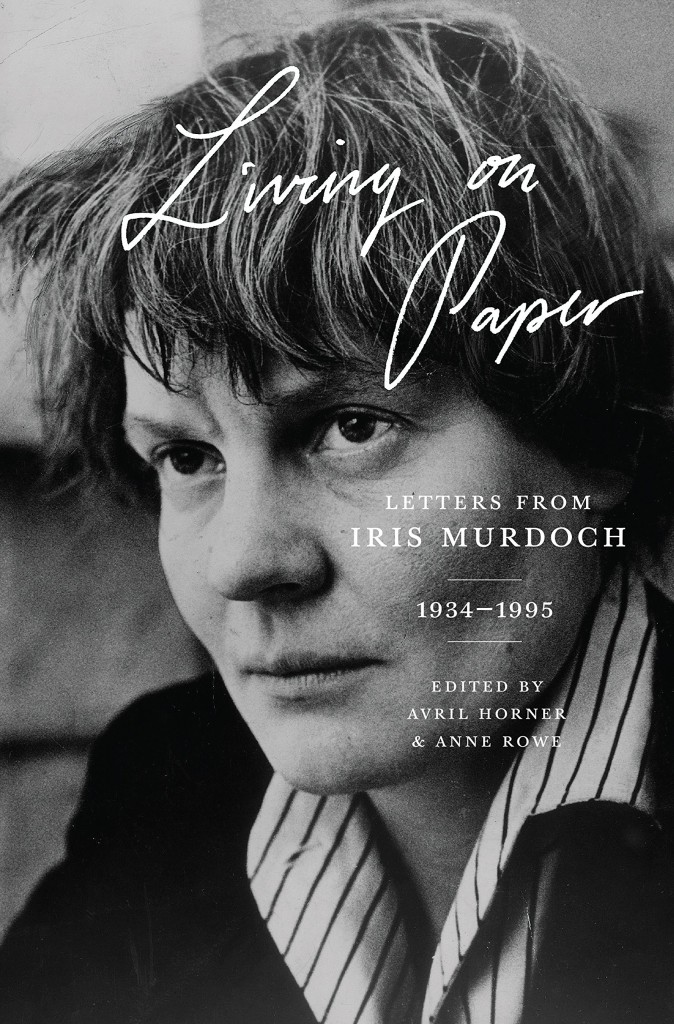
Living on Paper design by Amanda Weiss

Amanda Weiss


Barbara the Slut by Lauren Holmes; design by Rachel Willey (Riverhead / August 2015)

Rachel Willey


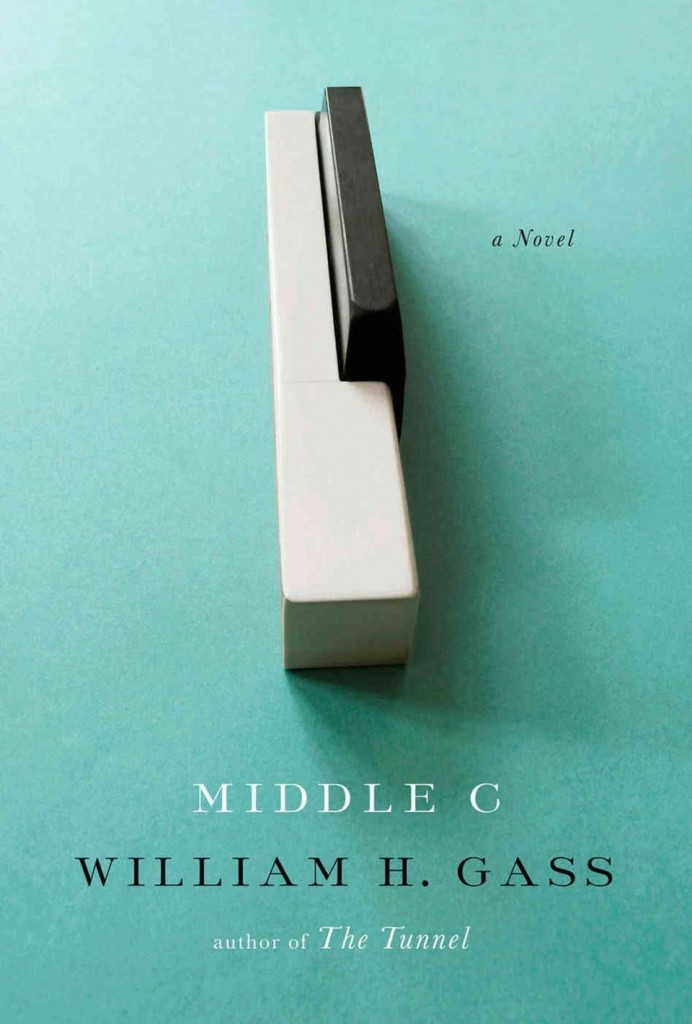
middle-c_

Gabriele Wilson


Design Megan Wilson, photograph Saul Leiter

Megan Wilson


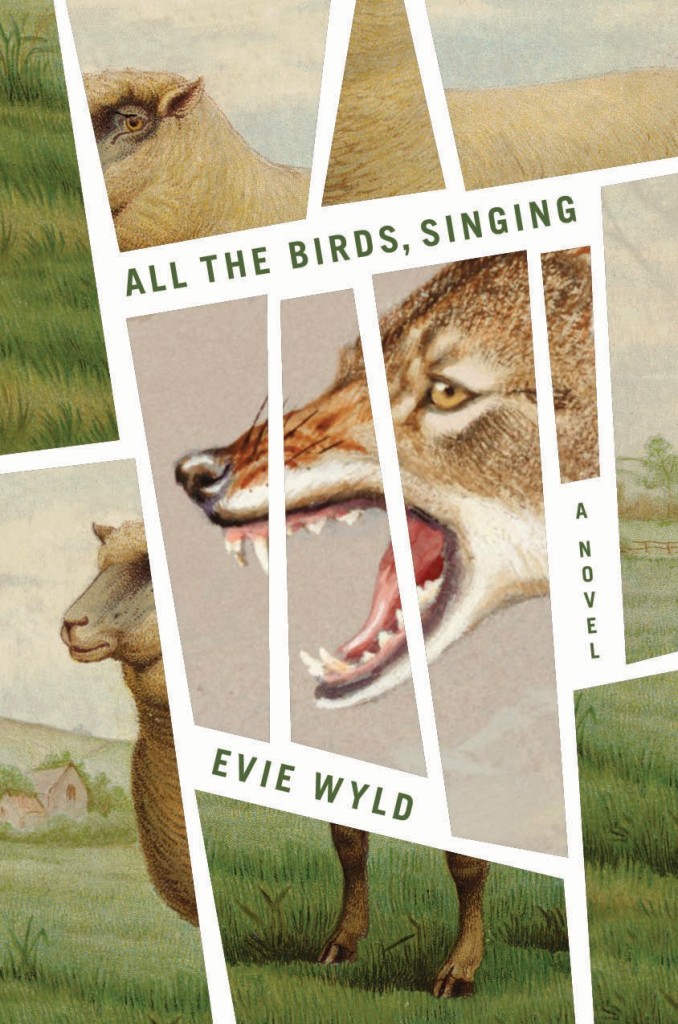
All the Birds design by Joan Wong

Joan Wong


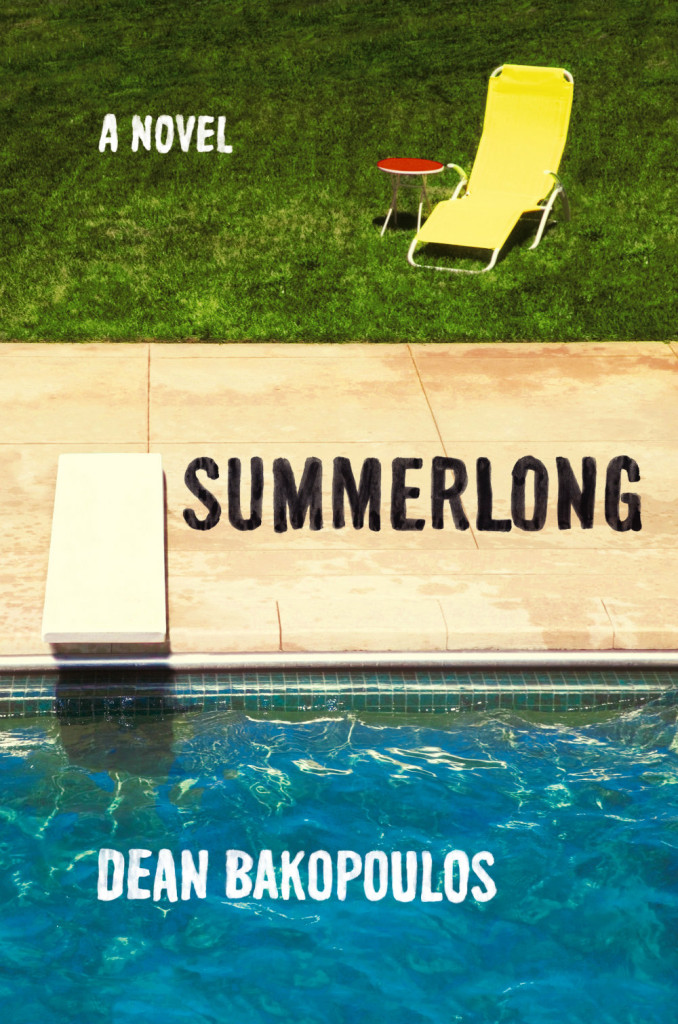
Summerlong design Sara Wood

Sara Wood


MythOfSis

Helen Yentus


  1. Justine Anweiler
  2. Coralie Bickford-Smith
  3. Kelly Blair
  4. Gabrielle Bordwin
  5. Lizzy Bromley
  6. Lynn Buckley
  7. Nicole Caputo
  8. Jennifer Carrow
  9. Carol Devine Carson
  10. Catherine Casalino
  11. Allison Colpoys
  12. Eleanor Crow
  13. Lucy Ruth Cummins
  14. Suzanne Dean
  15. Barbara deWilde
  16. Sinem Erkas
  17. Erin Fitzsimmons
  18. Alison Forner
  19. Elena Giavaldi
  20. Kimberly Glyder
  21. Carin Goldberg
  22. Jenny Grigg
  23. Janet Hansen
  24. Jennifer Heuer
  25. Karen Horton
  26. Linda Huang
  27. Anne Jordan
  28. Chin-Yee Lai
  29. Yeti Lambregts
  30. Emily Mahon
  31. Jaya Miceli
  32. Terri Nimmo
  33. Zoe Norvell
  34. Natalie Olsen
  35. Lauren Panepinto
  36. Ingrid Paulson
  37. Isabel Urbina Peña
  38. Rafi Romaya
  39. Allison Saltzman
  40. Heike Schüssler
  41. Clare Skeats
  42. Ami Smithson
  43. Charlotte Strick
  44. Jess Sullivan
  45. Jo Walker
  46. Abby Weintraub
  47. Rachel Willey
  48. Gabriele Wilson
  49. Megan Wilson
  50. Joan Wong
  51. Sara Wood
  52. Helen Yentus
22 Comments

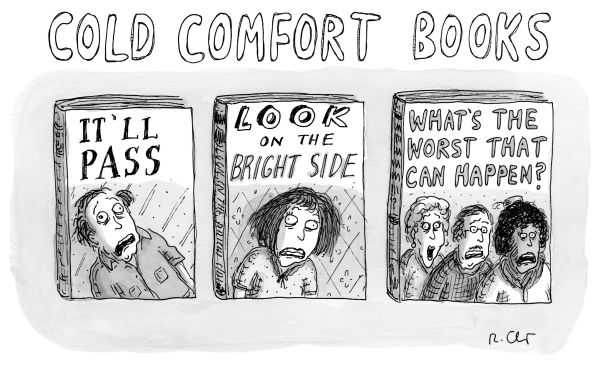
Cold Comfort Books

160307_a19821-600

Roz Chast for The New Yorker.

1 Comment

ABCD Award Winners 2016

Congratulations to all the winners and shortlisted covers at the third annual Academy of British Cover Design Awards! Make sure you read Daniel Benneworth-Gray‘s report on last night’s “shindig” at the Creative Review, but in the meantime, all the winning designs are below:

Children’s
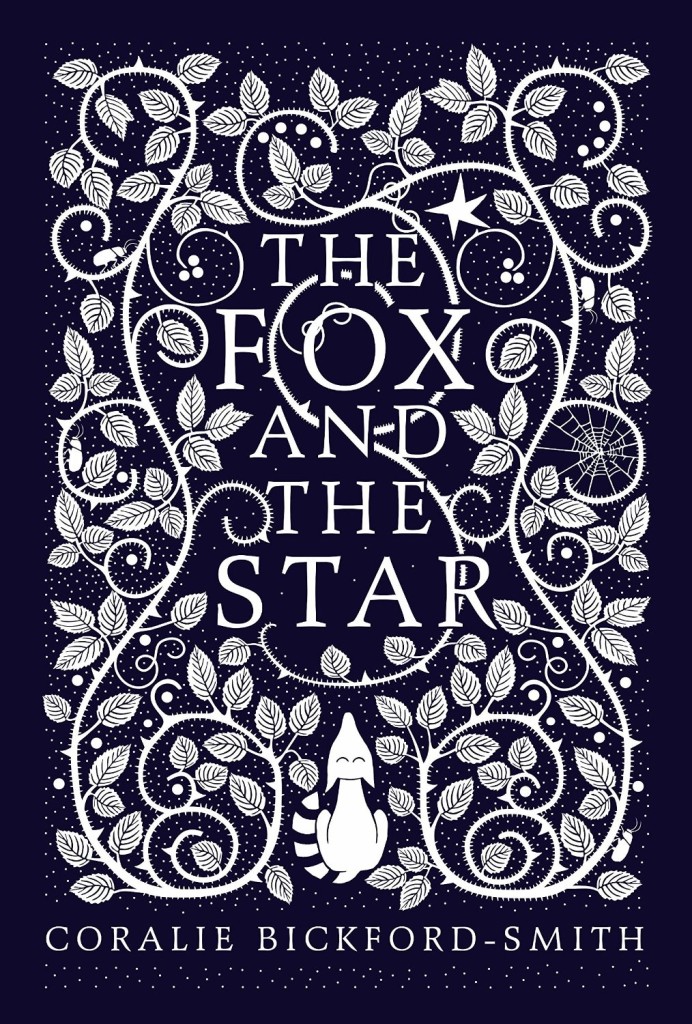
fox and the star

The Fox and the Star, written, illustrated and designed by Coralie Bickford-Smith (Particular Books / August 2015)

Young Adult

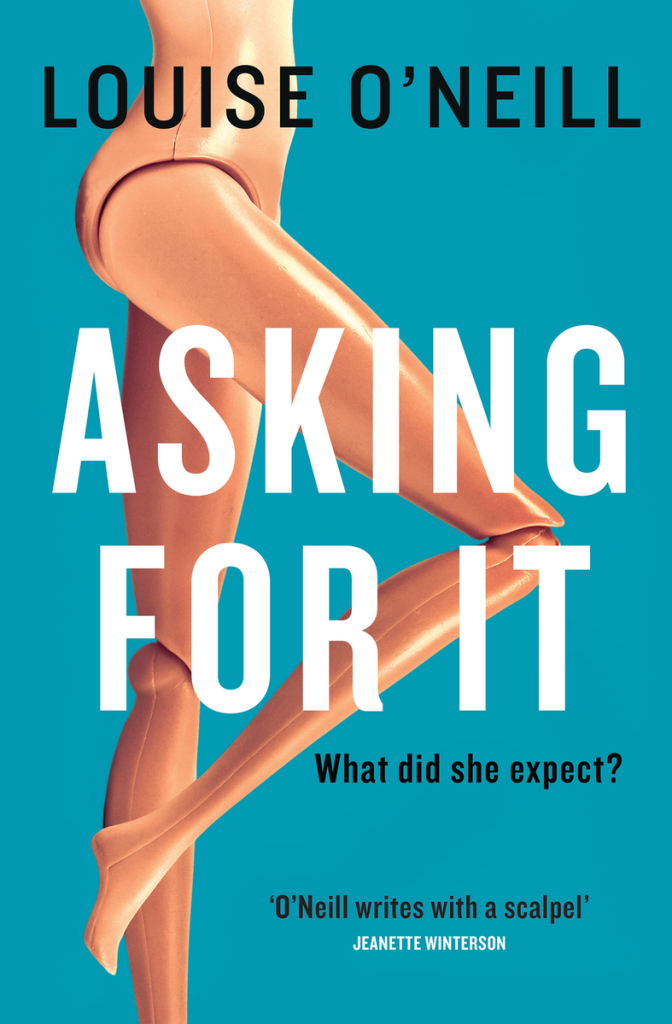
Asking For It design Kate Gaughran
Asking For It by Louise O’Neill; design by Kate Gaughran (Quercus / September 2015)

Sci-Fi / Fantasy

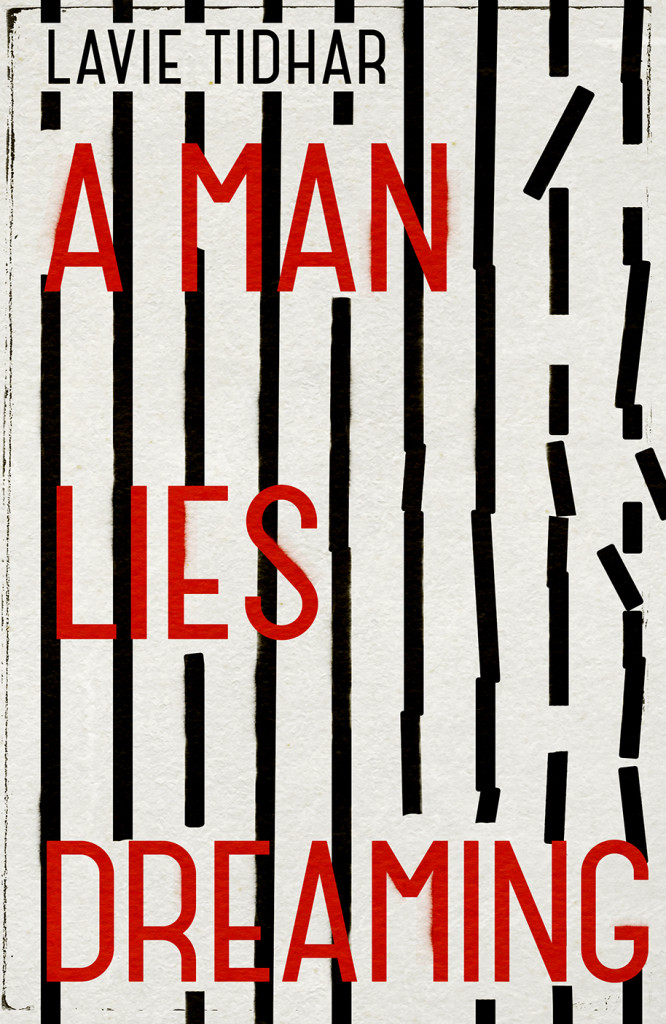
a-man-lies-summer
A Man Lies Dreaming by Lavie Tidhar; design by Ben Summers (Hodder / March 2015)

Mass Market

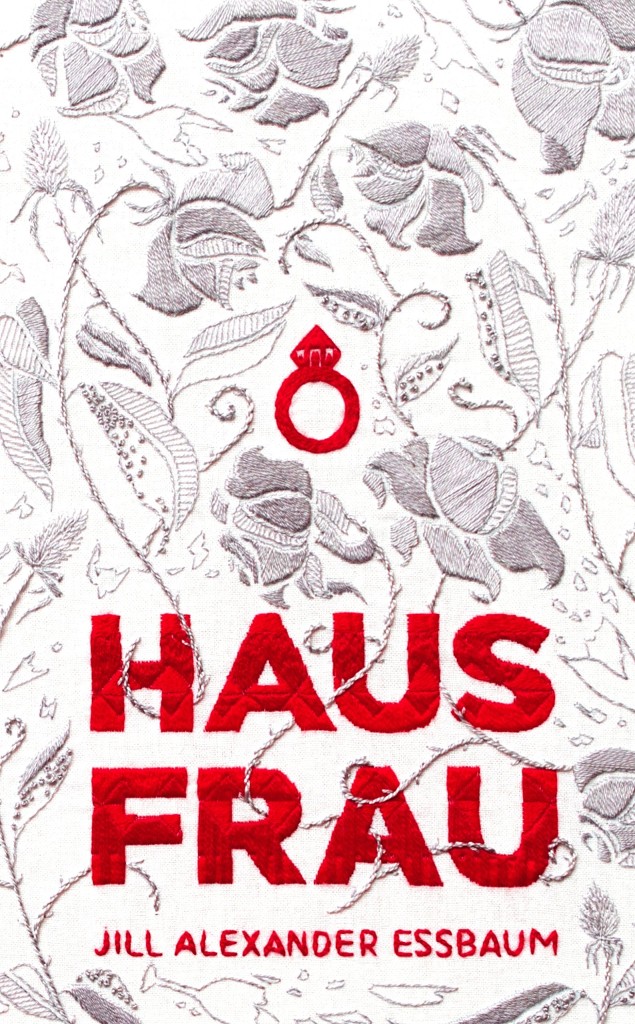
hausfrau-UK
Hausfrau by Jill Alexander Essbaum; design by Jo Thompson; illustration by Maricor/Maricar (Mantle / March 2015)

Literary Fiction

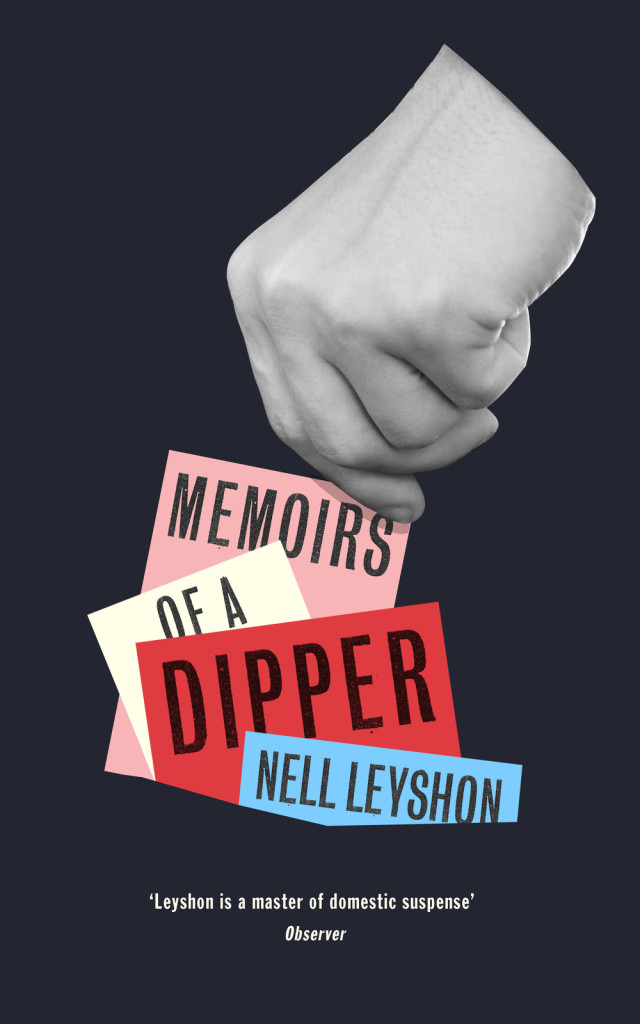
Memoirs of a Dipper design by Gray318
Memoirs of a Dipper by Nell Leyshon; design by Gray318 (Fig Tree / June 2015)

Crime / Thriller

9780241972762
Whisky Tango Foxtrot by David Shafer; design by Richard Bravery (Penguin / June 2015)

Nonfiction

egg design by Clare Skeats
Egg by Blanche Vaughan; design by Clare Skeats (Wiedenfeld & Nicolson / March 2015)

Series Design

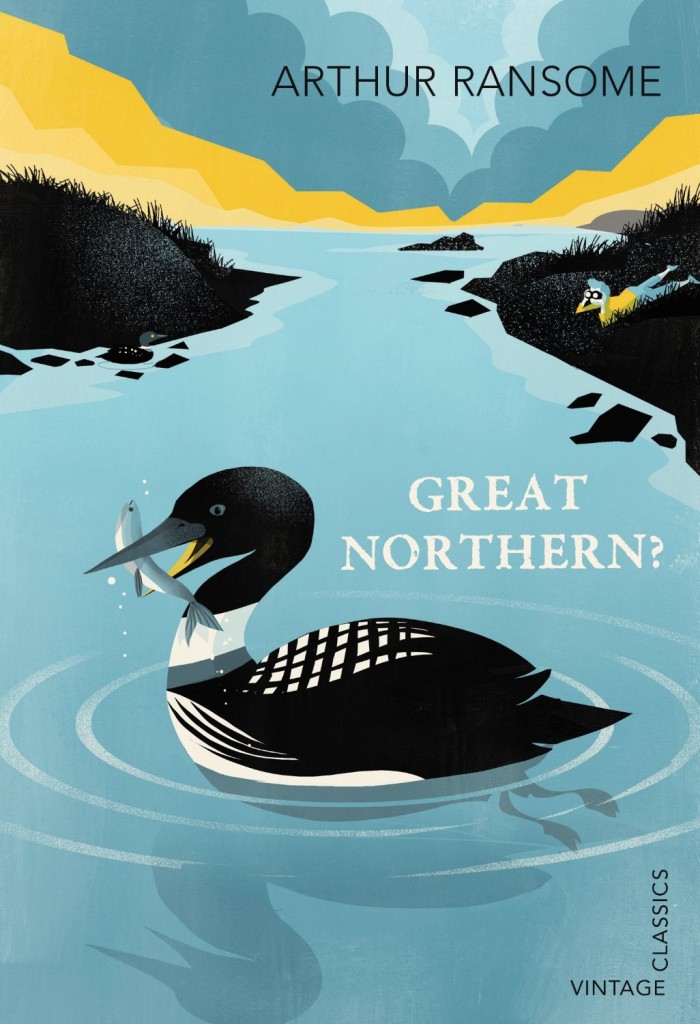
Great Northern design James Paul Jones
Great Northern? by Arthur Ransome; design James Paul Jones; illustration by Pietari Posti (Vintage / March 2015)

Classics / Reissue

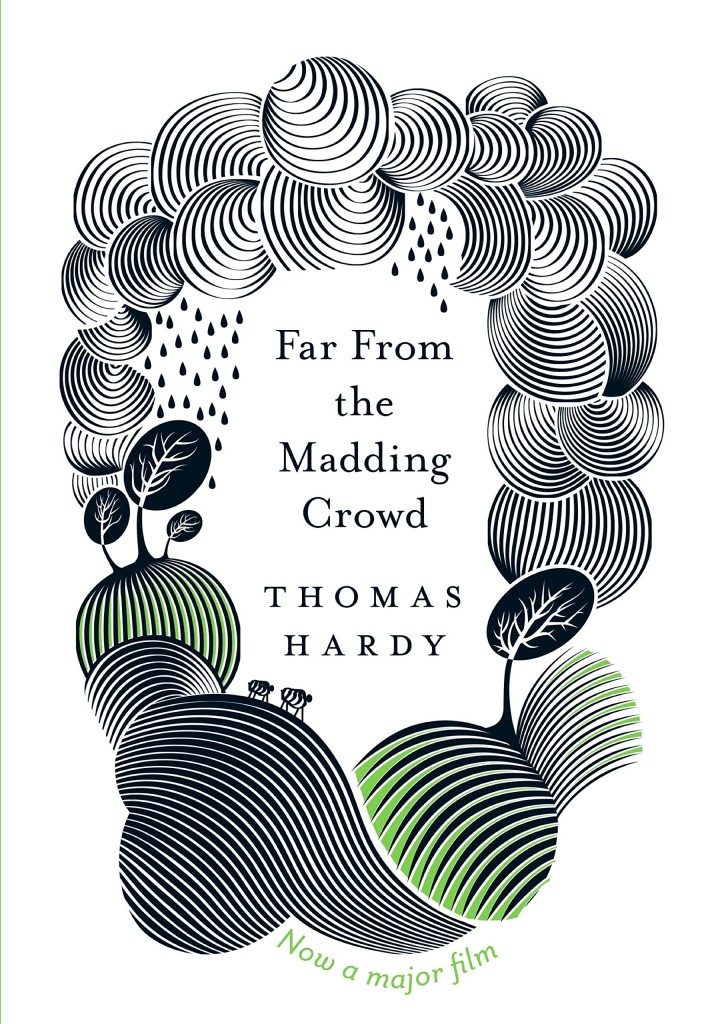
Far From the Madding Crowd design Sinem Erkas
Far From the Madding Crowd by Thomas Hardy; design by Sinem Erkas (Orion / September 2015)

Women’s Fiction

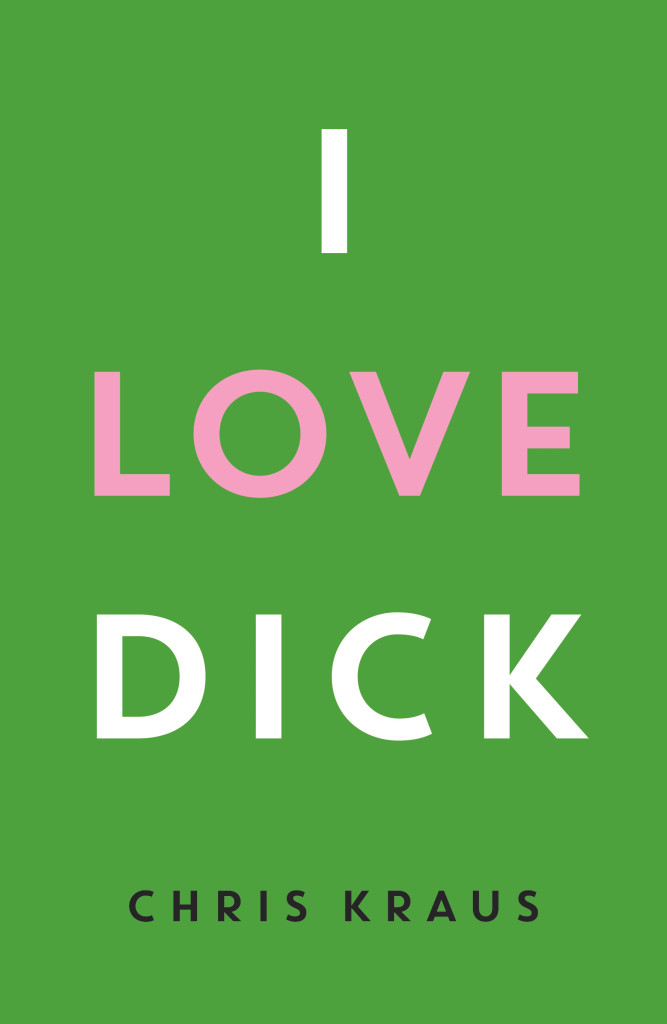
I Love Dick design by Peter Dyer
I Love Dick by Chris Kraus; design by Peter Dyer (Profile Books / November 2015)

You can see all last year’s winners here.

Comments closed

Adaptation

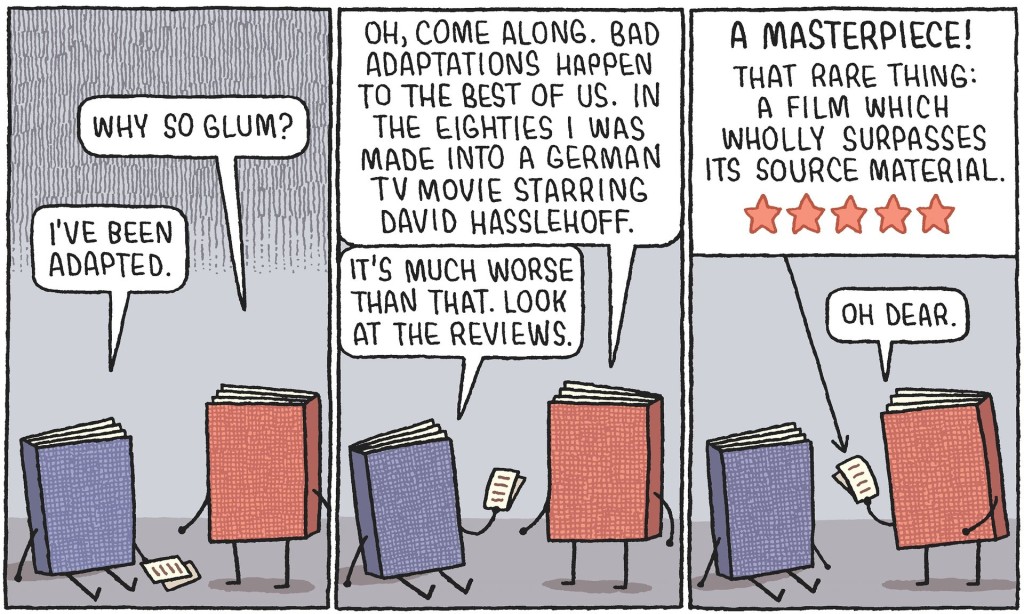
why so glum

Tom Gauld for The Guardian

Comments closed

From Thomas Mann to Amazon — The Art of Literary Publishing in New York

The Millions has a long, but very interesting (and, at times, surprisingly blunt) essay by veteran Doubleday editor Gerald Howard on editing and literary publishing in New York:

At the simplest, most basic level, I’ve been reading for a living for 37 years. I arrived at New American Library with a literary and intellectual sensibility formed by the unruly rebellions of the ’60s and the spiritual deflations of the ’70s, with a taste for the novelists and thinkers who had either helped to cause or best reflected and interpreted those rebellions and deflations. I’ve read thousands of books and proposals since then, and I believe I am a better reader than I was at age 27 — I know more because I’ve read more and my judgments are (I sure hope) better informed and more mature. But at the primal level where reader meets text and experiences emotions ranging from boredom and impatience to I-love-this-and-have-to-have-to-publish-it excitement, I think I am still that young man in the hunt and on the make, always searching for the big wow. This process takes place in the private arena of the mind and is entirely unrelated to the corporate arrangements of my employer. It is, quite literally, where I live, where I feel I am most myself.

As for the editing of those books that wow me when happy circumstances dictate that I get to acquire them, that process too takes place in a private arena. When I encounter a sentence that is inelegant or ungrammatical or inefficient or ambiguous in meaning, or a scene in a novel that is implausible or overdone or superfluous, or a plot that drags or goes off course or beggars credulity, or a line of exposition that falls short of the necessary clarity, or feel that some subject is missing and requires coverage, I point those things out to the author and with a carefully calculated mixture of firmness and solicitude suggest ways they might be remedied. I do this usually at nights and on weekends, sometimes on my bus ride to and from work, very occasionally in my office on slow days with my door closed (yes, I have an office with a door that closes), with a complete absence of business calculation beyond the largest context — that a book that is bad or just not good enough is a book that will embarrass me and my employer and be poorly received and will not sell.

But as I read those submissions and edit those manuscripts, on another cognitive plane I am reality testing what I am reading. What other books — the fabled and often tiresome “comp titles” — are like this one, and how did those books sell? (We are always fighting the last war.) Is it too similar to something we published recently or are publishing in the near future, or to a book some other house has or shortly will publish? Are there visual images in the book that might be utilized on the cover? What writers of note can I bug for prepublication blurbs? Is there something about the author, some intriguing or unusual backstory, some charisma radiating off the page (and maybe the author photo? Don’t act so shocked) that suggests that he or she will be a publicity asset? What might a reasonable advance be, given the amounts that have been paid recently for similar books, or might reason for some reason be thrown out the window? (A friend and colleague of mine refers to this feeling as “Let’s get stupid.” More on this matter shortly.) What colleagues in the company, in the editorial department, in marketing, publicity, and sales, could I ask to read the book to drum up support for it? What is my “handle” going to be — the phrases or brief sentences that briskly encapsulate a book’s subject matter and commercial appeal? These and all sorts of other questions will be popping up in my brain, and inevitably there is some crosstalk and bleed-through between the two cognitive spheres. If you want total purity in these matters, go join an Irish monastery and work on illuminated manuscripts, not a New York publishing house. Or at the very least a quiet and scholarly and well-endowed university press.

Well worth reading from beginning to end, the essay is an excerpt from the forthcoming Literary Publishing in the Twenty-First Century edited by Travis Kurowski, Wayne Miller, and Kevin Prufer (to be published by Milkweed Editions in April 2016), which on this evidence of this alone will be essential reading for publishing folks1.

Comments closed

Why McNally Jackson Books Thrives

The New York Business Journal looks why McNally Jackson is thriving, while other the city’s other independent bookstores are disappearing:

most literati agree that independent book stores are an endangered species in high-rent New York. See what’s happening right now with the St. Mark’s Bookshop, which was forced to move once and now is preparing to close for good. Or look at what’s already happened to Gotham Book Mart, Biography Bookshop, Bank Street Bookshop and even the chain store Borders Books. All are shuttered. Even Barnes & Noble has closed three large outlets in Manhattan (Astor Place, Chelsea, Lincoln Center).

But something special is brewing on Prince Street in NoLita because McNally Jackson is packed. The café is booming, the self-publishing arm is prospering, and the nightly literary events, are popular. McNally Jackson is the prime example of what it takes for an independent bookstore to succeed: operating as a triple threat of bookstore, café and publisher.


Comments closed

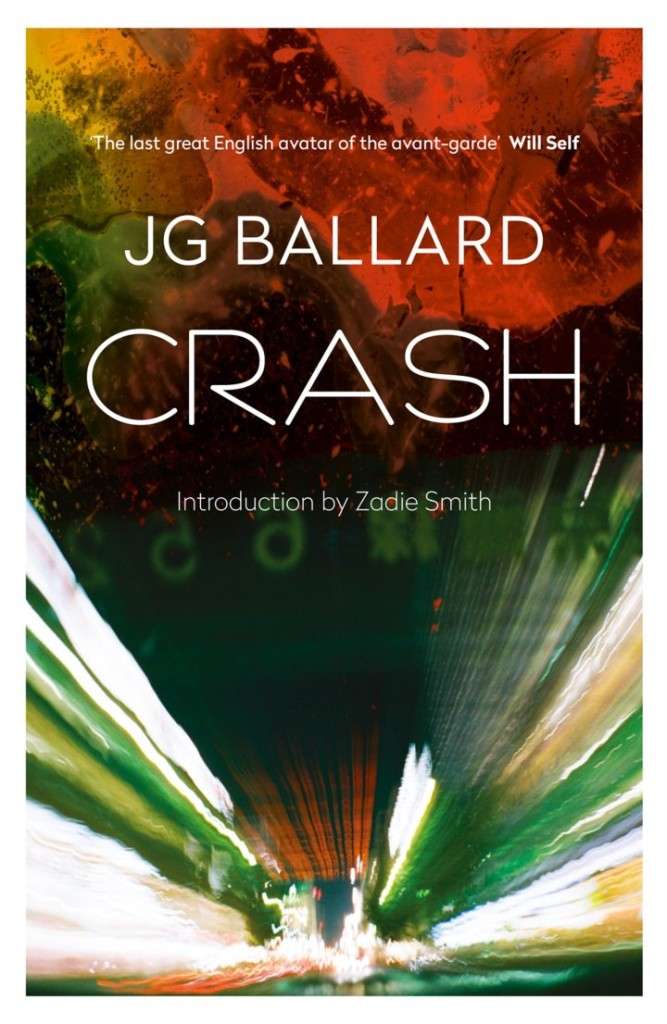
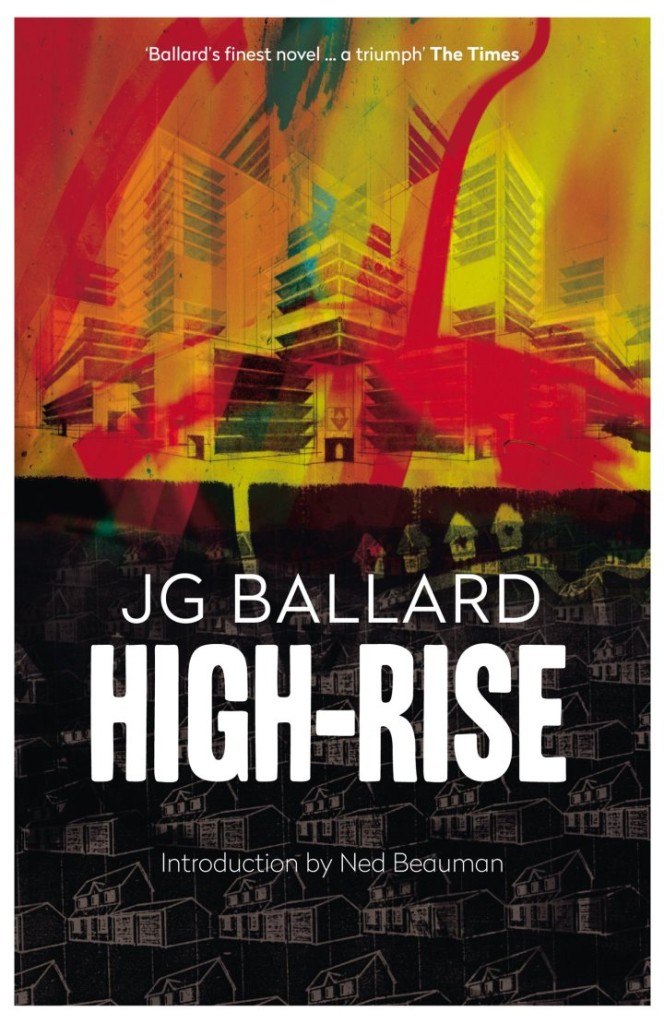
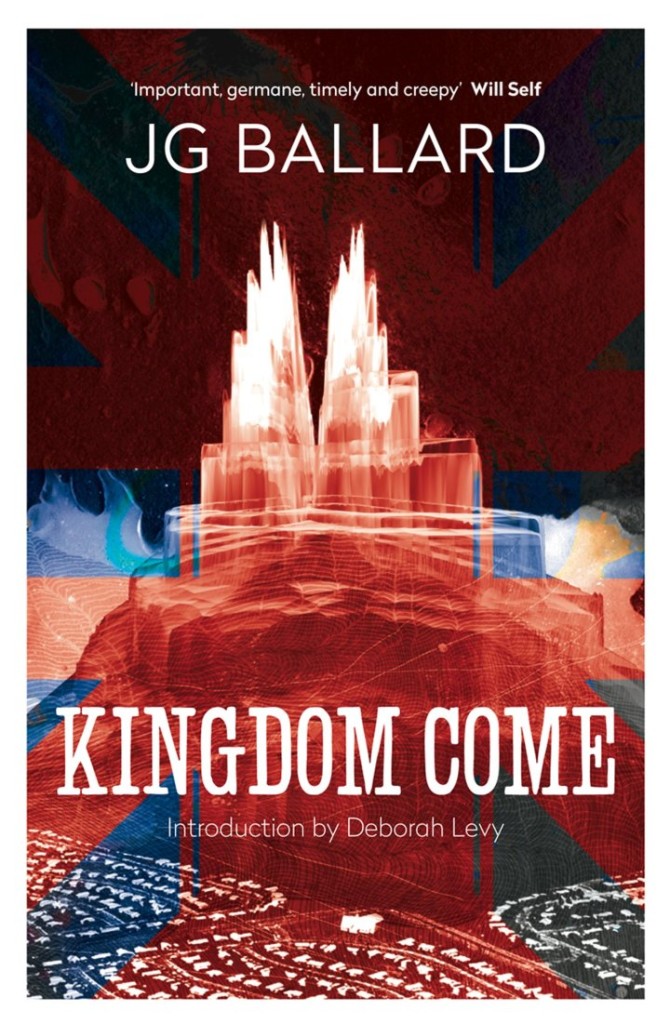
J.G. Ballard Series by Stanley Donwood

jgballard-bookcover-4thestate-theatrocityexhibition-harikunzru

Some how I missed these when they were first published in 2014,1 but British publisher Fourth Estate has reissued 21 books by J.G. Ballard with covers designed Stanley Donwood. Donwood, who is perhaps best known for his artwork for Radiohead, talked about Ballard and the cover designs on the 4th Estate blog:

I have done many strange things in order to design these covers; I’ve visited underground laboratories, watched the huge sky under the Fens, ignited flammable liquids, fired guns, melted quantities of wax, poured liquid nitrogen across a table and taken deliveries of hypodermic needles.

(via Rhys Tranter)

2 Comments

Matt Dorfman American Illustration Interview

Knockout design by Matt Dorfman

Robert Newman interviews mighty Matt Dorfman, illustrator, book cover designer and art director for The New York Times Book Review, for American Illustration:

I’m a big disciple of using abstraction to highlight emotional conditions. To that end, I love the kitchen sink perversion of psych artists like Victor Moscoso, Martin Sharp, Tadanori Yokoo and Keiichi Tanaami. As a teen I swiped a copy of I Seem To Be A Verb by R. Buckminster Fuller and Quentin Fiore from one of my dad’s shelves (and I still have it) and I credit that book with revealing to me—loudly—how vital books can be if they’re conceived with passion and energy. And I probably owe the Johns Heartfield and Baldessari some money.

At least once a month, a circumstance will arise either in work or in life in which I reflexively ask myself, without premeditation: “What would Ian MacKaye do?” This has been happening since I was 15. There’s probably something to it.

(Matt is one of the many, many people I would love to interview for the blog… )

Comments closed