Skip to content

Category: Books

The Rise of the Global Novel

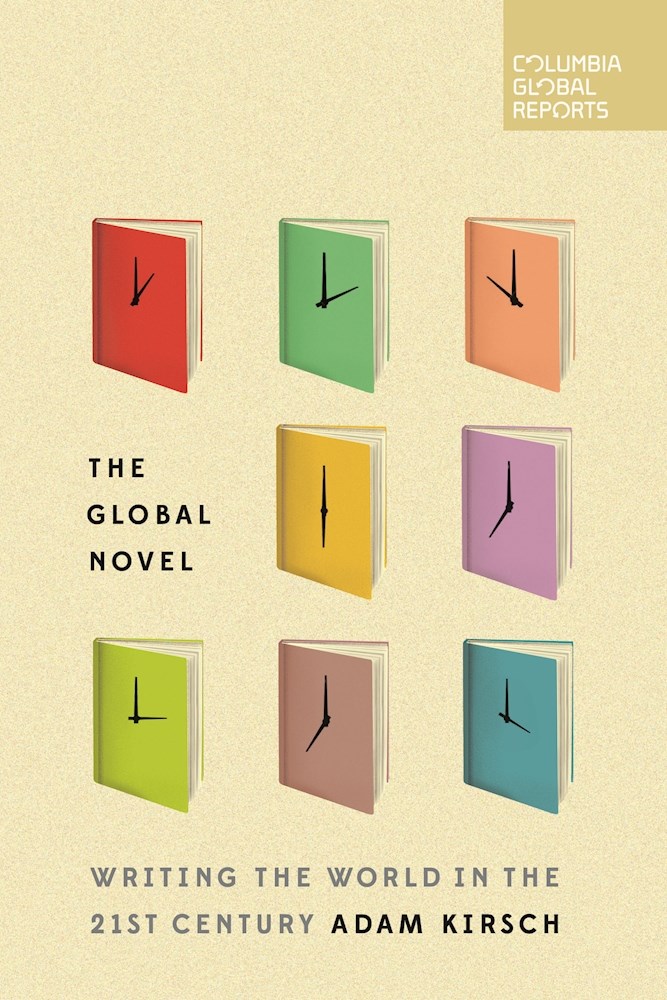
At the New Republic, Siddhartha Deb, author of The Beautiful and the Damned, reviews The Global Novel: Writing the World in the 21st Century by Adam Kirsch:

Foreign writers might still be considered strange or different, and they might not be covered at all. But even the notoriously elitist, insular establishment of book reviewers in New York did not see their novels as completely out of place in a world rapidly being shaped by globalization. In an era of cheap air travel, digital communications, consumerism, worldwide urbanization, and the dominance of English—all overseen by the United States as the world’s single remaining imperial power—readers, editors, and critics found it easy to welcome works by Haruki Murakami or Orhan Pamuk and the snapshots of foreign life they reveal.

In fact, the literary critic Adam Kirsch argues in his new book, The Global Novel, these circumstances have given rise to an entirely new literary category. No longer located tightly within national boundaries, and often written by authors who move between cultures, the global novel takes fiction’s usual remit—the examination of human nature—and places it in new cosmopolitan settings. The scope and structures of these books may vary: “A global novel can be one that sees humanity on the level of the species,” Kirsch proposes, “so that its problems and prospects can only be dealt with on the scale of the whole planet; or it can start from the scale of a single neighborhood, showing how even the most constrained of lives are affected by worldwide movements.” Yet such narratives are unified in their concern for “contemporary global problems, including immigration, terrorism, environmental degradation, and sexual exploitation”…

…In the midst of xenophobic populism—the age of Brexit and Donald Trump—Kirsch counters that the global novel bears out Goethe’s belief that “poetry is the universal possession of mankind.” And the fact that readers have come to appreciate it shows, for him, the currency of liberal values “like tolerance of difference, mutual understanding, and free exchange of ideas.”

Comments closed

The Prophet of Dystopia

art direction by Christopher Moisan; illustration by Patrik Svensson

I am terribly late to this, but Rachel Mead, author of My Life in Middlemarch, profiled Margaret Atwood for The New Yorker earlier this month. Atwood’s dystopian novel The Handmaid’s Tale has just been released as a TV series starring Elizabeth Moss:  

Despite the novel’s current air of timeliness, the contours of the dystopian future that Atwood imagined in the eighties do not map closely onto the present moment—although recent news images of asylum seekers fleeing across the U.S. border into Canada have a chilling resonance with the opening moments of the television series, which shows Moss, not yet enlisted as a Handmaid, attempting to escape from the U.S. to its northern neighbor, where democracy prevails. Still, the U.S. in 2017 does not show immediate signs of becoming Gilead, Atwood’s imagined theocratic American republic. President Trump is not an adherent of traditional family values; he is a serial divorcer. He is not known to be a man of religious faith; his Sundays are spent on the golf course.

What does feel familiar in “The Handmaid’s Tale” is the blunt misogyny of the society that Atwood portrays, and which Trump’s vocal repudiation of “political correctness” has loosed into common parlance today. Trump’s vilification of Hillary Clinton, Atwood believes, is more explicable when seen through the lens of the Puritan witch-hunts. “You can find Web sites that say Hillary was actually a Satanist with demonic powers,” she said. “It is so seventeenth-century that you can hardly believe it. It’s right out of the subconscious—just lying there, waiting to be applied to people.” The legacy of witch-hunting, and the sense of shame that it engendered, Atwood suggests, is an enduring American blight. “Only one of the judges ever apologized for the witch trials, and only one of the accusers ever apologized,” she said. Whenever tyranny is exercised, Atwood warns, it is wise to ask, “Cui bono?” Who profits by it? Even when those who survived the accusations levelled against them were later exonerated, only meagre reparations were made. “One of the keys to America is that your neighbor may be a Communist, a serial killer, or in league with satanic forces,” Atwood said. “You really don’t trust your fellow-citizens very much.”


Comments closed

Dystopia

Tom Gauld for The Guardian.

Comments closed

Australian Book Design Awards 2017 Shortlist

The Australian Book Design Association just announced their Shortlist (PDF) for the 65th Australian Book Design Awards. Happily (if somewhat implausibly), I was asked to be the international judge this year (you can read about the other, imminently more qualified judges, here).

As a sample of what you can expect from the shortlist, here are the covers in the Nonfiction category: 


Design by Mary Callahan

Design W. H. Chong

Design by Allison Colpoys

Design Jenny Grigg

The winners of the awards will be announced on Friday 26 May at the Awards Party in Sydney. Tickets go on sale Thursday 20 April.


Comments closed

Book Covers of Note April 2017

This edition of ‘book covers of note’ is brought to you entirely by Gray318 who designed the covers of all the books published this month. OK, that’s an exaggeration, but Jon did design FOUR of the covers on my list — all different, all brilliant. How no one has published a monograph of his work yet is beyond me. Anyway… This month’s post also includes covers by David Pearson, Erik Carter, Scott Richardson, Kimberly Glyder, Katie Tooke, Rachel Vale and more… 


Black Moses by Alain Mabanckou; design by Gray318 (Serpent’s Tail / April 2017)


England Your England by George Orwell; design by David Pearson (Penguin Modern Classics / March 2017)


The Fortunate Brother by Donna Morrissey; design by Pete Adlington (Canongate / April 2017)


Ghachar Ghochar by Vivek Shanbhag; design by Luke Bird (Faber & Faber / April 2017)

And, just FYI, after 6 years at Faber & Faber, Luke has decided to set up his own studio should you wish to hire him (and on the basis of this cover alone, why wouldn’t you?).

The Good People by Hannah Kent; design by Rachel Vale (Picador / February 2017)


The Handmaid’s Tale by Margaret Atwood; art direction by Christopher Moisan; illustration by Patrik Svensson (Houghton Mifflin Harcourt / April 2017)

This is just the latest in a number of striking covers for The Handmaid’s Tale  rare bookseller and author Rebecca Romney recently compiled a list


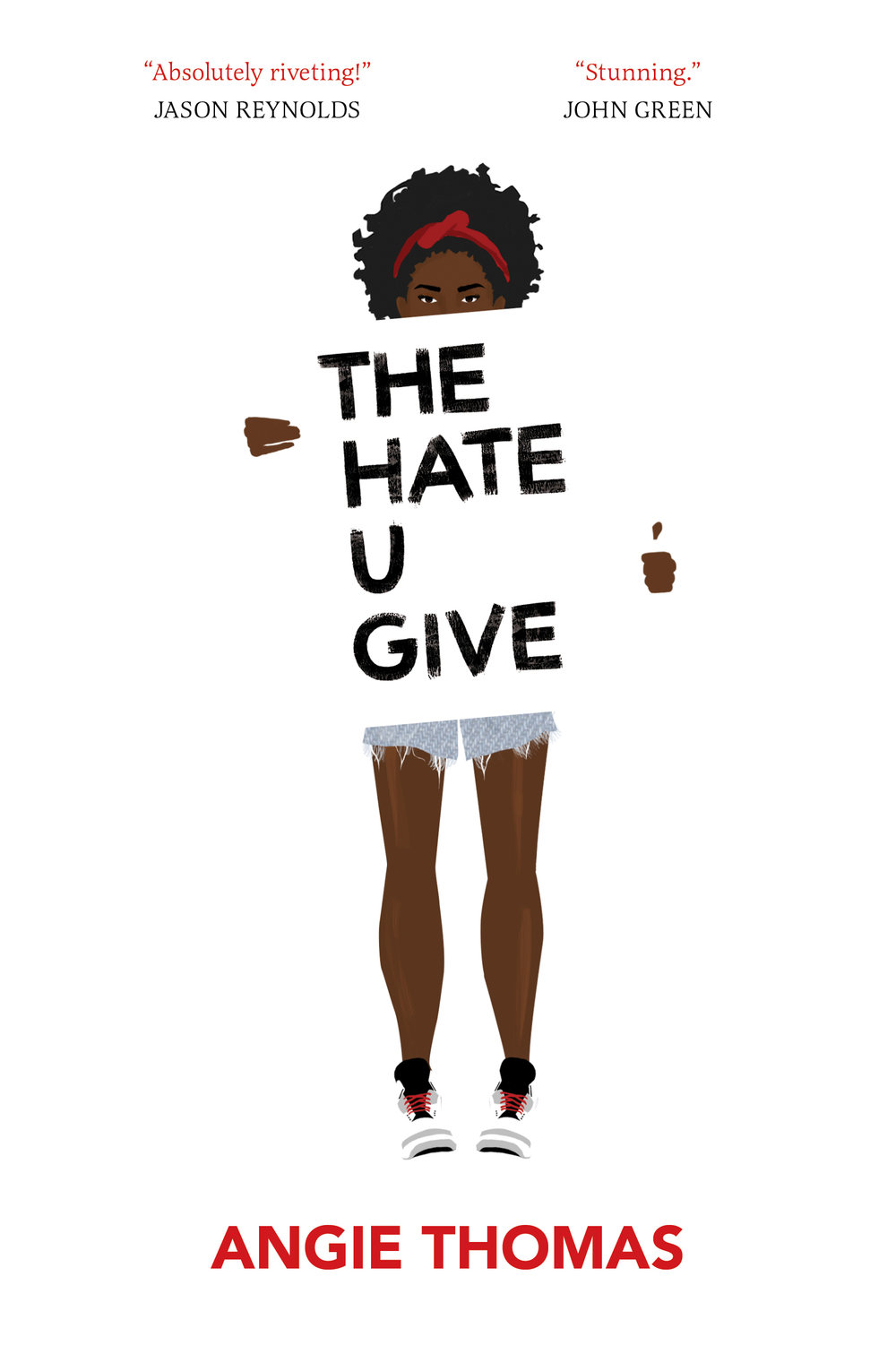
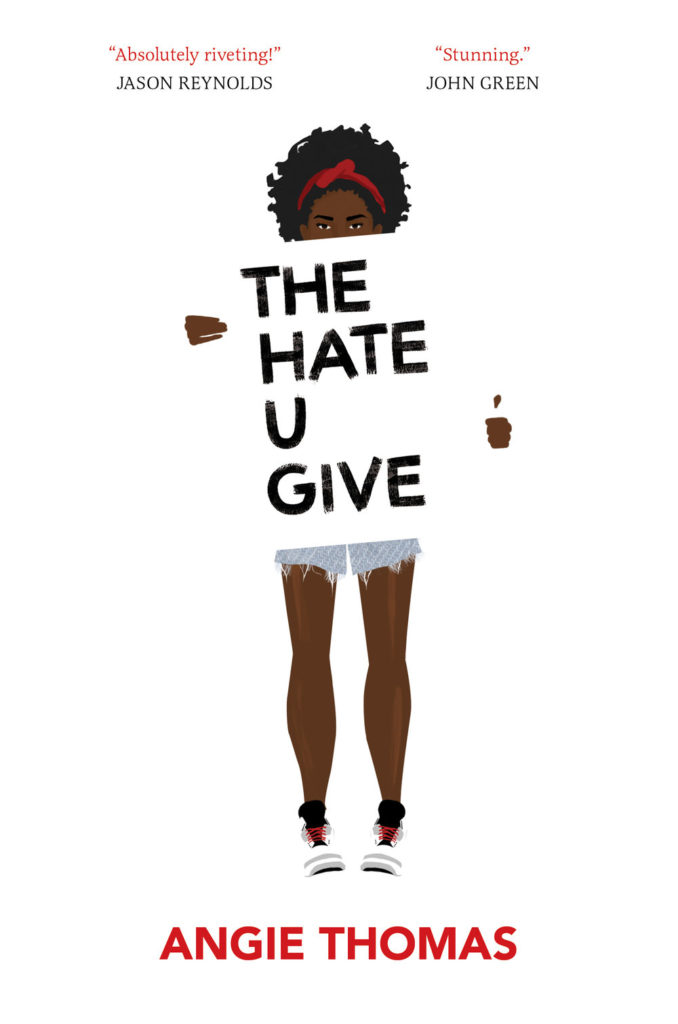
The Hate U Give by Angie Thomas; design by Jenna Stempel; illustration Debra Cartwright (Balzer + Bray / February 2017)

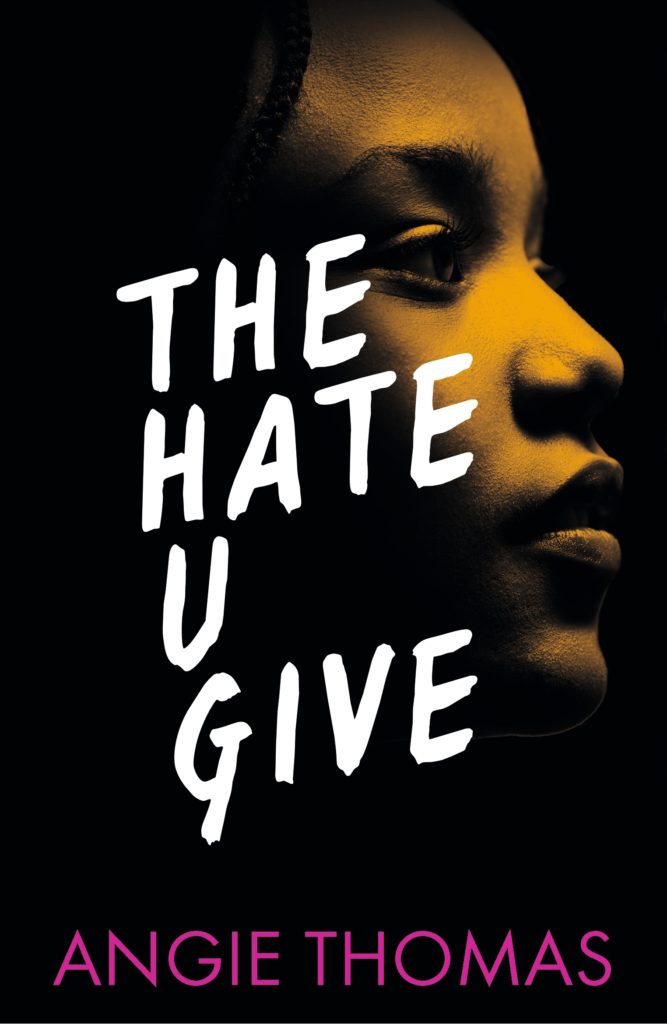
The cover of the UK edition of The Hate U Give, published by Walker this month, was designed by Maria Soler.

It’s interesting that both designs have acrostic titles. I wonder if this was in the brief?  


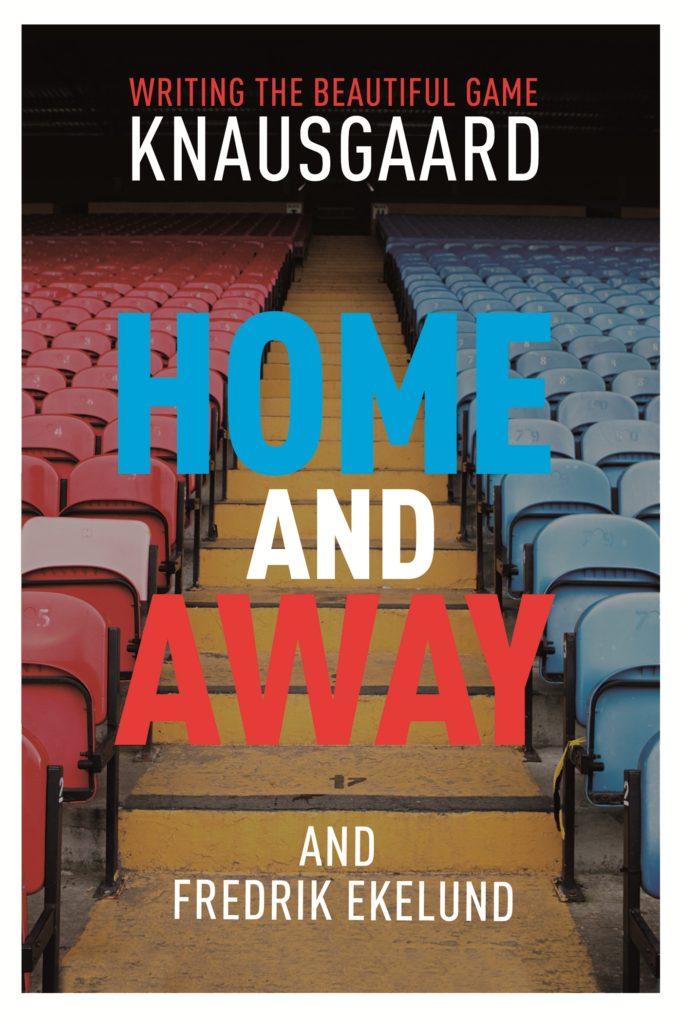
Home and Away by Karl Ove Knausgaard and Fredrik Ekelund; design by Alex Merto (Farrar, Straus & Giroux / January 2017)

The cover of the British edition, published by Harvill Secker in November 2016, was designed by Matt Broughton. 


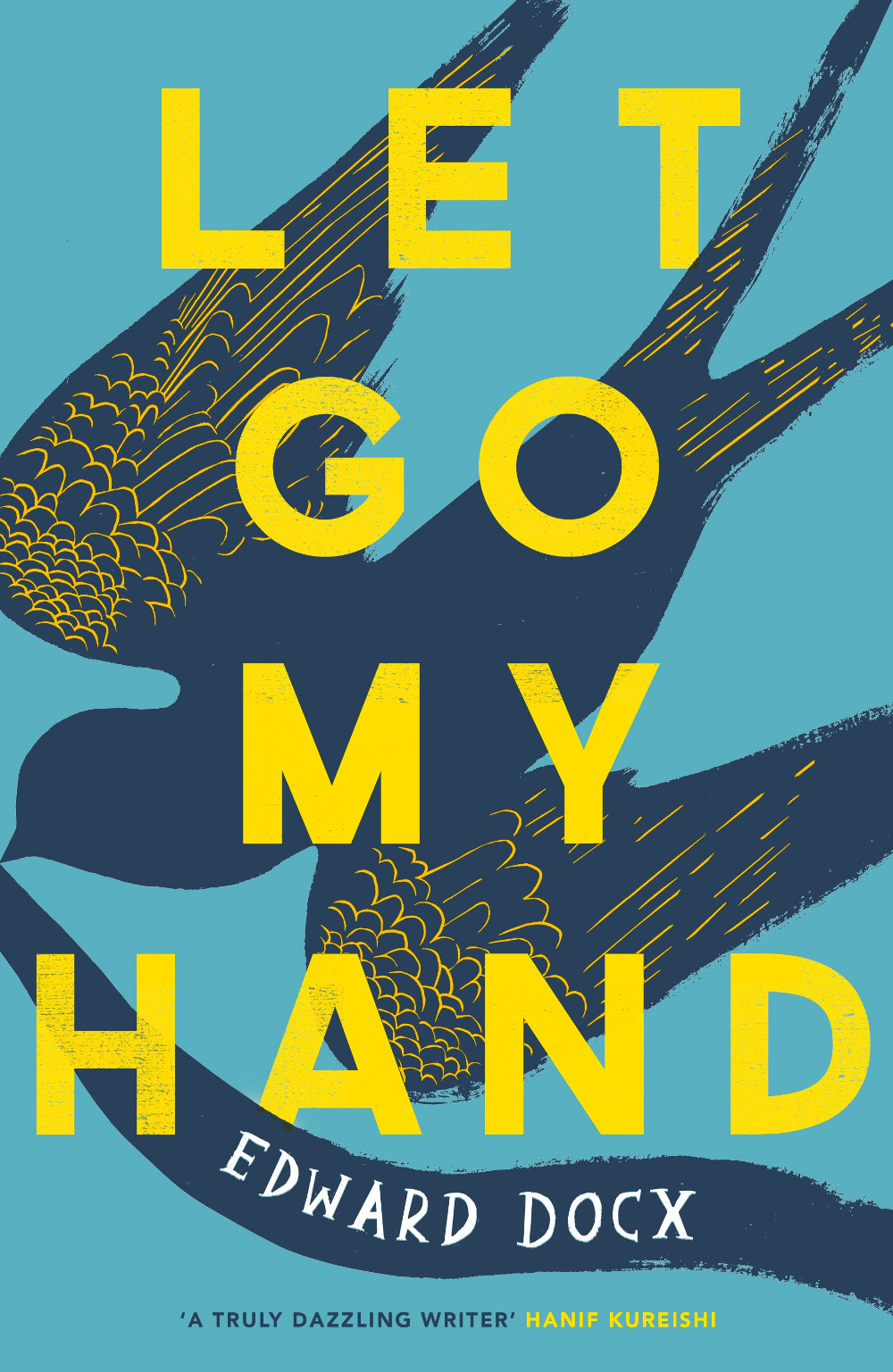
Let Go My Hand by Edward Docx; design by Katie Tooke (Picador / April 2017)

Literature Class by Julio Cortázar; design by Rodrigo Corral and Zak Tebbal (New Directions / March 2017)

Locus Solus by Raymond Roussel; design by Erik Carter (New Directions /March 2017)


The Night Ocean by Paul La Farge; design by Will Staehle (Penguin / March 2017)


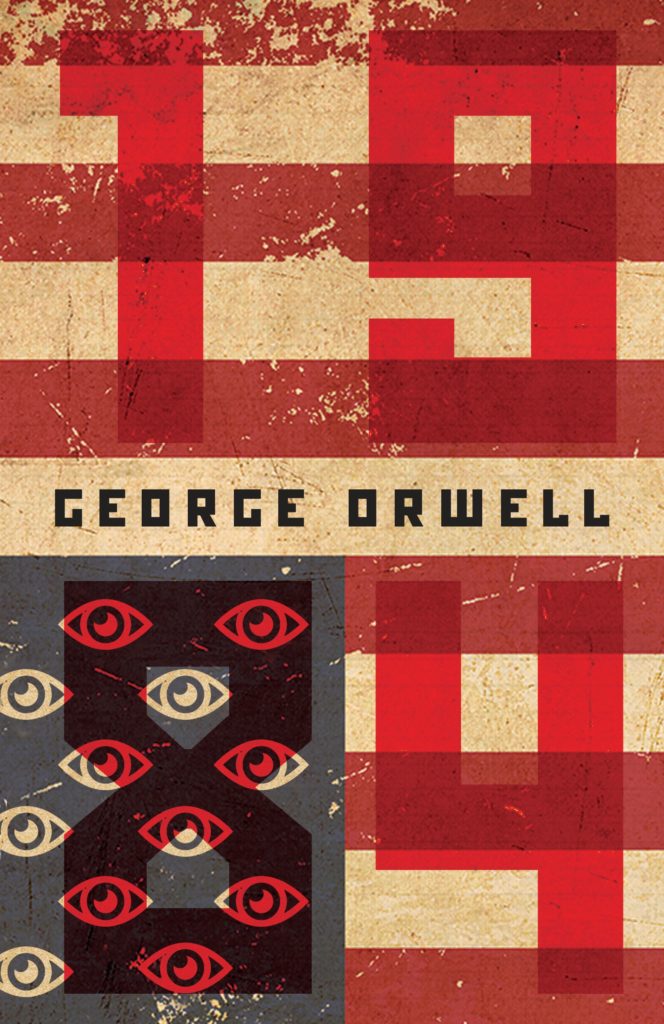
Nineteen Eighty-Four by George Orwell; design by C. S. Richardson (Penguin Canada / March 2017)

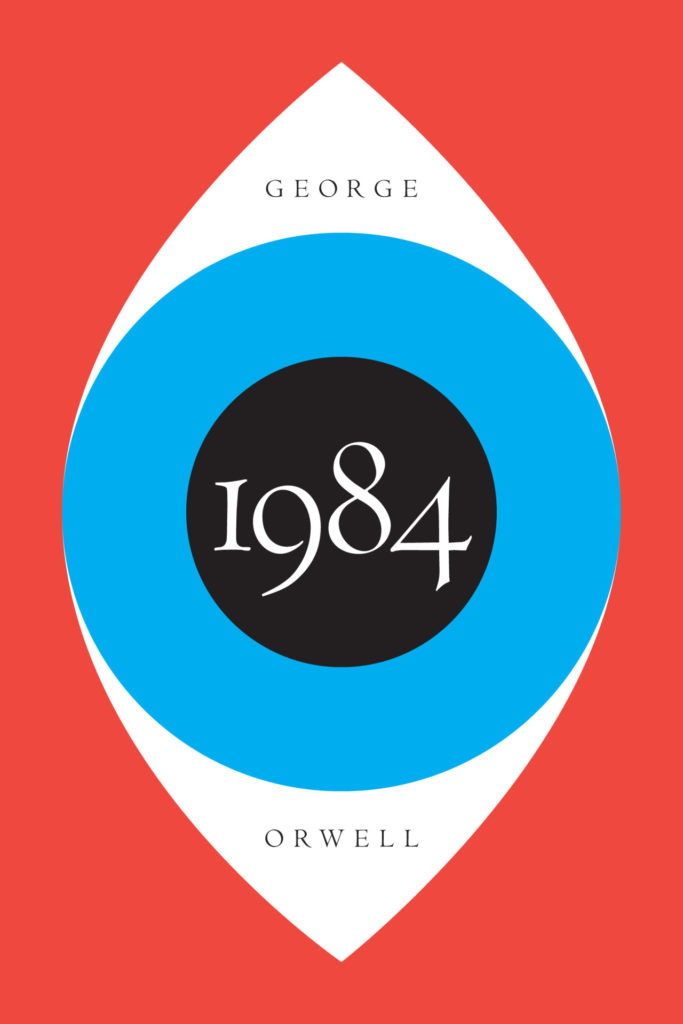
In the US, Houghton Mifflin Harcourt have also published a new edition of Nineteen Eighty-Four. The cover — which owes a wee debt to Peter Mendelsund’s eye motif covers for the Schocken editions of Kafka (in my very humble opinion) — was designed by Mark Robinson.

You can see a few other recent covers for Nineteen Eighty Four here


Out of Line by Barbara Lynch; design by Delcan & Company; photography by George Baier IV (Atria / April 2017)

The Redemption of Galen Pike by Carys Davies; design by Zoe Norvell (Biblioasis / April 2017)


Six Stories by Matt Wesolowski; design by Mark Swan (Orenda / March 2017)

Sorry to Disrupt the Peace by Patty Yumi Cottrell; design by Sunra Thompson (McSweeney’s / March 2017)

The jacket has a really nice metallic finish in real life. The bright green cover under the jacket is also really nice. 

Sound System by Dave Randall; design by Jamie Keenan (Pluto Press / April 2017)


Spaceman of Bohemia by Jaroslav Kalfar; design by Allison Warner (Little Brown & Co. / March 2017)


Sympathy by Olivia Sudjic; design by Gray318 (Houghton Mifflin Harcourt / April 2017)

To Be a Machine by Mark O’Connell; design by Gray318; robot/photograph by Marco Fernandes (Granta / April 2017)

The Teeth of the Comb & Other Stories by Osama Alomar; design by Erik Carter (New Directions / April 2017)

Us&Them by Bahiyyih Nakhjavani; design by Anne Jordan and Mitch Goldstein (Stanford University Press / April 2017)


Voices from the Jungle: Stories from the Calais Refugee Camp; design by Gray318 (Pluto Press / April 2017)


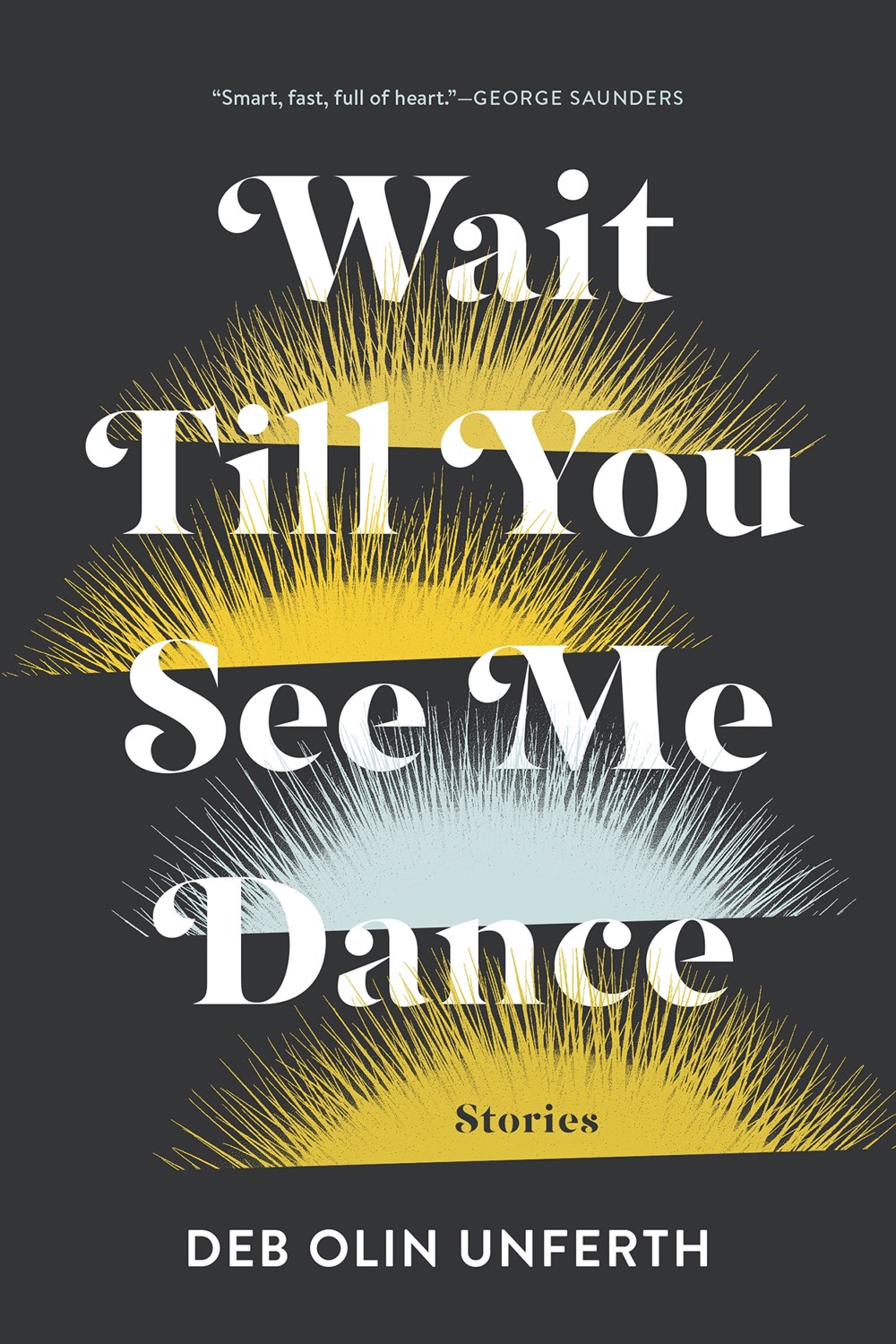
Wait Till You See Me Dance by Deb Olin Unferth; design by Kimberly Glyder (Graywolf / March 2017)


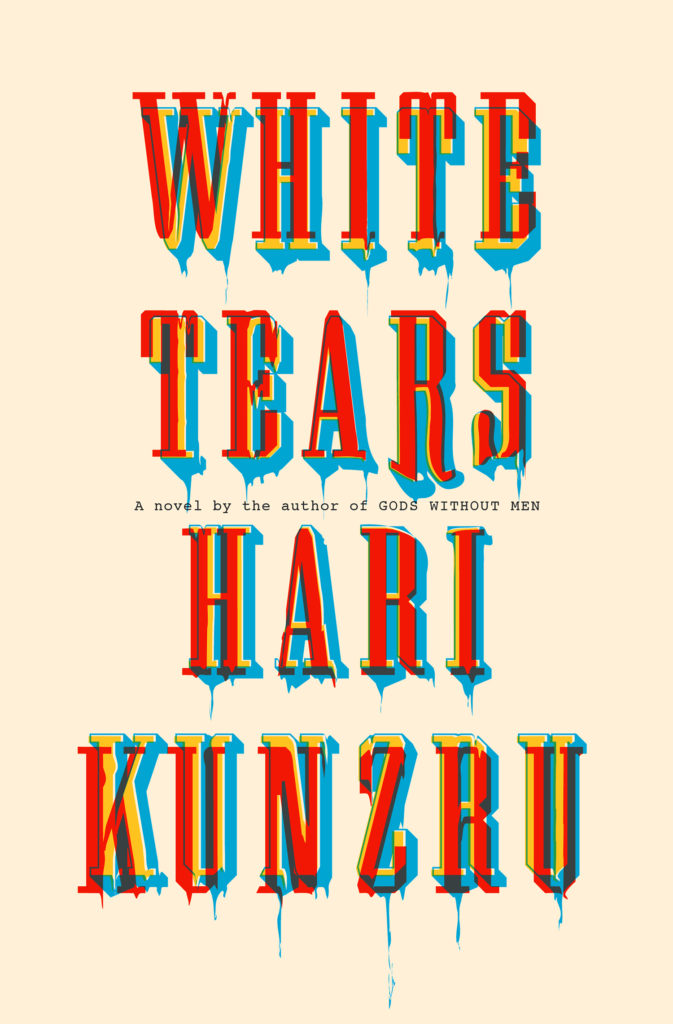
White Tears by Hari Kunzru; design by Peter Mendelsund (Knopf / March 2017)

The cover of the UK edition, published this month by Hamish Hamilton, was designed by Richard Bravery.

Comments closed

Elena Ferrante Covers Designed by Angelo Bottino

The covers of the Anglo-American editions of Elena Ferrante’s novels published by Europa Editions have been… well, controversial to say the least (read an interview with the art director about their “kitsch” quality here). The Australian editions of Ferrante’s Neapolitan quartet, published by Text Publishing, have much more stylish, cinematic covers designed by W. H. Chong (you can read about his process here). But these illustrated covers designed by Angelo Bottino for Brazilian publisher Intrínseca for Um Amor Incômodo (Troubling Love) and A Filha Perdida (The Lost Daughter) are really rather lovely. I would love to see a complete set of Ferrante’s novels with covers designed by Bottino.  

UPDATE: The cover illustrations for the Intrínseca editions of The Lost Daughter and Troubling Love are by Andy Bridge and Marian Trotter respectively. Thanks to Angelo Bottino for letting me know! 


Save

2 Comments

The Last London

The London Review of Books has a brilliant, sprawling, melancholy essay by author and psychogeographer Iain Sinclair titled ‘The Last London’. It’s difficult to know what to quote from the essay as it touches on so many interesting, diverse things, but this passage about London in science fiction is perhaps most appropriate for here: 

In 1909 [Ford Madox] Ford published an essay titled ‘The Future in London’, a provocative vision of a planned last city, a London circumscribed by the sixty-mile sweep of a compass point set in Threadneedle Street. He anticipated the urban planner Sir Patrick Abercrombie in reading London as a series of orbital hoops, ring roads and parkland. Brought to life on the edge of the river, this port settlement has always been a magnet for outsiders. It was constructed that way, developed to draw in the scattered tribes, the hut dwellers, to establish the importance of a river crossing. A satellite of Colchester, it was 100 AD before Londinium became a significant entity. And then it was lost, abolished, pulled apart, before it grew again.

Ford Madox Ford’s Edwardian pipedream is ahead of its time. He sees that Oxford and Cambridge and the south coast are all part of the London microclimate. He sees the river coming into its own as an avenue for transport. He envisages escalators and moving pavements, and a population enriched and civilised by incomers. He presents himself as so much the English gentleman that he is doomed to spend most of his career in chaotic exile, in France and the US. Ford is self-condemned, like Wyndham Lewis. His London is as fantastic now as the Magnetic City, protected by river and man-made canals, in Lewis’s The Human Age trilogy: ‘The blank-gated prodigious city was isolated by its riverine moat.’

The compulsion to imagine and describe a final city runs from Richard Jefferies, with his After London; or, Wild England (1885), through Ford and Lewis, to the drowned worlds of J.G. Ballard and Will Self, the dystopian multiverses of Michael Moorcock and China Miéville. Fredric Jameson, considering postmodernism, talks about the ‘hysterical sublime’: a sort of Gothic rapture in contemplation of lastness, the voluntary abdication of power to superior aliens. This was heady stuff for my own compulsive beating of the bounds, an exploration of neural paths and autopilot drifts through the City into Whitechapel and Mile End. One of these haunted dérives brought me to the window of a bookshop in Brushfield Street, alongside Spitalfields Market. The shop, of course, is gone now and the proprietor dead. I zoomed in on an item with a striking riverside skyline on the dust-jacket: Last Men in London by W. Olaf Stapledon, published in 1932. Here was a more intimate coda to the better-known Last and First Men (1930). I had to carry the book home.

Comments closed

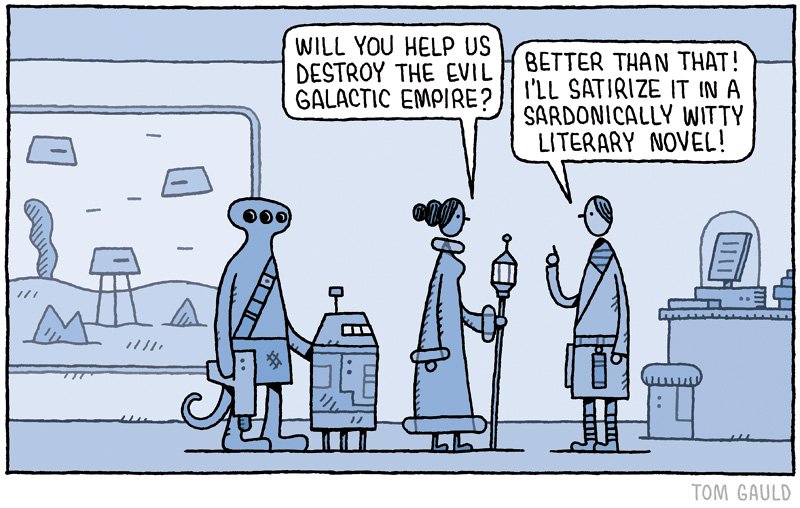
Will You Help Us Destroy the Evil Galactic Empire?

Tom Gauld for The Guardian.

(I’m working on my sardonically witty literary novel as we speak.)

Comments closed

Book Covers of Note March 2017

Holy smokes! There are a lot of good covers this month! Feast your eyes on March’s book covers of note:


Amiable with Big Teeth by Claude McKay; cover art by Sean Qualls (Penguin / March 2017)


The Book of Greek and Roman Folktales, Legends & Myths edited and translated by William Hansen; design by Amanda Weiss (Princeton University Press / March 2017)


The Bridge Ladies by Betsy Lerner; design by Justine Anweiler (Pan Macmillan / March 2017)


A Conjuring of Light by V.E. Schwab; design by Will Staehle (Tor Books / February 2017)

This completes a distinctive set of covers for V.E. Schwab’s ‘Shades of Magic’ trilogy by Will Staehle: 


Dead Letters by Caite Dolan-Leach; design by Jaya Miceli (Random House / February 2017)


Dick Cheney Shot Me in the Face by Timothy O’Leary; design by David A. Gee (Unsolicited Press / February 2017)


Done Dirt Cheap by Sarah Nicole Lemon; design Alyssa Nassner; illustration Amanda Lanzone (Amulet Books / March 2017)


The Education of Margot Sanchez by Lilliam Rivera; cover art by Dana Svobodova (Simon & Schuster / February 2017)


Eyes Wide Open by Isaac Lidsky; design by Zoe Norvell (Tarcher / March 2017)

And now two covers for Exit West by Mohsin Hamid — first the cover for the UK edition designed by Richard Bravery (Hamish Hamilton / March 2017):

And the cover of the US edition designed by Rachel Willey (Riverhead / March 2017):


The Hearts of Men by Nickolas Butler; design by Allison Saltzman (Ecco / March 2017)


Jerzy by Jerome Charyn; design by Alban Fischer (Bellevue Literary Press / March 2017)


Little Nothing by Marisa Silver; design by James Paul Jones (Oneworld / March 2017)

Rachel Willey’s cover design for the US edition of Little Nothing published by Blue Rider Press was part of my September 2016 round-up.


The Name of the Game is Kidnapping by Keigo Higashino; design by Janet Hansen (Vertical / February 2017)


Narcissism for Beginners by Martine McDonagh; design by Tree Abraham (Unbound / March 2017)


Next Year for Sure by Zoey Leigh Peterson; design by Jaya Miceli; cover art by Jarek Puczel (Scribner / March 2017)


One Day We’ll All Be Dead and None of This Will Matter by Scaachi Koul; design by C.S. Richardson (Doubleday Canada / March 2017)


One of the Boys by Daniel Magariel; design Thomas Colligan (Scribner / March 2017)


Optimists Die First by Susin Nielsen; design by Joan Wong (Wendy Lamb Books / February 2017)


Our Short History by Lauren Grodstein; design by Olga Grlic (Algonquin / March 2017)


Standard Hollywood Depravity by Adam Christopher; design by Will Staehle (Tor Books / March 2017)


Swimmer Among the Stars by Kanishk Tharoor; design by Tyler Comrie (Farrar, Straus and Giroux / March 2017)

I believe the cover of the UK edition, published next month by Pan Macmillan, was designed by Justine Anweiler:


The Tea Girl of Hummingbird Lane by Lisa See; design by Lauren-Peters-Collaer (Scribner / March 2017)


The Zoo of the New edited by Nick Laird & Don Paterson; design by Richard Green (Particular Books / March 2017)

Comments closed

Books

Modern Toss

(This is a little too close to the bone)

1 Comment

ABCD Award Winners 2017

The winners of the annual Academy of British Cover Design (ABCD) Awards were announced at a glittering ceremony London in last night. The dashing Danny Arter has a posted a full report on the proceedings at The Bookseller. You can see all the winning covers below… 

Young Adult

The Memory Book by Lara Avery; design by Sinem Erkas (Quercus / January 2017)

Sci-fi/Fantasy

Radiance by Catherynne M. Valente; design & illustration by Nathan Burton (Corsair / August 2016)

Non-fiction

The Genius of Birds by Jennifer Ackerman; design by Jack Smyth (Little, Brown / April 2016)

Series Design

Vintage Virginia Woolf; design by Suzanne Dean; illustration by Aino-Maija Metsola (Vintage / October 2016)

Classics/Reissue

The Birds and Other Stories by Daphne du Maurier; design Jamie Keenan (Virago / October 2016)

Children’s

The Boy in the Striped Pyjamas by John Boyne & illustrated by Oliver Jeffers; design by Dominica Clements; illustration by Oliver Jeffers (Doubleday / October 2016)

Women’s Fiction

Vinegar Girl by Anne Tyler; design by Kris Potter (Hogarth / June 2016)

Literary Fiction

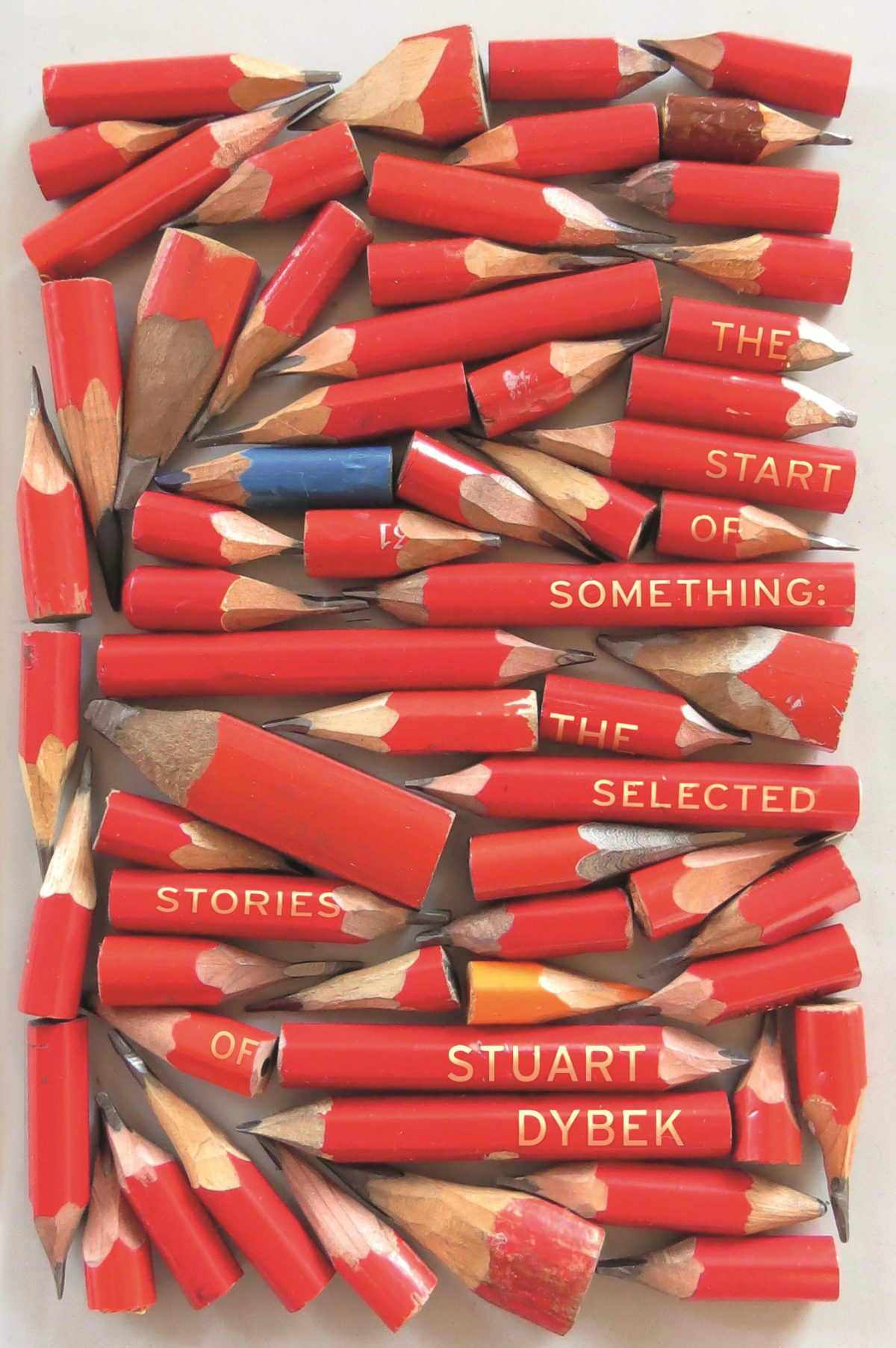
The Start of Something by Stuart Dybek; design Suzanne Dean; cover art by Marion de Man (Jonathan Cape / November 2016) 

Crime/Thriller

Maestra by L.S. Hilton; design by Blacksheep (Zaffre Publishing / March 2016)

Mass Market

Girls on Fire by Robin Wasserman; design by Jack Smyth (Little, Brown / May 2016)

All of this year’s shortlisted covers can be found on the ABCD website. Last year’s winning covers can be seen here; the 2015 winners here

Comments closed

The Rise of Roxane Gay

At Brooklyn magazineMolly McArdle profiles Roxane Gay, author of An Untamed State, Bad Feminist and, most recently, Difficult Women

“What more could I say that I haven’t already said?” Gay asks in an conversation about publishing and diversity we had via email last year. Though the industry-wide dialogue has in many ways gotten stuck (as a lot of things that benefit white people do)—mired by a lack of willingness to do the work, commit the resources—Gay’s own efforts changed the terms of the discussion.

“She’s given us a wonderful model,” Saeed Jones says over the phone. “She could just be a great writer, that would be more than enough, but she’s gone beyond that,” he explains. “She’s showing us how to navigate difficult online spaces. She’s editing and championing people.”

He knows from experience. In 2012 Gay edited Jones’s essay “How Men Fight for Their Lives” for The Rumpus, which became the germ (and the title) for the memoir he’s now working on. “When people read that essay and feel surprised or moved by the candor or the vulnerability, it’s because Roxane made me feel safe,” Jones explains. She went on to invite him to contribute to a special issue of Guernicaa piece that became part of his award-winning debut collection of poetry, Prelude to Bruise. They’ve since shared the stage several times, most recently in front of a sold out audience at the 92nd Street Y this February. “Roxane is the kind of editor who says, ‘You are doing something important. Keep doing it.’ For writers particularly interested in examining gender, the body, power, race, identity—that is an essential and all too rare experience. There are not too many people out there you can trust. With Roxane,” he says, “people feel like themselves.”

Comments closed