Well, it’s been a month. I hope you’re all keeping safe and well, especially my friends and publishing colleagues in Minnesota. Stay Strong.
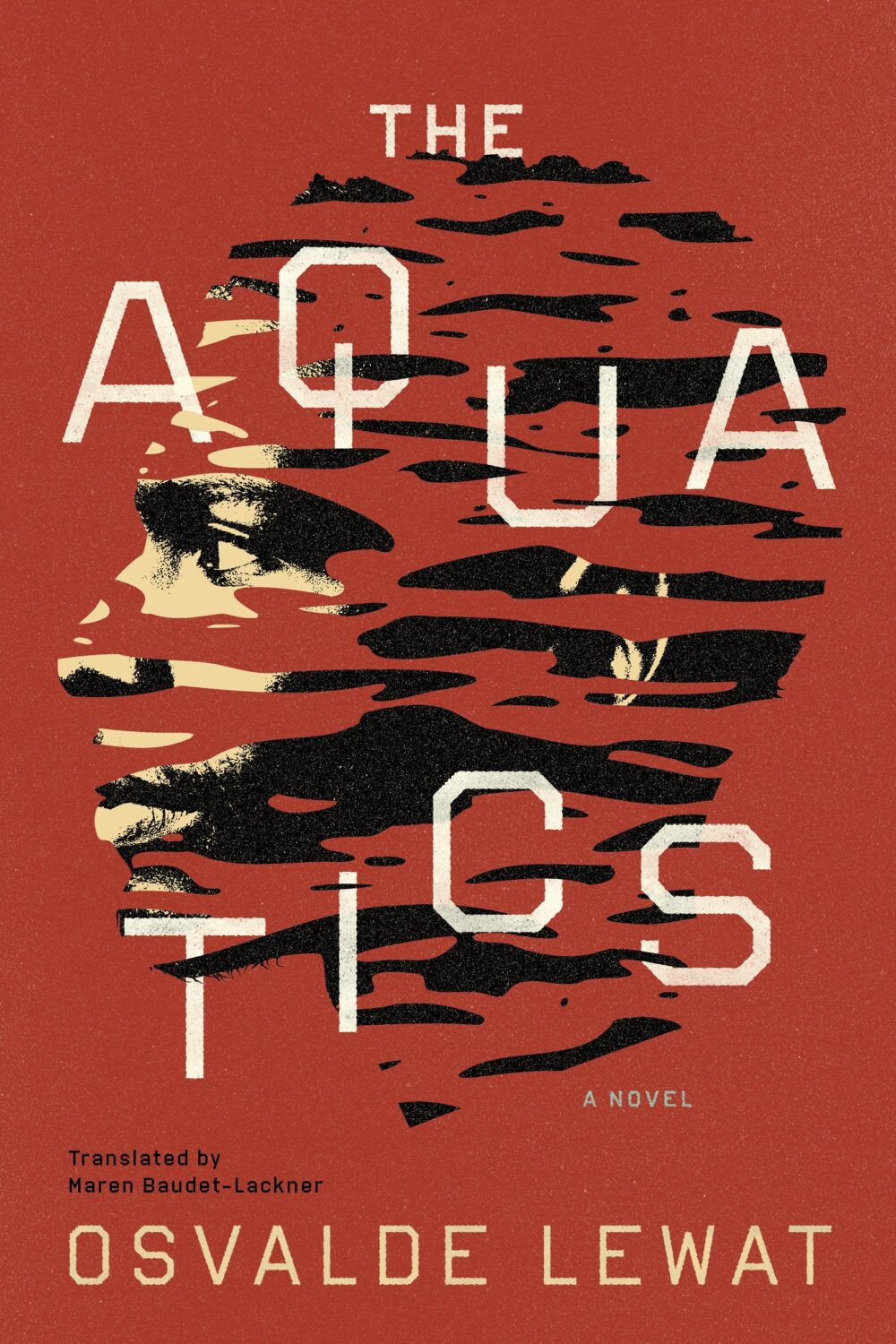
The Aquatics by Osvalde Lewat, translated by Maren Baudet-Lackner; design by Alban Fischer (Coffee House Press / December 2025)
As If by Magic by Edgard Telles Ribeiro, translated by Kim M Hastings & Margaret A Neves; design by Alban Fischer (Bellevue Literary Press / January 2026)
Yes, starting off the year with two covers designed by Alban, but also two books from nonprofit publishers based in Minneapolis, Coffee House Press and Bellevue Literary Press.
Crux by Gabriel Tallent; design by Jaya Miceli (Riverhead / January 2026)
Alex also designed the cover of Jimmy Juliano’s previous book Dead Eleven. I confess I have mixed feelings about the current nostalgia for all things 1980s/90s…
This Here is Love by Princess Joy L. Perry; design by Keith Hayes (W.W. Norton / August 2025)
I was reminded, looking back at the posts from 2018, that someone really should collect Keith’s photos into a book…
Hey, I hope you’re keeping safe, well and warm (or cool!) wherever you are.
If you missed it, my first post of 2025 was a look back at some of last year’s YA covers. You can find my 2024 list of notable literary covers here. Both posts got me thinking more generally about these lists. Do I need to change things up? Or stop altogether? Several other sites are posting lists that do much the same thing mine, and they are all starting to feel too alike. I don’t have answer, and I don’t really know I would do differently. I’m struggling to post once a month as it is. For now at least I’ll keep posting the covers that interest me. It’s just something that’s on my mind, and I have other projects I’ve been neglecting, so I’m curious if you have opinions.
Anyway, this month’s post is a bit of a short (but good!) one, and includes a couple of covers that I missed in 2024 for one reason or another. Enjoy!
Eurotrash by Christian Kracht; design by Sinem Erkas (Profile Books / November 2024)
I do really like this cover. It looks great! But it also looks a lot like non-fiction, especially when compared to the cover of the US edition (Liveright, October 2024) designed by Jason Heuer. They look like completely different books!
And speaking of Jason Heuer, he’s made a series of fun videos talking about embarrassing moments from his early graphic design career. You can find them on YouTube and Instagram. In the second episode Jason talks about his first book design credit…
Hey. I hope you’re keeping safe and well wherever you are. I’m going to keep this very short as there’s lots going on, but there some great covers, and a couple of tenuous comparisons this month (hey, I can’t help how my brain works!) . Enjoy!
This reminded me of Akiko Stehrenberger‘s poster for the movie Funny Games. They don’t really look alike, and the tone is very different, but I think it was the close crop and the hair that brought it to mind.
Dirtbag by Amber A’Lee Frost; design by Rob Grom (St. Martin’s Press / December 2023)
This brought to mind Peter Mendelsund’s cover for The Woman Destroyedby Simone Beauvoir, published by Pantheon, which in turn reminded me Gunter Rambow‘s Gitanes, Un Hommage à Max Ponty poster…
The image is taken from the 17th Century painting ‘The Torture of Prometheus’ by Giovacchino Assereto (thanks for letting me know, Jason!). The tight crop (which is great!), reminded me of Peter Hujar’s 1969 photograph ‘Orgasmic Man’, which was used on the cover of A Little Life by Hanya Yanagihara designed by Cardon Webb a few years ago. Art imitating art, kind of?
Jacket design by Cardon Webb; jacket photograph Orgasmic Man by Peter Hujar 1987
Splinters by Leslie Jamison; design by Gregg Kulick (Little, Brown & Co / February 2024)
The cover of the UK edition of Splinters, published this month by Granta, was designed by Jack Smyth. It’s interesting to see to a torn author photo in both…
At the turn of the year, writer and activist Cory Doctorow coined the term “enshitification.” Although he was specifically describing the process of online services getting worse for users, it was hard not to see it everywhere in 2023.
In his annual look at the year’s best book covers for the New York Times, art director Matt Dorfman recounts a friend describing 2023 as a “year of survival”, a year of “no growth, no withering, just getting by.”
This year saw a centuries-old business contending with rounds of buyouts and layoffs, alongside an endless news cycle involving two brutal wars from which no authors, friends, enemies or strangers were immune from accountability for any unrehearsed sentiment they might voice in passing. Add to this the ongoing concern about how artificial intelligence will affect a business historically dependent upon human creativity — yet through it all, there was still the matter of making books, and their covers, to get on with.
I read Matt’s piece the same day I read an article by Kyle Chayka in the New Yorkerabout his search foran epochal term to “evoke the panicky incoherence of our lives of late.” The suggestions range from the bland ‘Long 2016,’ to the incredibly ominous-sounding ‘Chthulucene,’ the Lovecraftian ‘New Dark Age,’ and the frankly terrifying and plausible ‘Jackpot’ from William Gibson’s 2014 novel The Peripheral.
This was the context of life and work in 2023.
Matt notes some designers found inspiration in the zeitgeist. He’s not wrong. But, ironically perhaps, I feel less optimistic about the overall picture than he does.
At the risk of repeating what I’ve written in the past couple of years, it’s like we’re stuck in a holding pattern, circling the same design ideas. Trends have stuck around. A lot of covers feel safe. Some of this was the books themselves. I’m not sure exactly how many celebrity memoirs is too many, but I’m pretty sure we reached that point and sailed right past it in 2023. No doubt some of it is sales and marketing departments sanding down all the edges and demanding the tried and true (see Zachary Petit’s alternative best of 2023 piece on killed covers for Fast Company). But I would not be surprised if it designers were just getting caught up in the churn — too many books, too many covers, and too much other stuff to worry about.
Or maybe it’s just me.
Rouge by Mona Awad; design by Oliver Munday (Simon & Schuster / September 2023)Silver Nitrate by Silvia Moreno-Garcia; design by Regina Flath (Del Rey Books / July 2023)Our Share of Night by Mariana Enriquez; design by Donna Cheng (Hogarth / September 2023)
One of the themes of the year was nostalgia, which I’m sure can also be put down to the present being pretty fucking awful. It was apparent across almost all genres, including literary fiction, but nowhere more so than in the resurgent supernatural suspense and horror categories. There were creative stylistic mashups with retro vibes, along side fastidious Stranger Things-like homages to the 1980s and Stephen King.
Looking Glass Sound by Catriona Ward; design by Katie Klimowicz (Tor / August 2023)The Only One Left by Riley Sager; design by Kaitlin Kall (Dutton / June 2023)Come Closer by Sara Gran; design by Caroline Johnson (Soho Press / September 2023)
One genuinely pleasant surprise was the number of interesting covers from Canadian publishers this year. They’ve been quietly risk-averse in recent years, so it was nice to see a few bolder design choices getting approved. I was happy to see a Canadian cover was one of the top picks on Literary Hub’s (very, very long) list of the best covers of 2023.
There were other things to cheer this year too.
The Lights by Ben Lerner; design by David Pearson (Granta / September 2023)Total Reset by Sinéad Brady; design Steve Leard (HarperCollins / March 2023)How to Build a Boat by Elaine Feeney; design by Zoe Norvell (Biblioasis / November 2023)
Spine continued to give space to designers to talk about their work in a way I’ve never been able to do consistently here. You can find their 2023 cover picks here.
David Pearson started the Book Cover Review, a website for short reviews of book covers.
Zoe Norvell’s I Need A Book Cover, a resource for book cover inspiration as well as place for authors and publishers to connect with designers, also went live.
Steve Leard launched Cover Meeting, a podcast series of in-depth interviews with cover designers (including David and Zoe among others). As Mark Sinclair notes in his piece on book cover design this year for Creative Review, Steve’s conversations shed light on wider concerns in the industry as well as each designer’s individual process. Have a listen if you haven’t already.
Berlin by Bea Setton; design by Emily Mahon; cover image by Nataša Denić (Penguin Books / May 2023)
Also designed by Emily Mahon:
Lost Believers by Irina Zhorov; design by Emily Mahon (Scribner / August 2023)Do Tell by Lindsay Lynch; design by Emily Mahon; illustration and lettering by Studio Martina Flor (Doubleday / July 2023)
B.F.F. by Christie Tate; design by Ben Wiseman (Avid Reader Press / February 2023)
The Illiterate by Ágota Kristóf; design by Oliver Munday (New Directions / April 2023)
Also designed by Oliver Munday:
The Guest by Emma Cline; design by Oliver Munday (Random House / May 2023)Life on Delay by John Hendrikson; design by Oliver Munday (Knopf / January 2023)
Sublunar by Harald Voetmann; design by Jamie Keenan (New Directions / August 2023)
Also designed by Jamie Keenan:
The Dimensions of a Cave by Greg Jackson; design by Jamie Keenan (Granta / October 2023)Dr. No by Percival Everett; design by Jamie Keenan (Influx Press / March 2023)
Hey. I hope you’re safe and well and caught up on your podcasts, shows, and TBR pile.
I thought this was going to be a short post this month, and then it turned into a long one — or longer than expected at least. I don’t have too much to add to the covers. I’m busy, you’re busy. It’s almost October, literally no one has time for this! But there are some lovely covers this month. There’s a bit autumnal orange and ennui, some nice type, and a couple of Canadian covers (for those keeping count), and a couple of appropriately off-beat ones from our friends at New Directions.*
American Gun by Cameron McWhirter and Zusha Elinson; design by Rodrigo Corral (Farrar, Straus & Giroux / September 2023)
Fear by Robert Peckham; design by Tom Etherington (Profile / September 2023)
Goth by Lol Tolhurst; design by Timothy O’Donnell (Quercus Publishing / September 2023)
This whole thing is ridiculously in my wheelhouse. The cover photo is by the author (of course!), and there’s a fun note about trying to source the type in Timothy’s Instagram post about the design.
Grand Tour by Elisa Gonzalez; design by Na Kim (Farrar, Straus & Giroux)
I’m not sure it was the intention, but I like the trippy film title / goth art project quality of this.
The Lights by Ben Lerner; design by David Pearson (Granta / September 2023)
Hopefully you’ve all had chance to listen to David on the Cover Meeting podcast by now. It’s really good!
The cover of the US edition published by FSG was designed by Thom Colligan. It’s interesting that they’re similar and yet different. I wonder if it was brief or just a creative coincidence?
I’m sure I’m not the only one to get Edward Hopper vibes from this cover.
The cover of the UK edition was designed by Suzanne Dean with a cover illustration by Anna Morrison.
*A bit of admin from last month: I finally managed to spend some time browsing a bookstore and I was able to ascertain that the cover of the US edition of Bridge by Lauren Beukes was designed by Kirin Diemont. Apologies to Kirin for not crediting her at the time in last month’s post. It’s updated now)
I hope you’re safe and well wherever you are. What do we have this month? A few British covers for a change, a bit of Canadian content, a couple of indie presses, and even something from a university press, not to mention covers from all the usual suspects. Enjoy!
Anam by André Dao; design by Tiana Dunlop (Pan Macmillan / August 2023)
I like the cover of the US edition of Bridge published by Mulholland Books too. Let me know if you know who designed it and I’ll add in the credit! It was designed by Kirin Diemont.
Jonny also re-designed the previous books in this series to match. They’re a lovely set that somehow feel very British, and very Faber. They sort of remind me of postwar pub signs and vintage lettering on canal barges. Anyway, I like them a lot.
2022. Twenty twenty-two. Two thousand and twenty-two… “Where did it go?” Or, sobbing, “ are we done yet?” It feels like both. It’s been a year that’s simultaneously dragged on interminably and disappeared in a cognitive blur.
I’m glad other people have already written about it.
At Creative Review, writer and editor Mark Sinclair picked his favourite covers of 2022 and reflected on industry trends in the UK, including the Design Publishing & Inclusivity mentorship program for under-represented creatives launched this year by Ebyan Egal, Donna Payne, and Steve Panton.
Literary Hub posted the best covers of the year as chosen by 31 designers. With a comprehensive 103 covers on the list, it tacitly poses the annual question “what do I have left to add to this conversation?” LitHub have been posting these lists for seven years apparently. I am an ancient desiccated husk.
Fast Company and the Washington Post asked slightly smaller groups of designers to write about their favourites covers.
Designer and art director Matt Dorfman chose the best book covers of 2022 for the New York Times, and empathized with the plight of the designers:
Most often, any personal stylistic expressions in their work are swallowed up in service to the multiple masters — editors, marketing directors, sales teams — who sign off on a book’s cover. There is also the matter of adhering to any one publisher’s dos and don’ts, which can inform mandates about typography, color palettes and production flourishes like embossing or metallic inks. For people employed in a theoretically creative pursuit, designers’ talents are often defined by how effortlessly they can make themselves disappear to serve the book.
Matt Dorfman, New York Times
No one captured the prevailing mood better than this Tom Gauld cartoon. A reminder, if one were needed, that nobody knows anything.
Earlier in the year, Australian reporter Rafqa Touma called out the trend of ‘well dressed and distressed’ young women on covers. As designer Mietta Yans notes, the covers often reflect their books’ stylish and sad protagonists, so I’m not sure this one is on the art departments.
Some of the trends I’ve talked about before spilled over into 2022. Collage, painting (contemporary, and historical — often tightly cropped), big skies, landscapes and seascapes, black and white photography (not just for LGBTQ+ trauma!), retro-ness, idiosyncratic display typefaces. Orange. Pink was in vogue too. The Instagram-ish combination of both pink and orange (sometimes with deep purple-ish blues too) seemed to be very much a thing this year. I suspect this is what happens when you ask designers to make things “pop” one too many times.
It is hard to know if these are genuine trends, or if it is just the stuff I notice. I’m sure there are things going on with commercial covers that I don’t pay enough attention to (although I will not be sad to see the popularity of that flat illustration style — the one that Slate pointed out in TWO THOUSAND AND FIFTEEN! — eventually fade away). I certainly don’t get the sense that everything looks the same, which is often the criticism. There is still room for a little weirdness and that can only be a good thing…
Ghost Music by An Yu; design Suzanne Dean (Harvill Secker / November 2022)Elizabeth Finch by Julian Barnes; design by Suzanne Dean (Jonathan Cape / April 2022)
The Julian Barnes cover also came in blue, and under the die-cut jacket is a beautiful photo from René Groebli’s photoessay The Eye of Love.
Pure Colour by Sheila Heti; design by Na Kim (Farrar, Straus & Giroux / February 2022)
Also designed by Na Kim:
Present Tense Machine by Gunnhild Øyehaug; design by Na Kim (Farrar, Straus & Giroux / January 2022)Run and Hide by Pankaj Mishra; design by Na Kim (Farrar, Straus & Giroux / March 2022)Either/Or by Elif Batuman; design by Na Kim (Penguin Press / May 2022)
You can read about Alban’s design process for Till the Wheels Come Off at Spine.
Worn by Sofi Thanhauser; design by Janet Hansen (Pantheon / January 2022)
Also designed by Janet Hansen:
A Country of Strangers by D. Nurkse; design by Janet Hansen (Knopf / April 2022)Sedating Elaine by Dawn Winter; design by Janet Hansen (Knopf / April 2022)
Yoga by Emmanuel Carrère; design by Rodrigo Corral (Farrar, Straus & Giroux / August 2022)
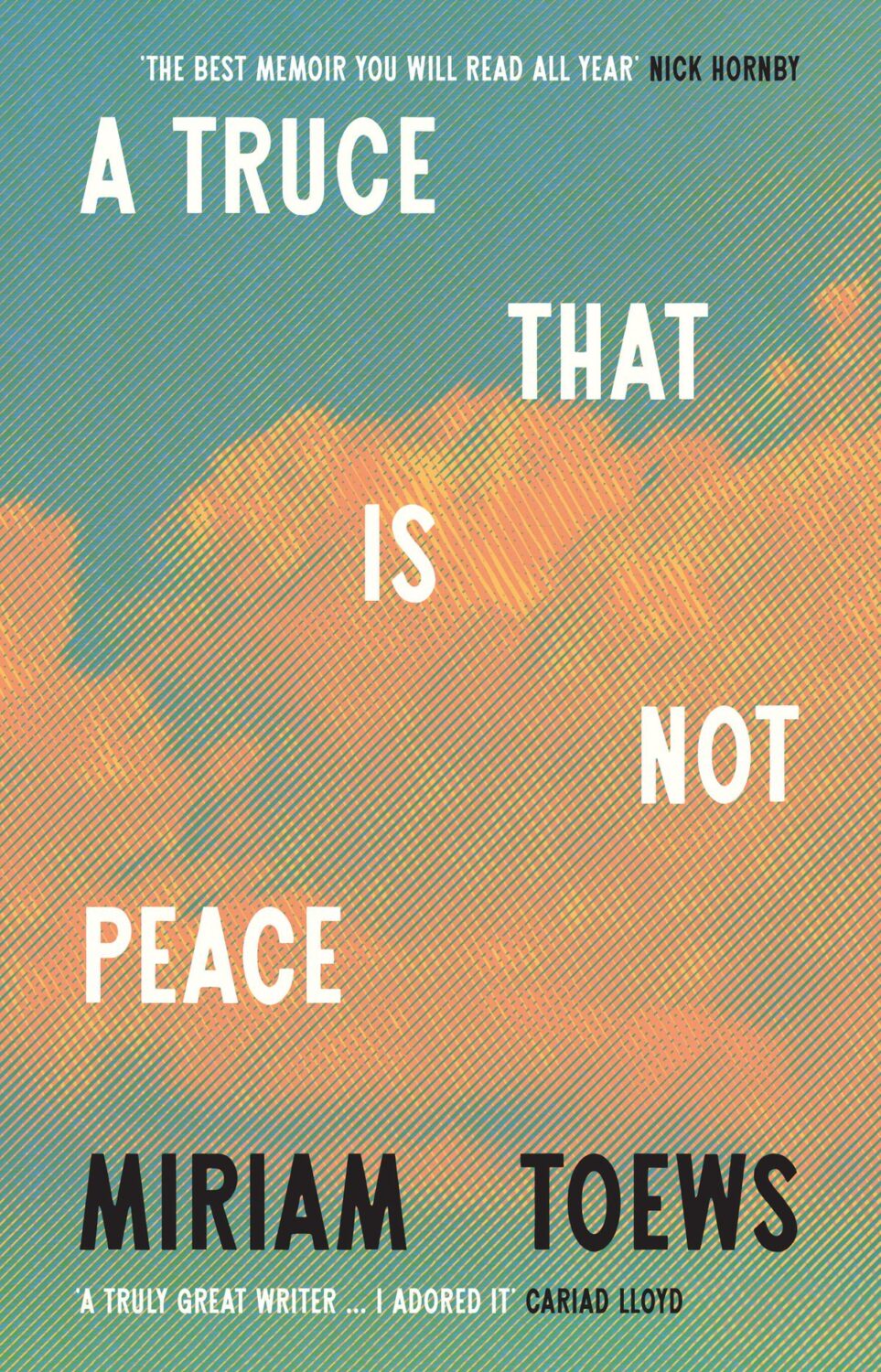
The black and white illustration and pink type reminded me of the US cover for Fight Night by Mirian Toews, designed by Patti Ratchford with an illustration by Christina Zimpel, from last year.
Boothby Karen Joy Fowler; design by Tal Goretsky (G.P. Putnam’s Sons / March 2022)
If you’d asked me to guess sight-unseen, I would’ve 100% said this was designed by someone else. It just goes to show that designers are talented, versatile people and I know nothing (NOTHING).
Malika Favre also designed and illustrated the cover of Playing with Matches by Michael Faudet, published by Andrews McMeel at the end of last year, and featured in this month’s ‘Book Covers We Love‘ post at Spine Magazine.
You know, I started 2022 with such good intentions and yet here we are again at the end of January on a paved road to hell. At least there are some lovely book covers to look at this month. Sigh.
Print Magazine did a piece last year on Amistad Books’ repackaging of Zora Neale Hurston’s work. I’ve featured a couple of the covers here in the past too.